
Temporary Wooden Bridge over the Imo River
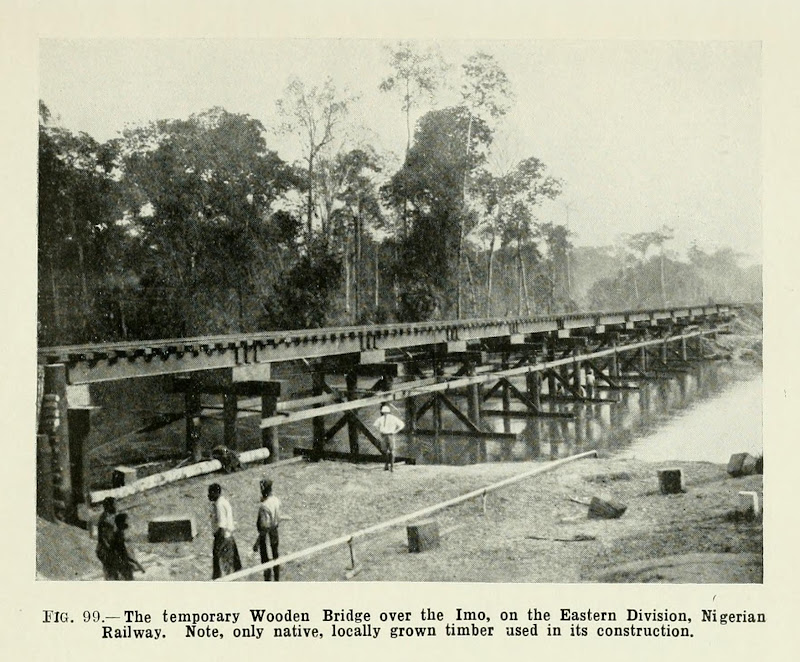
A photograph depicting a temporary trestle-style bridge constructed from native, locally grown timber spanning the Imo River. This structure was part of the Eastern Division railway line, built starting in 1913 to facilitate access to the Udi coalfields near Enugwu Ngwo, terminating at the Diobu cliffs of Port Harcourt. The image shows vertical pilings and diagonal cross-bracing supporting the bridge deck. A dense tropical forest canopy is visible in the background. The construction of this railway involved forced labor coordinated by British appointed warrant chiefs and land seizures from the Nike people.
Community Notes

Onyeka Nwokike
May 14, 2026
The Eastern Division railway was constructed between 1913 and 1916 primarily to transport coal from the Udi coalfields, discovered in 1909, to the coast for overseas export (At last, they remembered The Eastern Railway Corridor). While the line was originally planned to extend north to Kaduna to connect with the Western Division railway to Kano, the outbreak of World War I led to the postponement of this extension, resulting in the prioritisation of the 151 mile section from Port Harcourt to the Udi hills due to wartime coal demands (Bridge over Imo River - Ụkpụrụ̄).
Onyeka Nwokike
May 14, 2026
In the Ngwo area, battles between local communities and British forces resulted in the seizure of lands, including those belonging to the Nike people, for the railway and the development of the city of Enugu (Bridge over Imo River - Ụkpụrụ̄). At Diobu, land belonging to the Ikwerre people was acquired by the Crown Colony in 1913, with the railway subsequently occupying more territory than was initially agreed upon (How The IKWERRE People Or RIVERS Lost PORT HARCOURT). Labor for the project was managed by British appointed warrant chiefs, who frequently used force to select local people to work on sections of the railway running near their communities (Bridge over Imo River - Ụkpụrụ̄).
Onyeka Nwokike
May 14, 2026
Port Harcourt, where the railway terminated, is known locally as Igwuocha, meaning high cliff (Ownership Of Iguocha Or Port Harcourt). Historically, the area was divided into sections including the Diobu villages and the Diobu farm, the latter of which became the township including Borokiri.
Log in to add context.
Explore Further
Discover related books and stories to deepen your understanding.

The Warrant Chiefs: indirect rule in southeastern Nigeria, 1891-1929
By A. E. Afigbo

Art of Eastern Nigeria
By G.I. Jones

Chike and the River
By Chinua Achebe

An Introduction to Nigerian Traditional Architecture: South-Eastern Nigeria: The Igbo-speaking …
By Z.R. Dmochowski

Anthropological Report on the Ibo-Speaking Peoples of Nigeria: Law and …
By Northcote Thomas

Ohaffia: A Matrilineal Ibo People
By Philip O. Nsugbe

Igbo Art And Culture: And Other Essays
By Simon Ottenberg

Igbo market literature
By Sebastian Okechukwu Mezu

Lessons From Vernacular Architecture in Nigeria
By Joyce Lodson
Aba and British Rule
By Dandy Ahuruonye
You May Also Like
Speech by Chief Onyeso of Agukwu Nri
By Northcote Thomas
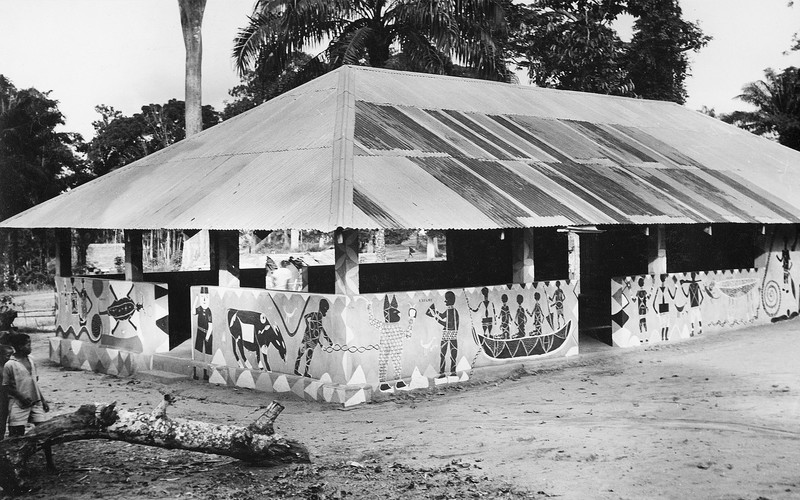
Painted Courthouse at Nri
By Edward Harland Duckworth
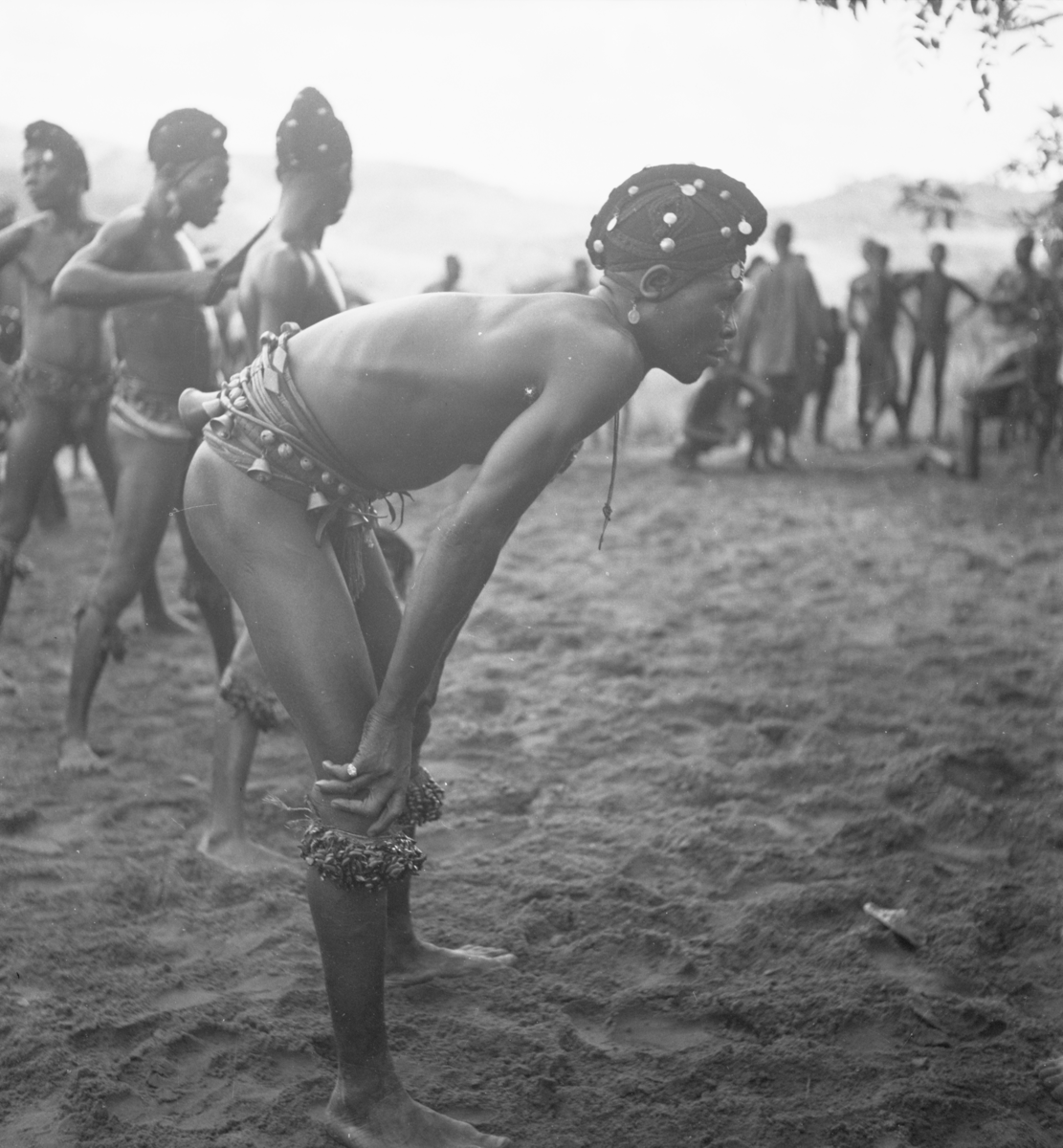
Boys' Initiation Dance in the Nri Akwa Area
By G.I. Jones
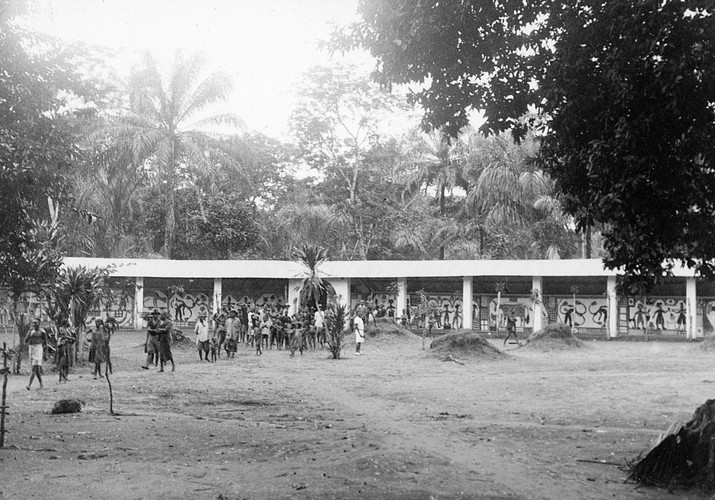
Mural Building at Okwu
By Edward Harland Duckworth
Linguistic Documentation of Igbo Tones and Phrases
By Northcote Thomas
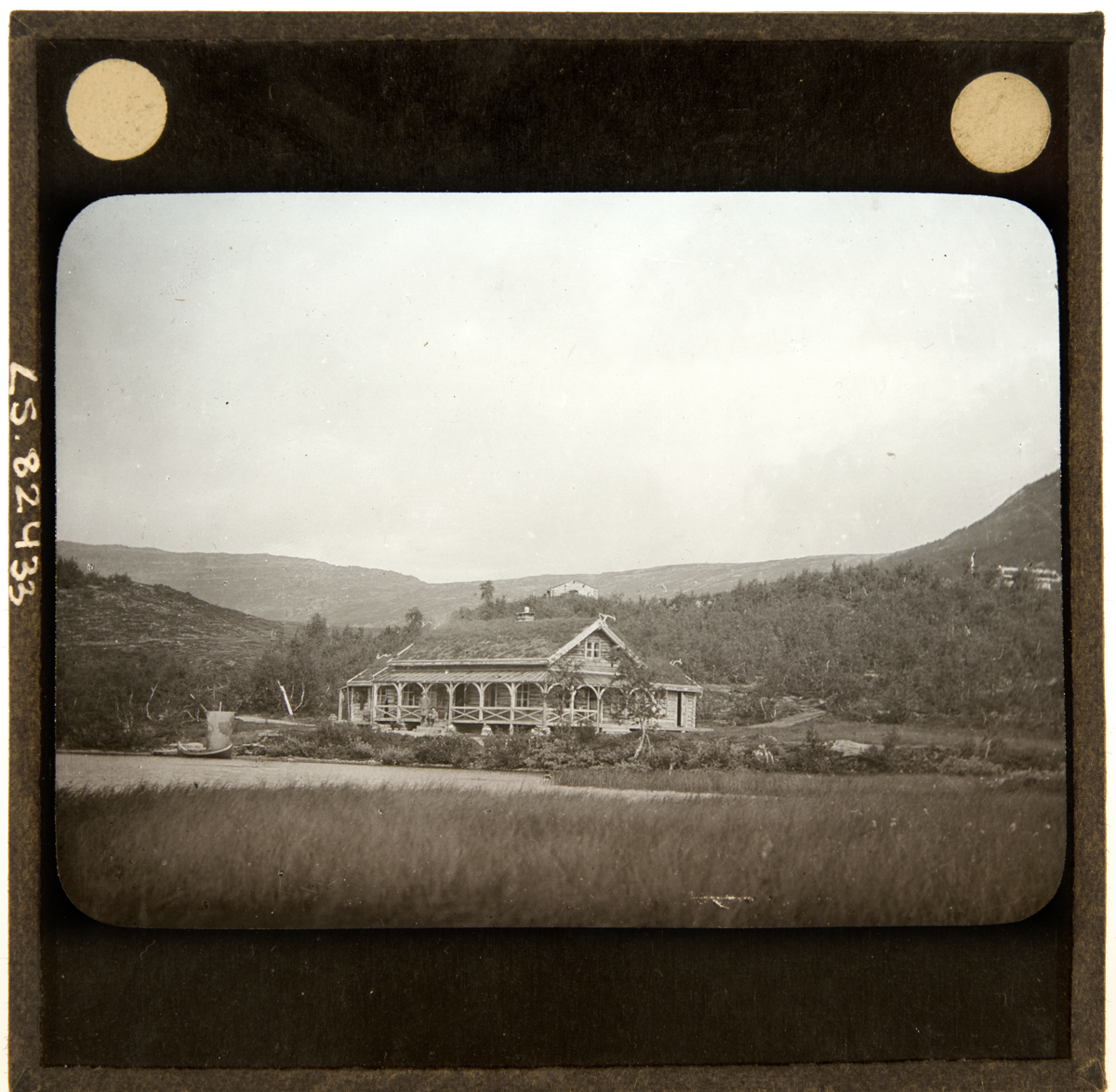
Building on the Banks of the Niger River
By William Henry Crosse
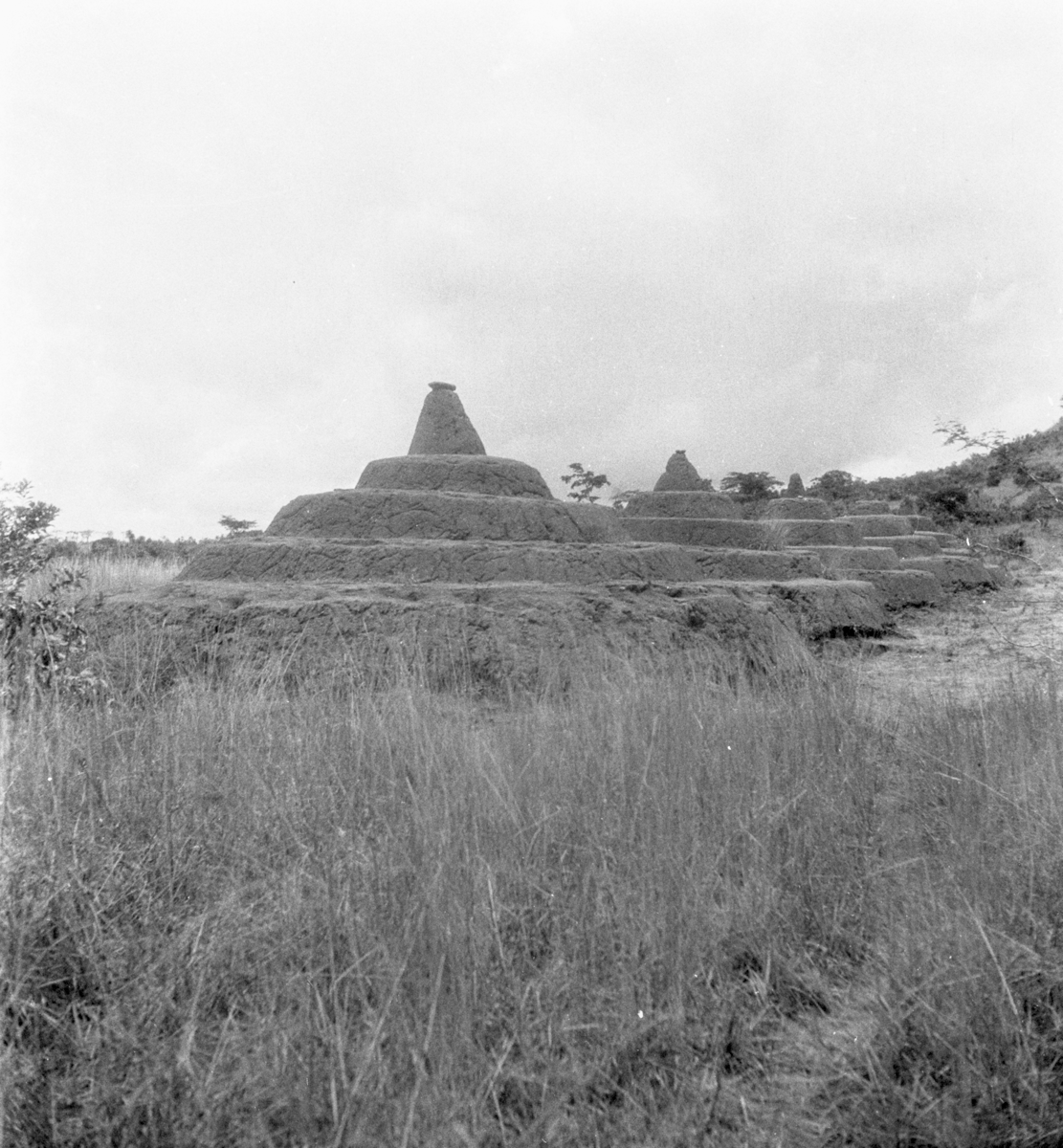
Pyramids at the Nsude Village Shrine, Abaja Igbo, Northern Igbo
By G.I. Jones
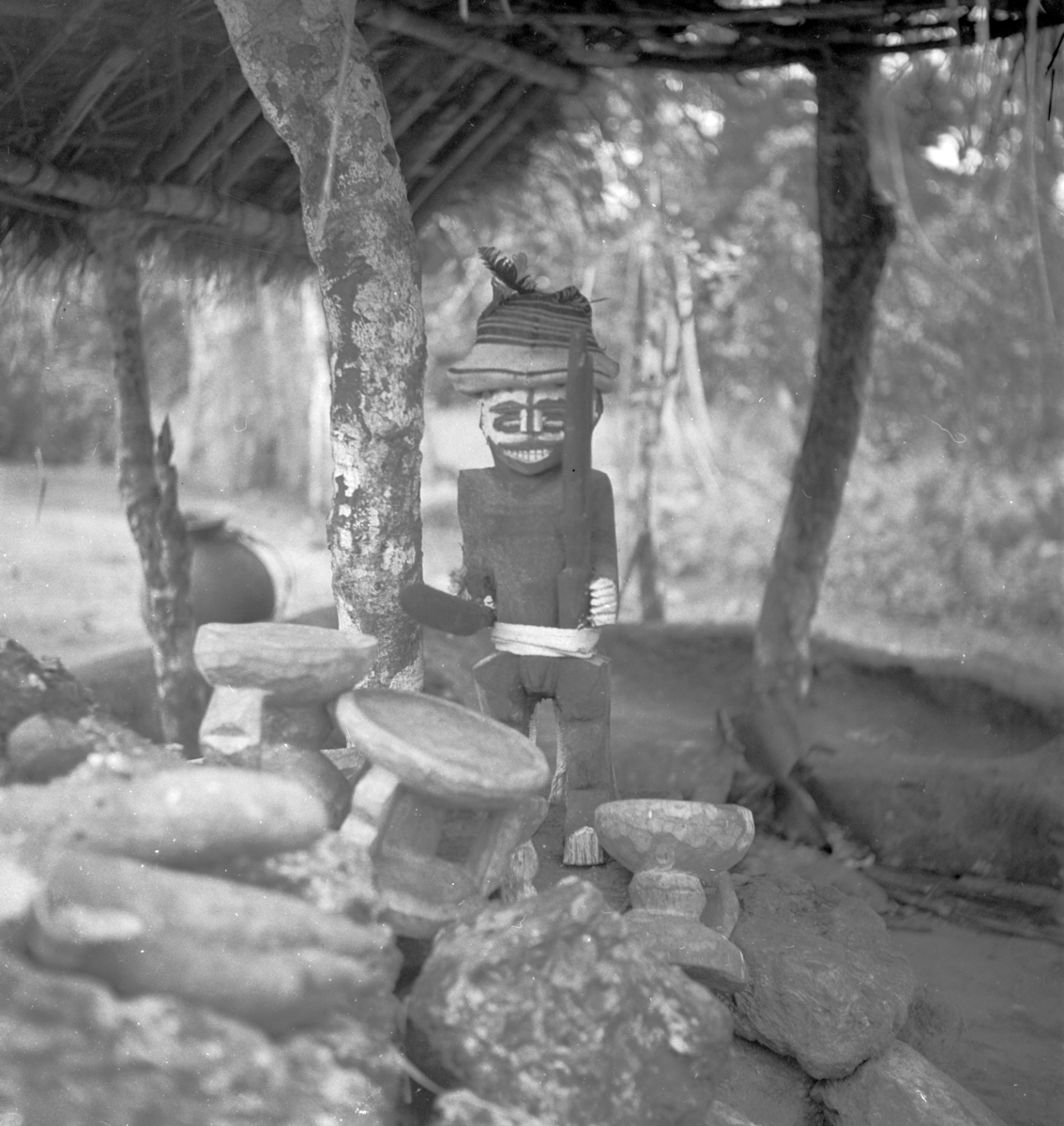
Alose Shrine Figure
By G.I. Jones
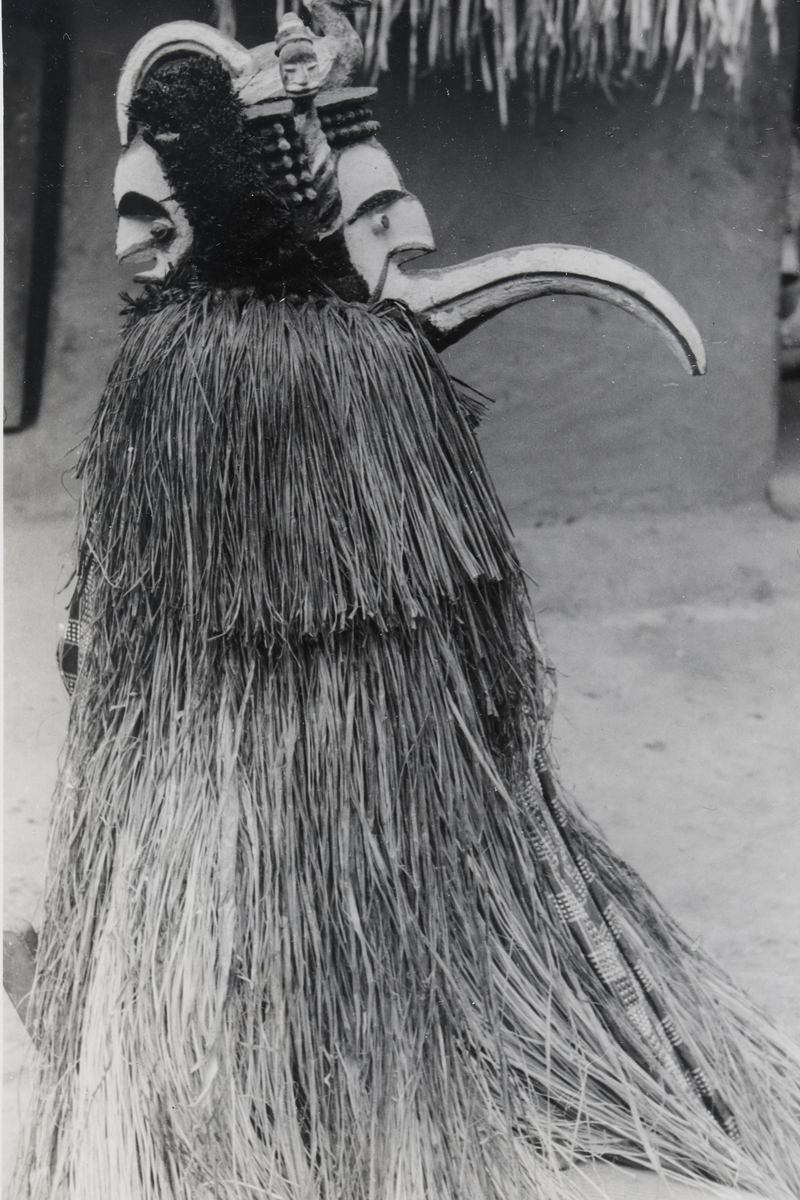
Oji Onu Masquerade with Janus-Faced Helmet Mask
By G.I. Jones
No comments yet. Be the first to share your thoughts!