
Kwà-àjáyámmá (Vocal Group, Agulu, 1911)
An audio recording of a women's dance song recorded by Northcote Thomas in Agulu, present-day Anambra State, Nigeria, in February 1911. The performance features Kwà-àjáyámmá, which consists of an onomatopoeic sound and chorused response to the melodic calls of a soloist. The wax cylinder recording exhibits low-fidelity sound with high-frequency hiss and noise.
Community Notes

Onyeka Nwokike
Apr 23, 2026
The audio quality is a result of the mechanical nature of the recording equipment available to Northcote Thomas. As detailed in the Ikenna Onwuegbuna archives, sound was captured via a horn that funneled waves onto a membrane and cutting needle rather than electronically through a microphone. This required the sound source to be positioned very close to the horn; consequently, while soloists singing directly into the horn recorded clearly, the chorus and instrumentalists positioned further away often failed to register well.
Onyeka Nwokike
Apr 23, 2026
The term Kwà-àjáyámmá refers to a non-lexical, onomatopoeic text used to describe the syncopated rhythmic movements of dancers. The song's thematic content, as described by the Musical returns and revivals project, focuses on innovations the group introduced after traveling to distant places, celebrated through dance and choral response.
Onyeka Nwokike
Apr 23, 2026
In 2019, ethnomusicologist Dr. Ikenna Onwuegbuna of the University of Nigeria, Nsukka, created a contemporary reworking of the recording to add vocal harmony and instrumental accompaniment. To adhere to traditional Igbo gender-based restrictions, he selected specific instruments—including the Álō (metal gong), Ùdù (pot drum), Ịchākā (beaded gourd rattles), Ọkpọkọlọ (wooden claves), Ōgénè (clapperless bells), and Ékwé (wooden slit-drum)—a process documented in Musical returns and revivals.
Log in to add context.
Explore Further
Discover related books and stories to deepen your understanding.

Anthropological Report On The Ibo-speaking Peoples Of Nigeria, Part 6 …
By Northcote Thomas

Anthropological Report on the Ibo-Speaking Peoples of Nigeria: Law and …
By Northcote Thomas

Anthropological Report on the Ibo-Speaking Peoples of Nigeria, Vol. 2: …
By Northcote Thomas

The Roots of the Igbos: Uncovering the Origins of Nigeria's …
By Vivian Chibuife

A Grammar of Contemporary Igbo: Constituents, Features and Processes
By E. Nolue Emenanjo

Ada/Umuada in Igbo Land Nigeria: Ada Igbo
By Okeke Vivian

The Igbo and their neighbours
By A. E. Afigbo
Igbo History and Society
By Toyin Falola

Igbo Worlds: An Anthology of Oral Histories and Historical Descriptions
By Elizabeth Allo Isichei
You May Also Like
Ugie Ewere Festival Song
By Northcote Thomas
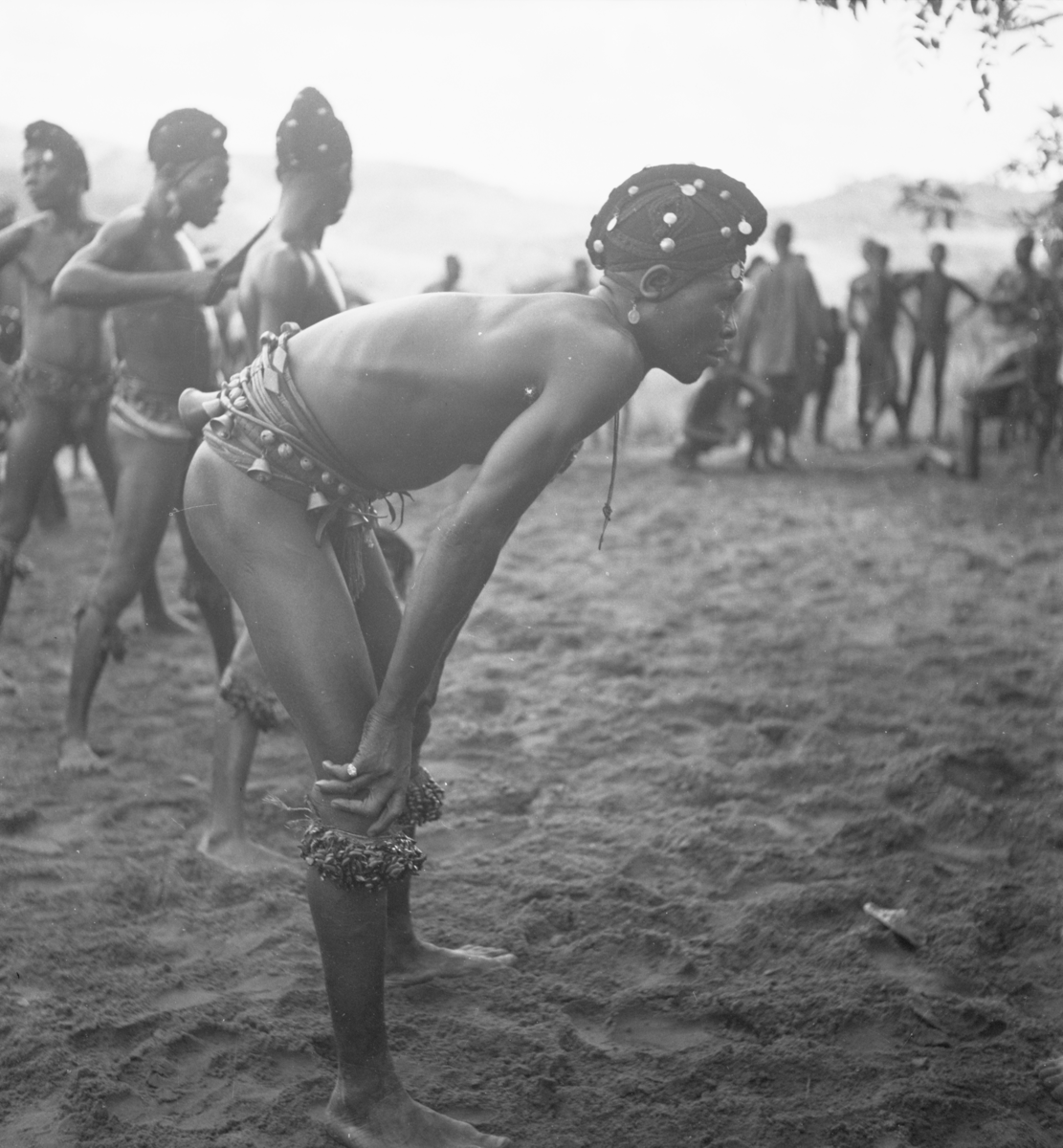
Boys' Initiation Dance in the Nri Akwa Area
By G.I. Jones
Landscape with Buildings and Trees along the Niger River
By William Henry Crosse
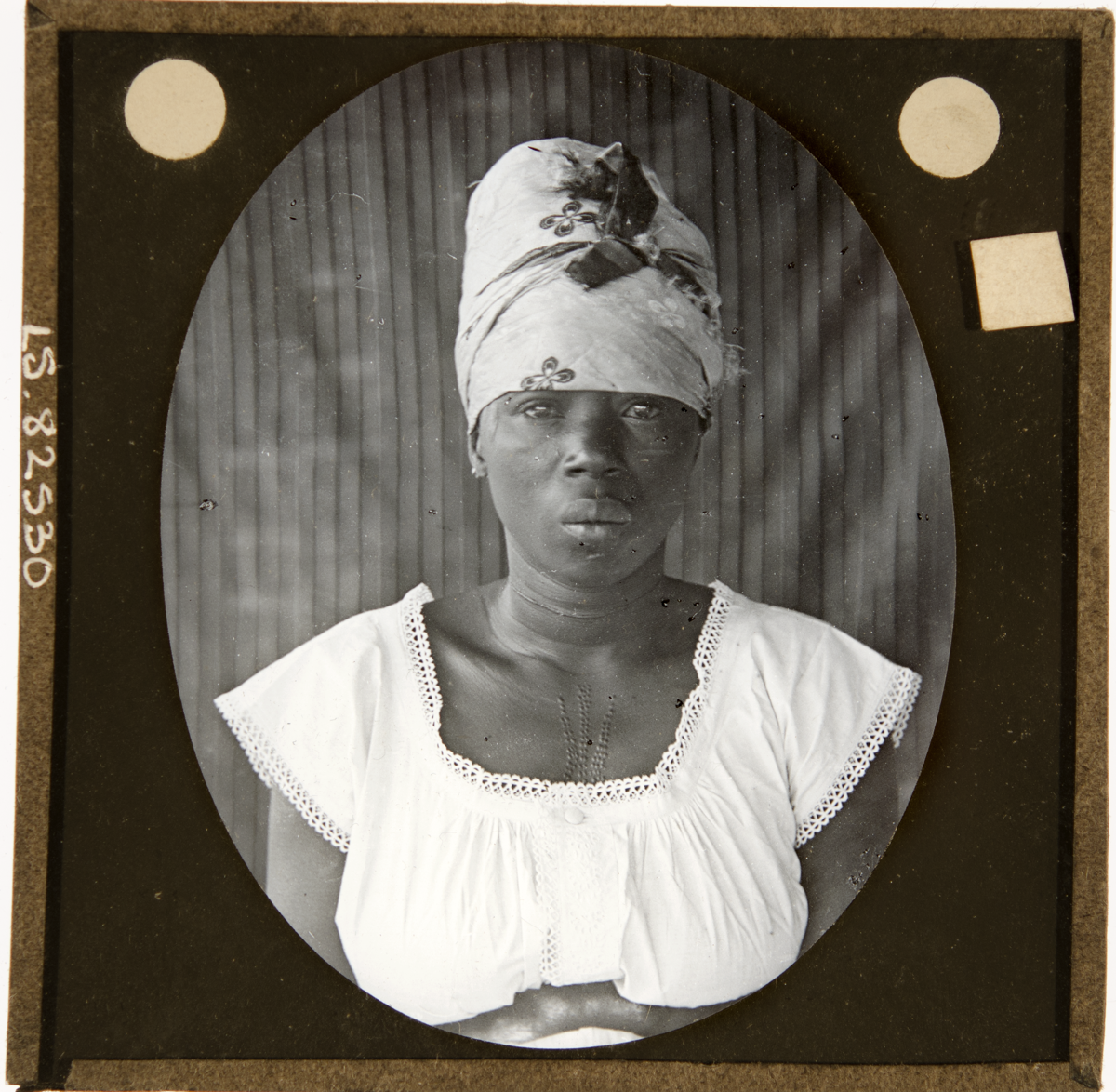
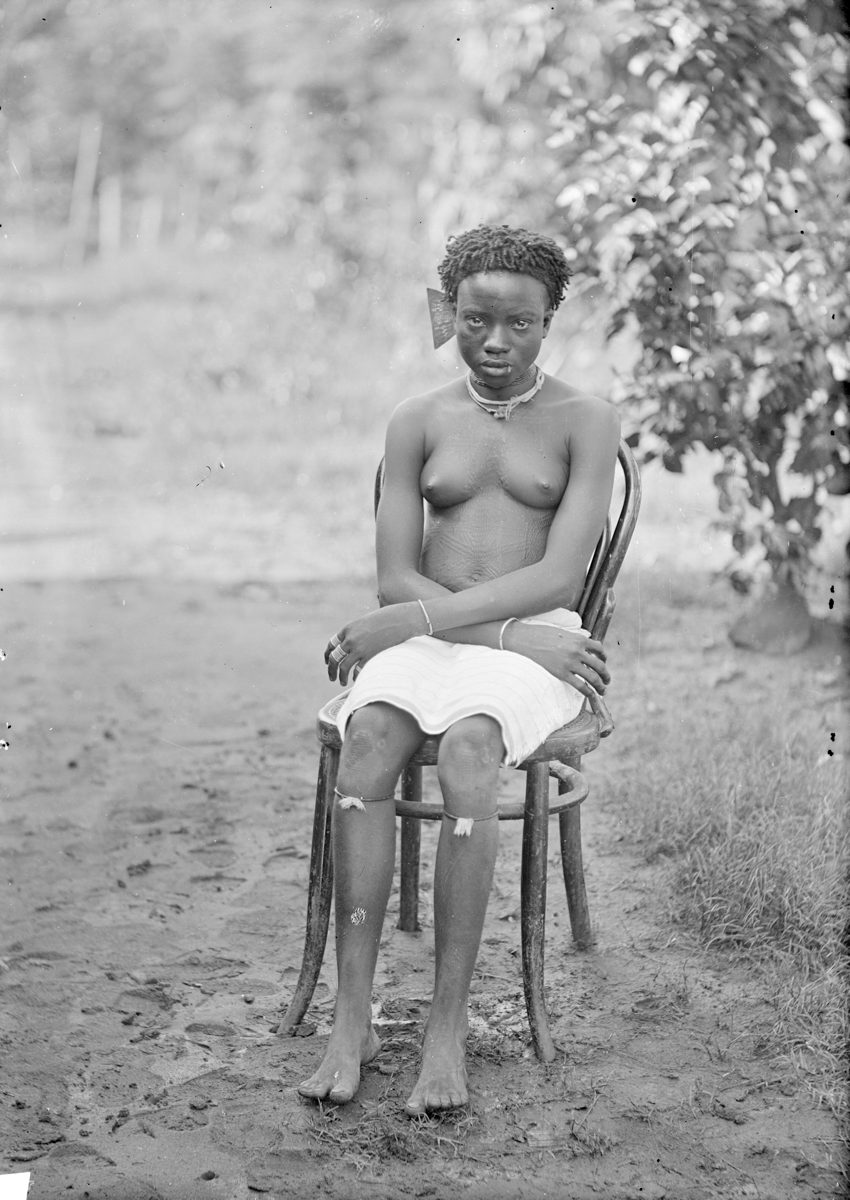
Portrait of an Igbo Woman
By William Henry Crosse
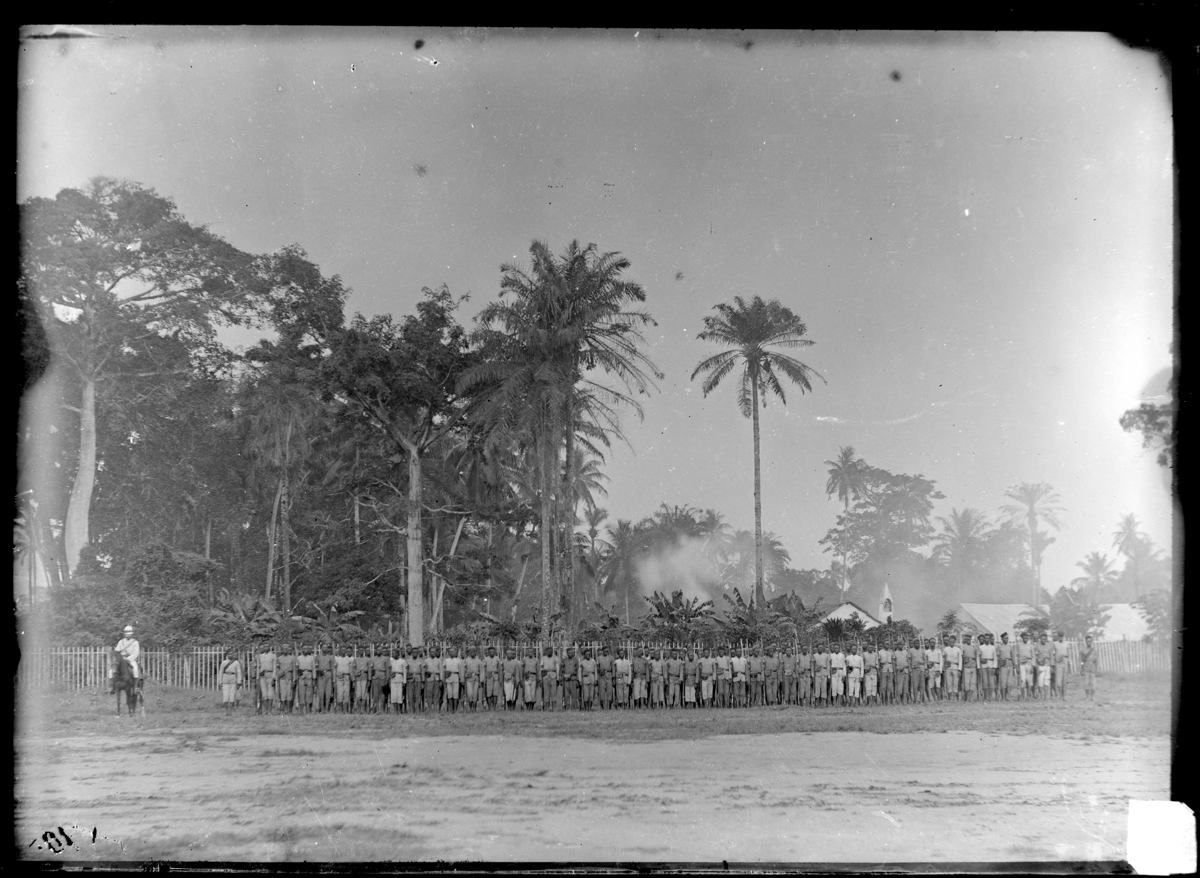
Royal Niger Company Soldiery
By William Henry Crosse
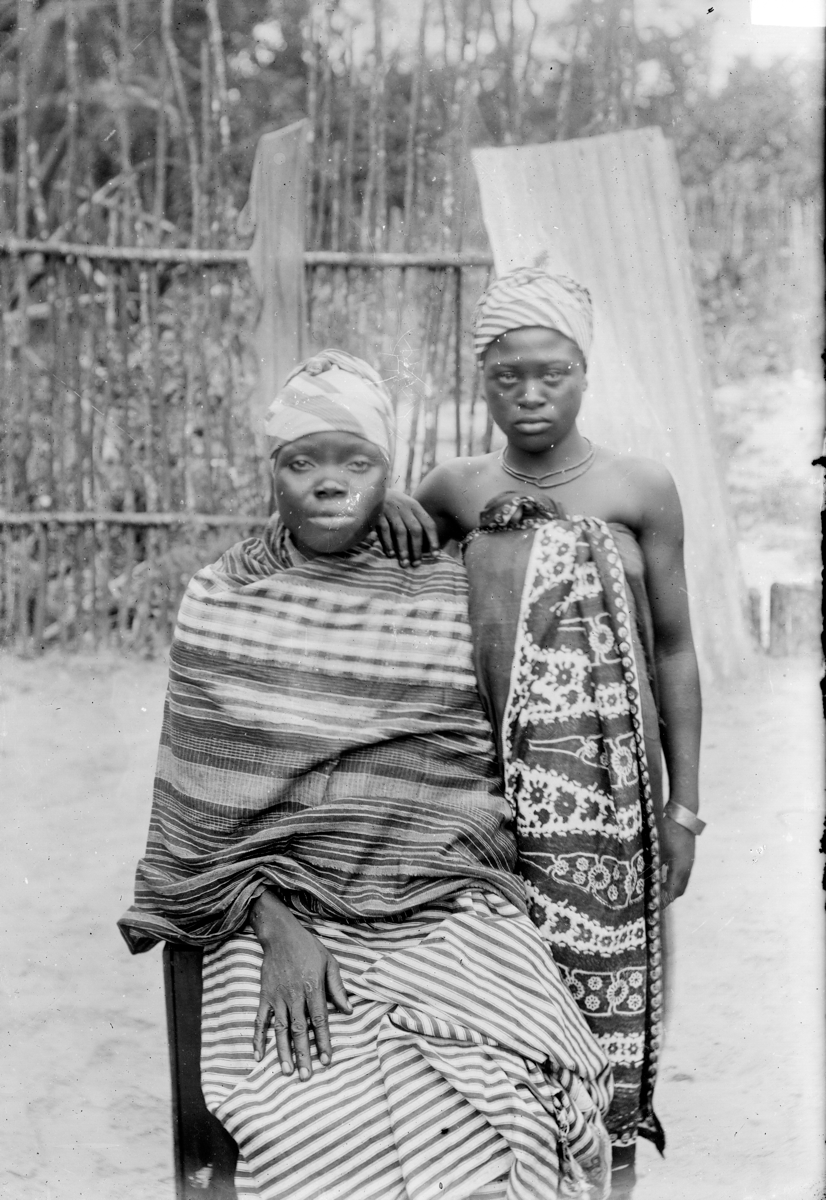
Portrait of Two Women
By William Henry Crosse
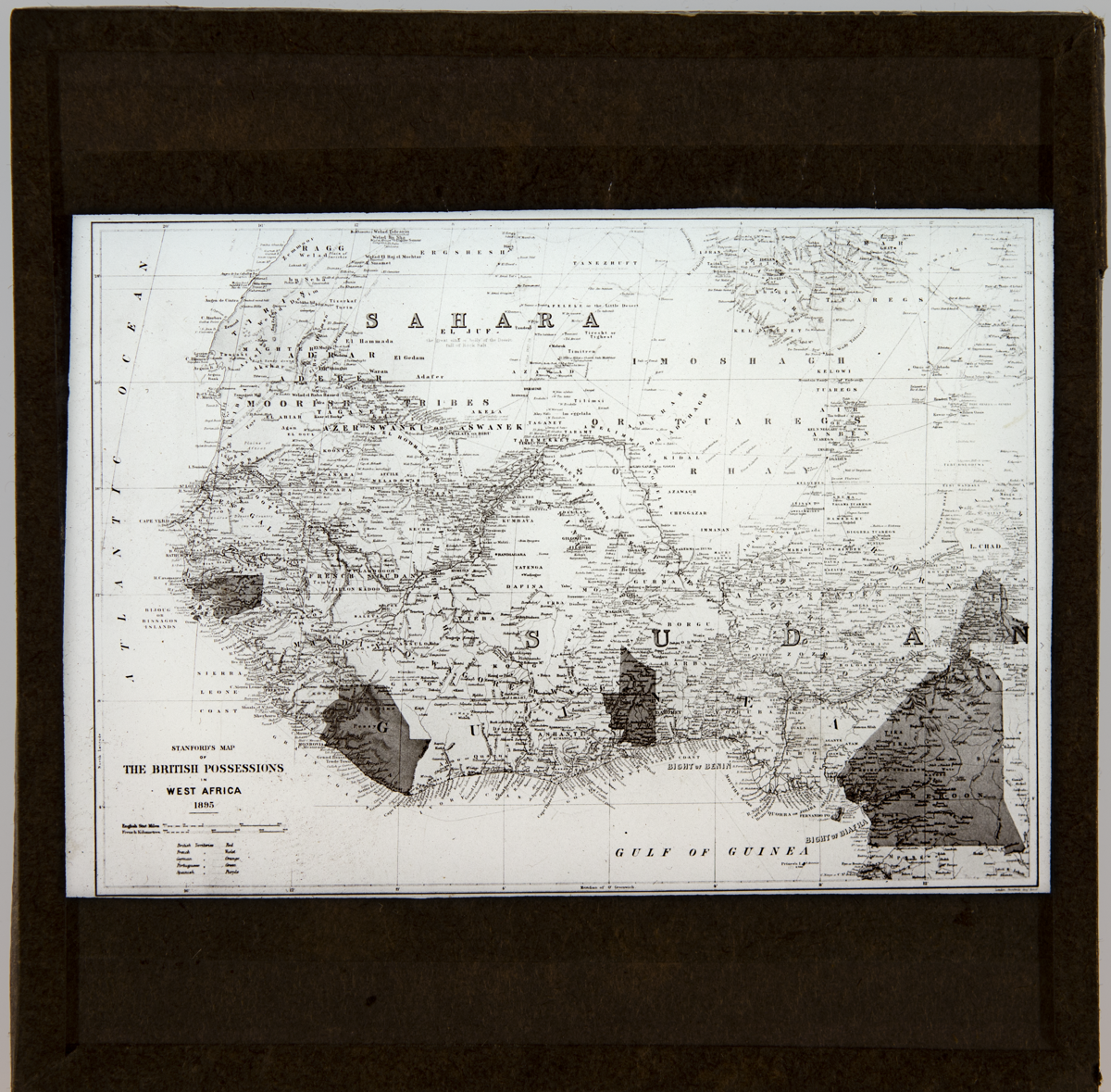
Stanford's Map of the British Possessions in West Africa 1895
By William Henry Crosse

G.I. Jones at Nsude Village Shrine Pyramid
By G.I. Jones
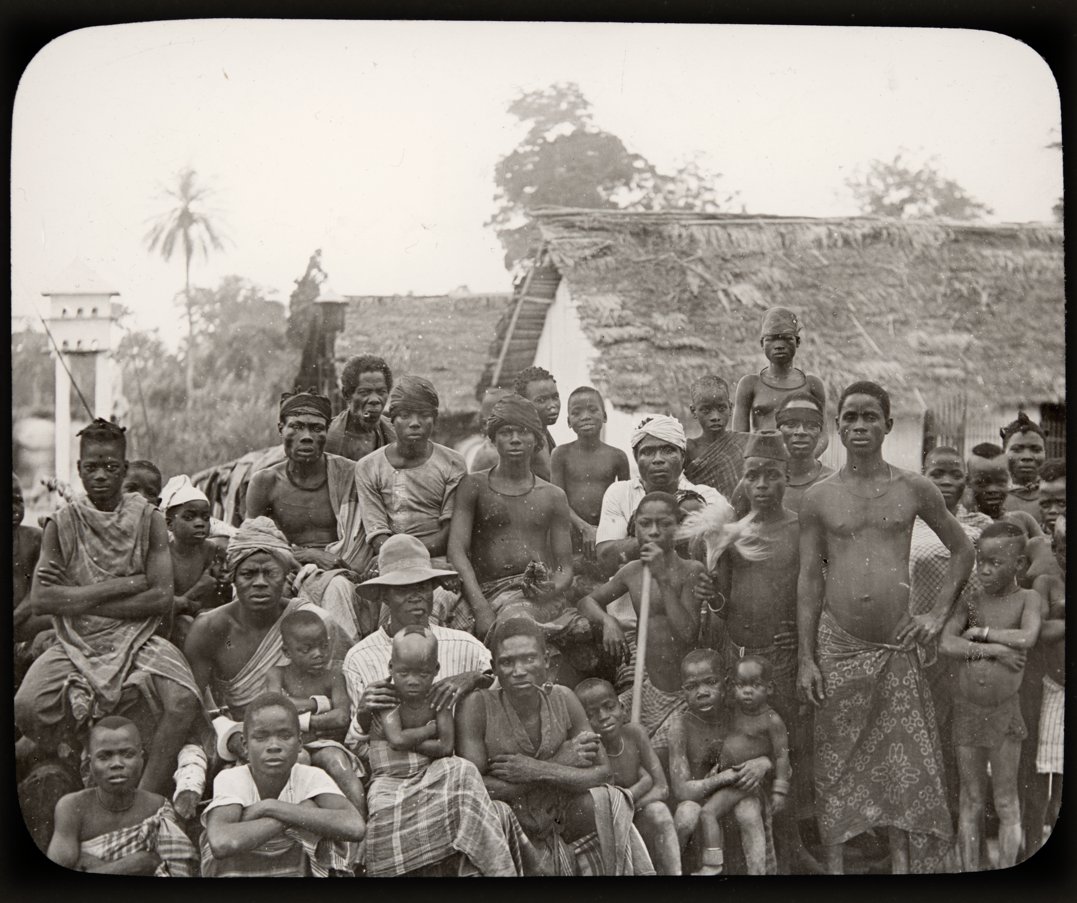
Group Portrait from Royal Niger Company
By William Henry Crosse
No comments yet. Be the first to share your thoughts!