
Two Ikenga Figures from Nri Awka Igbo
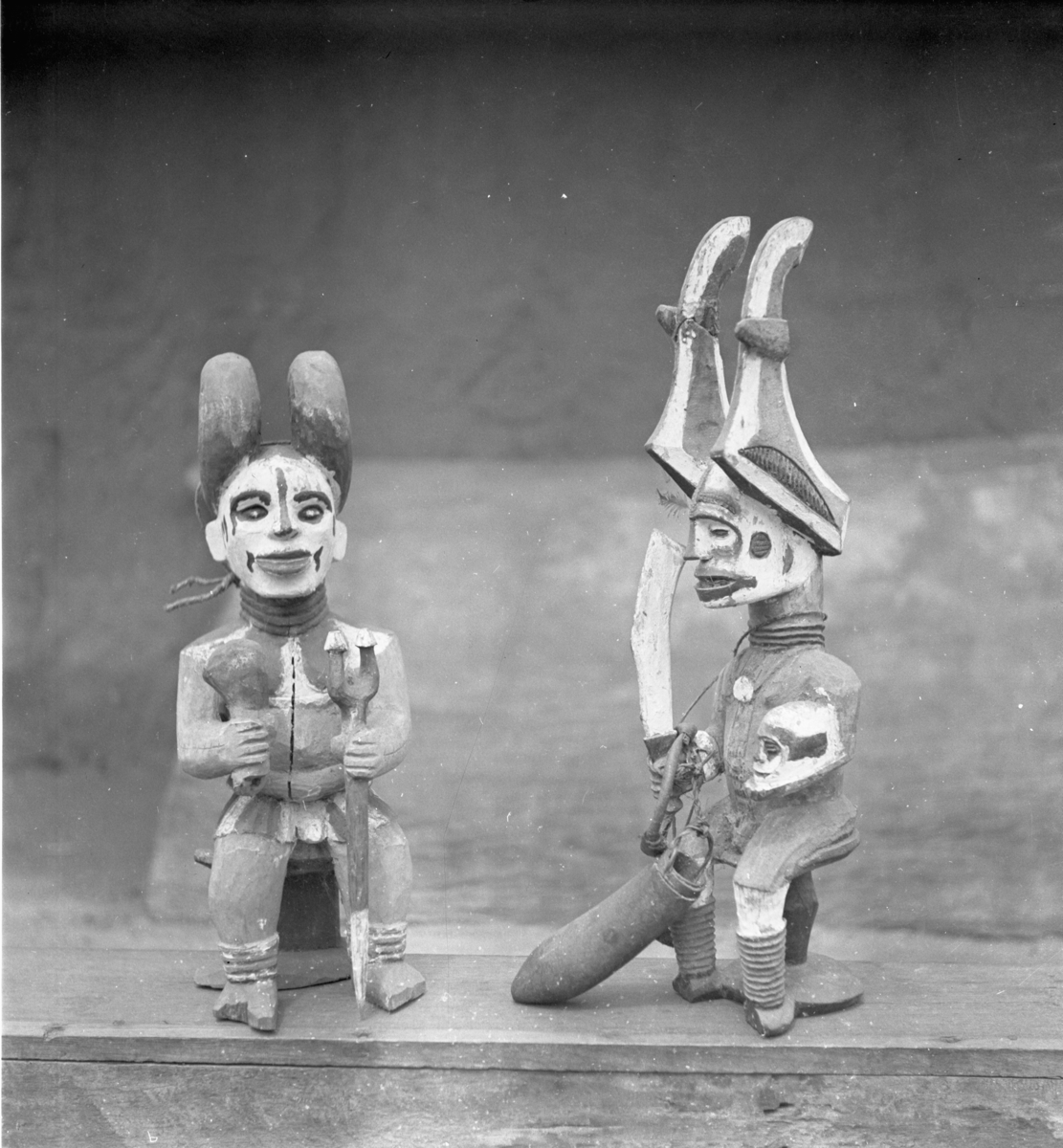
Two wooden Ikenga figures. The figure on the left is seated on a stool and is holding a staff in one hand and another object in the other. The figure has a stylised human face painted white with black markings accentuating the eyebrows, eyes, nose and mouth, the two horns are curled. The figure is sitting and around the neck are coiled rings, the torso is painted white and black and he is wearing a painted ruffled tunic, there are coils around the ankles. The figure on the right is also seated on a stool. The figure has a painted white face with distinctive markings for eyes, nose and mouth, there are etched markings on the side, and there are two pointed horns painted black and white. The figure is holding a head in one hand and a cutlass in the other (the head and cutlass are also painted white.) There is a gourd attached to the figure with a piece of twine. There are also coiled markings around the ankles.
Community Notes

Onyeka Nwokike
Apr 20, 2026
These figures relate to a Lower Niger tradition centering on a man's right arm and success shared by the Edo, Igala, and most Igbo groups, according to the Museum of Archaeology and Anthropology, Cambridge.
Onyeka Nwokike
Apr 20, 2026
Nri-Akwa carvers produced the region's most elaborate Ikenga objects, transitioning from earlier designs of horns and heads smoking pipes to the complete seated figures seen here, per the Museum of Archaeology and Anthropology, Cambridge.
Onyeka Nwokike
Apr 20, 2026
These images functioned as representatives for age-grades, communities, and corporate tutelary cults, as well as within the shrines of individual diviners, as documented by the Museum of Archaeology and Anthropology, Cambridge.
Log in to add context.
Explore Further
Discover related books and stories to deepen your understanding.

The Thing Around Your Neck
By Chimamanda Ngozi Adichie

DIRT ON WHITE SPECTRUM: Myths, Travails and Legacies of Eze …
By Chukwuemeka Ifeanacho Onyesoh

Igbo Arts: Community and Cosmos
By Herbert M. Cole and Chike G. Aniakor

IKENGA QUEST: One Man's Quest for His African Heritage
By Gerald Oluchi Ibe

Politics, Culture, and Origins in Nigeria: The Igbo and Their …
By Nwankwo Nwaezeigwe

Nri Warriors of Peace
By Chikodi Añunobi

On Black Sisters' Street
By Chika Unigwe

Ora-eri Nnokwa & Nri dynasty
By Charles M Ezekwugo

Mbari: Art and the Life Among the Owerri Igbo
By Herbert M. Cole
Aba and British Rule
By Dandy Ahuruonye
You May Also Like
Dancing Initiation Masks, Boys Initiation
By G.I. Jones
An Ekpe Masquerader in Uzuakoli
By G.I. Jones
Figure of Chief North Ika
By G.I. Jones
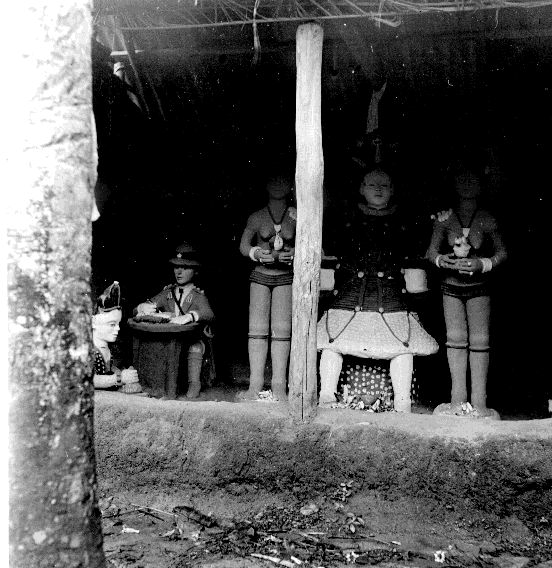
Mud Figures of Chief, Attendants, and Commissioner of Police
By G.I. Jones
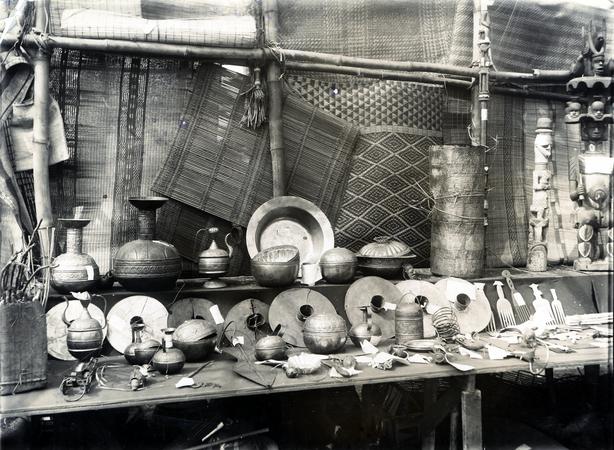
Exhibition Stall of Local Produce
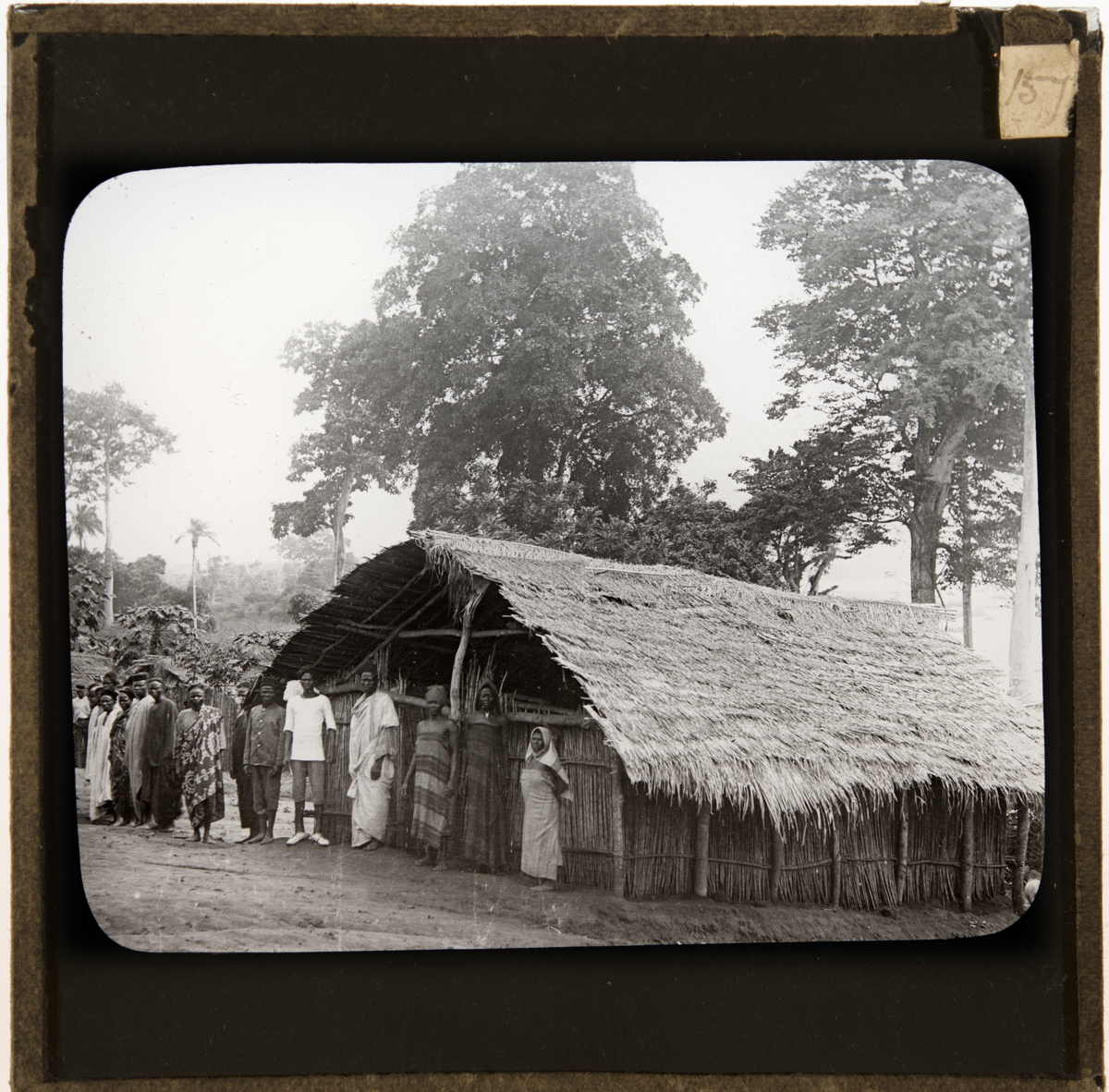
Group Portrait from Royal Niger Company
By William Henry Crosse
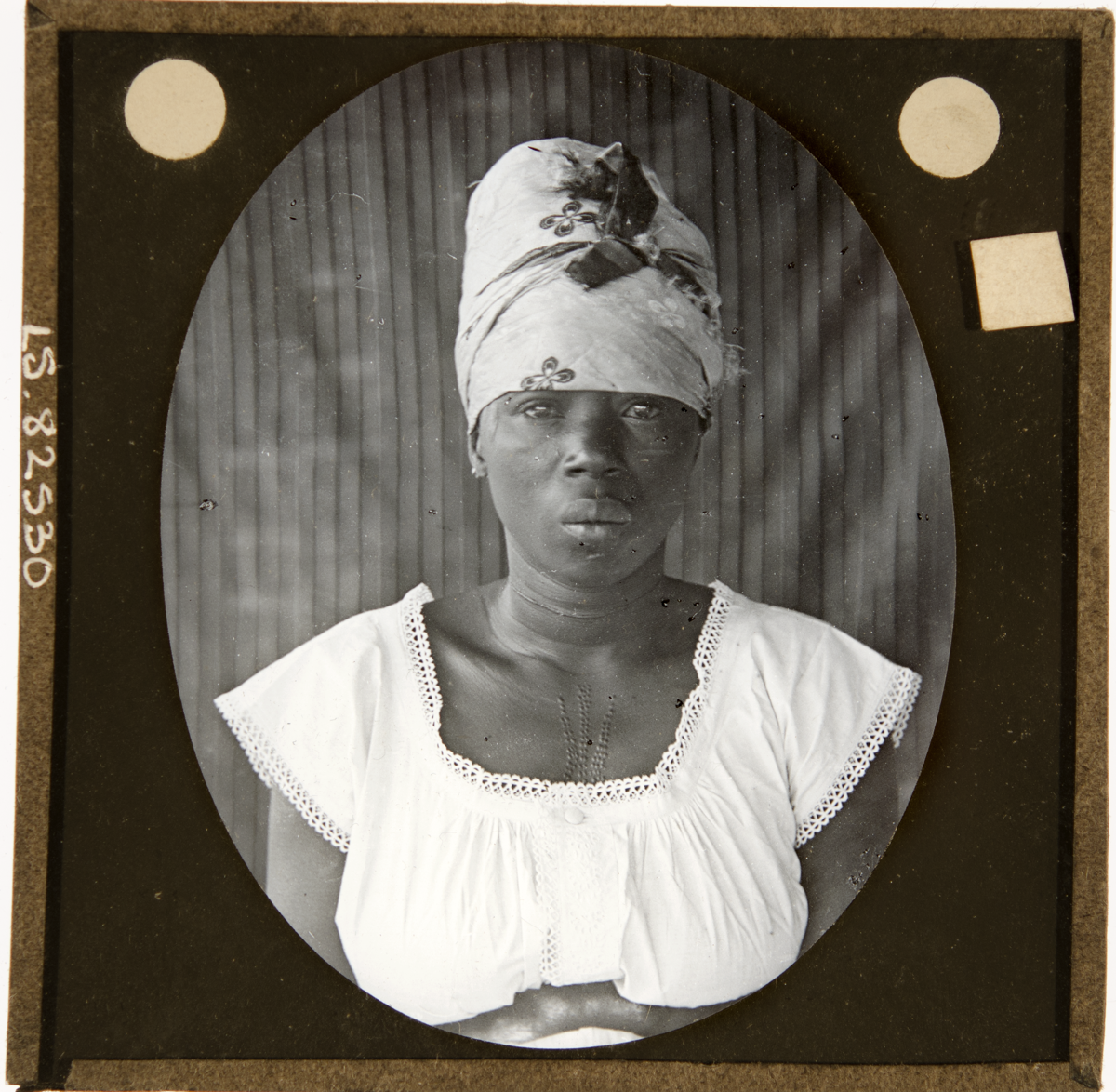
Portrait of an Igbo Woman
By William Henry Crosse
Ogbugulu Mau Masquerader Performing in Amuda Village
By G.I. Jones
Oji Onu Masquerade with Janus-Faced Helmet Mask
By G.I. Jones
No comments yet. Be the first to share your thoughts!