
Politics, Culture, and Origins in Nigeria: The Igbo and Their Nri Neighbours
by Nwankwo Nwaezeigwe

Book Author / Creator
A Controversial Paradigm Shift
In Politics, Culture, and Origins in Nigeria: The Igbo and Their Nri Neighbours, historian Nwankwo T. Nwaezeigwe delivers a provocative and revisionist thesis that challenges the established orthodoxy of Igbo history. For decades, the dominant narrative (popularized by colonial ethnographers and some indigenous scholars) has been that Nri is the 'cradle' and spiritual heart of the Igbo nation. Nwaezeigwe argues the opposite: that the Nri were actually a distinct, non-Igbo group of migrants—likely of Igala origin from Idah—who arrived relatively recently (around the 16th century) and imposed their cultural hegemony on the indigenous Igbo populations.
Deconstructing the Nri Myth
The book meticulously dissects the 'Nri Hegemony' theory. Nwaezeigwe posits that before the arrival of the Nri, the autochthonous Igbo people already possessed a distinct culture and identity. He argues that the Nri introduced a theocratic system of control (through title-taking and ritual cleansing) that was essentially imperialistic. The author uses linguistic analysis, oral traditions, and comparative ethnography to suggest that the Nri influence was an external overlay rather than an organic Igbo development. He challenges the validity of the Nri origin myths that claim they descended from the sky or from Israel.
Political Implications
Nwaezeigwe does not shy away from the political dimensions of history. He suggests that the elevation of Nri history was partly a colonial construct used to create a centralized authority where none existed, facilitating British rule. The book explores the friction between the 'Umunri' (descendants of Nri) and their neighbors, analyzing how these historical power dynamics continue to play out in modern Nigerian politics. He argues for a 'de-Nri-fication' of Igbo history to uncover the true, republican roots of the Igbo people.
Rigorous Scholarship
Despite its controversial stance, the book is a work of serious scholarship. Nwaezeigwe draws on extensive fieldwork and archival research. Whether one agrees with his conclusions or not, the book forces a re-evaluation of the sources of Igbo history. It is a critical text for advanced students and historians, sparking necessary debate about migration, identity, and the manufacturing of tradition in Southeastern Nigeria.


You May Also Like
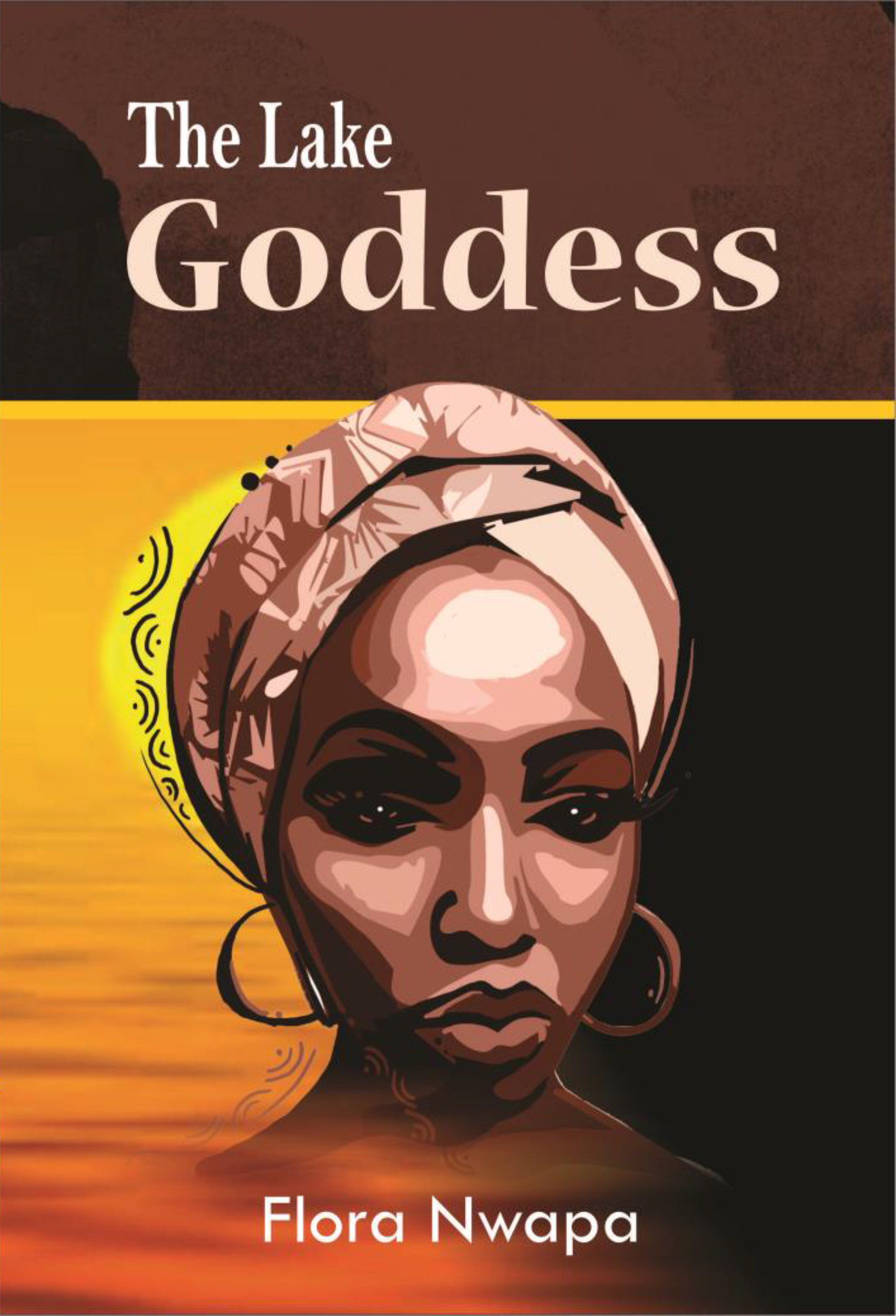
Lake Goddess
By Flora Nwapa
Dear Ijeawele, or A Feminist Manifesto in Fifteen Suggestions
By Chimamanda Ngozi Adichie
Toads for Supper
By Vincent Chukwuemeka Ike

Juo Obinna
By Tony Uchenna Ubesie
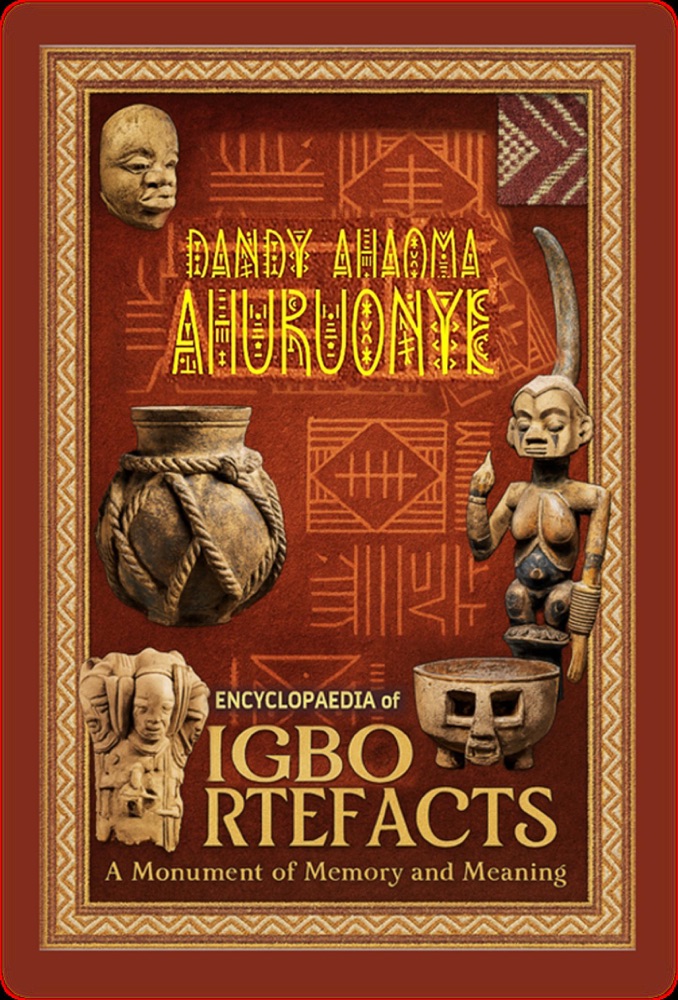
Encyclopaedia of Igbo Artefacts
By Dandy Ahaoma Ahuruonye
Binti
By Nnedi Okorafor
Sanctificum
By Christopher Abani
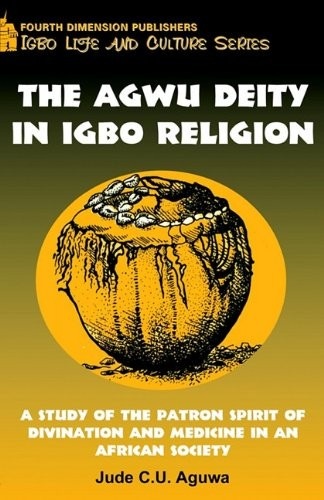
The Agwu deity in Igbo religion
By Jude C. U. Aguwa
Political Organization in Nigeria Since the Late Stone Age
By John Oriji