

The Asaba Massacre: Trauma, Memory, and the Nigerian Civil War
by S. Elizabeth Bird and Fraser M. Ottanelli

Book Author / Creator
Breaking the Silence
The Asaba Massacre: Trauma, Memory, and the Nigerian Civil War is a harrowing and groundbreaking investigation into one of the darkest chapters of the Nigerian Civil War (1967-1970). For decades, the mass killing of civilians in the Niger River town of Asaba on October 7, 1967, was shrouded in official denial and forced silence. Authors S. Elizabeth Bird (an anthropologist) and Fraser M. Ottanelli (a historian) spent years conducting interviews with survivors, collecting oral histories, and scouring archival documents to reconstruct the events of that fateful week. This book is the definitive scholarly account of the tragedy, moving it from the realm of rumor to documented historical fact.
The Ogbe-Osowa Tragedy
The book details the specific mechanics of the massacre. It recounts how Federal troops, having reclaimed the town from Biafran forces, ordered the civilians to gather to pledge their loyalty to 'One Nigeria.' The authors describe the deceptive calm as men and boys, dressed in the ceremonial white akwa ocha attire, marched to the village square (Ogbe-Osowa) dancing and singing, only to be separated from the women and systematically gunned down by machine gun fire. The text estimates that upwards of 700 men and boys were killed in this single event, with many more dying in the surrounding days. The narrative is grueling but necessary, providing names to the faceless victims and validating the trauma of the survivors.
Women as the Keepers of Memory
A significant portion of the book focuses on the aftermath and the role of women. With the male population decimated, the women of Asaba were left to bury the dead (often in mass graves), rebuild their homes, and raise a generation of fatherless children. Bird and Ottanelli highlight the resilience of these women, who became the keepers of the community's memory. The authors explore the concept of 'communal trauma' and how the massacre reshaped the identity of Asaba, creating a deep seated distrust of the federal government that persists to this day.
The Politics of Memory
Beyond the event itself, the book analyzes the 'politics of memory.' It investigates why this particular atrocity was ignored by the international community and suppressed by the Nigerian state for so long. The authors discuss the struggle for official recognition and the belated efforts to build a memorial. They situate the Asaba Massacre within the broader context of genocide studies, arguing that the targeting of the Asaba males was a calculated attempt to destroy the community's future. It is a powerful work of historical recovery that challenges the 'No Victor, No Vanquished' narrative of the war.


You May Also Like
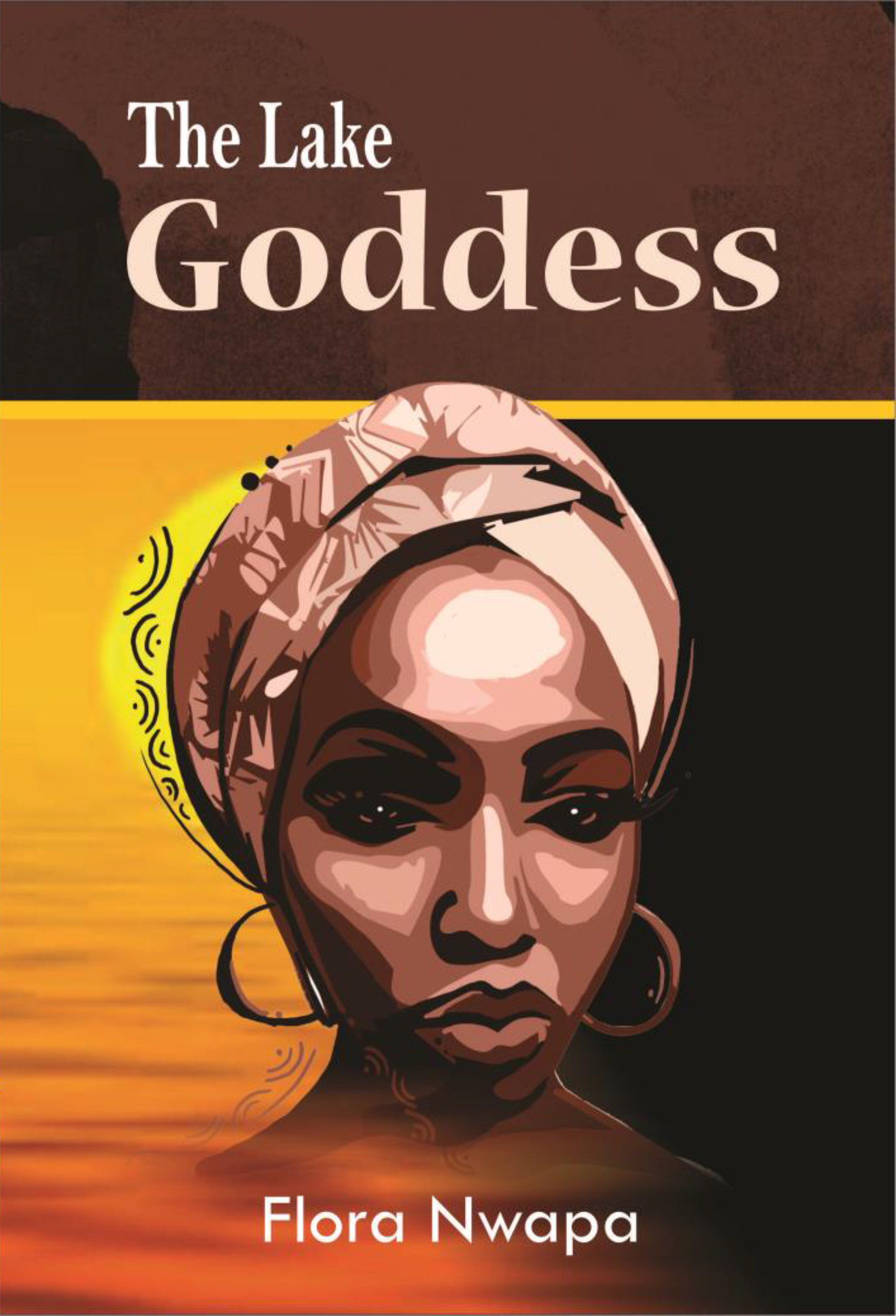
Lake Goddess
By Flora Nwapa
Dear Ijeawele, or A Feminist Manifesto in Fifteen Suggestions
By Chimamanda Ngozi Adichie
Toads for Supper
By Vincent Chukwuemeka Ike

Juo Obinna
By Tony Uchenna Ubesie
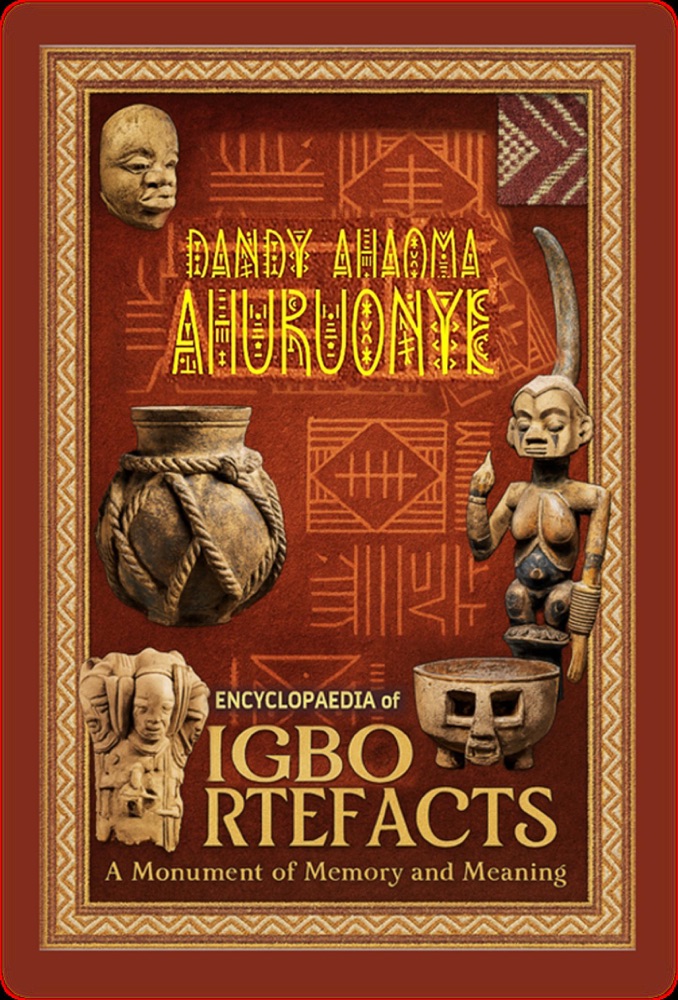
Encyclopaedia of Igbo Artefacts
By Dandy Ahaoma Ahuruonye

Binti
By Nnedi Okorafor
Sanctificum
By Christopher Abani
The Agwu deity in Igbo religion
By Jude C. U. Aguwa
Political Organization in Nigeria Since the Late Stone Age
By John Oriji