
THE DIBIA: Guardians of Ancient Wisdom and Healing in Igbo Culture
by Solomon Joe

Book Author / Creator
Demystifying the Sacred Healer
In THE DIBIA: Guardians of Ancient Wisdom and Healing in Igbo Culture, Solomon Joe attempts to rehabilitate the image of the Dibia, which has been severely maligned by colonial literature and modern religious zealotry. The book posits that the Dibia was not a 'witch doctor' dealing in dark arts, but the functional equivalent of a doctor, pharmacist, judge, and priest rolled into one. Joe explores the etymology of the word (often linked to 'Di' meaning master/husband and 'Ubia' meaning knowledge/wisdom), presenting the Dibia as the custodian of the community's physical and spiritual health.
Classes and Specializations
The text breaks down the various specializations within the profession. It distinguishes between the Dibia Afa (the diviner), who uses tools like the 'okwe' seeds to diagnose the spiritual root of a problem, and the Dibia Ogwu (the herbalist), who specializes in the pharmacological use of roots, leaves, and barks. The author likely touches on other specialists like the rain-makers and the bone-setters. By categorizing these roles, the book illustrates the complexity and specialization inherent in traditional Igbo medicine, showing that it was a structured profession with its own ethics and referral systems.
The Training and Initiation
A key focus is the rigorous apprenticeship required to become a Dibia. The book describes the 'Itu Anya' (opening of the eyes) ceremony, a ritual initiation that grants the novice the spiritual sight necessary to communicate with the spirit world (Agwu). Joe explains that this training could take decades, involving the memorization of thousands of plant species, proverbs, and incantations. This section emphasizes that being a Dibia was not a job for charlatans but for the most intellectually and spiritually gifted members of the society.
Relevance in the Modern World
Solomon Joe addresses the contemporary relevance of the Dibia. He argues that despite the prevalence of Western medicine, many Igbos still consult traditional healers for ailments that defy scientific explanation (often termed 'spiritual attacks'). The book serves as a bridge for the modern generation, explaining the logic behind the rituals and urging a respect for this ancient wisdom tradition before it is completely lost to globalization.


You May Also Like
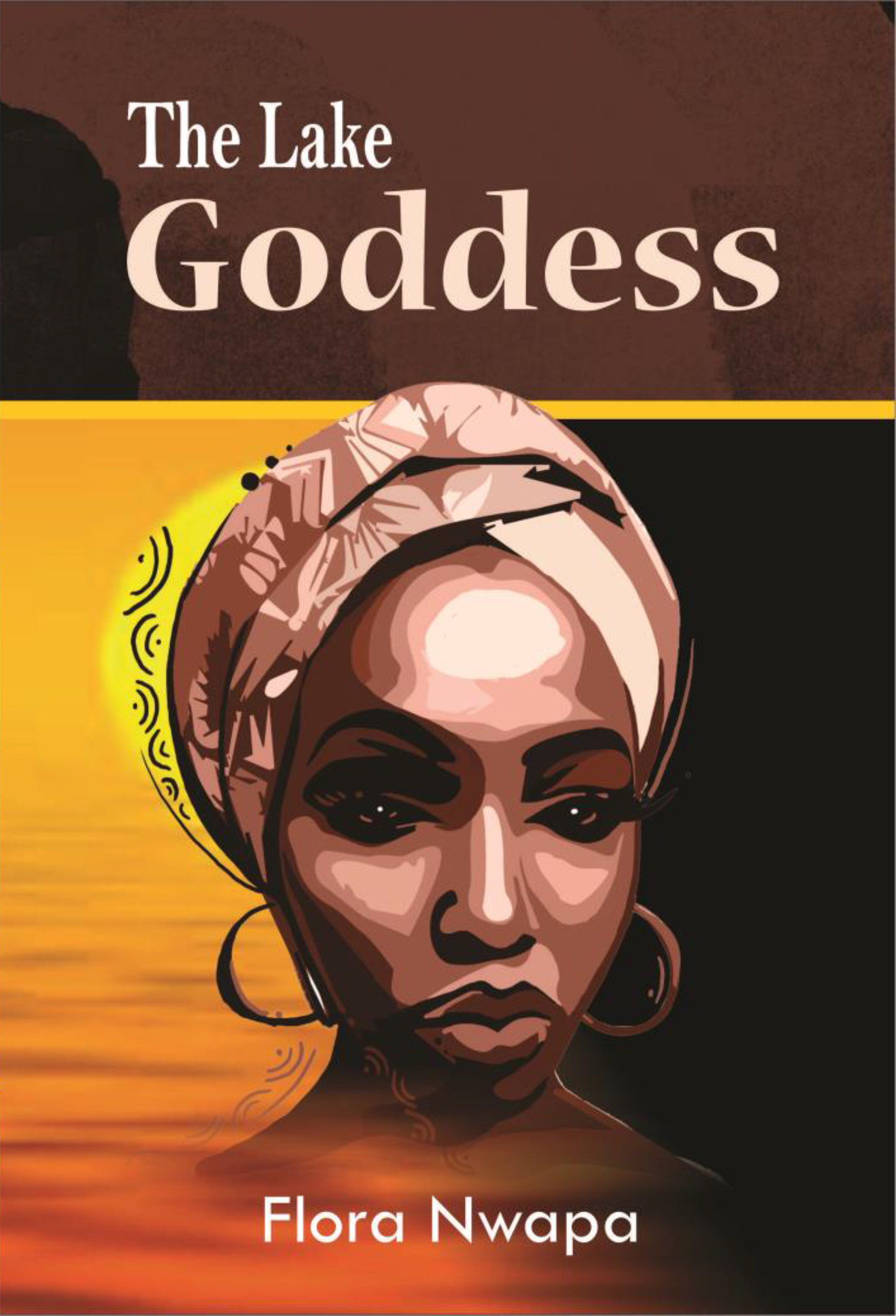
Lake Goddess
By Flora Nwapa
Dear Ijeawele, or A Feminist Manifesto in Fifteen Suggestions
By Chimamanda Ngozi Adichie
Toads for Supper
By Vincent Chukwuemeka Ike

Juo Obinna
By Tony Uchenna Ubesie
Encyclopaedia of Igbo Artefacts
By Dandy Ahaoma Ahuruonye
Binti
By Nnedi Okorafor
Sanctificum
By Christopher Abani
The Agwu deity in Igbo religion
By Jude C. U. Aguwa
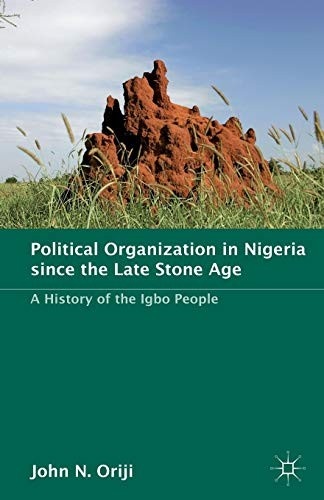
Political Organization in Nigeria Since the Late Stone Age
By John Oriji