

The Igbo of Southeast Nigeria
by Victor C. Uchendu

Book Author / Creator
The World as a Marketplace
The Igbo of Southeast Nigeria by Victor C. Uchendu is widely considered the 'Bible' of Igbo cultural anthropology. Published in 1965 as part of the 'Case Studies in Cultural Anthropology' series, it was one of the first comprehensive ethnographies of the Igbo written by an Igbo scholar. Uchendu introduces the famous metaphor that 'the Igbo world is a marketplace'—a dynamic sphere of bargaining, reciprocity, and negotiation. He argues that in Igbo cosmology, nothing is absolute; everything, including status and even relationships with the gods, is subject to negotiation and manipulation.
Receptivity to Change
A central theme of Uchendu's work is the explanation of the Igbo 'receptivity to change.' He analyzes why the Igbo embraced Western education, Christianity, and economic modernization more rapidly than almost any other group in colonial Africa. He attributes this not to a lack of culture, but to the inherent flexibility of Igbo culture itself. He describes a society that values achievement over ascription—where a man is judged by what he achieves (his 'handwork'), not who his father was. This meritocratic ethos allowed the Igbo to adapt seamlessly to the new opportunities offered by the colonial economy.
Transparency and Egalitarianism
Uchendu details the 'republican' nature of Igbo political organization. He explains the concept of 'Igbo enwe eze' (the Igbo have no king), describing a system of direct democracy where decisions were made by consensus in the village square. The book explores the checks and balances provided by the age grades, the secret societies, and the Umuada. He emphasizes the value placed on transparency and the hatred of autocratic rule, traits that define Igbo political behavior to this day.
The Concept of the Good Life
The book also outlines the Igbo philosophical goal of 'the good life,' which involves reaching a ripe old age, having many children, acquiring wealth and titles, and dying a 'good death' to join the ancestors. Uchendu explains how this drive for status creates a highly competitive but community-oriented society. *The Igbo of Southeast Nigeria* remains a concise, lucid, and essential text for understanding the core psychological and social drivers of the Igbo people.


You May Also Like
Lake Goddess
By Flora Nwapa
Dear Ijeawele, or A Feminist Manifesto in Fifteen Suggestions
By Chimamanda Ngozi Adichie
Toads for Supper
By Vincent Chukwuemeka Ike

Juo Obinna
By Tony Uchenna Ubesie
Encyclopaedia of Igbo Artefacts
By Dandy Ahaoma Ahuruonye
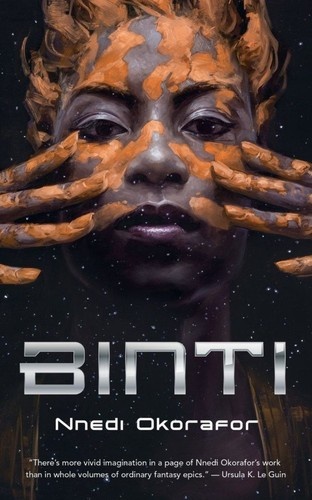
Binti
By Nnedi Okorafor
Sanctificum
By Christopher Abani
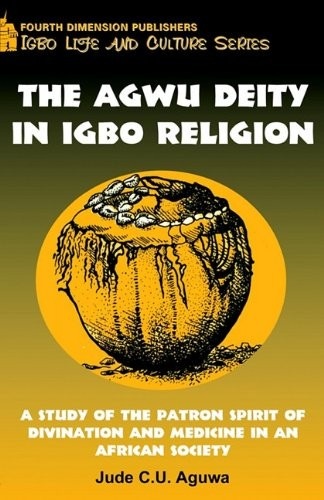
The Agwu deity in Igbo religion
By Jude C. U. Aguwa
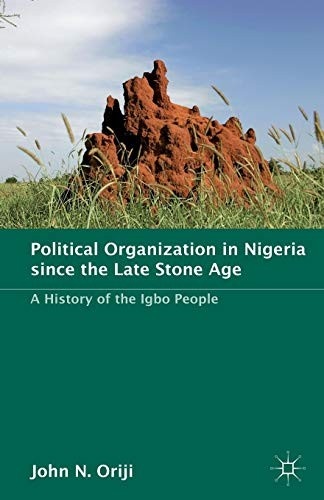
Political Organization in Nigeria Since the Late Stone Age
By John Oriji