

Nri Warriors of Peace
by Chikodi Añunobi

Book Author / Creator
A Tale of the Holy City
Nri Warriors of Peace by Chikodi Añunobi is a historical novel set in the 11th century, a golden age of the Nri Kingdom—the cradle of Igbo civilization. The book brings to life the ancient theocracy that influenced a vast area of what is now southeastern Nigeria, not through military conquest, but through spiritual authority and the promotion of peace. Añunobi, a descendant of the Nri lineage, weaves a narrative that is both an engaging story and a detailed reconstruction of pre-colonial Igbo society, politics, and religion.
The Burden of the Crown
The plot centers on two Eze Nri (Priest-Kings): the aging and wise Igwe Nwadike, and his successor, Okoye. The novel explores the heavy spiritual burden of the Nri throne. The King is not a despot but a 'living spirit' who is bound by strict taboos and must lead by moral example. The author dramatizes the complex transition of power, portraying Okoye as a reluctant leader—a successful trader who must sacrifice his personal freedom and commercial ambitions to accept the lonely, sacred duty of the crown. This internal conflict highlights the tension between individual desire and communal responsibility in Igbo thought.
The Pacifist Philosophy
The title 'Warriors of Peace' is a deliberate paradox. Añunobi illustrates the unique Nri philosophy that rejected bloodshed. The 'warriors' in this context are the Nri priests who traveled across Igboland carrying the Ofo staff, cleansing communities of abominations (Aru), settling disputes, and conferring titles. The book depicts their 'weapons' as wisdom, diplomacy, and the threat of spiritual sanctions (embargoes), rather than swords. It provides a counter-narrative to the stereotype of African history as a series of tribal wars, showing instead a sophisticated system of international diplomacy and peace-keeping.
Cultural Immersion
The novel is rich in ethnographic detail. Añunobi describes the architecture of the palace, the layout of the Holy City, the colorful festivals, and the intricate rituals of the Igu Aro (Proclamation of the Year). He brings the reader into the inner sanctum of the council of elders, revealing the democratic debates and the checks and balances that governed the kingdom. The interactions with nature and the spirit world are presented matter-of-factly, reflecting the worldview of the characters where the physical and spiritual are intertwined.
Legacy
Nri Warriors of Peace serves as an accessible entry point into Nri history for the general reader. While fictionalized, it grounds its narrative in oral tradition and historical fact. It is a tribute to a civilization that prioritized human dignity and sanctity of life, offering a vision of leadership that is relevant to contemporary Nigerian politics.


You May Also Like
Lake Goddess
By Flora Nwapa
Dear Ijeawele, or A Feminist Manifesto in Fifteen Suggestions
By Chimamanda Ngozi Adichie
Toads for Supper
By Vincent Chukwuemeka Ike

Juo Obinna
By Tony Uchenna Ubesie
Encyclopaedia of Igbo Artefacts
By Dandy Ahaoma Ahuruonye
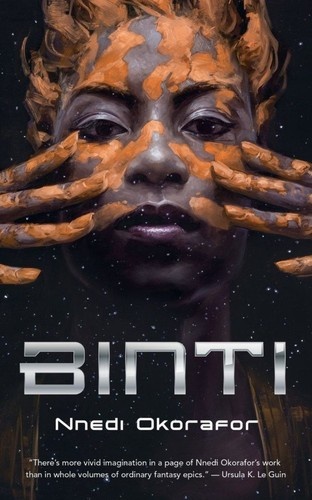
Binti
By Nnedi Okorafor
Sanctificum
By Christopher Abani
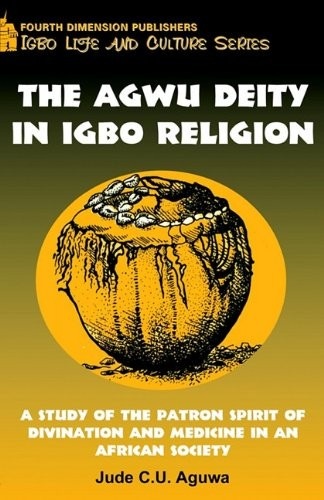
The Agwu deity in Igbo religion
By Jude C. U. Aguwa
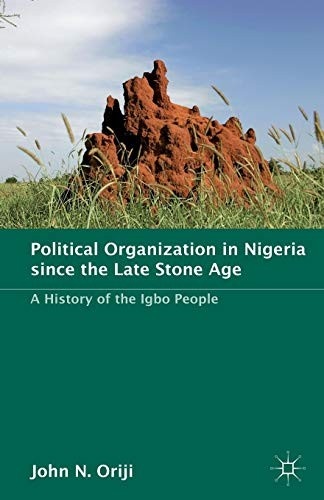
Political Organization in Nigeria Since the Late Stone Age
By John Oriji