
ODINANI: The Igbo Sacred Tradition
by Emmanuel Ojiaku

Book Author / Creator
A Primer on Indigenous Spirituality
ODINANI: The Igbo Sacred Tradition by Emmanuel Ojiaku serves as an accessible introduction to the complex spiritual system of the Igbo people, known as Odinani (that which is on the land). In a religious landscape often dominated by Christianity, this book attempts to strip away the demonization of indigenous beliefs to reveal a coherent theological structure. Ojiaku presents Odinani not as 'idol worship' but as a monotheistic system with a Supreme Creator (Chukwu or Chineke) at the apex, served by a pantheon of functional deities (Alusi) and ancestral spirits (Ndichie).
The Concept of Chi and Reincarnation
The book delves into the pivotal concept of Chi, described as the personal spiritual guardian or 'divine spark' within every individual. Ojiaku explains that in Igbo belief, one's destiny is a negotiated agreement between the soul and its Chi before birth. The text also explores Ilo Uwa (reincarnation), clarifying that unlike the Eastern concept of endless cycles of suffering, Igbo reincarnation is viewed as the return of a beloved ancestor to the family line—a mark of love and continuity. This section helps explain why children are often named 'Nneka' (Mother is Supreme) or 'Nnamdi' (My Father is Alive).
Rituals of Balance: Agwu and Kola
A significant portion of the book focuses on the practical rituals that maintain cosmic balance. Ojiaku discusses the role of Agwu, the deity of health, divination, and chaotic energy. He explains that mental instability or 'bad luck' is often interpreted as being 'troubled by Agwu,' requiring a ritual of alignment (Ikpu Agwu) rather than exorcism. The book also details the Igo Oji (Blessing of the Kola Nut) ceremony, breaking down the prayers and libations that turn a simple nut into a sacramental communion between the living and the dead.
Ethics and Community
Ojiaku argues that Odinani is fundamentally an ethical system based on Ofo na Ogu (Justice and Innocence). The book explains that spiritual power in Igboland is not arbitrary; it is grounded in moral uprightness. It touches on the laws of the land (Nso Ala) and the consequences of committing abominations. This guide is recommended for those new to the subject who seek a clear, non-academic overview of what their ancestors actually believed.


You May Also Like
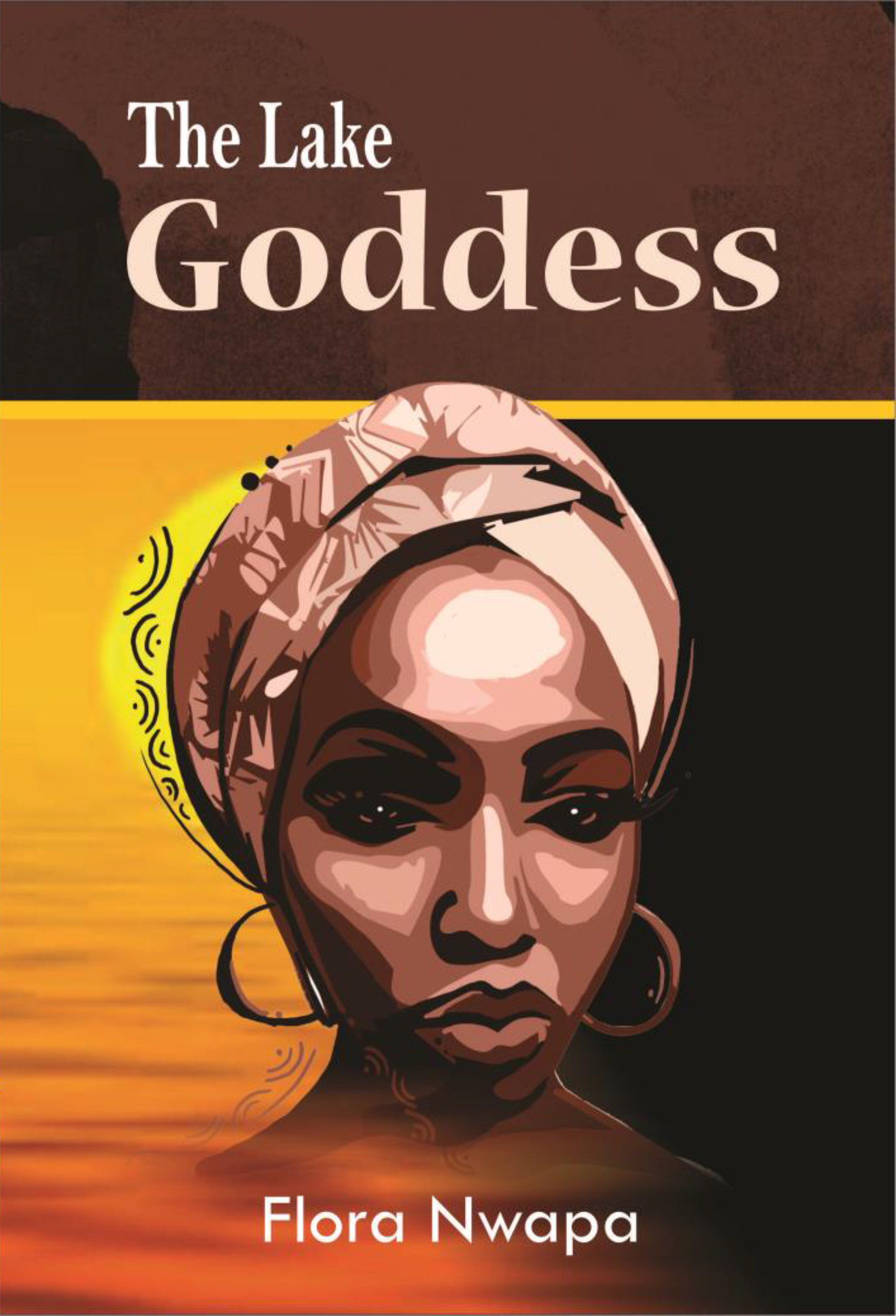
Lake Goddess
By Flora Nwapa
Dear Ijeawele, or A Feminist Manifesto in Fifteen Suggestions
By Chimamanda Ngozi Adichie
Toads for Supper
By Vincent Chukwuemeka Ike
Juo Obinna
By Tony Uchenna Ubesie
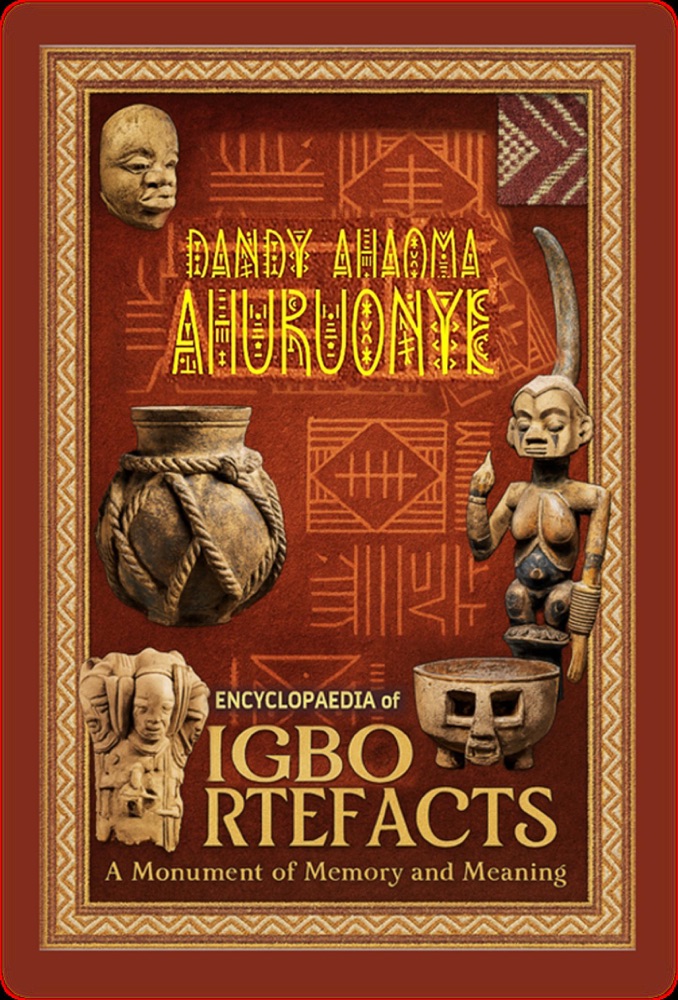
Encyclopaedia of Igbo Artefacts
By Dandy Ahaoma Ahuruonye
Binti
By Nnedi Okorafor
Sanctificum
By Christopher Abani
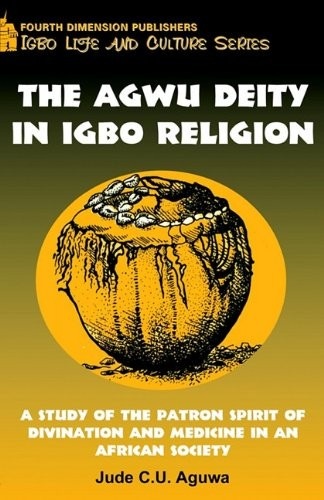
The Agwu deity in Igbo religion
By Jude C. U. Aguwa
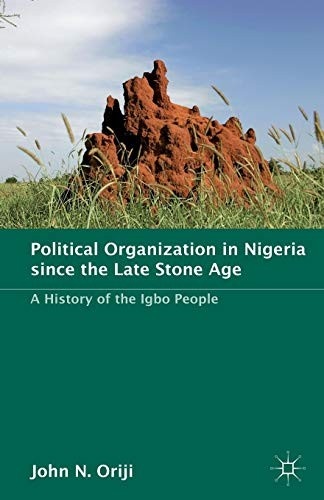
Political Organization in Nigeria Since the Late Stone Age
By John Oriji