
Ohaffia: A Matrilineal Ibo People
by Philip O. Nsugbe

Book Author / Creator
The Double Descent System
Ohaffia: A Matrilineal Ibo People is a classic anthropological text that highlights a unique variation in Igbo social organization. While most of Igboland is patrilineal (tracing descent through the father), Philip O. Nsugbe documents the complex 'double descent' system of the Ohafia people in the Cross River area. He explains that an individual belongs to two lineages simultaneously: the Umunna (patrilineage), which provides residence and political rights, and the Ikwu (matrilineage), which dictates inheritance of movable property, land, and ritual duties. This book is crucial for debunking the myth that all Igbo societies are organized exactly the same way.
The Tension of Gender and Power
Nsugbe, a government anthropologist, explores the structural tension between the male-dominated warrior ethos and the female-dominated kinship ties. He details how the Ohafia matrilineal system gave women significant economic independence and social leverage, which sometimes clashed with the patrilocal residence patterns. The text analyzes how these tensions were managed through age-grade systems and secret societies, ensuring a balance of power that kept the society stable despite its dual loyalties.
The Ohafia War Dance and Heroic Society
The book delves into the famous Ohafia martial tradition. Nsugbe describes the society's historical preoccupation with 'head-hunting' and military valor, which was necessary for survival in a frontier zone. He documents the Ohafia War Dance (Ikpirikpi Ogu), explaining it not just as a dance but as a historical reenactment of the prowess of the 'Odo' warriors. The text explains the Ufiem (masculinity) concept and how a man's social standing was traditionally determined by his ability to bring home a head—a practice that evolved into modern forms of achievement.
Comparative Ethnography
As part of the Oxford Monographs on Social Anthropology, this book is rigorous and scholarly. Nsugbe compares the Ohafia system with the Yakö and other Cross River groups, providing a broader context for the 'matrilineal puzzle' in West Africa. It remains the definitive text on Ohafia social structure, essential for anyone trying to understand the diversity of the Igbo cultural landscape.


You May Also Like
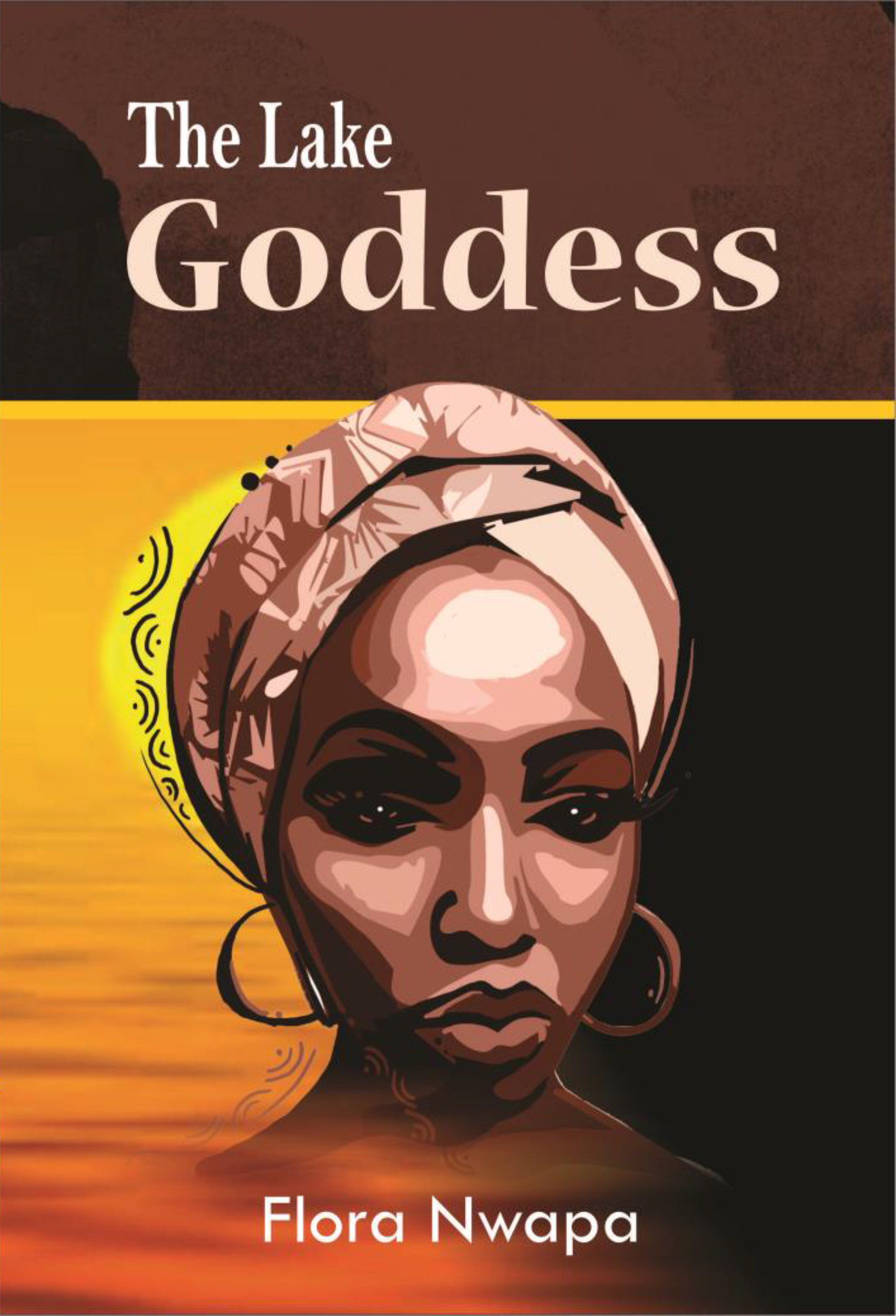
Lake Goddess
By Flora Nwapa
Dear Ijeawele, or A Feminist Manifesto in Fifteen Suggestions
By Chimamanda Ngozi Adichie
Toads for Supper
By Vincent Chukwuemeka Ike

Juo Obinna
By Tony Uchenna Ubesie
Encyclopaedia of Igbo Artefacts
By Dandy Ahaoma Ahuruonye
Binti
By Nnedi Okorafor
Sanctificum
By Christopher Abani
The Agwu deity in Igbo religion
By Jude C. U. Aguwa
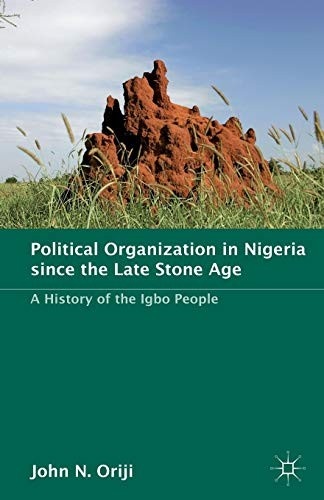
Political Organization in Nigeria Since the Late Stone Age
By John Oriji