
Ora-eri Nnokwa & Nri dynasty
by Charles M Ezekwugo

Book Author / Creator
The Hidden History of the Nri Diaspora
Ora-eri Nnokwa & Nri dynasty by Charles M. Ezekwugo is a fascinating dive into local history that connects the communities of Ora-Eri and Nnokwa back to the ancient Nri Kingdom. The book is based on oral traditions that claim these towns were founded by children of Eri (the progenitor of the Nri civilization) who migrated away from the ancestral capital. Ezekwugo recounts the specific legend of the 'parting of ways,' where the founders of Ora-Eri and Nnokwa allegedly left with sacred royal regalia and ritual items (like the Ofo and Otunsi), hiding them to preserve their own legitimacy separate from the ruling Eze Nri in Agukwu.
Ritual Kinship and Taboos
The book explores the enduring ritual relationships that bind these communities. Ezekwugo details the specific taboos that exist between them—such as the prohibition of intermarriage or the requirement to share food in a certain way—which serve as historical markers of their shared bloodline. He explains the role of Ora-Eri as a priestly center in its own right, noting its historical capacity to cleanse abominations (Ikpu Aru) and confer titles, similar to the functions of Nri itself. This challenges the idea of a single, centralized Nri authority, suggesting instead a network of related priestly towns.
Genealogy and Migration
Ezekwugo provides genealogical charts and migration maps that trace the movement of these groups through the Anambra river valley. He discusses the establishment of their specific deities and market days. The text also touches on the 'Nnokwa' claim to be the 'first son' (Diokpa) in some versions of the migration story, illustrating the common contestations over seniority found in Igbo oral history. The book is a valuable resource for indigenes of these towns and for researchers tracking the expansion of the Nri-Igbo civilization.
Preserving Local Identity
Published in the 1980s by a local press, this book is a prime example of community-driven historiography. It captures the specific dialectal nuances and local legends that academic historians often overlook. It serves as a testament to the pride these communities take in their ancient aristocratic heritage.


You May Also Like
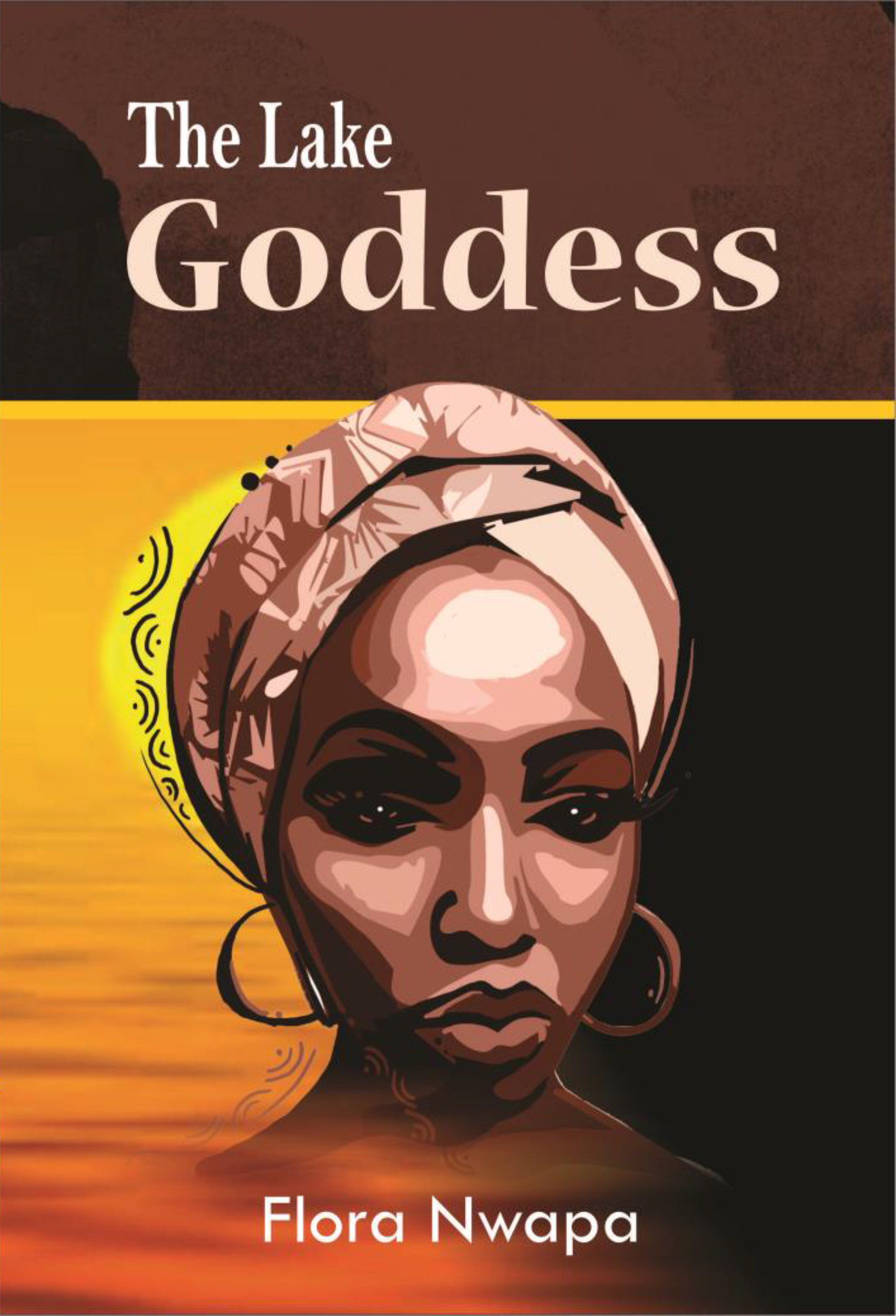
Lake Goddess
By Flora Nwapa
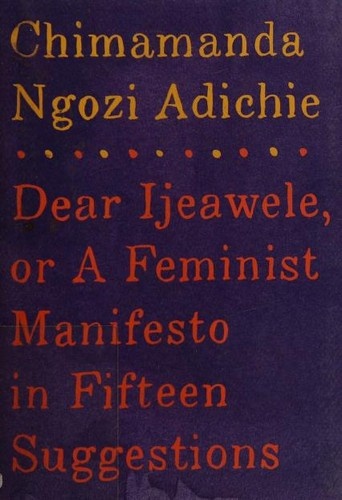
Dear Ijeawele, or A Feminist Manifesto in Fifteen Suggestions
By Chimamanda Ngozi Adichie
Toads for Supper
By Vincent Chukwuemeka Ike

Juo Obinna
By Tony Uchenna Ubesie
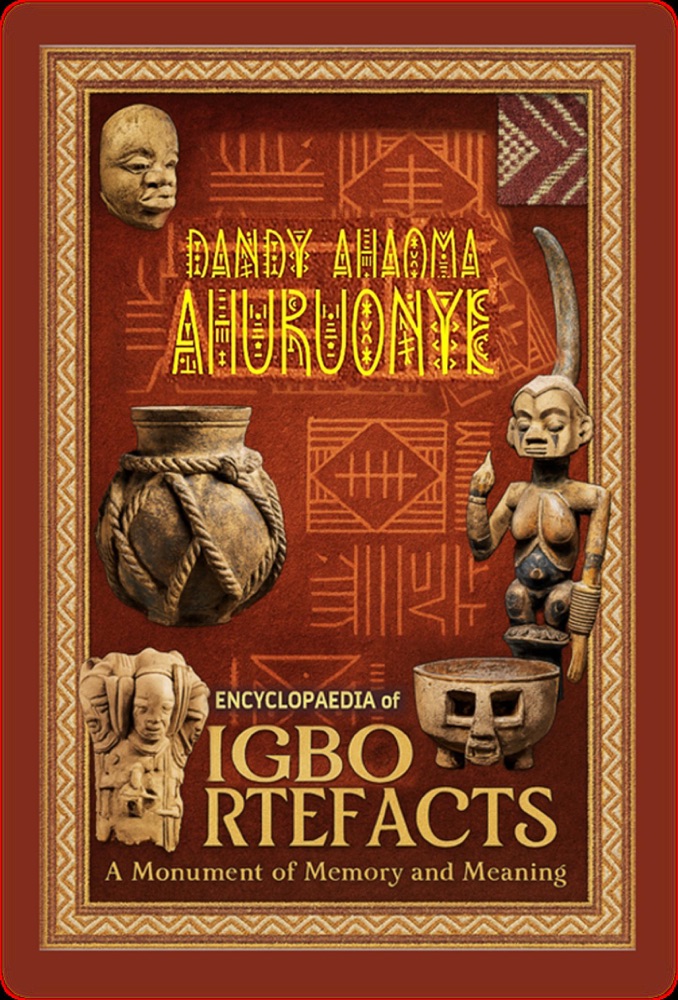
Encyclopaedia of Igbo Artefacts
By Dandy Ahaoma Ahuruonye
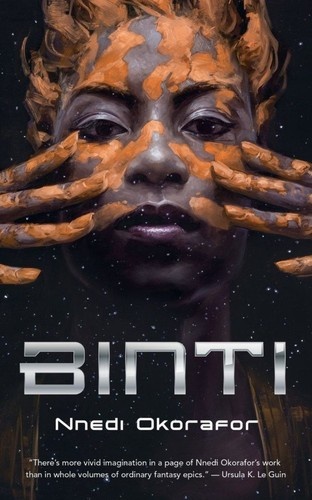
Binti
By Nnedi Okorafor
Sanctificum
By Christopher Abani
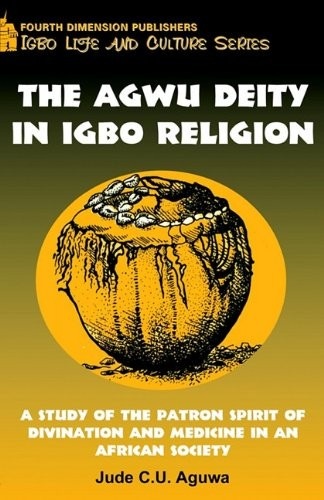
The Agwu deity in Igbo religion
By Jude C. U. Aguwa
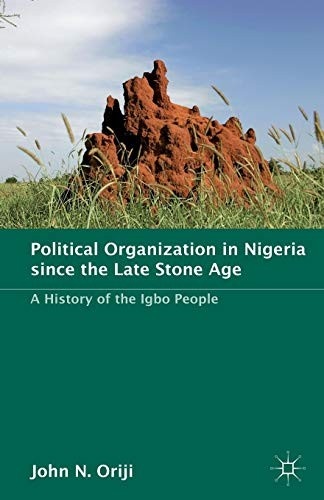
Political Organization in Nigeria Since the Late Stone Age
By John Oriji