
Mbari: Art and the Life Among the Owerri Igbo
by Herbert M. Cole

Book Author / Creator
Herbert M. Cole is an American art historian and Professor Emeritus at the University of California, Santa Barbara. A leading authority on African art, his …
Read full bio →The Sacred Art of Renewal
Mbari: Art and the Life Among the Owerri Igbo is the definitive study of one of Africa's most complex artistic phenomena. Herbert M. Cole, an art historian who conducted extensive fieldwork in the 1960s, documents the construction and philosophy of the 'Mbari' houses found in the Owerri region. These were not houses for people to live in, but open-sided temples filled with life-sized mud sculptures and paintings, created as a monumental sacrifice to the Earth goddess, Ala, usually in response to a community crisis like famine, war, or low birth rates.
Art as a Process, Not a Product
Cole's central thesis is that for the Igbo, the process of building the Mbari was more important than the finished structure. He details the rigorous selection of the 'spirit workers' (Ndi Mgbe)—ordinary men and women chosen by divination to live in seclusion for months or years. The book describes their ritual death and rebirth, their strict taboos, and the communal labor involved in mixing the special clay (anthill earth). Cole argues that this collective effort was a form of social therapy, healing the community's internal divisions through the shared act of creation.
A Mirror of the World
The book provides a visual inventory of the sculptures found within an Mbari. Cole explains that an Mbari house was a 'cosmic mirror,' containing representations of everything in the known world. The central figure was always Ala, majestic and serene, often with a child. But surrounding her were diverse figures: other deities (like Amadioha), animals (leopards, elephants), scenes of daily life (women birthing, men tapping wine), and even figures of modernity (white men on motorcycles, district officers). Cole interprets this inclusivity as the Igbo desire to encompass and control all forces of the universe within the house of the goddess.
The Cycle of Decay
One of the most fascinating aspects Cole documents is the intentional neglect of the Mbari. Once the house was unveiled with a great festival, it was never repaired. It was allowed to melt back into the earth from which it came. The book explores the profound philosophy behind this: art, like life, is transient. The decay of the Mbari symbolized the return of the sacrifice to Ala. To repair it would be an act of arrogance. This cyclical view of art contrasts sharply with the Western obsession with museum preservation.
Visual and Historical Legacy
Illustrated with Cole's own black-and-white photographs (many of which document Mbari houses that were later destroyed during the Biafran War), the book is a precious archive. It captures a specific moment in Igbo history when traditional religion was still vibrant but beginning to engage with the modern world. It is a masterpiece of art history that reads like an ethnography, revealing the deep spiritual logic of the Owerri Igbo.


You May Also Like
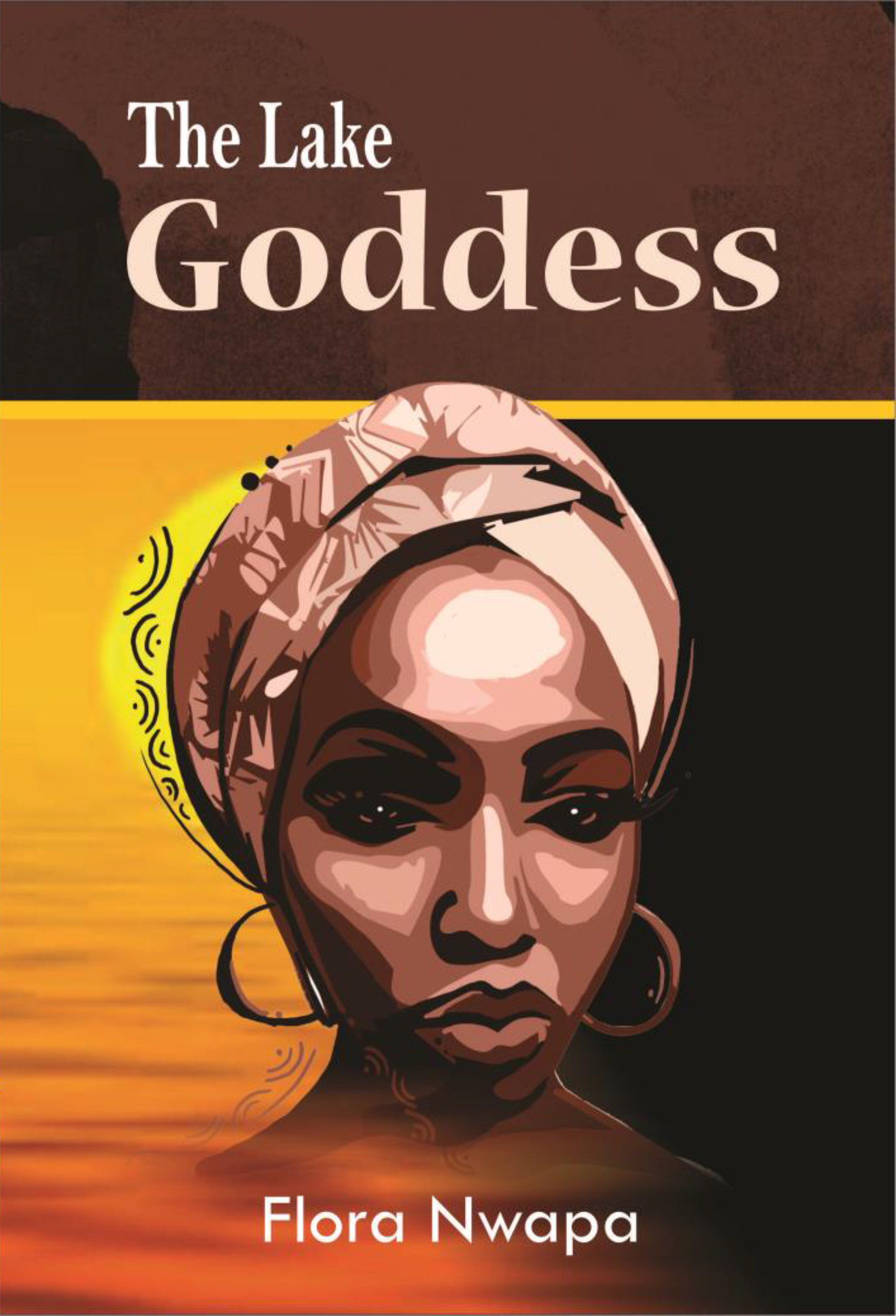
Lake Goddess
By Flora Nwapa
Dear Ijeawele, or A Feminist Manifesto in Fifteen Suggestions
By Chimamanda Ngozi Adichie
Toads for Supper
By Vincent Chukwuemeka Ike

Juo Obinna
By Tony Uchenna Ubesie
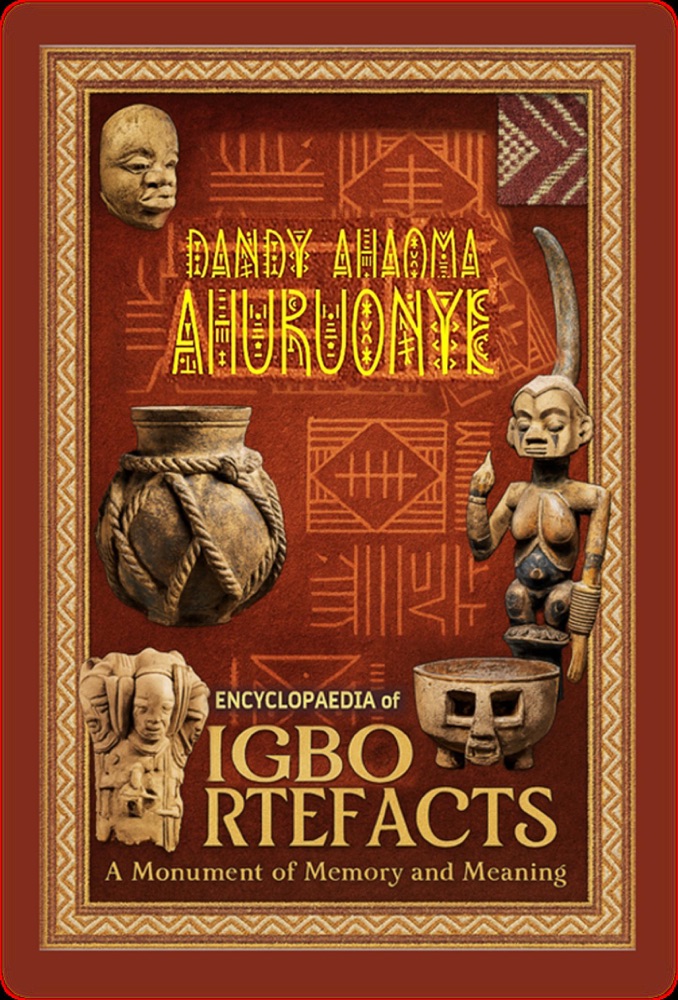
Encyclopaedia of Igbo Artefacts
By Dandy Ahaoma Ahuruonye
Binti
By Nnedi Okorafor
Sanctificum
By Christopher Abani
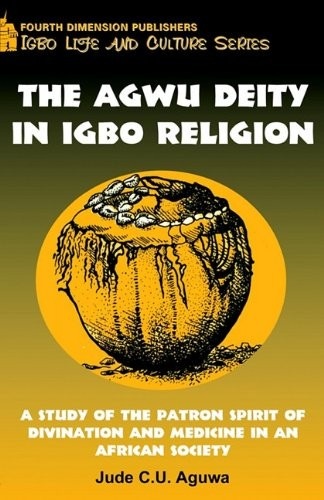
The Agwu deity in Igbo religion
By Jude C. U. Aguwa
Political Organization in Nigeria Since the Late Stone Age
By John Oriji