

Lessons From Vernacular Architecture in Nigeria
by Joyce Lodson

Book Author / Creator
Book Details
- Publisher
- LAP LAMBERT Academic Publishing
- Year
- 2019
- ISBN
- 9786139450046
Indigenous Design Intelligence
Lessons From Vernacular Architecture in Nigeria by Joyce Lodson is a comparative study that highlights the ingenuity of traditional Nigerian builders. The book focuses on two major ethnic groups with distinct environmental challenges: the Hausa in the hot, dry north, and the Igbo in the humid, tropical southeast. Lodson argues that 'vernacular' architecture—building without architects, using local materials and tradition—holds the key to solving modern Nigeria's housing crisis. She posits that these ancient methods were not primitive, but were highly sophisticated responses to climate, culture, and available resources.
Igbo Architecture and Climate Control
In the sections dedicated to the Igbo, the book details how traditional builders mastered the art of passive cooling. Lodson explains the science behind the high-pitched thatched roofs, which allowed hot air to rise and escape, and the use of porous mud walls (cob or wattle-and-daub) that regulated humidity and temperature (thermal mass). The text examines the spatial organization of the Igbo compound, where the arrangement of buildings fostered family cohesion while providing security and privacy. The author contrasts this with modern concrete 'ovens' that require expensive air conditioning to be habitable.
Sustainability and Materials
A core theme of the book is sustainability. Lodson critiques the current dependence on imported cement and steel, advocating for a return to 'earth architecture.' She discusses the chemical and structural properties of the local laterite soil used in Igbo construction. The book explores how traditional techniques—such as palm midrib reinforcement and natural sealants—can be improved with modern technology to create durable, eco-friendly housing. This approach transforms the perception of mud houses from symbols of poverty to models of green building.
Cultural Relevance in Design
Beyond the physical structure, Lodson addresses the 'soul' of the building. She explains how vernacular architecture reflected the religious and social values of the people. For the Igbo, the connection to the earth (Ani) was physical and spiritual; a house was not just a shelter but an extension of the land. The book argues that contemporary Nigerian architecture has lost this cultural identity, resulting in soulless estates that do not support the communal lifestyle of the people. She calls for a 'Neo-Vernacular' style that respects tradition while meeting modern needs.
Target Audience
This book is essential for architects, urban planners, and environmentalists. It serves as a technical and philosophical guide for anyone interested in decolonizing the built environment. By validating the wisdom of the ancestors, Lodson provides a roadmap for a uniquely Nigerian architectural future that is sustainable, affordable, and culturally proud.


You May Also Like

Lake Goddess
By Flora Nwapa

Dear Ijeawele, or A Feminist Manifesto in Fifteen Suggestions
By Chimamanda Ngozi Adichie
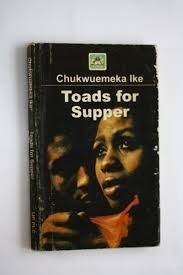
Toads for Supper
By Vincent Chukwuemeka Ike

Juo Obinna
By Tony Uchenna Ubesie
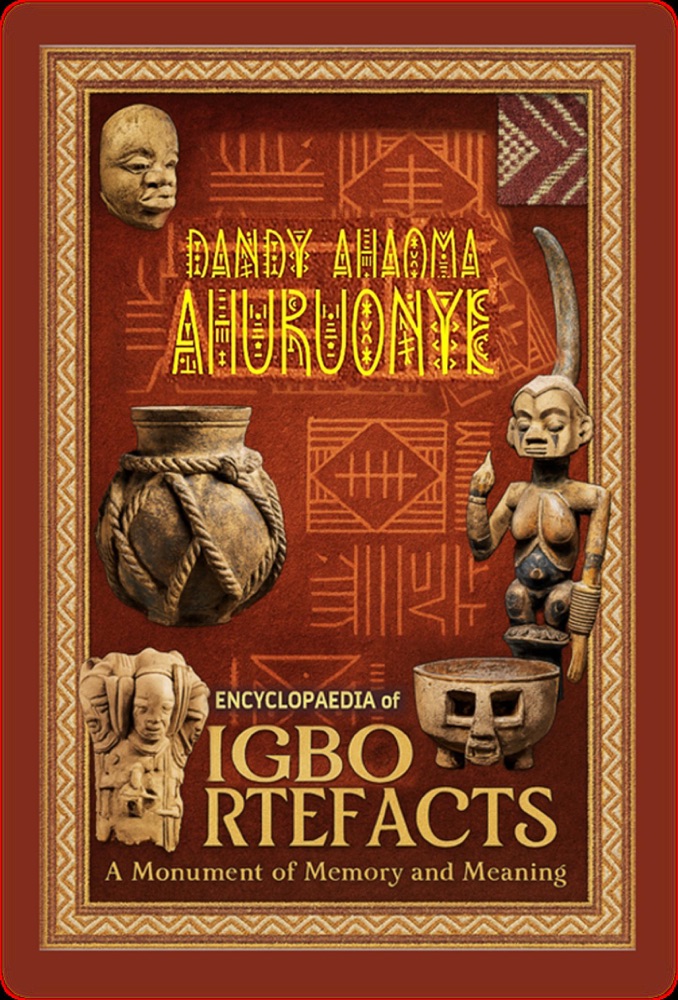
Encyclopaedia of Igbo Artefacts
By Dandy Ahaoma Ahuruonye

Binti
By Nnedi Okorafor
Sanctificum
By Christopher Abani
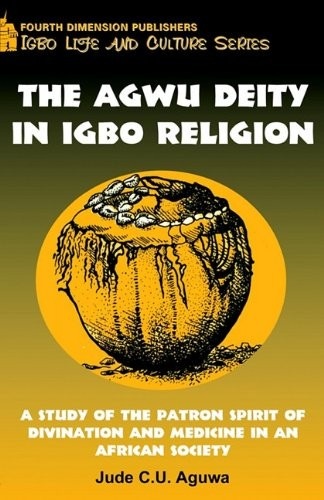
The Agwu deity in Igbo religion
By Jude C. U. Aguwa
Political Organization in Nigeria Since the Late Stone Age
By John Oriji