
Igbo Arts: Community and Cosmos
by Herbert M. Cole and Chike G. Aniakor

Book Author / Creator
Book Details
- Publisher
- University of California Museum of Cultural History
- Year
- 1984
- ISBN
- 9780930741013
The Bible of Igbo Art History
Igbo Arts: Community and Cosmos is widely considered the most authoritative text ever published on the visual culture of the Igbo people. Co-authored by the American art historian Herbert M. Cole and the renowned Igbo artist and scholar Chike Aniakor, this book was published to accompany a major exhibition at UCLA. It attempts the ambitious task of surveying the artistic output of the entire Igbo-speaking region, from the riverine areas of Onitsha to the northeastern savannahs. The central thesis of the book is that Igbo art is a 'world in motion'—dynamic, aggressive, and constantly evolving, much like the people themselves.
Process Over Product
One of the book’s most profound insights is the concept that in Igbo aesthetics, the process of creation is often more important than the finished product. The authors illustrate this with the Mbari houses of Owerri—elaborate clay monuments filled with hundreds of statues that took years to build, only to be left to decay immediately after their unveiling. This 'sacred waste' is explained as a cosmic offering to the Earth deity (Ala), where the act of building renews the community, and the decay represents the cycle of life. This perspective challenges Western notions of art preservation and permanence.
Ikenga and the Cult of the Hand
The book provides an exhaustive study of the Ikenga, the personal shrine dedicated to a man's right hand and his drive for success. Cole and Aniakor analyze the variations of Ikenga across different regions, from simple abstract cylinders to complex figurative carvings holding swords and severed heads. They explain the iconography of the ram's horns as a symbol of aggression and determination, linking the art object directly to the Igbo ethos of individual achievement and 'Ike' (power/energy).
Masquerades: Ijele and Beyond
A significant portion of the text is dedicated to the vast array of Igbo masquerades (Mmanwu). The authors describe the Ijele—the 'King of Masks'—a massive, multi-tiered structure that shelters hundreds of smaller figures, representing the entire universe in motion. They also cover the Odo and Omabe traditions of the Nsukka area, the maiden spirit masks (Agbogho Mmuo), and the fierce Mgbedike masks. The book explains the sociology of masking: how it enforces gender roles, entertains, and provides a link to the ancestors.
Architecture and Regalia
Beyond sculpture, the book covers architecture, pottery, textiles (Akwete cloth), and body decoration (Uli). It details the carved doors and stools of titled men (Ozo society), interpreting the geometric patterns as symbols of status and cosmic order. Richly illustrated with black-and-white field photos and color plates, this book is an indispensable resource that documents a civilization where art was not a luxury, but a fundamental tool for survival and social cohesion.


You May Also Like
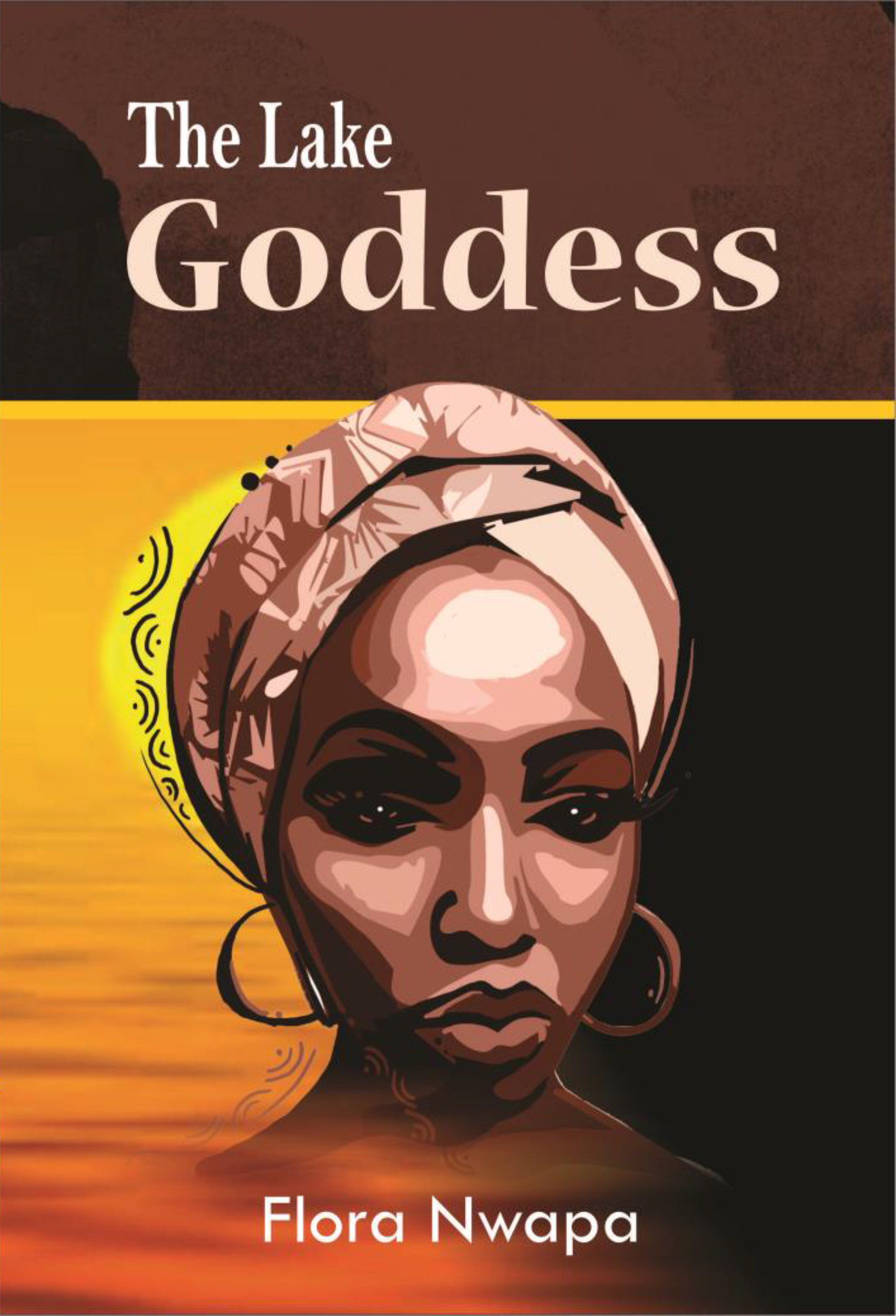
Lake Goddess
By Flora Nwapa

Dear Ijeawele, or A Feminist Manifesto in Fifteen Suggestions
By Chimamanda Ngozi Adichie
Toads for Supper
By Vincent Chukwuemeka Ike

Juo Obinna
By Tony Uchenna Ubesie
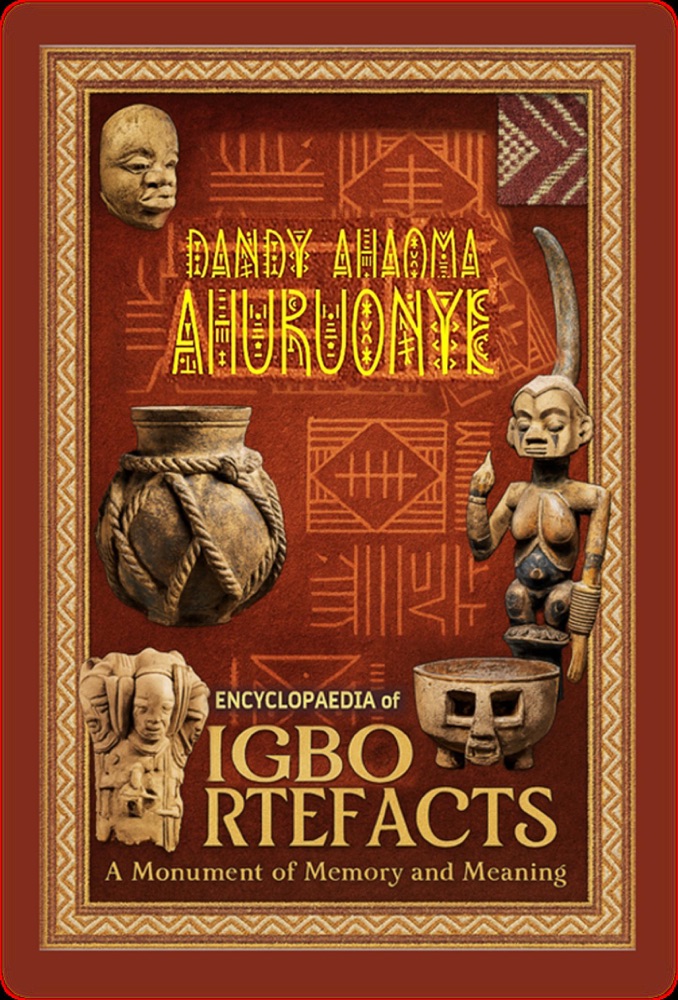
Encyclopaedia of Igbo Artefacts
By Dandy Ahaoma Ahuruonye
Binti
By Nnedi Okorafor
Sanctificum
By Christopher Abani
The Agwu deity in Igbo religion
By Jude C. U. Aguwa

Political Organization in Nigeria Since the Late Stone Age
By John Oriji