
Igbo (Visions of Africa Series)
by Herbert M. Cole

Book Author / Creator
Herbert M. Cole is an American art historian and Professor Emeritus at the University of California, Santa Barbara. A leading authority on African art, his …
Read full bio →A Modern Visual Synthesis
Published nearly thirty years after his landmark collaboration with Aniakor, Igbo (Visions of Africa Series) represents Herbert M. Cole's refined and condensed vision of Igbo art history. As part of the prestigious 'Visions of Africa' series, this compact volume is designed to be visually stunning and accessible, serving as both an introduction for new readers and a summary update for scholars. It benefits from decades of additional reflection and the discovery of new archaeological materials, offering a sharper focus on the aesthetic qualities that make Igbo art unique in the African canon.
From Igbo-Ukwu to the 20th Century
Unlike earlier surveys that focused heavily on wood carvings, this book places significant emphasis on the ancient bronze and ceramic masterpieces of Igbo-Ukwu (9th/10th century). Cole connects these archaeological treasures—with their intricate skeuomorphic designs—to the later artistic traditions of the region, establishing a millennium-long continuity of Igbo artistic excellence. He traces the visual language of the roped pots and bronze altar stands to the title regalia and ritual objects used in the 20th century, proving the deep historical roots of the culture.
The Dualities of Igbo Aesthetics
Cole explores the recurring theme of duality in Igbo thought: the interplay between the physical and the spiritual, the beautiful and the beastly. He categorizes the art into 'Beauty' (representing order, peace, and femininity) and 'The Beast' (representing chaos, power, and masculinity). This framework is applied to the analysis of masks, where the delicate, white-faced maiden masks are contrasted with the dark, distorted heavy masks. The book explains how this aesthetic tension reflects the Igbo worldview that the universe is a balance of opposing forces that must be constantly negotiated.
Personal and Public Shrines
The author revisits the importance of the personal shrine (Ikenga) but also expands on the communal deities (Alusi). He discusses the large, figurative sculptures found in village shrines, explaining their role as the 'children' of the gods. The text describes the relationship between the community and these figures—how they are dressed, fed, and implored for protection, and how they can be discarded if they fail to perform. This pragmatic relationship with the divine is a key insight of the book.
The Inner Eye
Cole emphasizes the concept of the 'Inner Eye' in appreciating African art—the ability to see beyond the surface form to the spiritual intent. He highlights the individual creativity of the Igbo artist, challenging the old notion of the anonymous tribal craftsman. By identifying specific styles and even individual hands (where possible), Cole elevates Igbo art to the level of fine art, celebrating the inventive genius that allows for constant variation within established traditions.


You May Also Like
Lake Goddess
By Flora Nwapa

Dear Ijeawele, or A Feminist Manifesto in Fifteen Suggestions
By Chimamanda Ngozi Adichie
Toads for Supper
By Vincent Chukwuemeka Ike

Juo Obinna
By Tony Uchenna Ubesie
Encyclopaedia of Igbo Artefacts
By Dandy Ahaoma Ahuruonye
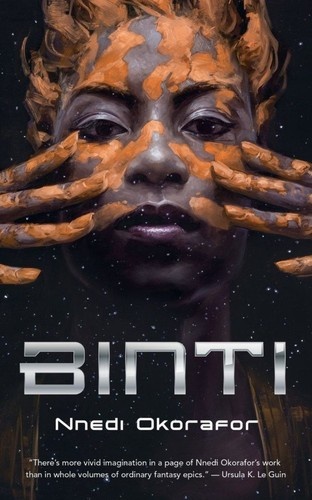
Binti
By Nnedi Okorafor
Sanctificum
By Christopher Abani
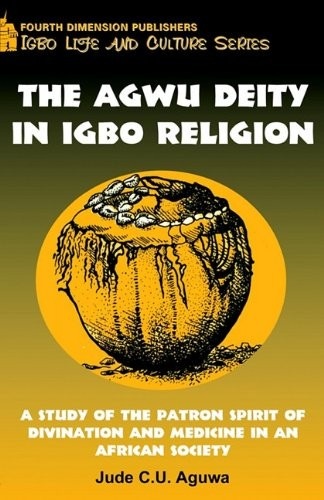
The Agwu deity in Igbo religion
By Jude C. U. Aguwa
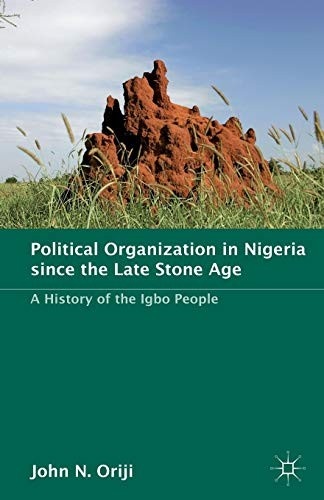
Political Organization in Nigeria Since the Late Stone Age
By John Oriji