
Igbo Culture Through Art and Act: Ancient and Modern
by Kenneth Ubani

Book Author / Creator
The Philosophy of Apprenticeship and Skill
In Igbo Culture Through Art and Act: Ancient and Modern, Kenneth Ubani moves beyond a superficial appreciation of Igbo aesthetics to explore the profound educational and ethical systems that underpin traditional craftsmanship. The book investigates the traditional apprenticeship model—Imu Ahia or Imu Oru—not merely as a means of economic survival, but as a rigorous institution for character formation (Ezi Agwa). Ubani argues that in the pre-colonial Igbo society, acquiring a skill was synonymous with acquiring morality; a master craftsman did not just teach a boy how to carve wood or smith iron, but taught him patience, integrity, and his role in the community.
Visual Arts as Social Commentary
Ubani examines how visual arts served as a mechanism for leadership and social control. He details how specific artistic motifs and regalia were reserved for titled men and leaders, acting as visual cues for authority and responsibility. The book likely contrasts the 'structure of skill in character' found in traditional settings with the 'mediocrity and charlatanism' sometimes observed in modern, disconnected vocational practices. He uses the visual arts to critique modern leadership, suggesting that the loss of traditional values in craftsmanship has led to a decline in public service ethics.
Continuity and Change
A central theme of the text is the resilience of Igbo culture in the face of modernity. Ubani documents how traditional art forms have evolved, adopting new materials and methods while striving to maintain their indigenous essence. He discusses the tension between preserving the sanctity of ritual art and the commercial demands of the modern art market. The author challenges contemporary Igbo artists and leaders to look back at the 'ancient' methods of mentorship to solve 'modern' problems of unemployment and moral decay.
Significance
This book is particularly valuable for its focus on the sociology of art. It shifts the conversation from 'what the art looks like' to 'what the art does' for the society that produces it. It is recommended for educators, policy makers, and students of African studies who are interested in how indigenous knowledge systems can be applied to modern development.


You May Also Like
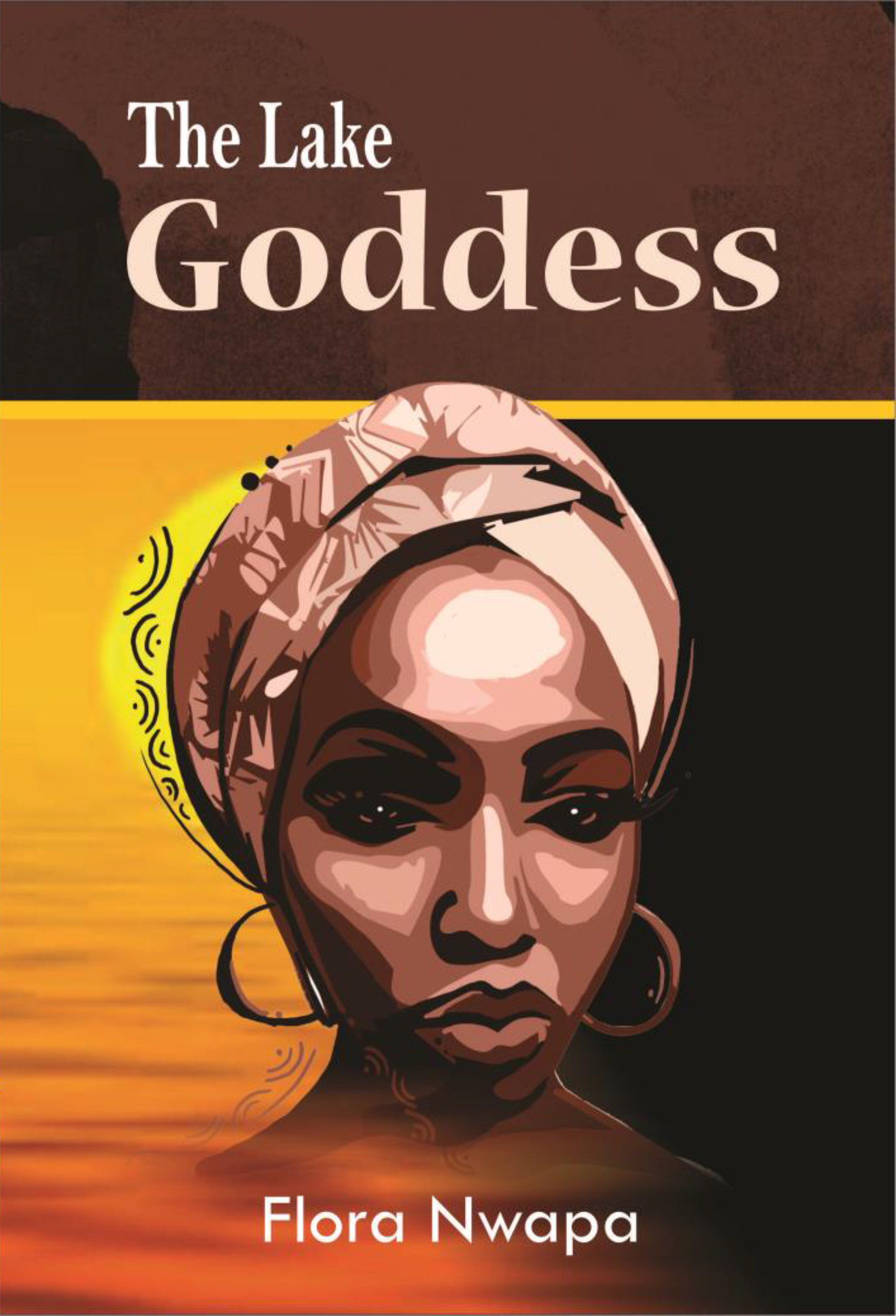
Lake Goddess
By Flora Nwapa
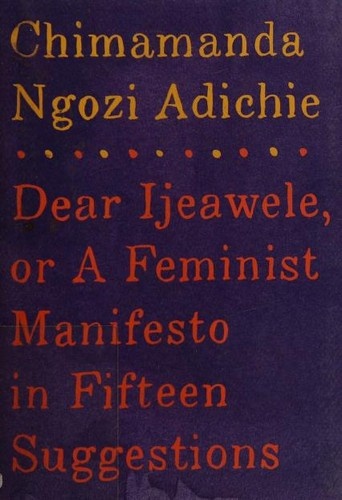
Dear Ijeawele, or A Feminist Manifesto in Fifteen Suggestions
By Chimamanda Ngozi Adichie
Toads for Supper
By Vincent Chukwuemeka Ike

Juo Obinna
By Tony Uchenna Ubesie
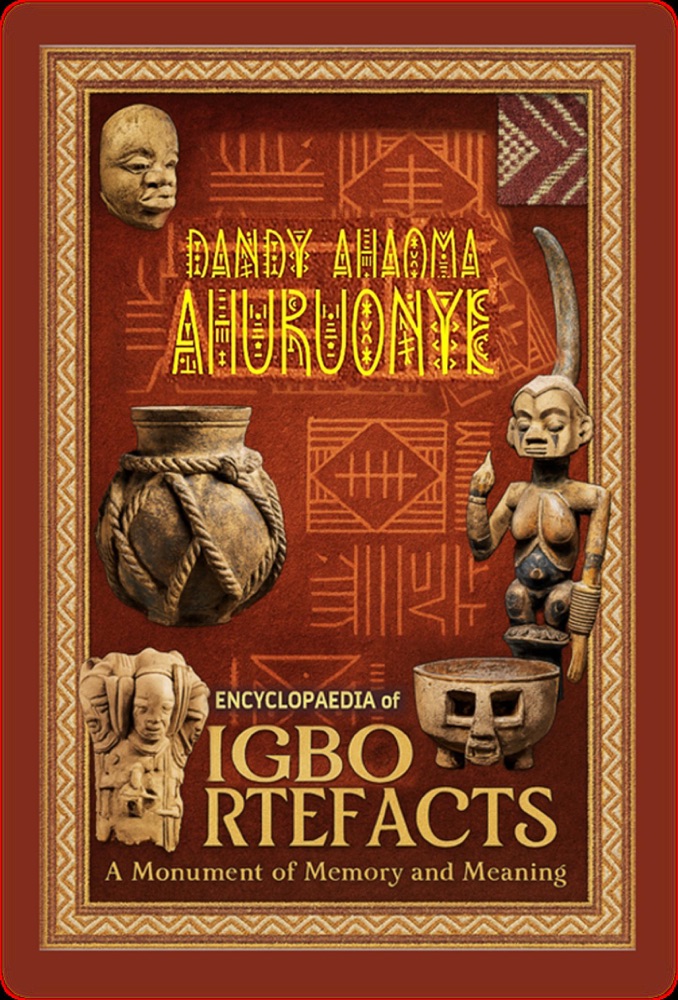
Encyclopaedia of Igbo Artefacts
By Dandy Ahaoma Ahuruonye
Binti
By Nnedi Okorafor
Sanctificum
By Christopher Abani
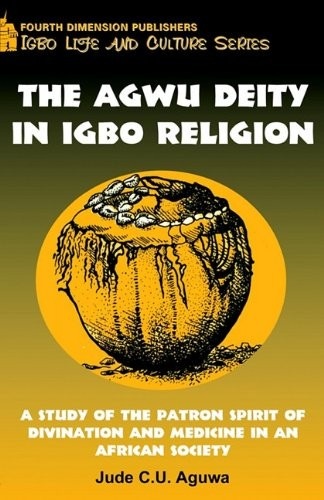
The Agwu deity in Igbo religion
By Jude C. U. Aguwa
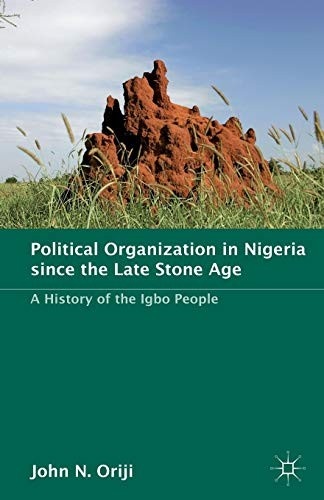
Political Organization in Nigeria Since the Late Stone Age
By John Oriji