
IGBO HISTORY AND CULTURE
by Ebeke Ugochukwu

Book Author / Creator
A Blueprint for a New Civilization
IGBO HISTORY AND CULTURE by Ebeke Ugochukwu is a passionate manifesto that seeks to bridge the gap between the Igbo ancestral past and a progressive future. The author, writing with the authority of an elder who has lived through the transition from traditional village life to the modern diaspora, presents this book as a corrective to the erosion of Igbo identity. He argues that the Igbo people possessed a sophisticated civilization long before European contact—spanning the Stone Age to the Iron Age—and that acknowledging this is crucial for the psychological liberation of the current generation.
Deep Dive into Ihe Shikeaguma
One of the book's unique strengths is its micro-historical approach. Ugochukwu uses his own community—Ihe Shikeaguma in the Ntuegbe clan of Enugu State—as a case study to illustrate broader Igbo cultural concepts. He traces lineages back over twenty-six generations, providing a rare and detailed genealogical record. This local focus allows him to explain abstract concepts like 'Omenala' (custom) through concrete examples of settlement patterns, defense strategies, and the judicial role of the 'Ofo' stickholders in his specific clan.
Sifting the Good from the Bad
Unlike some cultural purists who advocate for a return to all things traditional, Ugochukwu adopts a critical stance. He encourages the 'sifting' of culture—keeping the values of hard work, community service, and democratic decision-making, while discarding practices that are obsolete or harmful. He dedicates sections to analyzing the Igbo concept of God, the human mind, and reincarnation (Ilo Uwa), explaining them not as superstitions but as logical philosophical constructs that promoted social order.
Legacy and Recommendation
The book concludes with a call to action for Igbo youth to 'reform Igboland into a new and better civilization.' Ugochukwu posits that by understanding the resilience and ingenuity of their ancestors, young Igbos can find the blueprint for economic and political reconstruction in Nigeria. It is an inspiring read for those seeking a connection to their roots that is both deeply historical and pragmatically modern.


You May Also Like
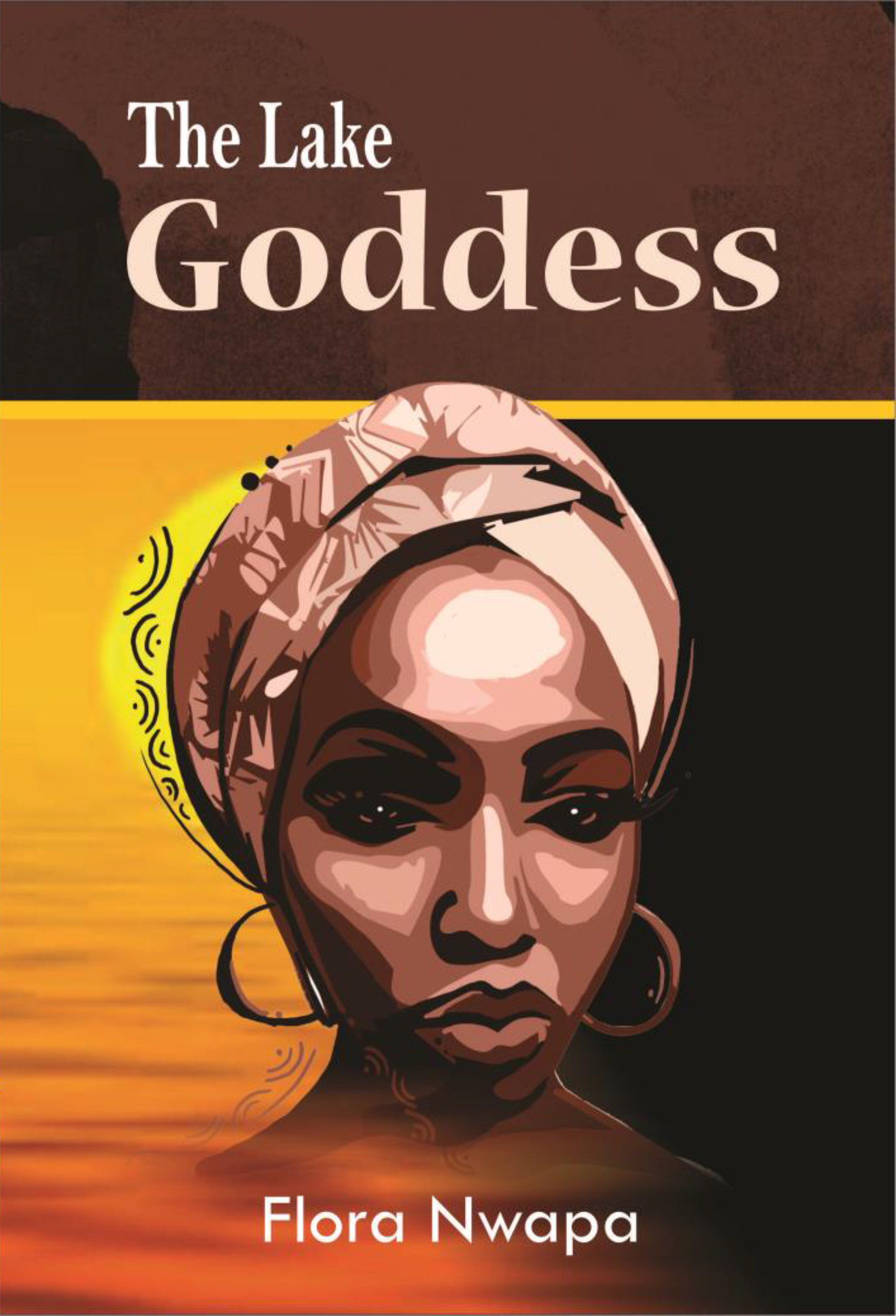
Lake Goddess
By Flora Nwapa
Dear Ijeawele, or A Feminist Manifesto in Fifteen Suggestions
By Chimamanda Ngozi Adichie
Toads for Supper
By Vincent Chukwuemeka Ike

Juo Obinna
By Tony Uchenna Ubesie
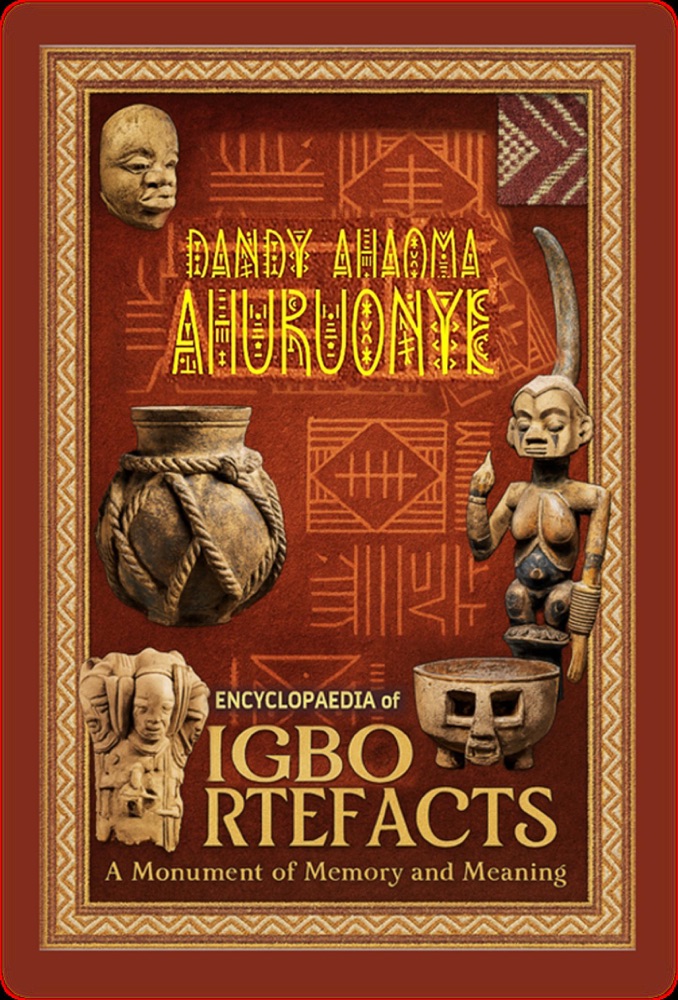
Encyclopaedia of Igbo Artefacts
By Dandy Ahaoma Ahuruonye
Binti
By Nnedi Okorafor
Sanctificum
By Christopher Abani
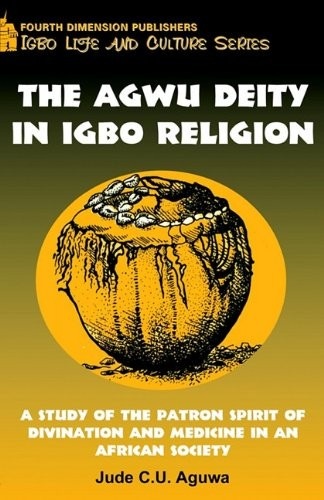
The Agwu deity in Igbo religion
By Jude C. U. Aguwa
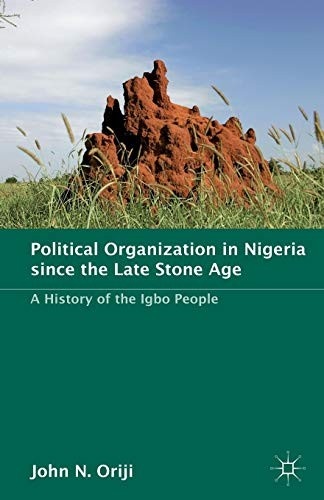
Political Organization in Nigeria Since the Late Stone Age
By John Oriji