

Palm Oil Market Scene in Akwete
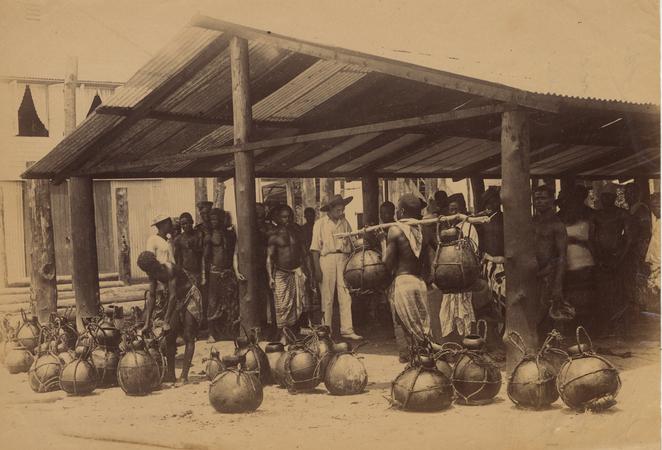
A monochromatic photograph depicting a market scene in Akwete. The image shows a group of approximately 15 to 20 individuals, primarily Igbo men wearing waist-wrapped garments, gathered under an open-sided structure with a corrugated roof. Several large, spherical vessels encased in rope netting are visible on the ground, with one individual carrying two such vessels using a wooden yoke. A single individual is depicted in Western-style clothing, consisting of a long-sleeved shirt, trousers, and a wide-brimmed hat, appearing to be a European trader. The setting is an outdoor market environment involving the trade of palm oil in calabashes.
Community Notes

Onyeka Nwokike
Apr 24, 2026
The photograph is widely attributed to Jonathan Adagogo Green (J.A. Green), a pioneering indigenous Nigerian photographer active in the Niger Delta during the late 19th and early 20th centuries (Tate). It is also preserved in the Eliot Elisofon Photographic Archives at the Smithsonian Institution's National Museum of African Art and was used as the jacket illustration for the 2017 book African Photographer J.A. Green: Reimagining the Indigenous and the Colonial.
Onyeka Nwokike
Apr 24, 2026
Akwete was a strategic hub for the palm oil trade in the late 19th century, serving as a key point of interaction between European traders and local merchants within the Niger Delta trade networks (Emmason247). Scholarly research indicates that the economic prosperity brought by this trade directly influenced the development and flourishing of the renowned Akwete weaving tradition (SearchWorks, Stanford University Libraries), as noted in the Fashion History Timeline.
Log in to add context.
Explore Further
Discover related books and stories to deepen your understanding.

Igbo market literature
By Sebastian Okechukwu Mezu

An African Popular Literature: A Study of Onitsha Market Pamphlets
By Emmanuel N. Obiechina

THE INDIGENOUS PEOPLE OF IGBOLAND: A Captivating Guide to the …
By Vivian Chibuife

Among the Ibos of Nigeria
By G.T. Basden

THE WHISPERING POET: An Anthology Of Igbo And Other Proverbs
By Dandy Ahaoma Ahuruonye

Igbo Worlds: An Anthology of Oral Histories and Historical Descriptions
By Elizabeth Allo Isichei

Igbo Arts: Community and Cosmos
By Herbert M. Cole and Chike G. Aniakor

Trade Winds on the Niger: Saga of the Royal Niger …
By Geoffrey L. Baker

Anthropological Report On The Ibo-speaking Peoples Of Nigeria, Part 6 …
By Northcote Thomas
POLYGAMY: THE WAY OF A CHIEF
By Dandy Ahuruonye
The Igbo, The Placenta, and The Umbilical Cord
By Dandy Ahaoma Ahuruonye

You May Also Like
Interior View of a Chief's Compound
Speech by Chief Onyeso of Agukwu Nri
By Northcote Thomas
Agbogho Mmo Maiden Spirit Mask
By Edward Harland Duckworth
Exhibition Stall of Local Produce
Landscape with Buildings and Trees along the Niger River
By William Henry Crosse
Uli Body Painting in Awka
By Winifred Beatrice Yeatman
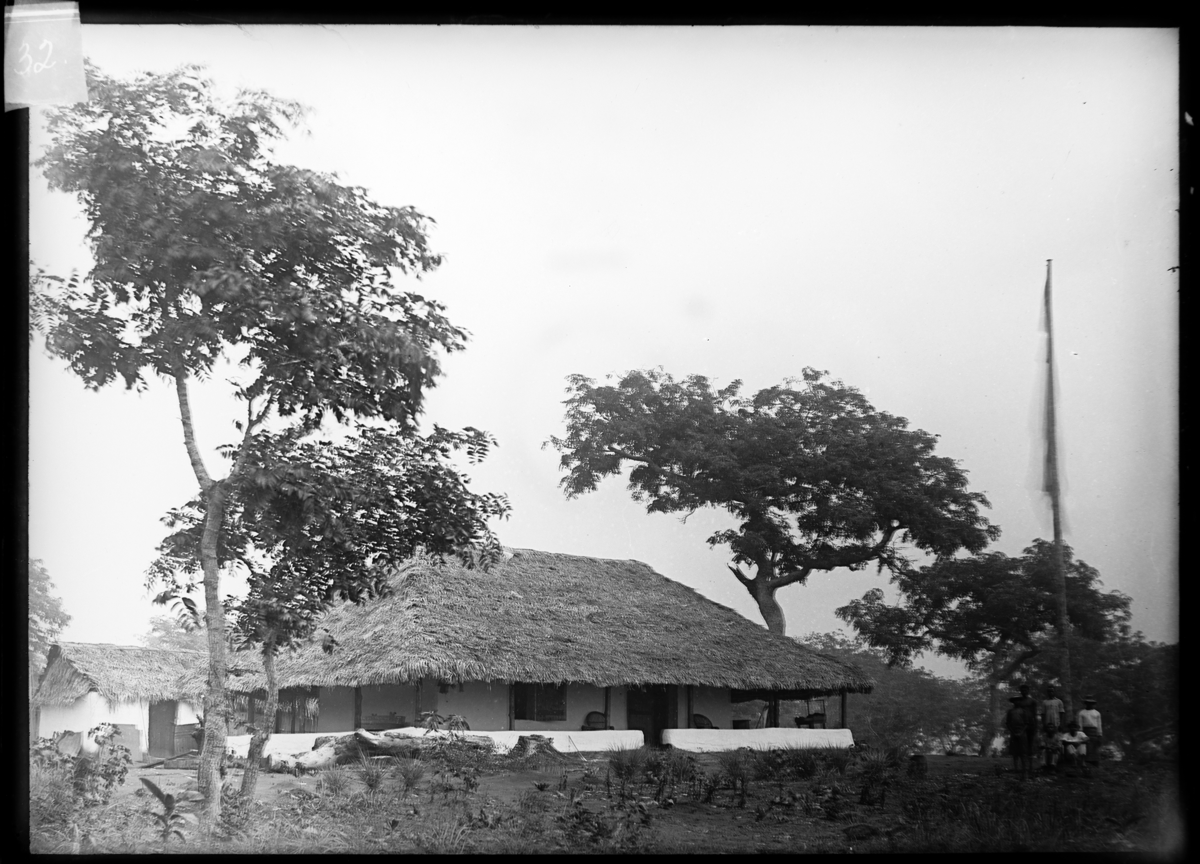
Thatched Dwelling and Group of Individuals
By William Henry Crosse
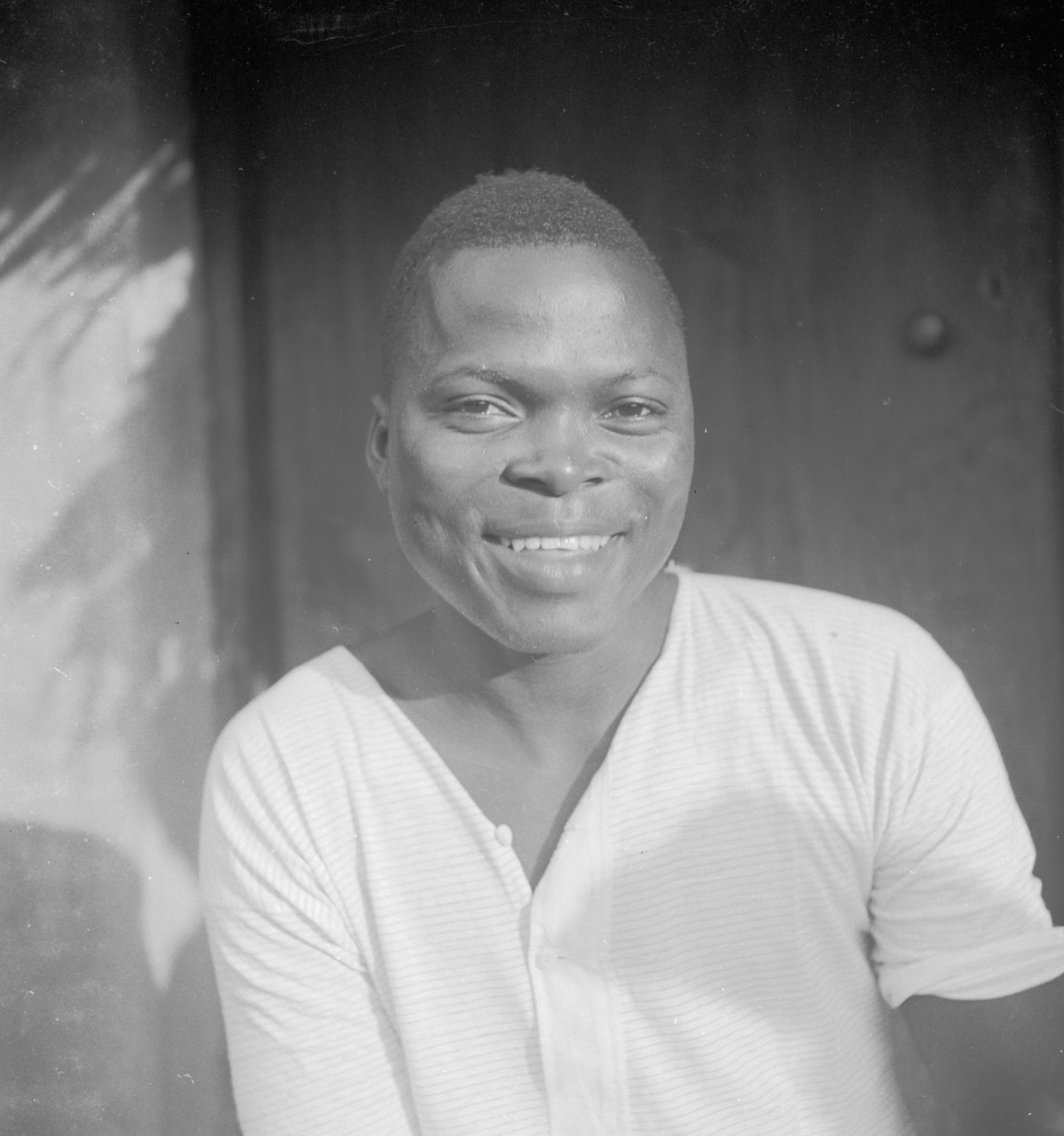
Portrait of an Igbo Man
By G.I. Jones
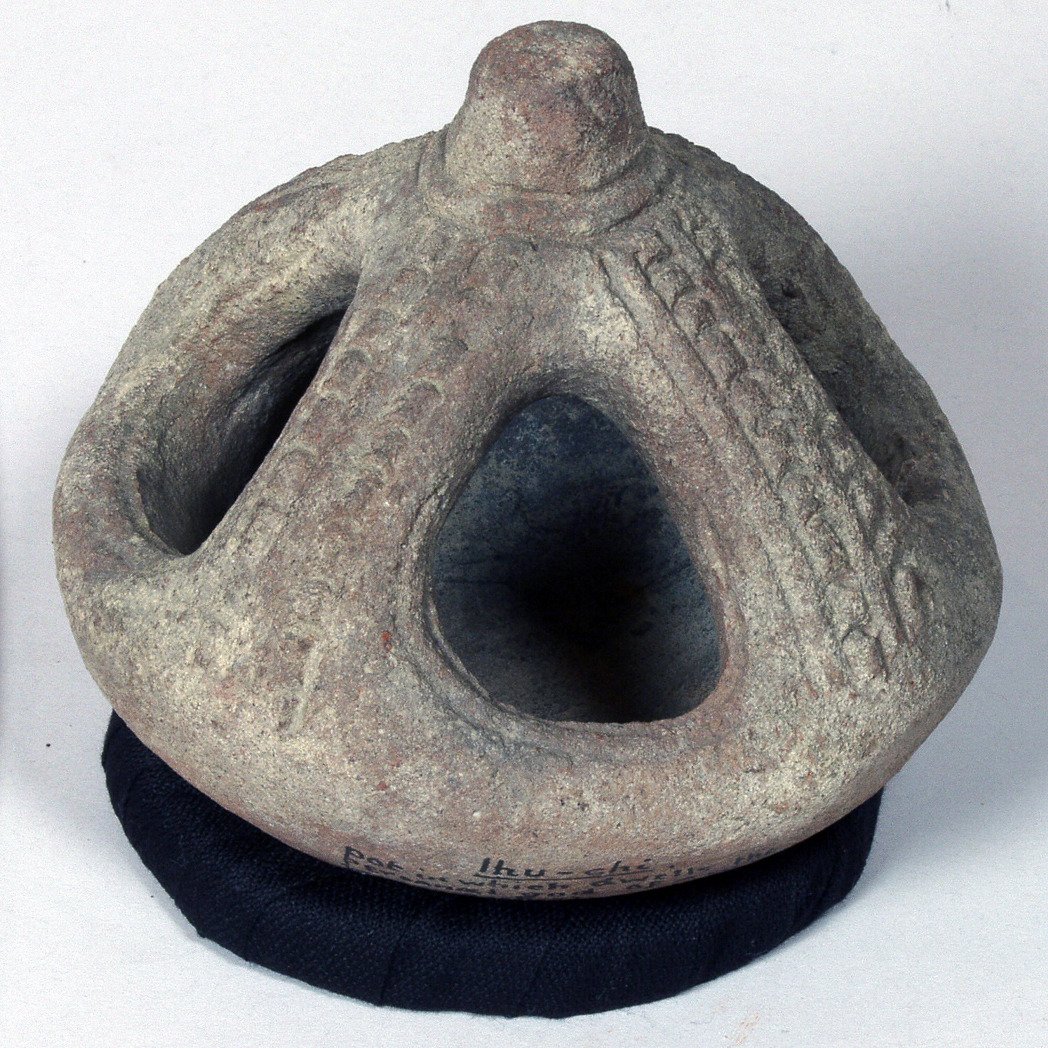
Pot believed to hold the personal spirit (chi)
By Percy Amaury Talbot
No comments yet. Be the first to share your thoughts!