
Trade Winds on the Niger: Saga of the Royal Niger Company, 1830-1971
by Geoffrey L. Baker

Book Author / Creator
The Company That Made Nigeria
Trade Winds on the Niger: Saga of the Royal Niger Company, 1830-1971 by Geoffrey L. Baker is a definitive corporate history of the entity that laid the political foundations of modern Nigeria. The Royal Niger Company (RNC), chartered by the British government in 1886, was more than just a trading firm; it was a government unto itself, with its own flag, police force, and courts. Baker, who worked for the United Africa Company (the successor to the RNC), writes with the insight of an insider, utilizing company archives and personal memoirs to reconstruct the era when 'trade followed the flag'—or often, preceded it.
Sir George Goldie and the Monopoly
The central figure of the narrative is Sir George Goldie, the ruthless architect of the British monopoly on the Niger. Baker details Goldie’s strategy of amalgamating the smaller British trading firms to squeeze out French and German competitors. The book explores the 'treaty-making' spree, where RNC agents signed questionable agreements with local chiefs along the Niger and Benue rivers, effectively ceding their sovereignty to the company in exchange for 'protection.' Baker does not shy away from the controversy of these actions, documenting the resentment of local African merchants (like Jaja of Opobo and Nana of Itsekiri) who were systematically destroyed by the company's protectionist policies.
The Akassa Raid and The Brass War
A dramatic highlight of the book is the account of the Akassa Raid of 1895. Baker chronicles the violent uprising by the people of Brass (Nembe), who, starving due to the RNC's blockade of their traditional markets, attacked the company's headquarters at Akassa. This event exposed the brutality of company rule and eventually led to the revocation of its charter in 1899. The transition from company rule to the 'Protectorate of Southern Nigeria' in 1900 marks the shift from commercial imperialism to formal colonization.
From Palm Oil to Unilever
The 'Saga' continues well into the 20th century, tracing the evolution of the company into the United Africa Company (UAC), a subsidiary of Unilever. Baker discusses the shift from the 'rough and ready' days of the palm oil ruffians to the sophisticated mercantile operations of the mid-20th century. He covers the impact of the World Wars and the eventual Nigerian independence on the company's fortunes. The book is a fascinating study of how a single corporation shaped the borders, economy, and destiny of the most populous nation in Africa. It is essential reading for economic historians and anyone interested in the colonial roots of the Nigerian state.


You May Also Like
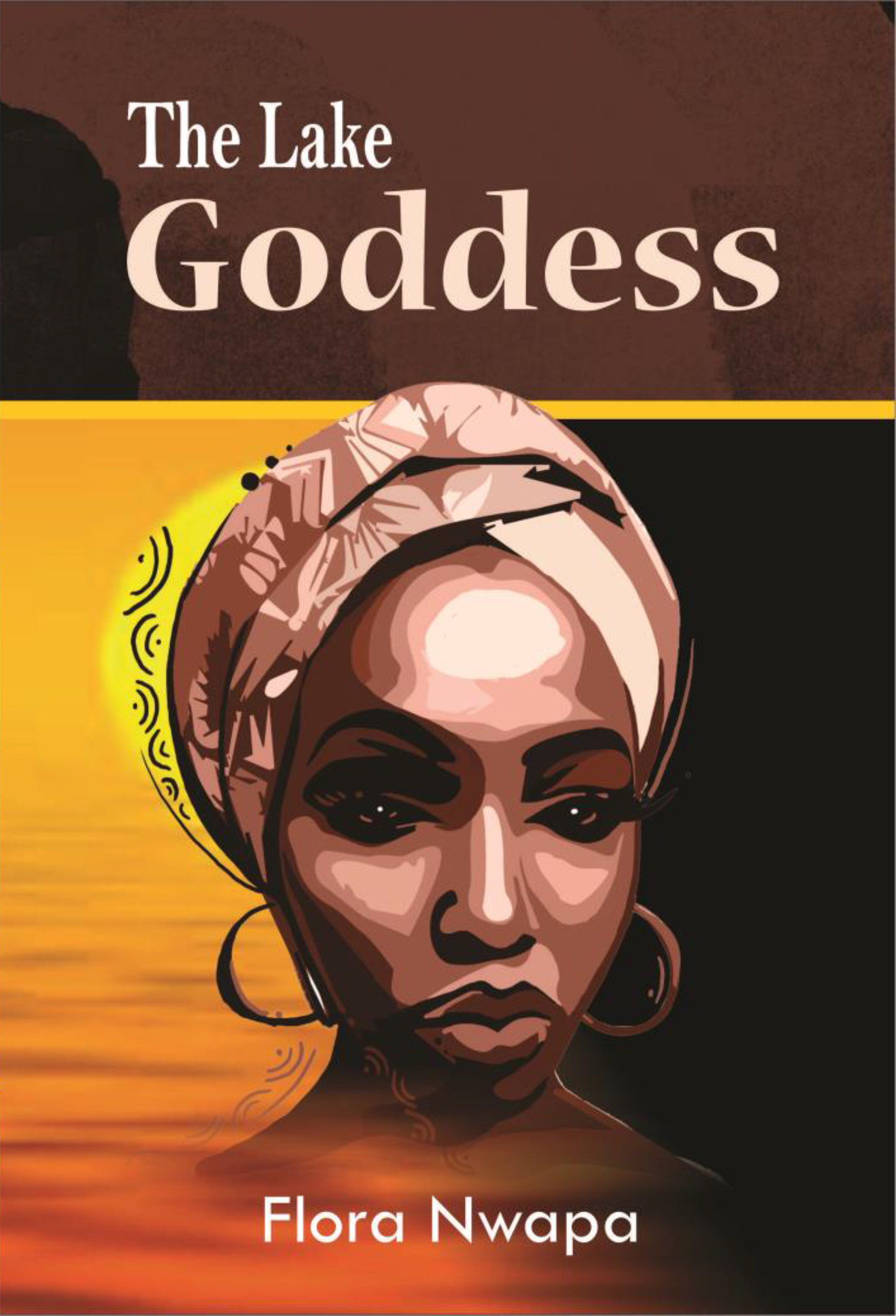
Lake Goddess
By Flora Nwapa
Dear Ijeawele, or A Feminist Manifesto in Fifteen Suggestions
By Chimamanda Ngozi Adichie
Toads for Supper
By Vincent Chukwuemeka Ike

Juo Obinna
By Tony Uchenna Ubesie
Encyclopaedia of Igbo Artefacts
By Dandy Ahaoma Ahuruonye

Binti
By Nnedi Okorafor
Sanctificum
By Christopher Abani
The Agwu deity in Igbo religion
By Jude C. U. Aguwa
Political Organization in Nigeria Since the Late Stone Age
By John Oriji