
Anthropological Report On The Ibo-speaking Peoples Of Nigeria, Part 6
by Northcote Thomas

Book Author / Creator
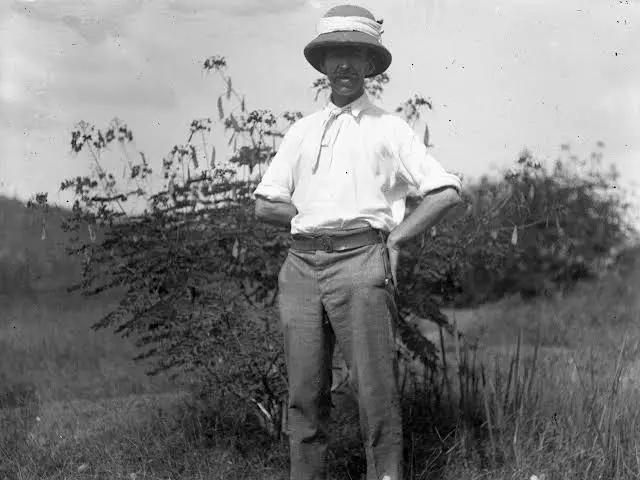
Northcote Whitridge Thomas (1868–1936) was a British anthropologist and the first person to be appointed as a Government Anthropologist by the Colonial Office. From 1909 …
Read full bio →The Palm Oil of Words
Anthropological Report On The Ibo-speaking Peoples Of Nigeria, Part 6 is subtitled Proverbs, Stories, Tones in Ibo. This volume represents Northcote Thomas's deep dive into the linguistic and oral literary heritage of the Igbo people. Unlike the dry legal texts of his other reports, this book captures the wit, philosophy, and artistic expression of the Igbo mind in the early 20th century. It is a testament to the adage that 'proverbs are the palm oil with which words are eaten,' serving as a critical repository of sayings that define Igbo rhetoric and worldview.
Linguistic Analysis and Tones
One of the most technically significant aspects of this book is Thomas's attempt to analyze 'Tones in Ibo.' At a time when European understanding of African tonal languages was in its infancy, Thomas used wax cylinder phonographs to record native speakers. This volume presents his findings on how pitch changes (high, low, downstep) alter the meaning of words—a fundamental feature of the Igbo language. While modern linguistics has refined these concepts, Thomas's work provides a fascinating historical baseline for how the language was spoken and understood over a century ago, preserving dialectal variations that may have since homogenized.
Folktales and Moral Education
The 'Stories' section of the book contains a collection of traditional folktales (Akuko Ifo). These narratives often feature the Tortoise (Mbekwu), the trickster figure central to Igbo folklore, as well as stories explaining natural phenomena or teaching moral lessons. Thomas transcribed these stories directly from oral performances, preserving the rhythm and structure of the original storytelling. For modern readers, these texts offer a direct link to the fireside tales of their ancestors, documenting the pedagogical methods used to teach children about ethics, community values, and survival.
Proverbs as Cultural Archives
The collection of proverbs is perhaps the most enduring contribution of this volume. Thomas categorized hundreds of proverbs, providing both literal translations and explanations of their social contexts. These proverbs cover every aspect of life: from farming and warfare to marriage and diplomacy. They reveal the Igbo value system—emphasizing hard work, caution, community solidarity, and respect for elders. This book is highly recommended for writers, public speakers, and anyone interested in the rich metaphorical language of the Igbo people.


You May Also Like
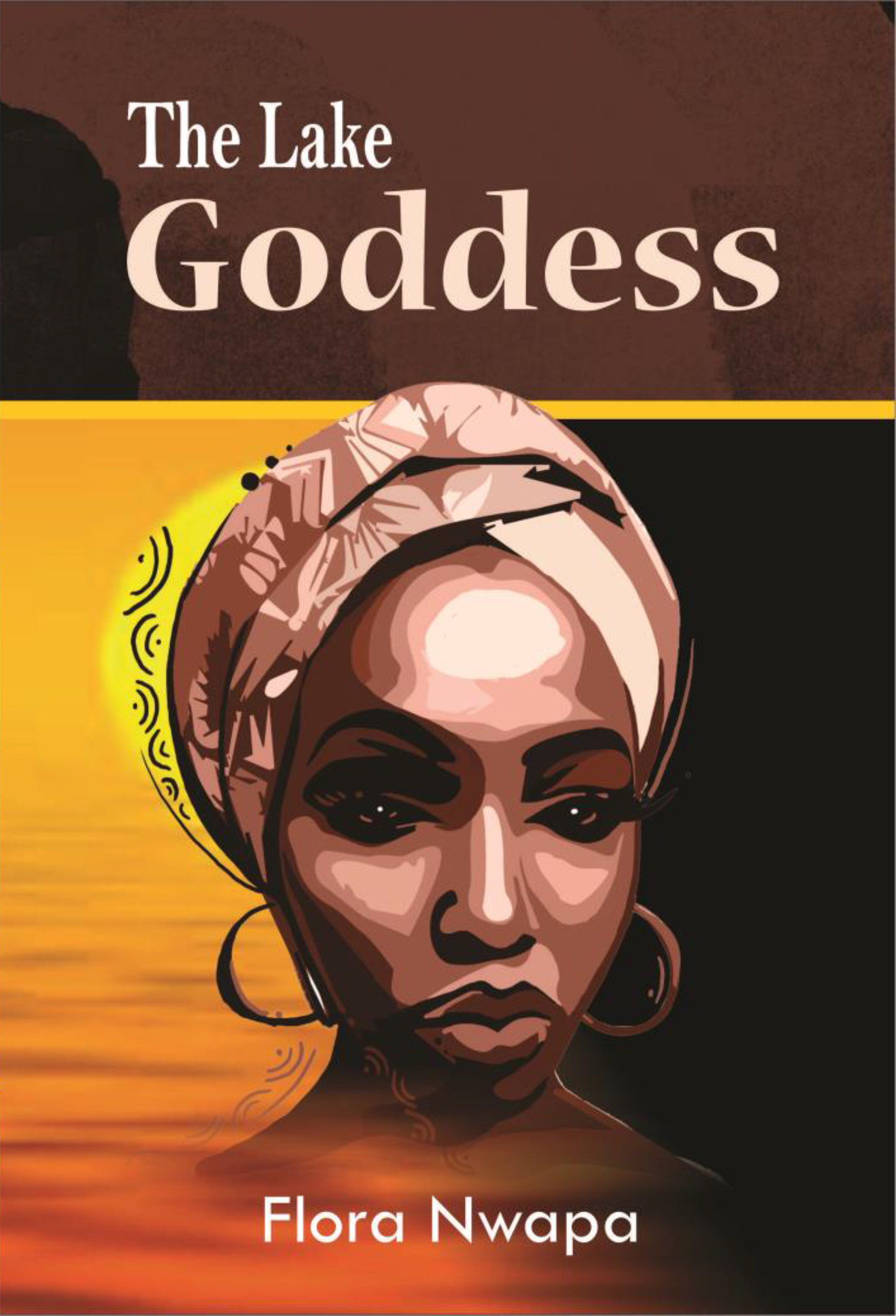
Lake Goddess
By Flora Nwapa
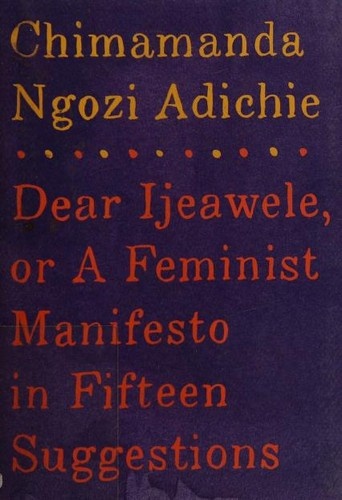
Dear Ijeawele, or A Feminist Manifesto in Fifteen Suggestions
By Chimamanda Ngozi Adichie
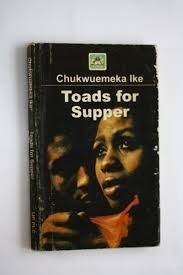
Toads for Supper
By Vincent Chukwuemeka Ike
Juo Obinna
By Tony Uchenna Ubesie
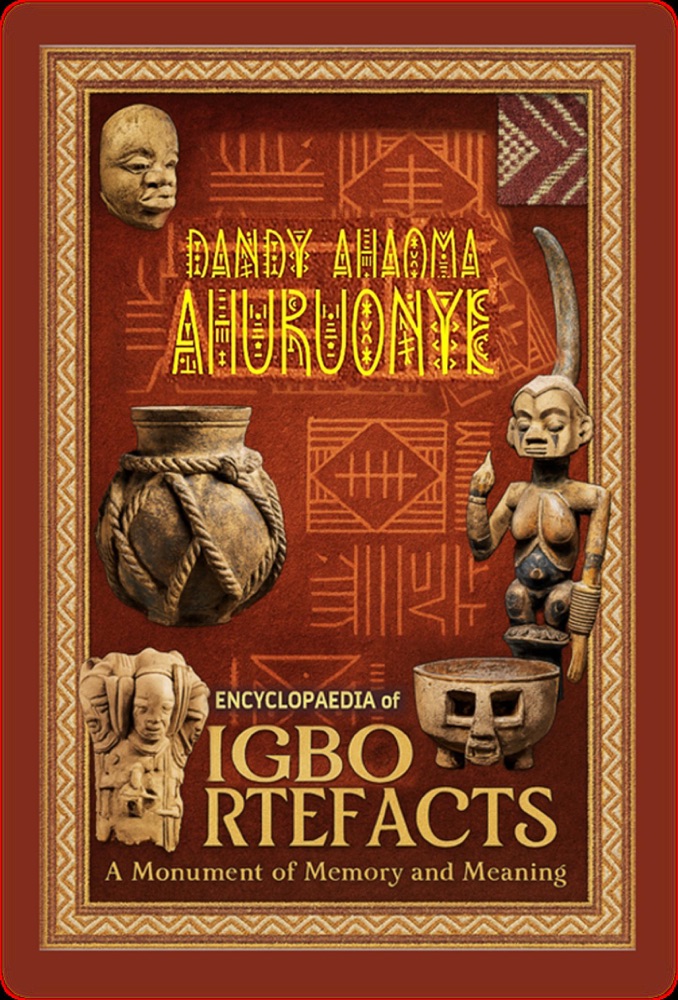
Encyclopaedia of Igbo Artefacts
By Dandy Ahaoma Ahuruonye
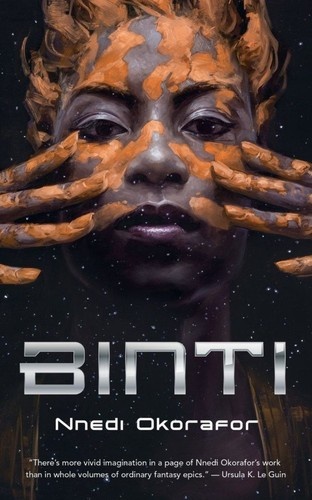
Binti
By Nnedi Okorafor
Sanctificum
By Christopher Abani
The Agwu deity in Igbo religion
By Jude C. U. Aguwa
Political Organization in Nigeria Since the Late Stone Age
By John Oriji