

Wall Painting in Okwu Village
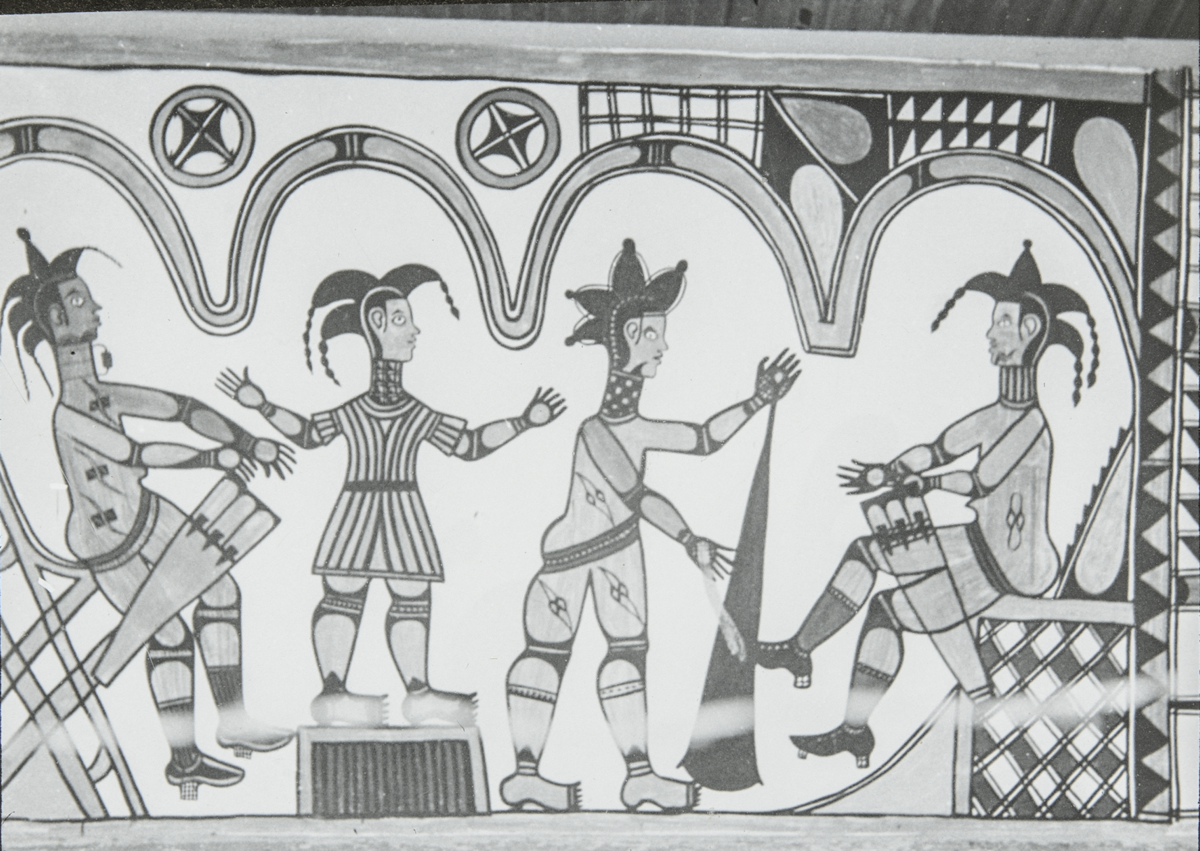
A photograph depicting a close-up of a wall painting in Okwu village, created by an Anang artist in the style of Ngwomo ghost houses. The artwork features four stylized humanoid figures positioned under rounded arches. The first figure on the left is seated, the second stands with arms stretched out, the third is standing, and the fourth is seated. Each figure possesses an elaborate coiffure. The scene is framed by an arched pattern at the top and surrounded by geometric borders and designs, including zig-zag or chevron patterns and various circular and diamond-shaped motifs.
Community Notes

Onyeka Nwokike
Nov 04, 2026
The Ngwomo style is associated with traditional artistic expressions used in sacred or spiritual spaces, such as the Ekpe society meeting houses described in Art, Spirituality, and Authority: The Ekpe Society’s Ngwomo. In Okwu village, these paintings were applied to the low front wall of a meeting house, while other examples of Ngwomo ghost houses feature U-shaped walls painted with frescoes and topped with raffia mat roofs, as documented by the Cambridge Museum of Archaeology and Anthropology.
Onyeka Nwokike
Nov 04, 2026
The term Ngwomo is related to the Ibibio word nwimo (or nwomo), which refers to a funerary shrine or a House of the Dead. According to TRC Leiden, these shrines are created to commemorate deceased individuals and serve as a spiritual route for the soul to reach the ancestors. This tradition is also noted in the Horniman Museum and Gardens, which identifies these as male funerary shrines from the Annang or Opobo areas.
Log in to add context.
Explore Further
Discover related books and stories to deepen your understanding.

Art of Eastern Nigeria
By G.I. Jones

An Introduction to Nigerian Traditional Architecture: South-Eastern Nigeria: The Igbo-speaking …
By Z.R. Dmochowski

Igbo Arts: Community and Cosmos
By Herbert M. Cole and Chike G. Aniakor

A Grammar of Contemporary Igbo: Constituents, Features and Processes
By E. Nolue Emenanjo

Things Fall Apart
By Chinua Achebe

Igbo (Visions of Africa Series)
By Herbert M. Cole

Second Class Citizen
By Buchi Emecheta

THE INDIGENOUS PEOPLE OF IGBOLAND: A Captivating Guide to the …
By Vivian Chibuife

Mbari: Art and the Life Among the Owerri Igbo
By Herbert M. Cole
You May Also Like
Female Ekpe Helmet Mask
By Kenneth C. Murray
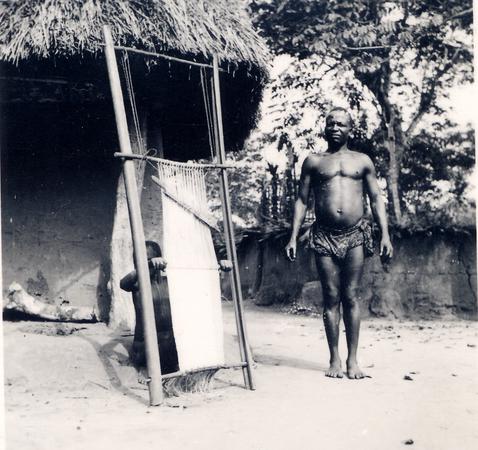
Weaver using Vertical Loom
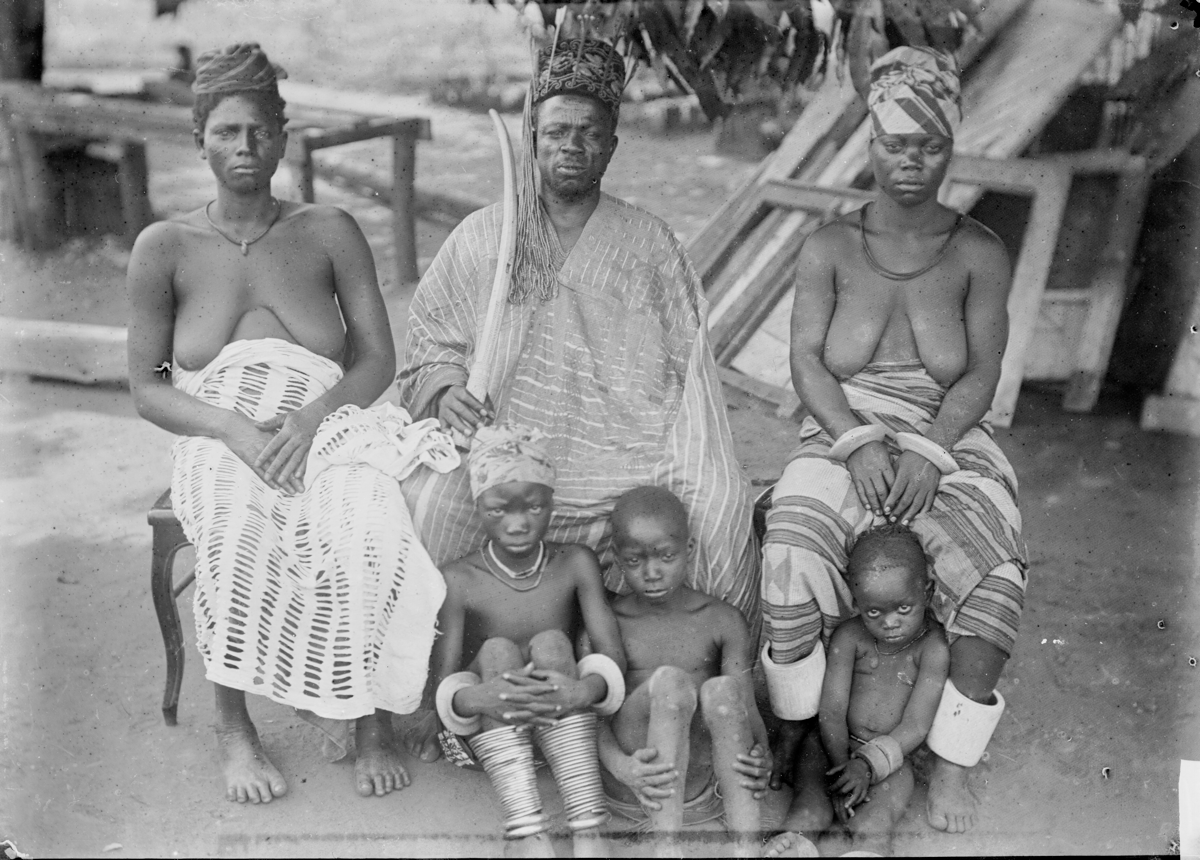
Family Group Along the Niger River
By William Henry Crosse
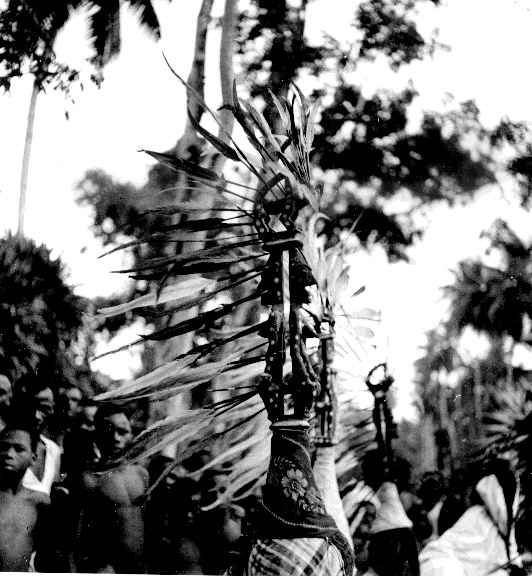
Feathered Headdress Ogonya Play
By G.I. Jones
Igbo bu Igbo (Great Igbo)
By Northcote Thomas
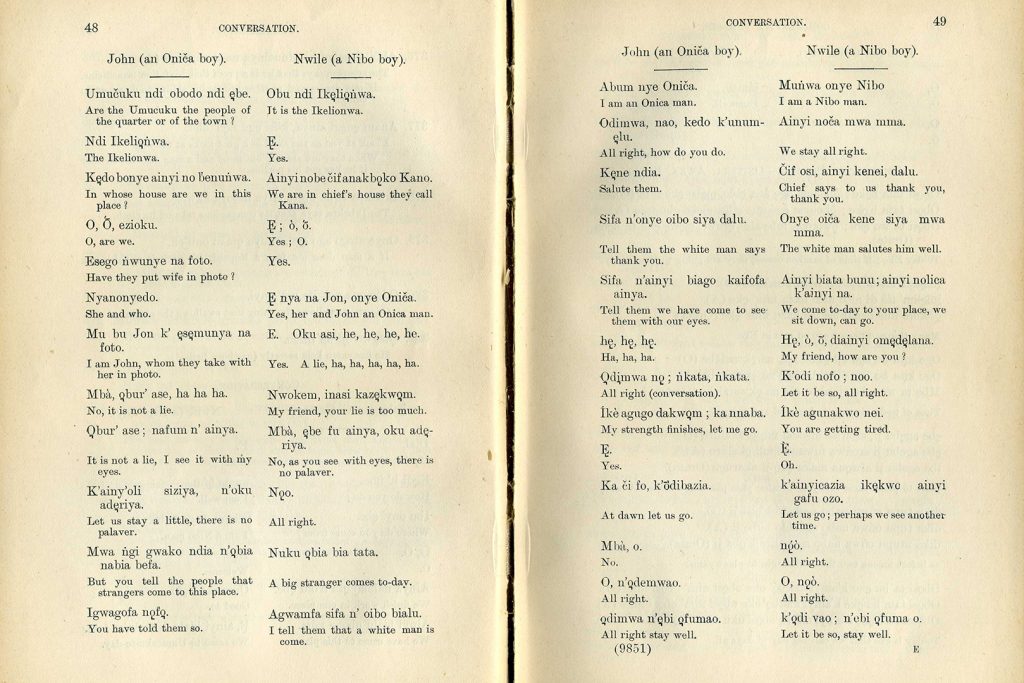
Conversation between John and Nwile
By Northcote Thomas
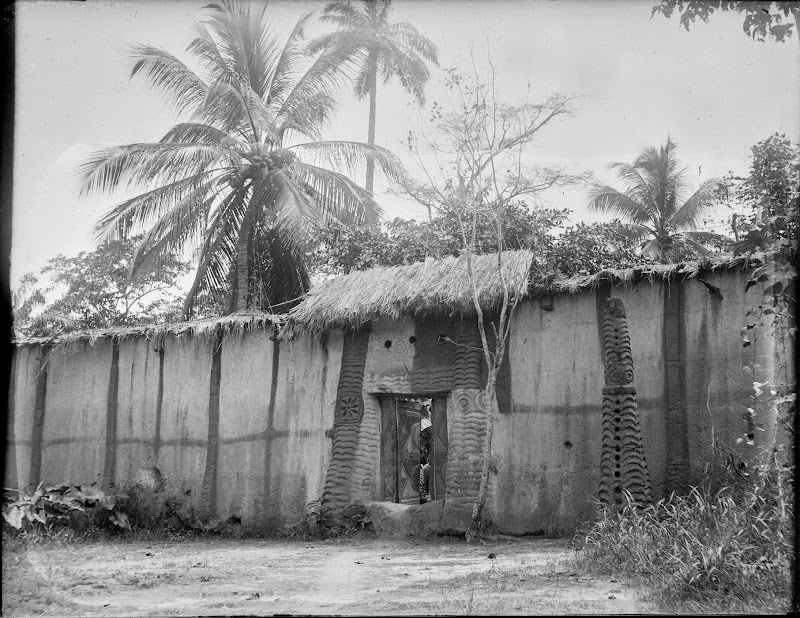
Aja Ǹgwùlù (Entrance to an Igbo Compound)
By Herbert Wimberley
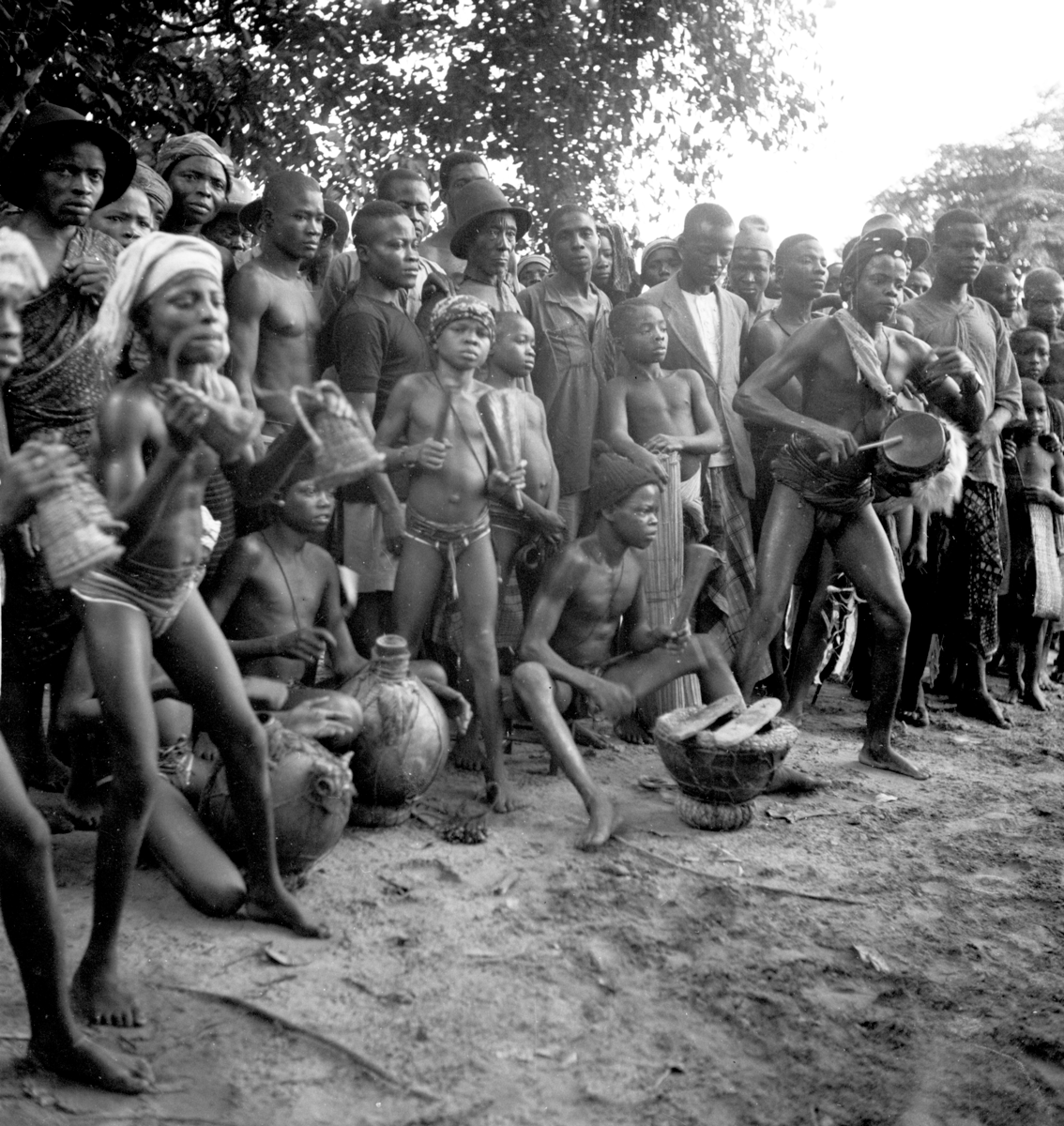
Igbo Musical Band in Cross River Area
By G.I. Jones

G.I. Jones at Nsude Village Shrine Pyramid
By G.I. Jones
No comments yet. Be the first to share your thoughts!