
Art of Eastern Nigeria
by G.I. Jones

Book Author / Creator
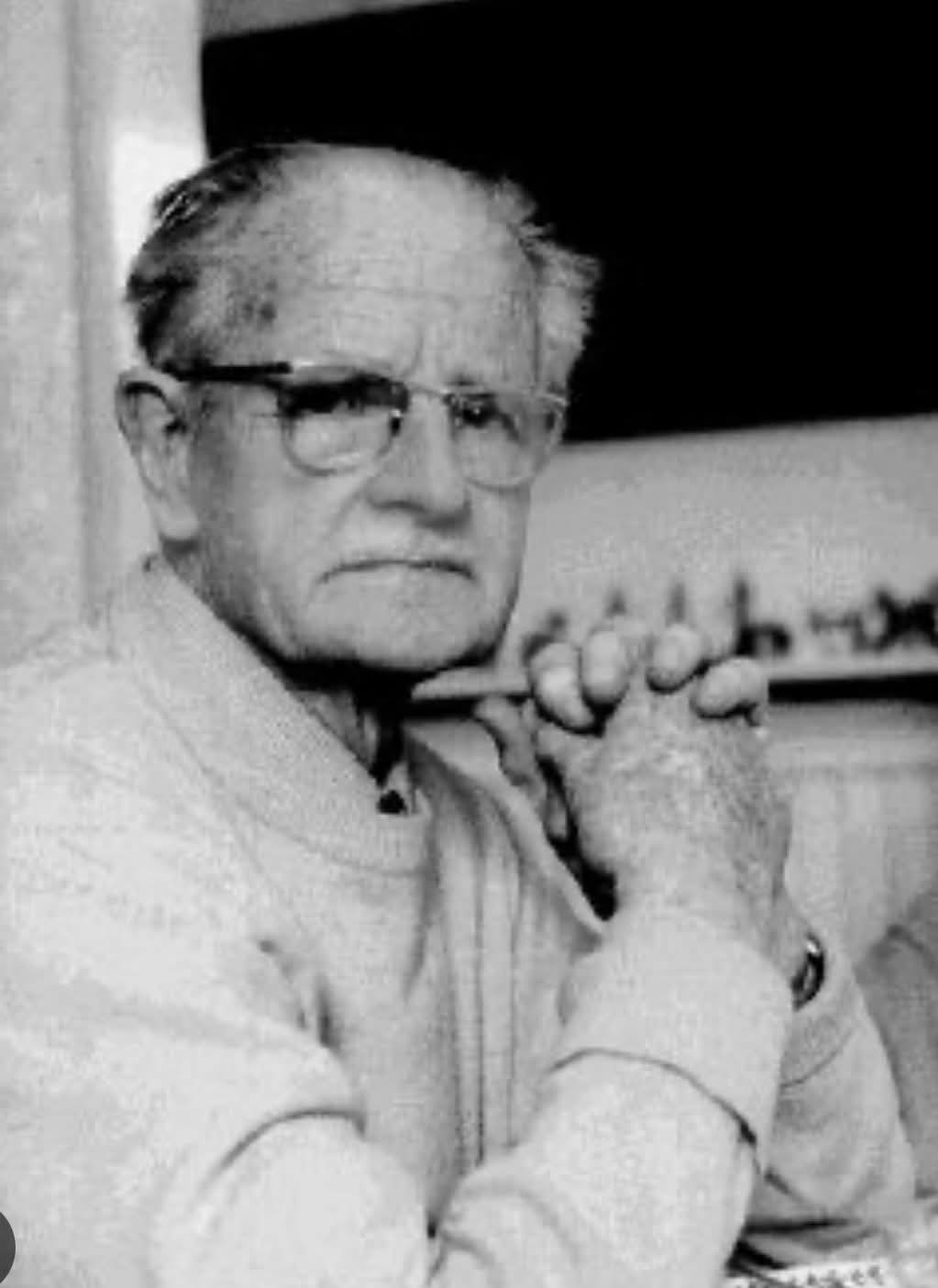
G. I. Jones (Gwilym Iwan Jones, 1904–1995) was a British colonial administrator and anthropologist best known for his extensive photographic documentation of Igbo art and …
Read full bio →A Definitive Visual Survey
Art of Eastern Nigeria by G.I. Jones is a seminal text in the field of African art history, written by a man who possessed a rare combination of roles: a colonial administrator and a Cambridge anthropologist. Jones spent over two decades in Nigeria (1926–1946), during which he took thousands of high-quality photographs of masquerades, shrines, and everyday life. This book is the culmination of that fieldwork, offering a rigorous classification of the art forms found in the Igbo, Ibibio, and Ogoni speaking areas. Unlike many art books that focus on museum pieces divorced from their context, Jones's work is grounded in the functional reality of the art as it was used in the villages.
The Functionalist Approach
Jones adopts a functionalist perspective, arguing that African art cannot be understood purely for its aesthetic qualities. He categorizes the art based on its social utility. The book details how masks and figures were integral to social control, serving as tangible representations of spiritual authority. He distinguishes between the 'beautiful' masks (often portraying maidens or spirits of peace) and the 'ugly' or fierce masks (portraying aggressive spirits used for policing). He explains how these visual opposites were used to act out the dualities of human existence—order and chaos, gentle and fierce—within the community festivals.
Styles and Sub-styles
The text provides a detailed stylistic analysis of the region. Jones breaks down the art of Eastern Nigeria into specific sub-styles, identifying the unique characteristics of the Northern Igbo, Southern Igbo, and Cross River styles. He discusses the technical aspects of the carvings—the abstraction of the human face, the use of distortion for emotional effect, and the surface patination. He also covers the skin-covered masks of the Cross River region, explaining the unique technology used to create these hyper-realistic visages. His analysis helps the reader distinguish between a mask made in Onitsha and one made in Afikpo, noting the subtle differences in curvature and motif.
Documentation of Disappearing Forms
One of the book's most significant contributions is its documentation of art forms that have since evolved or disappeared. Jones records the elaborate 'Mbari' mud houses of the Owerri Igbo and the towering 'Ijele' masks. His photographs serve as a primary archive, preserving the visual history of festivals that were later disrupted by modernization and the Nigerian Civil War. He also touches on the role of the artist, describing the carver not as a solitary genius but as a skilled craftsman working within the strict parameters of community tradition.
Legacy
G.I. Jones’s scholarship is characterized by its empirical precision and lack of romanticism. He describes what he saw with the eye of a trained observer. This book is essential for collectors, art historians, and anthropologists. It remains one of the most reliable reference works for identifying and understanding the material culture of Southeastern Nigeria, providing a bridge between the colonial era and the modern appreciation of African art.


You May Also Like
Lake Goddess
By Flora Nwapa

Dear Ijeawele, or A Feminist Manifesto in Fifteen Suggestions
By Chimamanda Ngozi Adichie
Toads for Supper
By Vincent Chukwuemeka Ike

Juo Obinna
By Tony Uchenna Ubesie
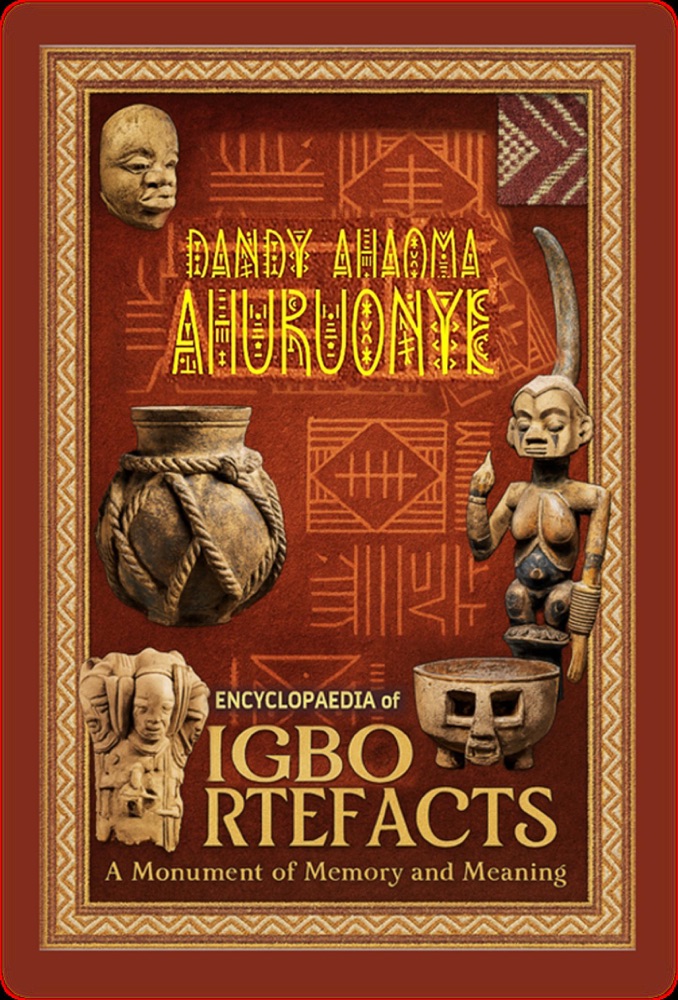
Encyclopaedia of Igbo Artefacts
By Dandy Ahaoma Ahuruonye
Binti
By Nnedi Okorafor
Sanctificum
By Christopher Abani
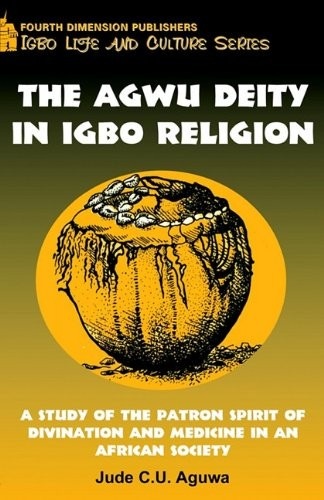
The Agwu deity in Igbo religion
By Jude C. U. Aguwa
Political Organization in Nigeria Since the Late Stone Age
By John Oriji