

G.I. Jones at Nsude Village Shrine Pyramid

A black-and-white photograph from the 1930s showing anthropologist G.I. Jones seated in front of a stepped earthen pyramid at the Nsude Village Shrine in Abaja, Northern Igbo region. The pyramid structure consists of rounded graduated steps decreasing in size and culminating in a pointed apex. The structure, made of mud, stands in an open area surrounded by grasses and vegetation. Jones is wearing shorts, a white shirt, and a pith helmet. The Nsude pyramids were temples dedicated to the deities Ala and Uto, with each structure representing a residence for the deity. These monuments demonstrate the architectural achievements of the Igbo people and their religious practices. The photograph documents the cultural significance of these shrines, which were associated with the Uto deity and served as important spiritual centers in the region.
Community Notes

Onyeka Nwokike
Apr 19, 2026
As of 1935, there were ten such circular stepped pyramids located in the area known as Ugwu Uto, according to Nsude Pyramids: The Pride of Ancient Igbos and Odinani - Wikipedia.
Onyeka Nwokike
Apr 19, 2026
These structures functioned as ritual centers rather than funerary tombs, distinguishing them from the pyramids of Egypt or Kush. As noted in Nsude Pyramids: Hidden Giants of Igboland, they were dedicated to the Earth Mother, Ala, or the deified war hero Uto.
Onyeka Nwokike
Apr 19, 2026
The pyramids were documented by E.R. Chadwick in 1935 for the publication Nigerian Field, a reference noted by the MAA Cambridge archive. In 1938, English archaeologist Kenneth Murray conducted a subsequent expedition to document these and other archaeological sites in the region, as detailed in Nsude Pyramid: Spirituality in Igbo Architecture.
Log in to add context.
Explore Further
Discover related books and stories to deepen your understanding.

Art of Eastern Nigeria
By G.I. Jones

Igbo Arts: Community and Cosmos
By Herbert M. Cole and Chike G. Aniakor

An Introduction to Nigerian Traditional Architecture: South-Eastern Nigeria: The Igbo-speaking …
By Z.R. Dmochowski

Igbo (Visions of Africa Series)
By Herbert M. Cole

Mbari: Art and the Life Among the Owerri Igbo
By Herbert M. Cole
The Agwu deity in Igbo religion
By Jude C. U. Aguwa

Igbo Art And Culture: And Other Essays
By Simon Ottenberg

ODINANI: The Igbo Sacred Tradition
By Emmanuel Ojiaku

Ohaffia: A Matrilineal Ibo People
By Philip O. Nsugbe


You May Also Like
Ugie Ewere Festival Song
By Northcote Thomas
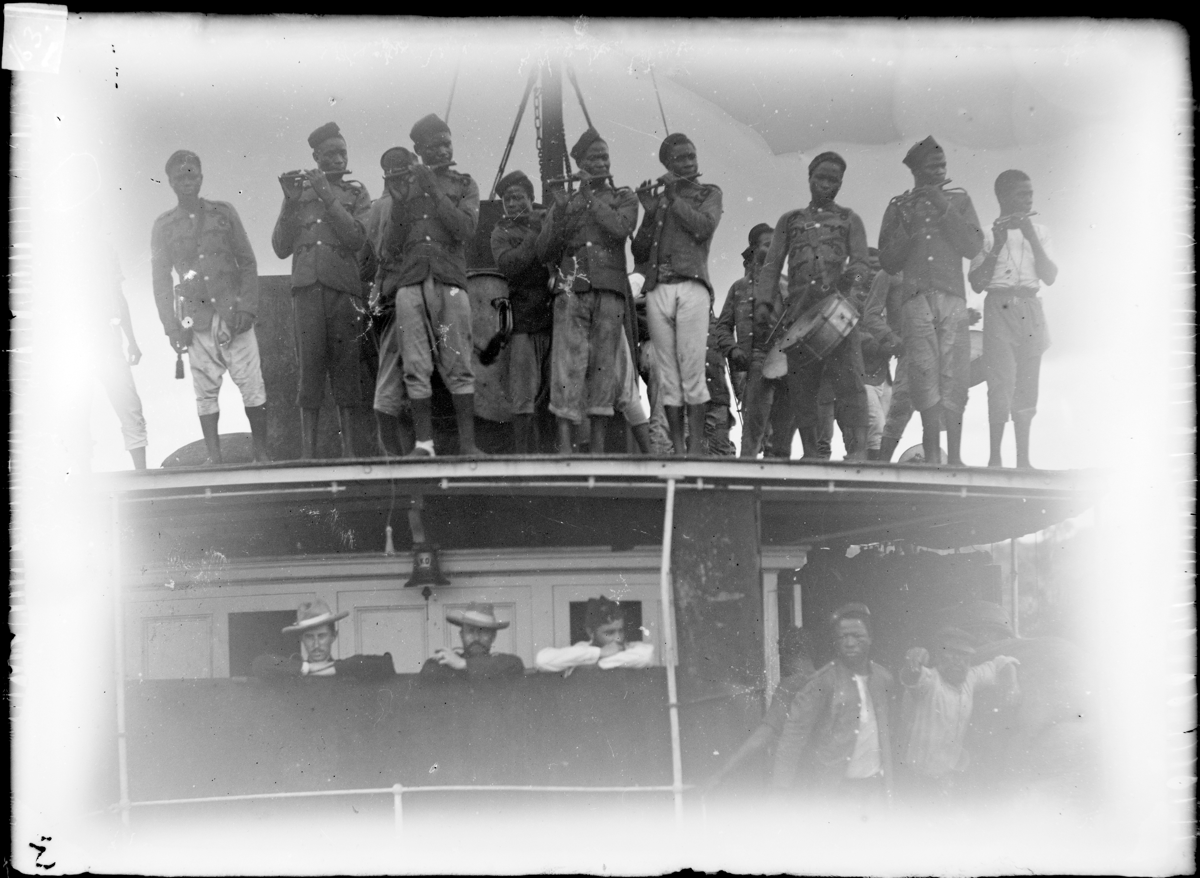
Royal Niger Company Constabulary Band
By William Henry Crosse
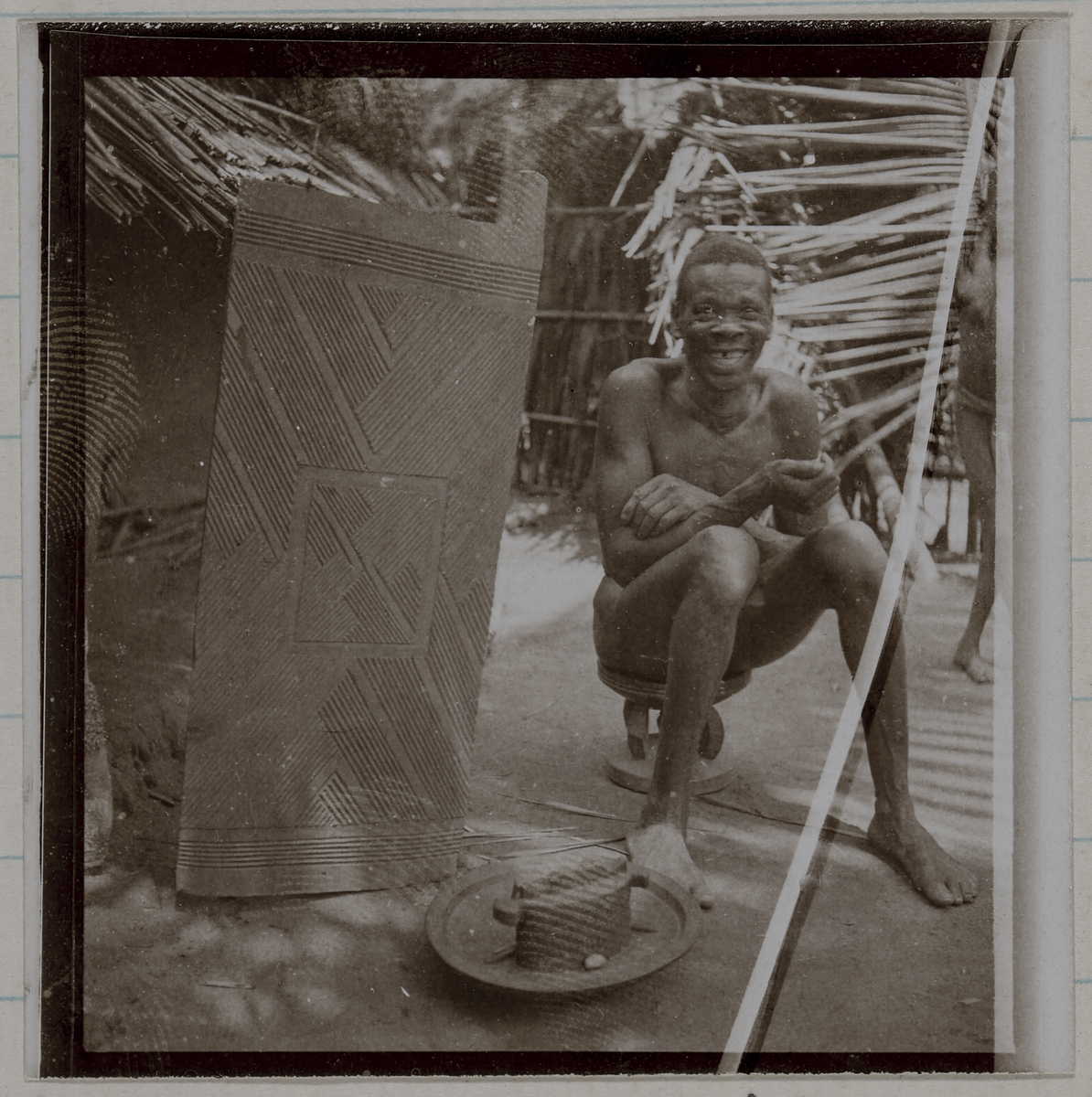
Portrait of a Man with Carved Wooden Door
By G.I. Jones
Landscape with Buildings and Trees along the Niger River
By William Henry Crosse
Igbo War Shouting Recording
By Northcote Thomas
Corrugated Metal Building and Individual along the Niger River
By William Henry Crosse
Building on the Banks of the Niger River
By William Henry Crosse
Oji Onu Masquerade with Janus-Faced Helmet Mask
By G.I. Jones
Obugulu Mau Masqueraders at Amobia Village
By G.I. Jones
No comments yet. Be the first to share your thoughts!