
Entrance Portico of Chief Ogbua's Iba
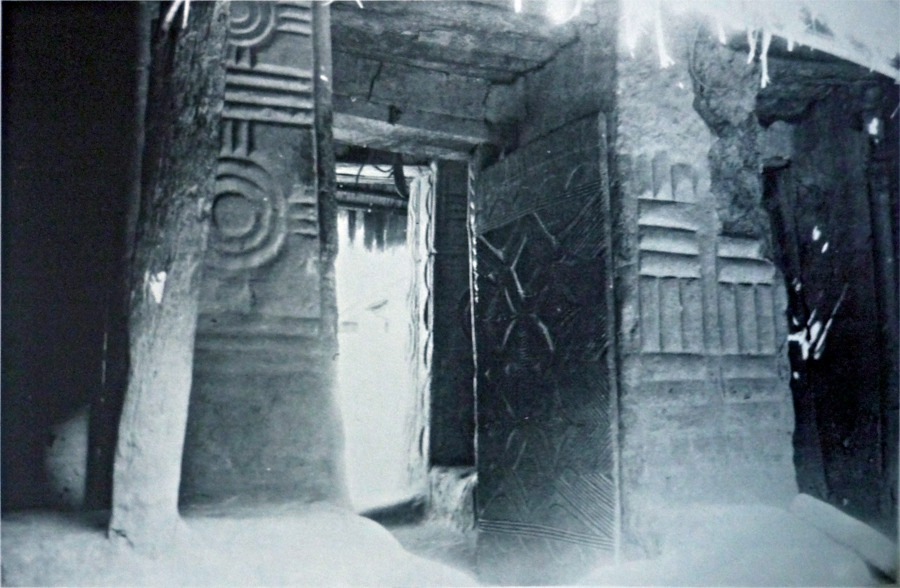
This black-and-white photograph, taken in 1961 by Z.R. Dmochowski as part of his documentation of Nigerian traditional architecture, features the entrance portico of Chief Ogbua's Iba (palace or house) in Onitsha. The entrance is adorned with intricate Igbo wood carvings on pillars and walls, depicting symbolic motifs and ancestral figures that reflect the owner's spiritual and social status.
Community Notes

Onyeka Nwokike
Apr 20, 2026
The Iba functions as a core component of the traditional social and moral order in Onicha, representing the patrilineage (umunna) and the village (ogbe). Architecturally, the entryway is typically called the Ogwa, though it is termed the Ibali for a chief's residence, and the main central chamber is known as the Ani-Ezi, as described in The Ancestral House (Iba) in Onitsha, 1960-61 - A Mighty Tree.
Onyeka Nwokike
Apr 20, 2026
This photograph is part of a broader technical survey of Nigerian building traditions conducted by Zbigniew Roman Dmochowski. His comprehensive documentation, which includes photographs and detailed drawings from the early 1960s, was later synthesized into the three-volume series An Introduction to Nigerian Traditional Architecture published by Ethnographical Ltd, according to A Mighty Tree.
Onyeka Nwokike
Apr 20, 2026
Dmochowski's architectural study of Chief Ogbua's iba went beyond photography to include an isometric drawing, which provides a detailed sense of the building's spatial flow and movement between its interior and exterior sections (The Ancestral House (Iba) in Onitsha, 1960-61 - A Mighty Tree).
Onyeka Nwokike
Apr 20, 2026
The Polish architect dedicated his career to consolidating West African architectural records. He founded a large open-air ethnographic museum of traditional West African architecture in Jos to protect original buildings and eventually donated his collections and academic achievements to the Nigerian Federal Department of Antiquities.
Onyeka Nwokike
Apr 20, 2026
The documentation of Onitsha's architecture was later showcased in the 'Nigeria's Architectural Achievement' exhibition, which toured the United Kingdom and United States from 1988 to 1989 and was accompanied by a published catalogue
Log in to add context.
Explore Further
Discover related books and stories to deepen your understanding.

An Introduction to Nigerian Traditional Architecture: South-Eastern Nigeria: The Igbo-speaking …
By Z.R. Dmochowski

Jagua Nana
By Cyprian Ekwensi

Groundwork of the History and Culture of Onitsha
By S. I. Bosah

Lessons From Vernacular Architecture in Nigeria
By Joyce Lodson

Igbo Arts: Community and Cosmos
By Herbert M. Cole and Chike G. Aniakor

The House of Skulls: A Symbol of Warfare & Diplomacy …
By Nkparom C. Ejituwu and Stanley I. Okoroafor

Igbo (Visions of Africa Series)
By Herbert M. Cole

A Grammar of Contemporary Igbo: Constituents, Features and Processes
By E. Nolue Emenanjo

Mbari: Art and the Life Among the Owerri Igbo
By Herbert M. Cole
POLYGAMY: THE WAY OF A CHIEF
By Dandy Ahuruonye
You May Also Like
Carved Wooden Ceremonial Board Staff
By Kenneth C. Murray
Igbo bu Igbo (Great Igbo)
By Northcote Thomas
Ikem Masquerade Play in Umuahia
By G.I. Jones
Figure in an Ancestral Shrine, North Ika
By G.I. Jones
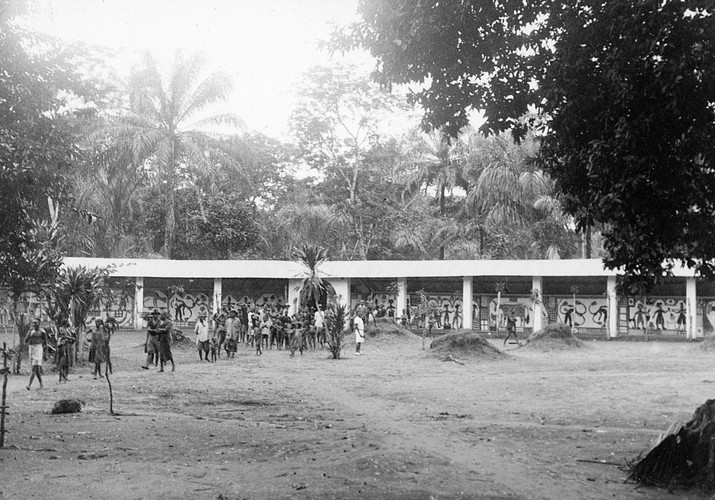
Mural Building at Okwu
By Edward Harland Duckworth
The Story of the Blind Man, the Cripple, the Poor …
By Northcote Thomas
Conversation in Igbo between John and Nwile
By Northcote Thomas
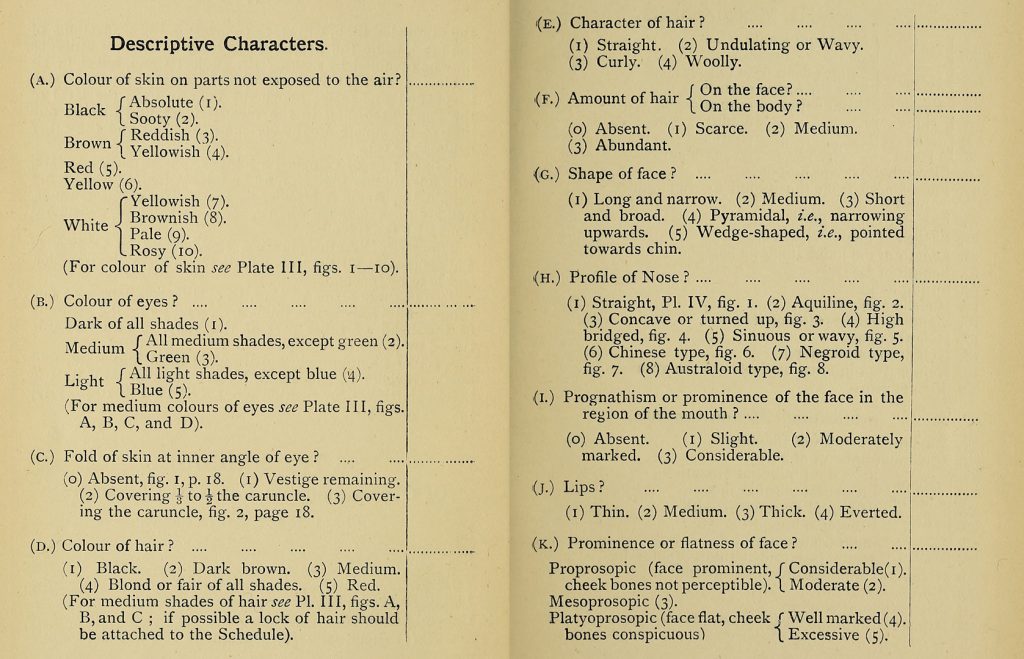
Notes and Queries on Anthropology: Descriptive Characters
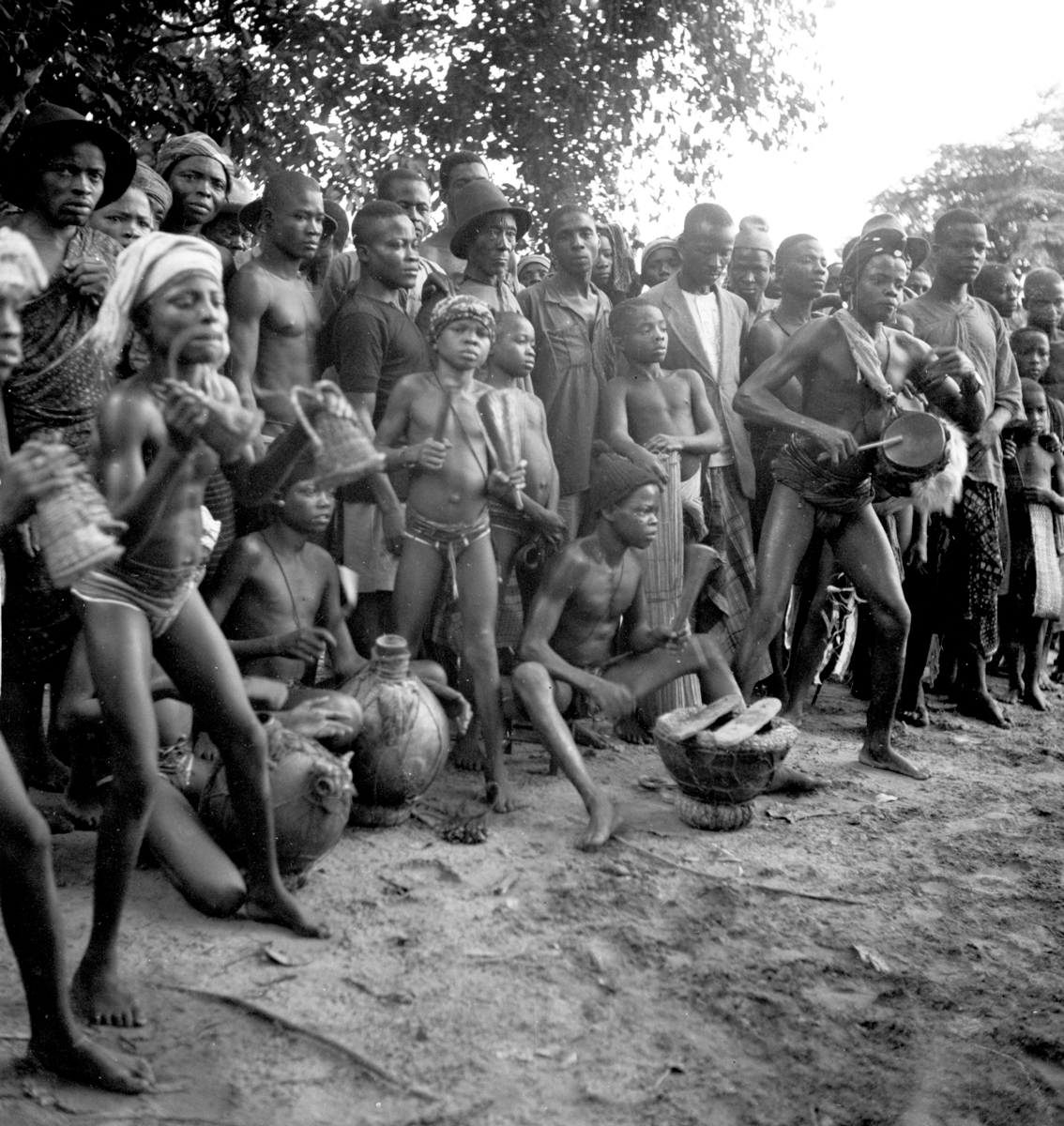
Igbo Musical Band in Cross River Area
By G.I. Jones
No comments yet. Be the first to share your thoughts!