
The House of Skulls: A Symbol of Warfare & Diplomacy in Pre-Colonial Niger Delta and Igbo Hinterland
by Nkparom C. Ejituwu and Stanley I. Okoroafor

Book Author / Creator
Book Details
- Publisher
- M and J Grand Orbit Communications
- Year
- 2016
- ISBN
- 9789785420852
The Politics of the Oju-Moh
The House of Skulls by Professor Nkparom Ejituwu and Stanley Okoroafor is a scholarly examination of a grim but significant institution in the pre-colonial history of the Niger Delta and its Igbo hinterland. The 'House of Skulls' (known as Oju-Moh in Andoni or similar terms in Bonny and Opobo) was a temple or monument constructed using the skulls of enemies killed in war or captured during raids. The authors move beyond the sensationalism of 'barbarism' to analyze the socio-political function of these structures. They argue that the display of skulls was a calculated instrument of statecraft, serving as a deterrent to aggressors and a tangible record of a city-state's military prowess.
Igbo-Delta Relations
The book explores the complex and often violent relationship between the riverine city-states (like Bonny, Andoni, and Opobo) and the Igbo hinterland. Since the Delta states relied on the Igbo interior for trade (palm oil and slaves) and food, but also raided them for manpower, the House of Skulls often contained the remains of Igbo warriors or captives. The authors analyze how this dynamic influenced inter-group diplomacy. The presence of a well-stocked House of Skulls was a diplomatic signal: it told neighbors that this state was strong, ruthless, and protected by powerful war deities.
Ritual and Cosmology
Ejituwu, a leading historian of the Andoni people, delves into the spiritual dimension of the practice. The skulls were not merely trophies; they were ritual objects believed to possess the spiritual energy of the deceased. By incorporating them into the shrine, the victors sought to harness the power of their defeated foes for the protection of their own community. The book discusses the rituals of 'cleansing' the skulls and the priesthood dedicated to maintaining these shrines. It contrasts these practices with similar martial traditions in other parts of the world, contextualizing them within the logic of pre-colonial African warfare.
The End of an Era
The text likely covers the decline of this practice with the advent of British colonialism and Christianity. The destruction of these shrines (like the House of Skulls in Bonny) was often a priority for missionaries and colonial officers who viewed them as the ultimate symbol of 'savagery.' The authors provide a revisionist history that seeks to understand the 'House of Skulls' on its own terms—as a legitimate, albeit violent, institution of international relations in a stateless society.


You May Also Like
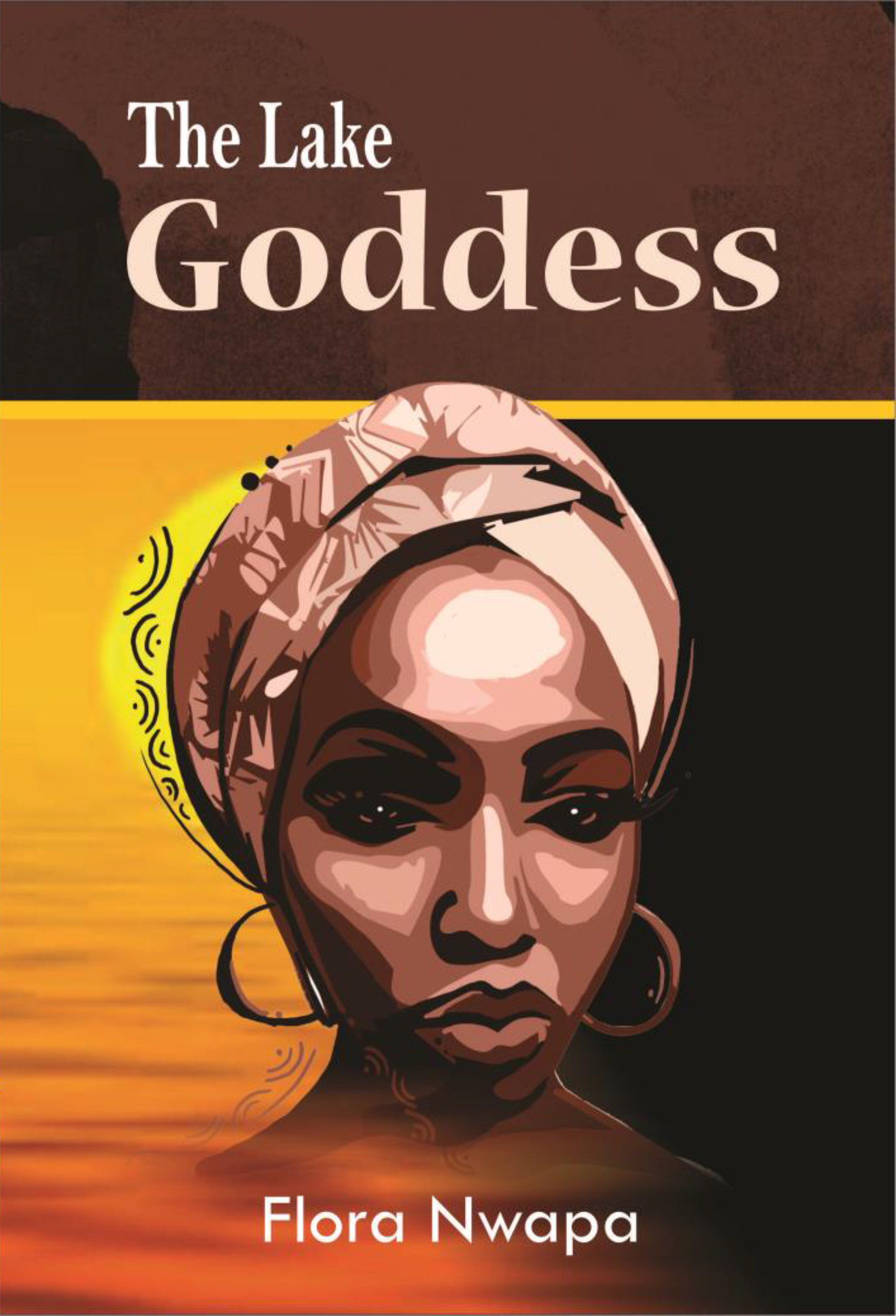
Lake Goddess
By Flora Nwapa
Dear Ijeawele, or A Feminist Manifesto in Fifteen Suggestions
By Chimamanda Ngozi Adichie
Toads for Supper
By Vincent Chukwuemeka Ike
Juo Obinna
By Tony Uchenna Ubesie
Encyclopaedia of Igbo Artefacts
By Dandy Ahaoma Ahuruonye
Binti
By Nnedi Okorafor
Sanctificum
By Christopher Abani
The Agwu deity in Igbo religion
By Jude C. U. Aguwa
Political Organization in Nigeria Since the Late Stone Age
By John Oriji