

The Gospel on the Banks of the Niger: Journals and Notices of the Native Missionaries Accompanying the Niger Expedition of 1857–1859
by Samuel Crowther and John Christopher Taylor

Book Author / Creator
A Primary Source of Igbo History
The Gospel on the Banks of the Niger is a foundational text for anyone studying the history of Christianity and early colonial contact in Igboland. Published originally in 1859, it contains the journals of two African missionaries—Samuel Ajayi Crowther (a Yoruba ex-slave who became the first African Anglican bishop) and Reverend John Christopher Taylor (an Igbo ex-slave born in Sierra Leone)—during the famous Niger Expedition. While Crowther's accounts are valuable, J.C. Taylor's journals are particularly poignant for Igbo history as they record the emotions of a man returning to the land of his parents (Isuama Igbo) after a lifetime in the diaspora.
The Founding of the Onitsha Mission
The book chronicles the establishment of the first CMS mission station in Onitsha in 1857. Taylor documents his daily interactions with the Obi of Onitsha (Obi Akazua) and the local population. These entries provide some of the earliest written descriptions of Onitsha society from a sympathetic yet critical outsider-insider perspective. He records the market prices, the architecture, the festivals, and the reception of the 'new religion.' Taylor's famous prayer upon landing—'I am now on the banks of the Niger... O Lord, I thank thee'—marks the symbolic beginning of the massive Christianization of the Igbo people.
Cultural Clashes and Observations
The journals offer raw, unfiltered observations of mid-19th-century Igbo customs. Taylor and Crowther express their horror at certain practices, such as the killing of twins and the treatment of slaves, which fueled their missionary zeal. However, they also document the hospitality, the sophisticated legal debates, and the deep religious piety of the people. They record early attempts to translate the Bible into Igbo, preserving early dialectal forms. The book captures the friction between the 'civilizing mission' of the Victorian era and the resilient traditional structures of the indigenous people.
The Sierra Leonean Agency
This volume highlights the crucial role played by 'Saros' (recaptured slaves from Sierra Leone) in the history of West Africa. It shows that the initial penetration of the Igbo hinterland was not led by white Europeans, but by fellow Africans who acted as cultural brokers. Taylor's ability to understand the language (albeit a different dialect) allowed for a depth of engagement that foreign missionaries could not achieve. This book is essential for understanding the indigenous roots of Nigerian Christianity.


You May Also Like
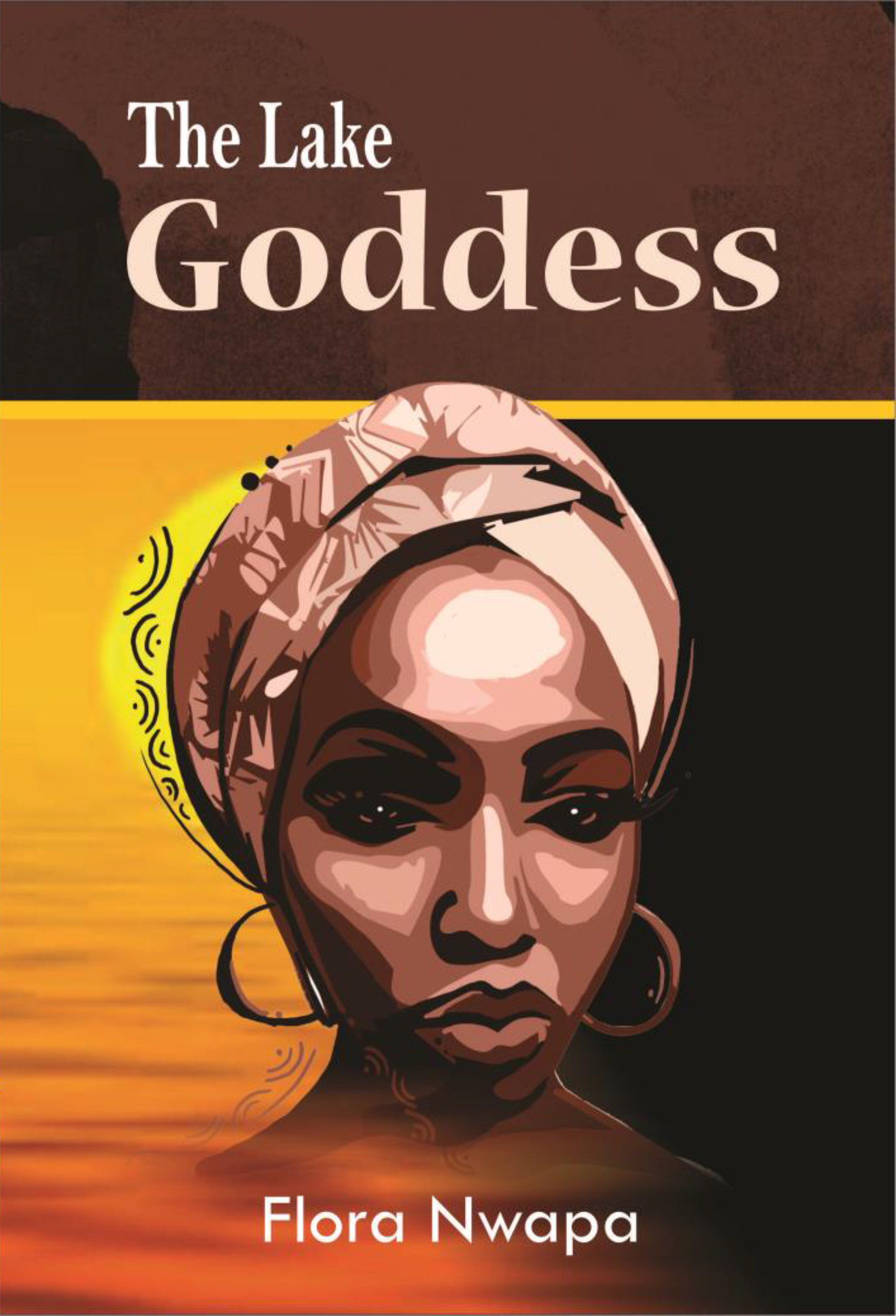
Lake Goddess
By Flora Nwapa

Dear Ijeawele, or A Feminist Manifesto in Fifteen Suggestions
By Chimamanda Ngozi Adichie
Toads for Supper
By Vincent Chukwuemeka Ike

Juo Obinna
By Tony Uchenna Ubesie
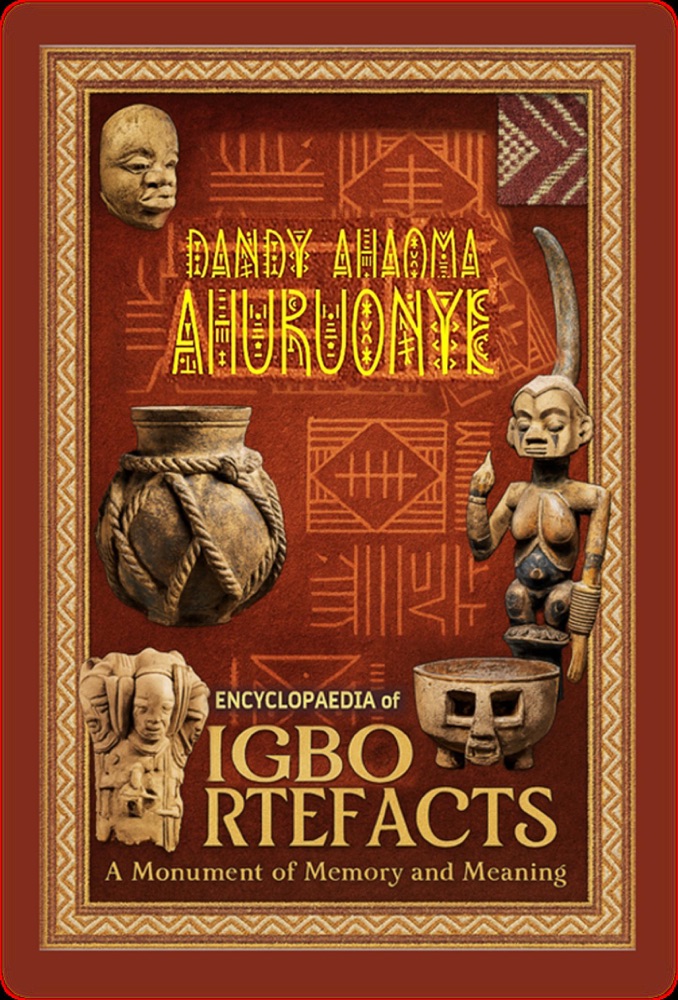
Encyclopaedia of Igbo Artefacts
By Dandy Ahaoma Ahuruonye

Binti
By Nnedi Okorafor
Sanctificum
By Christopher Abani
The Agwu deity in Igbo religion
By Jude C. U. Aguwa
Political Organization in Nigeria Since the Late Stone Age
By John Oriji