
The King in Every Man: Evolutionary Trends in Onitsha Ibo Society and Culture
by Richard N. Henderson

Book Author / Creator
The Democratization of Divinity
The King in Every Man by Richard N. Henderson is a monumental anthropological study that focuses on the unique society of Onitsha Ado. The title itself encapsulates the central thesis of the book: unlike absolute monarchies where power is concentrated solely in one figure, Onitsha society evolved a system where the pursuit of the Ozo title effectively allows every man to become a 'king' within his own household and lineage. Henderson argues that this diffusion of sacred authority created a dynamic balance between the central monarchy (the Obi) and the republican aspirations of the titled nobility (Ndi Ozo).
A Tale of Two Cultures
Henderson meticulously reconstructs the history of Onitsha from 1500 to 1800, exploring its dual heritage. He analyzes the town as a synthesis of the 'acephalous' (stateless) democratic traditions of the Igbo hinterland and the centralized, hierarchical traditions of the Benin Kingdom (Bini). The book details how the Onitsha people adapted the Benin-style kingship to fit an Igbo worldview, transforming the Obi from an absolute despot into a constitutional monarch checked by powerful chiefs (Ndichie) and the age-grade associations.
The Ozo Title System
The book is perhaps the most authoritative source on the Ozo title system. Henderson explains the arduous and expensive process of taking the title, which involves elaborate rituals of purification, feasting, and the redistribution of wealth. He describes the Ozo titleholder as a 'living ancestor,' a man who has sanctified himself and is thus accorded the same respect as the spirits. The text explores the symbols of this office—the ankle cords, the red cap, and the iron staff (Alo)—decoding their spiritual and political meanings.
Evolutionary Theory in Context
Using an evolutionary framework, Henderson tracks how Onitsha society adapted to the pressures of the Atlantic slave trade and later the palm oil trade. He discusses the role of the riverine geography in shaping the town's cosmopolitan outlook. The book also touches on the role of women, specifically the Omu (Queen Mother), showing how female authority paralleled the male hierarchy. It is a dense, scholarly text that provides a deep structural analysis of how an African city-state functioned before European colonization.


You May Also Like
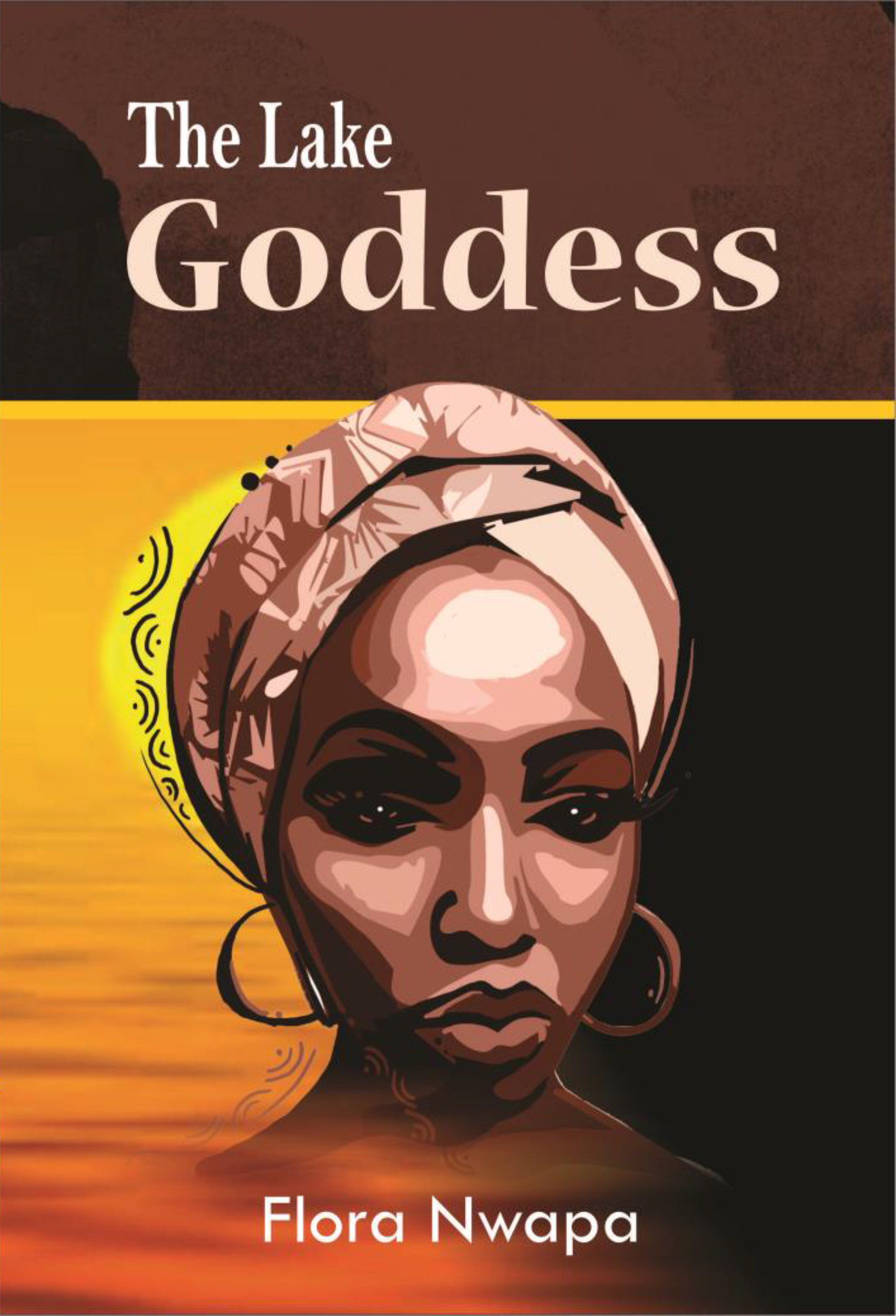
Lake Goddess
By Flora Nwapa
Dear Ijeawele, or A Feminist Manifesto in Fifteen Suggestions
By Chimamanda Ngozi Adichie
Toads for Supper
By Vincent Chukwuemeka Ike

Juo Obinna
By Tony Uchenna Ubesie
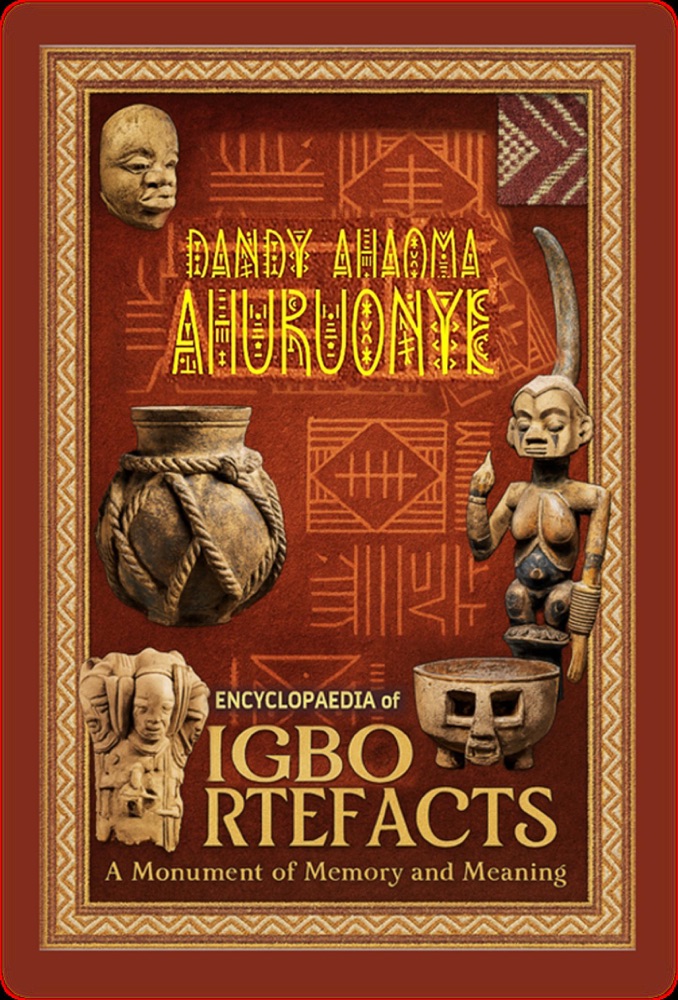
Encyclopaedia of Igbo Artefacts
By Dandy Ahaoma Ahuruonye
Binti
By Nnedi Okorafor
Sanctificum
By Christopher Abani
The Agwu deity in Igbo religion
By Jude C. U. Aguwa
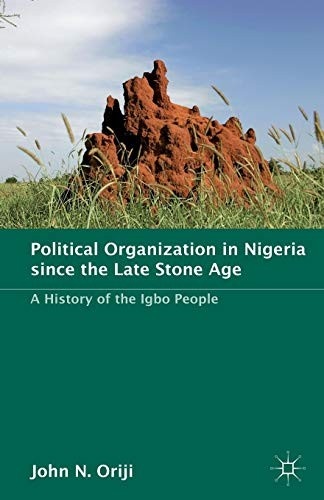
Political Organization in Nigeria Since the Late Stone Age
By John Oriji