

The Rise of British Colonialism in Southern Nigeria, 1700-1900: A Study of the Bights of Benin and Bonny
by Kalu E. Ume

Book Author / Creator
The Economics of Conquest
The Rise of British Colonialism in Southern Nigeria, 1700-1900 by Kalu E. Ume is a rigorous historical analysis of the transition from trade to direct colonial rule in the Niger Delta and Igbo hinterland. Ume focuses on the Bights of Benin and Bonny (historically known as the Bight of Biafra), arguing that the primary driver of British expansion was not humanitarianism or religion, but cold economic interest. The book tracks the shift from the Atlantic slave trade to the so-called 'legitimate commerce' in palm oil, showing how this economic transition necessitated a deeper political involvement by the British Crown.
The Royal Niger Company
A key focus of the text is the role of chartered companies, specifically the Royal Niger Company (RNC), in paving the way for colonization. Ume details how the RNC, under George Goldie, used unfair treaties, gunboats, and economic strangulation to secure monopolies against both African middlemen (like Jaja of Opobo) and French/German rivals. The book documents the 'Akassa Raid' and other acts of resistance by local communities who saw their livelihoods threatened by these foreign monopolies.
Missionaries as Agents of Change
Ume also analyzes the role of Christian missionaries as the 'soft power' of colonialism. He argues that while many missionaries had genuine spiritual intentions, their activities inevitably undermined traditional authority and prepared the ground for British administration. The book explores the cultural conflict that arose when missionary education began to create a new class of 'Westernized' Africans who were alienated from their own customs but not fully accepted by the Europeans.
The Collapse of Sovereignty
The book culminates in the revocation of the RNC's charter and the proclamation of the Protectorate of Southern Nigeria in 1900. Ume explains the military campaigns (the 'Pacification') used to subdue the independent city-states and the Igbo interior. He provides a detailed account of how the diverse political structures of the region—from the monarchies of the coast to the republican villages of the interior—were systematically dismantled or co-opted into the colonial Native Authority system. It is a critical study of the mechanisms of imperialism.


You May Also Like

Lake Goddess
By Flora Nwapa
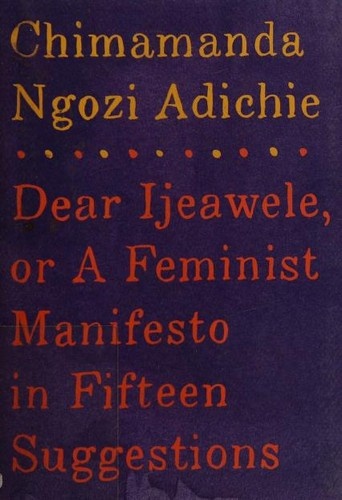
Dear Ijeawele, or A Feminist Manifesto in Fifteen Suggestions
By Chimamanda Ngozi Adichie
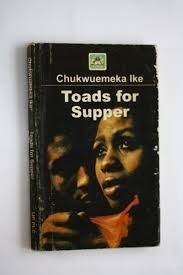
Toads for Supper
By Vincent Chukwuemeka Ike

Juo Obinna
By Tony Uchenna Ubesie
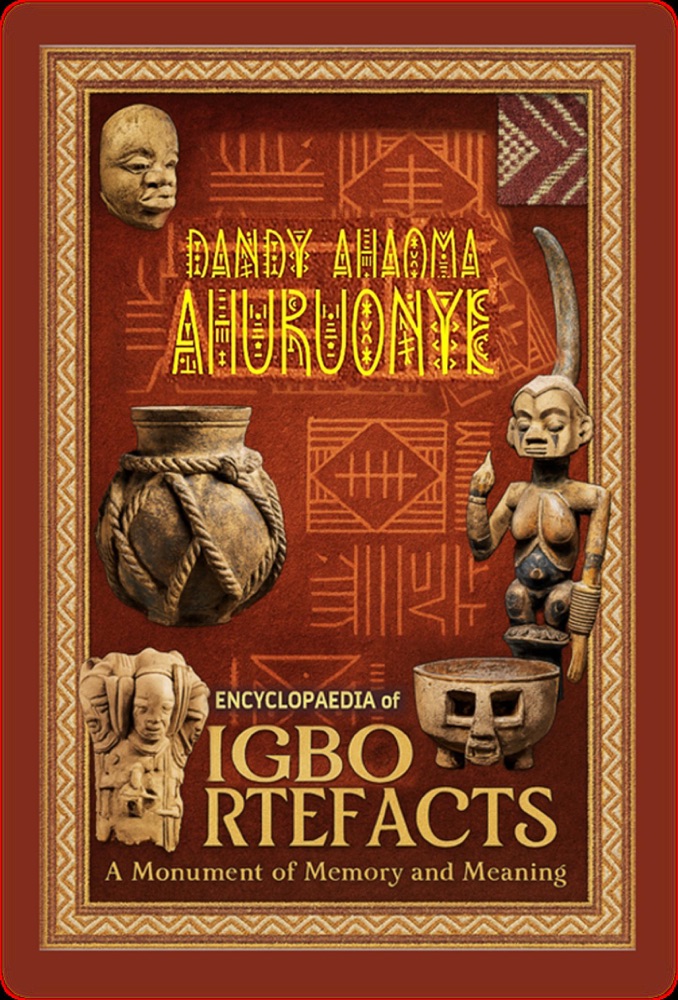
Encyclopaedia of Igbo Artefacts
By Dandy Ahaoma Ahuruonye

Binti
By Nnedi Okorafor
Sanctificum
By Christopher Abani
The Agwu deity in Igbo religion
By Jude C. U. Aguwa
Political Organization in Nigeria Since the Late Stone Age
By John Oriji