

Groundwork of the History and Culture of Onitsha
by S. I. Bosah

Book Author / Creator
The Encyclopedia of Onitsha Ado
Groundwork of the History and Culture of Onitsha by S.I. Bosah is widely regarded as the foundational text for anyone studying the history of Onitsha (Onitsha Ado N'Idu). Written by an indigenous historian, the book captures the oral traditions, genealogical charts, and cultural practices of the town before they could be eroded by time. It is an exhaustive compendium that covers the origins, the migration from the Benin Empire, and the settlement on the eastern bank of the River Niger. Bosah’s work is frequently cited by academics because it codifies the 'official' version of Onitsha history as understood by its elders in the mid-20th century.
The Chima Migration and Kingship
The book details the legend of Chima, the progenitor who led the migration from Benin (Idu) following a dispute with the Oba. Bosah traces the journey of the immigrants, their stops at various towns (like Onitsha-Ugbo and Obosi), and their eventual establishment in their current location. A significant portion of the book is dedicated to the institution of the Obi (King) of Onitsha. Bosah lists the dynasties of the Obis, describing the unique and elaborate coronation rituals that distinguish the Onitsha monarchy from other Igbo kingships. He explains the complex balance of power between the Obi and his council of chiefs, the Ndichie.
Social Structure: Ndichie and Agbalanze
Bosah provides a structural analysis of Onitsha society. He explains the hierarchy of the Red Cap Chiefs (Ndichie Ume, Ndichie Okwa, and Ndichie Okwa-Araze), detailing their specific administrative and spiritual functions. The book also explores the prestigious Agbalanze (Ozo title) society, explaining the costly initiation rites and the high social status accorded to its members. He clarifies the difference between the indigenous Onitsha people and the 'non-indigenes' who settled later, a distinction that remains politically relevant in the city today.
The Role of Women: Otu-Odu
The author highlights the powerful role of women in Onitsha society through the Otu-Odu (Society of the Ivory Tusk). He describes this as the female equivalent of the Ozo title, reserved for wealthy and influential women. Bosah details their regalia—massive ivory anklets and bracelets—and their influence on market trade and community decisions. This section challenges the notion of female invisibility in traditional societies, showing that Onitsha women held significant economic and social power.
Cultural Rites and Festivals
The book serves as a manual for Onitsha's cultural calendar. It provides in-depth descriptions of the Ofala Festival, the annual outing of the King, which is the highlight of the Onitsha year. Bosah explains the spiritual significance of the festival as a period of renewal and thanksgiving. He also covers the Golibe festival and various masquerade cults. The text documents the rites of passage, from birth and naming to the elaborate funeral ceremonies for titled men. Groundwork remains an indispensable resource for understanding the unique 'Benin-Igbo' hybrid culture that defines Onitsha.


You May Also Like
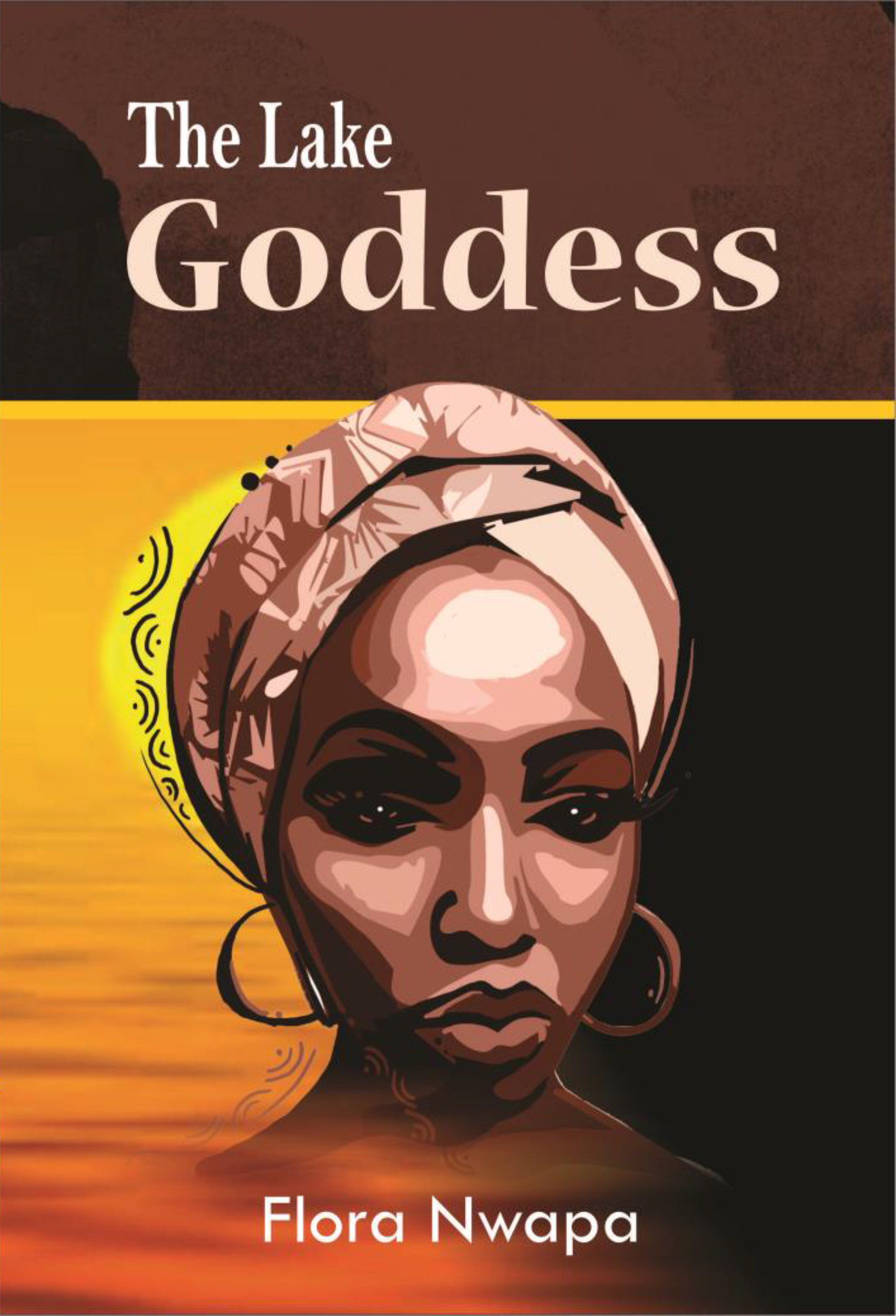
Lake Goddess
By Flora Nwapa

Dear Ijeawele, or A Feminist Manifesto in Fifteen Suggestions
By Chimamanda Ngozi Adichie
Toads for Supper
By Vincent Chukwuemeka Ike

Juo Obinna
By Tony Uchenna Ubesie
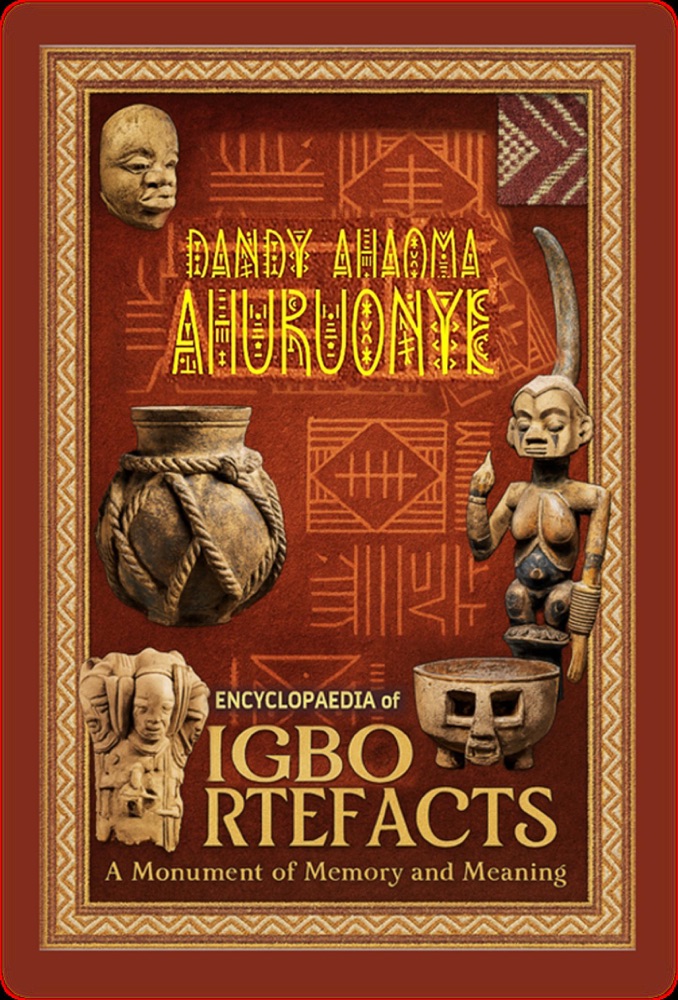
Encyclopaedia of Igbo Artefacts
By Dandy Ahaoma Ahuruonye

Binti
By Nnedi Okorafor
Sanctificum
By Christopher Abani
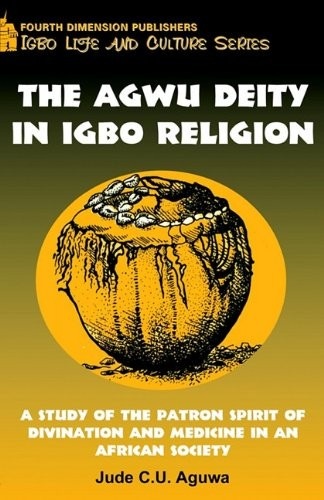
The Agwu deity in Igbo religion
By Jude C. U. Aguwa
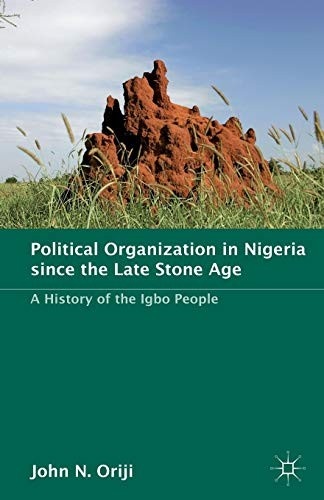
Political Organization in Nigeria Since the Late Stone Age
By John Oriji