

Igbo Dancer Performing Agaba Masquerade
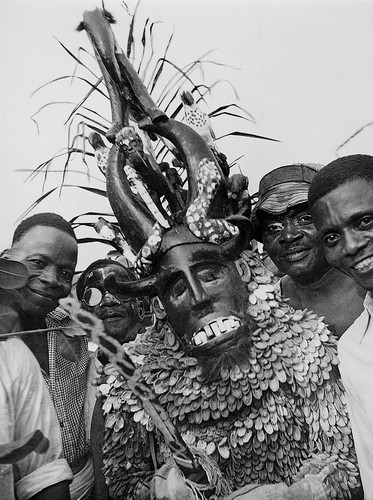
A photograph depicting an Igbo dancer in Okitipupa, Ondo Province, performing the Agaba masquerade. The central figure wears a dark, matte-textured mask with wide, recessed eyes and an open mouth revealing white, rectangular teeth. The headdress features two large, curved horns and carved humanoid figures, with organic stalks extending vertically. The performer's torso is covered in a garment of overlapping light-toned, disc-shaped objects. Four men in mid-century attire are positioned around the dancer, observing the performance. This image was published in Nigeria magazine, 1949, No. 32, p. 34.
Community Notes

Onyeka Nwokike
Sep 12, 2026
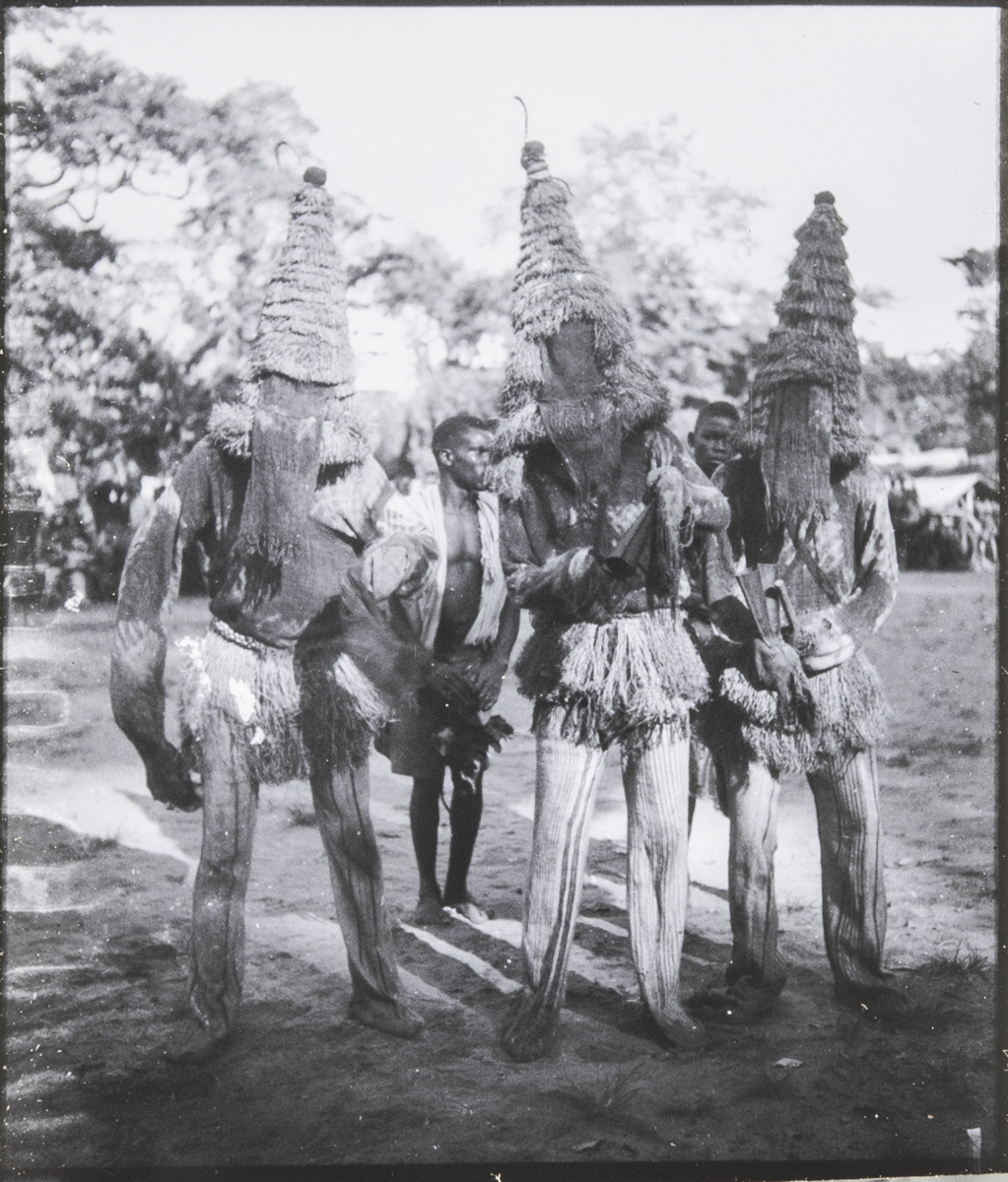
The Agaba masquerade is often viewed as a test of masculinity and a way of proving manhood. According to Achebe, the tradition represents the power and aggressiveness of youth, as discussed in The Time of the Brave. Conversely, colonial propaganda films from 1949, such as Daybreak in Udi, used agaba masqueraders to symbolize conservatism, tradition, and male gerontocracy, as noted by The British Academy.
Onyeka Nwokike
Sep 12, 2026
This photograph was published in a periodical that underwent several name changes. Originally launched as The Nigerian Teacher, the publication was titled Nigeria from 1936 until 1959 before being renamed Nigeria Magazine after the country's independence in 1960, according to Archivi.ng.
Log in to add context.
Explore Further
Discover related books and stories to deepen your understanding.

Igbo Art And Culture: And Other Essays
By Simon Ottenberg

The Thing Around Your Neck
By Chimamanda Ngozi Adichie

A Grammar of Contemporary Igbo: Constituents, Features and Processes
By E. Nolue Emenanjo

Igbo (Visions of Africa Series)
By Herbert M. Cole

Mbari: Art and the Life Among the Owerri Igbo
By Herbert M. Cole

Igbo Arts: Community and Cosmos
By Herbert M. Cole and Chike G. Aniakor

Conflicts of Religion; African Traditional Religion and Christianity
By Drake Wilson

The Fishermen
By Chigozie Obioma

On Black Sisters' Street
By Chika Unigwe
You May Also Like
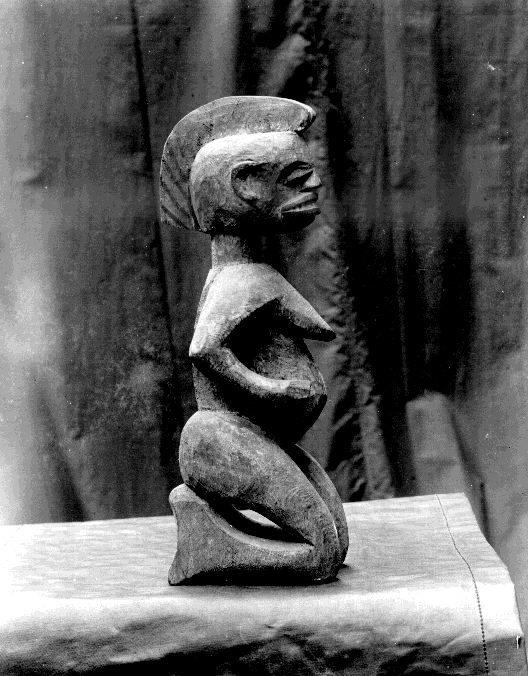
Carved Wooden Figure, North Ika
By G.I. Jones
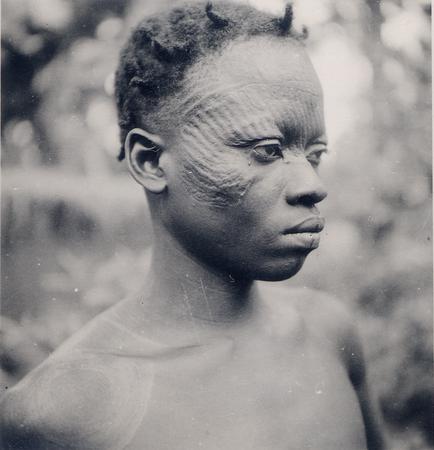
Portrait of an Igbo Man with Ichi Markings
By Northcote Thomas
Portrait of a Man in a Roofed Building
By G.I. Jones
Portrait of an Igbo Woman
By William Henry Crosse
Domestic assemblage and sleeping area
By William Henry Crosse
A Lady of Ụgwụtā wearing Ivory
Onu Kamma Masqueraders at Nimo
By G.I. Jones
Igbo Elder in Knit Hat Portrait
By G.I. Jones
Pyramids at the Nsude Village Shrine, Abaja Igbo, Northern Igbo
By G.I. Jones
No comments yet. Be the first to share your thoughts!