

Figure of Chief North Ika
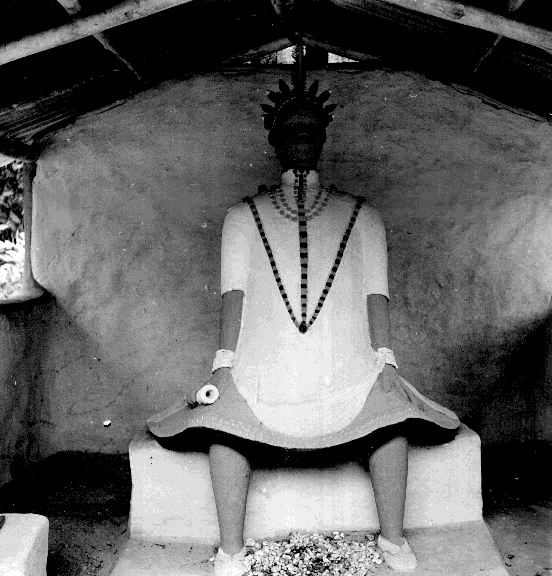
A monochrome photograph depicting a seated human figure in formal ceremonial attire. The subject is positioned on a raised pedestal within a structure featuring a slanted wooden roof and textured mud or clay walls. The figure wears a dark, high-contrast headpiece with radial, upward-pointing projections, entirely obscuring the face. Adornments include a light-colored short-sleeved tunic, a thick beaded collar, and a long, V-shaped necklace extending to the mid-torso. Wide, textured cuffs are worn on both wrists, and a light-colored garment flares significantly from the waist, creating a bell-shaped silhouette. A pile of small, light-colored objects, likely shells or beads, is placed on the floor between the subject's feet.
Community Notes

Onyeka Nwokike
Oct 13, 2026
Although it appears life-like, this figure is a mud sculpture rather than a living person. As documented in the Ika (or Western Igbo) | Jones Archive, such clay figures were traditionally created for shrines or communal meeting houses known as Obu. These sculptures often depicted local hierarchies and, during the colonial era, occasionally included figures of authority such as a Commissioner of Police.
Onyeka Nwokike
Oct 13, 2026
The sculpture's design reflects a cultural synthesis of Igbo, Yoruba, and Benin (Edo) influences. The elaborate beaded regalia, including the thick beaded collar known as ighene and the distinctive bell-shaped silhouette, are characteristic of the ceremonial dress in Agbor and other North Ika chiefdoms influenced by the court of the Oba of Benin, as noted in research on the Ika People of Nigeria: Full History, Language, Culture. The radial headpiece signifies high rank and spiritual authority, while the shells at the figure's feet likely represent ritual offerings or wealth.
Onyeka Nwokike
Oct 13, 2026
G.I. Jones observed that these traditional mud sculptures served as precursors to the modern cement and concrete sculptures later found in Eastern Nigeria. His documentation in the 1930s, discussed in G. I. JONES; The art of Eastern Nigeria - JSTOR, captured these works before many were lost to weathering or replaced by contemporary materials.
Log in to add context.
Explore Further
Discover related books and stories to deepen your understanding.

Igbo Art And Culture: And Other Essays
By Simon Ottenberg

Art of Eastern Nigeria
By G.I. Jones
An Igbo civilization
By M. Angulu Onwuejeogwu

An Introduction to Nigerian Traditional Architecture: South-Eastern Nigeria: The Igbo-speaking …
By Z.R. Dmochowski

Lessons From Vernacular Architecture in Nigeria
By Joyce Lodson

THE WHISPERING POET: An Anthology Of Igbo And Other Proverbs
By Dandy Ahaoma Ahuruonye

Jagua Nana
By Cyprian Ekwensi

Igbo market literature
By Sebastian Okechukwu Mezu

The Asaba Massacre: Trauma, Memory, and the Nigerian Civil War
By S. Elizabeth Bird and Fraser M. Ottanelli
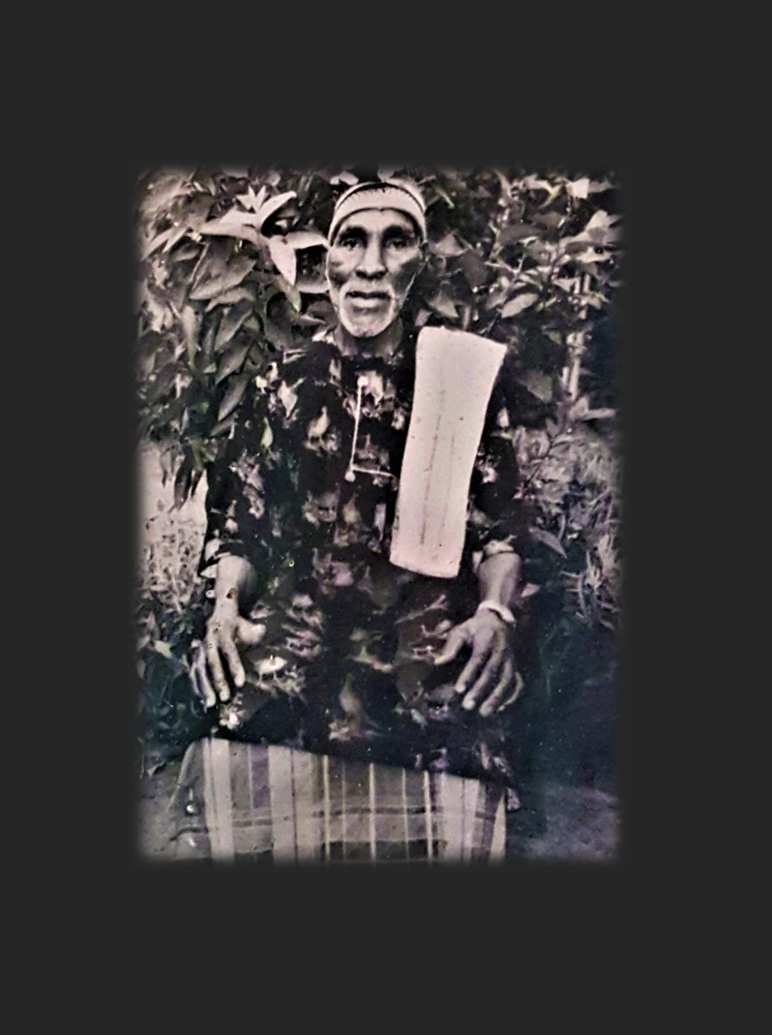
POLYGAMY: THE WAY OF A CHIEF
By Dandy Ahuruonye
You May Also Like
Forest Scene with Group of Figures
By William Henry Crosse
Ojo Onu Masquerade in Amuda Village
By G.I. Jones
Okike, Ikenga and Other Shrines of North Ika
By G.I. Jones
Linguistic Documentation of Igbo Tones and Phrases
By Northcote Thomas
Group Portrait of a Family
By William Henry Crosse

Earthwork Structures and Wooden Barrels along the Niger River
By William Henry Crosse
Mgbedike Masquerade from Onitsha Province
By G.I. Jones
Ohaffia Masquerader Performing in Okwanku Masquerade, Akanu Village
By G.I. Jones
Pot believed to hold the personal spirit (chi)
By Percy Amaury Talbot
No comments yet. Be the first to share your thoughts!