

Agwu Nsi Figures
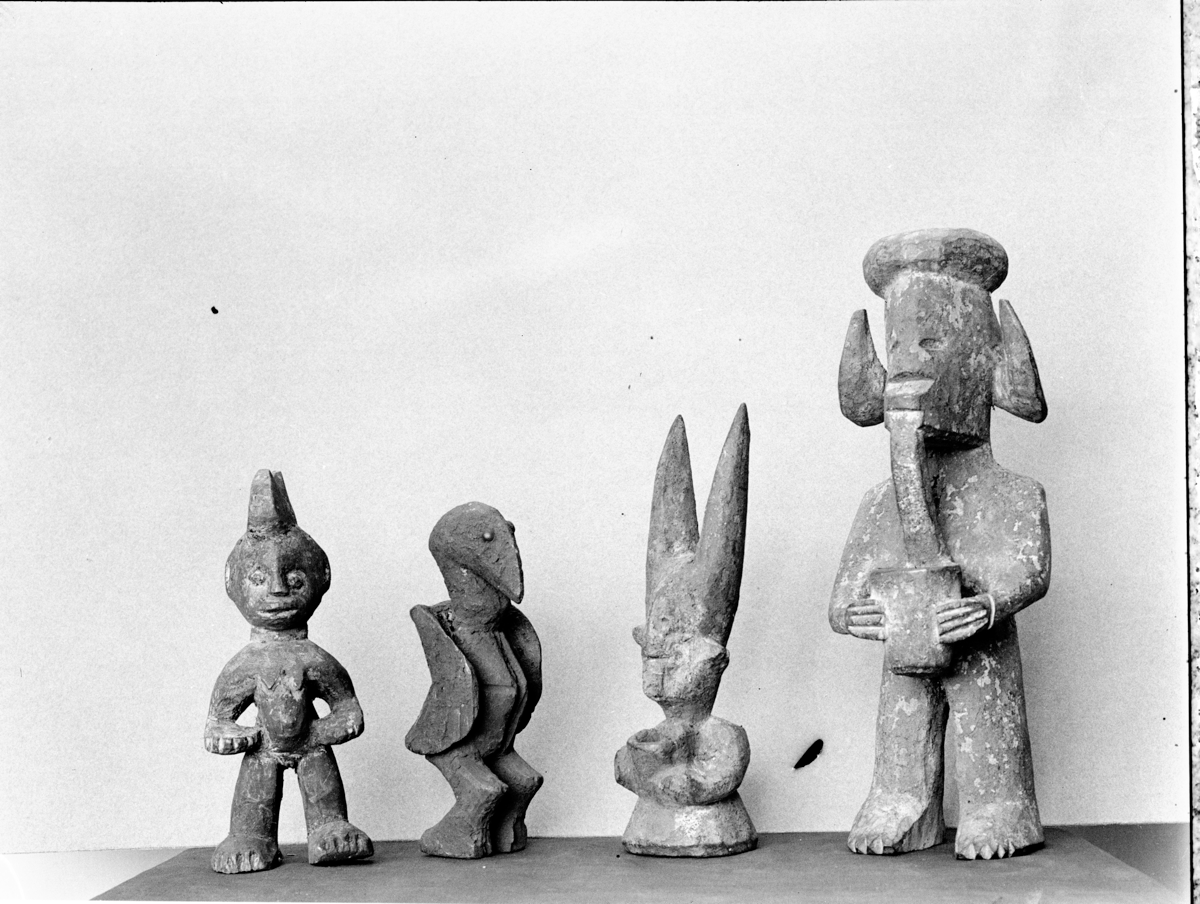
A photograph depicting four wooden Agwu Nsi figures arranged linearly on a flat surface. From left to right, the figures include a small anthropomorphic figure with a conical headdress, a zoomorphic avian figure with an elongated beak, a stylized hybrid figure with tapered upward-pointing protrusions, and a larger anthropomorphic figure with a disc-like head topped by lateral protrusions and holding a vessel. These carvings were used by dibia (diviners) as part of their ritual paraphernalia to assist in divination practices. The figures represent personal deities and are associated with the spirit Agwu Nsi, who governs divination, healing, and inspiration in Igbo cosmology.
Community Notes

Onyeka Nwokike
Oct 14, 2026
Diviners in Northern and Southern Igbo regions carried these small carvings of humans, animals, and Ikenga as part of their ritual paraphernalia to aid in divination, as documented by the Museum of Archaeology and Anthropology (MAA) Cambridge. In the Lower Niger area, figures representing personal deities were also used to decorate the meeting houses of wealthy Northern Igbo men who competed in such displays.
Onyeka Nwokike
Oct 14, 2026
The deity Agwu Nsi acts as a critical mediator between mankind, ancestors, and various gods, creating order by arbitrating their needs. According to Igbo Arts: Community and Cosmos, the dibia consults this spirit to interpret the dissatisfactions of other deities. Agwu is regarded as the patron of both healing and divination, but is also associated with confusion and misfortune, which the Igbo use to explain the fluctuations of fortune, as noted by Mythlok.
Onyeka Nwokike
Oct 14, 2026
Possession by Agwu often recurs within dibia lineages, categorized as agwu nna (paternal) or agwu nne (maternal). As detailed by Grokipedia, this connection binds the living to ndi ichie (ancestors) through inherited symbols such as ntutu agwu.
Onyeka Nwokike
Oct 14, 2026
This photograph was captured from a negative originally found in pocket 93 of the negative album numbered C16/ within the G.I. Jones collection at the Museum of Archaeology and Anthropology.
Log in to add context.
Explore Further
Discover related books and stories to deepen your understanding.
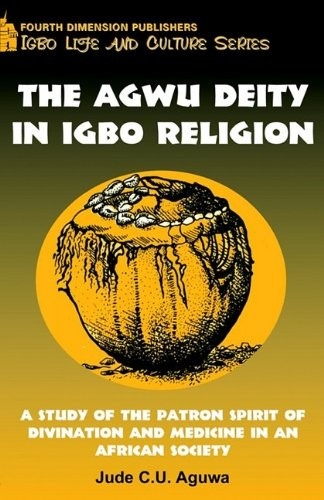
The Agwu deity in Igbo religion
By Jude C. U. Aguwa

ODINANI: The Igbo Sacred Tradition
By Emmanuel Ojiaku

After God Is Dibia: Igbo Cosmology, Divination and Sacred Science …
By John Anenechukwu Umeh

Art of Eastern Nigeria
By G.I. Jones

THE DIBIA: Guardians of Ancient Wisdom and Healing in Igbo …
By Solomon Joe

Mbari: Art and the Life Among the Owerri Igbo
By Herbert M. Cole

Igbo Arts: Community and Cosmos
By Herbert M. Cole and Chike G. Aniakor

Igbo (Visions of Africa Series)
By Herbert M. Cole

The March of Igbo Civilization, Vol. I
By John Anenechukwu Umeh
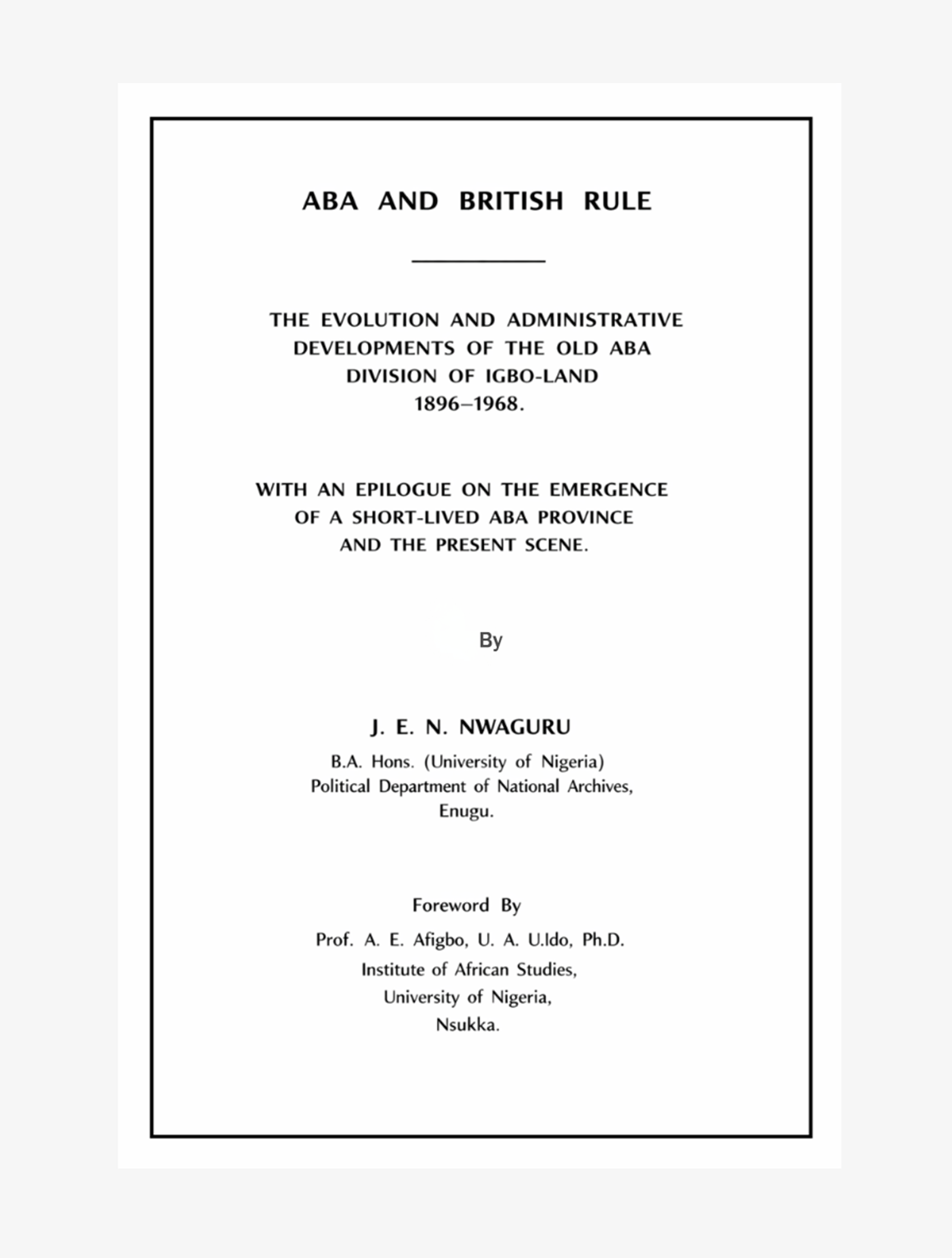
Aba and British Rule
By Dandy Ahuruonye
You May Also Like
Initiation Mask for Boys Initiation in Nkporo
By G.I. Jones
Family Group Portrait
By William Henry Crosse
Portrait of a Male Elder with Staff
By G.I. Jones
Ojo Onu Masquerade in Amuda Village
By G.I. Jones
Dancer Wearing Fish Mask
By G.I. Jones
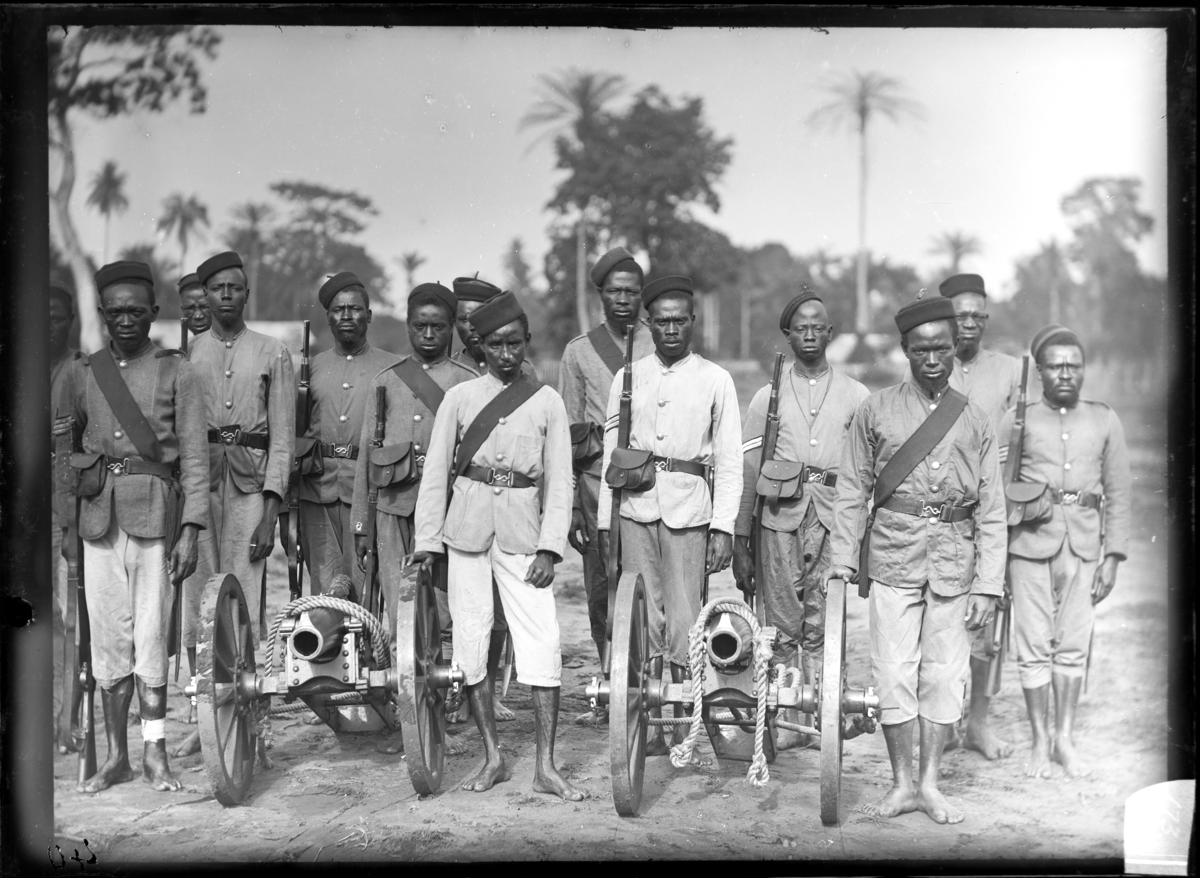
Soldiers of the Royal Niger Company
By William Henry Crosse
Conversation in Igbo between John and Nwile
By Northcote Thomas

Portraits of an Igbo Woman in Oweri Province
By Northcote Thomas
Igbo Elder from Awka on Oche Mpata
By Northcote Thomas
No comments yet. Be the first to share your thoughts!