
Igbo Elder from Awka on Oche Mpata
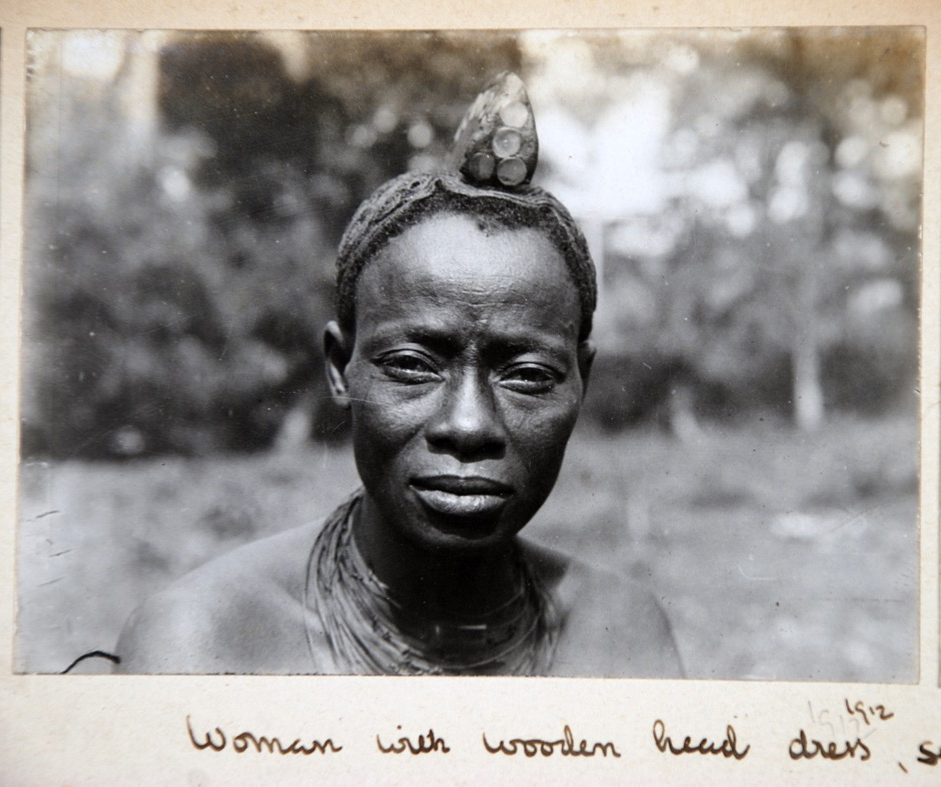
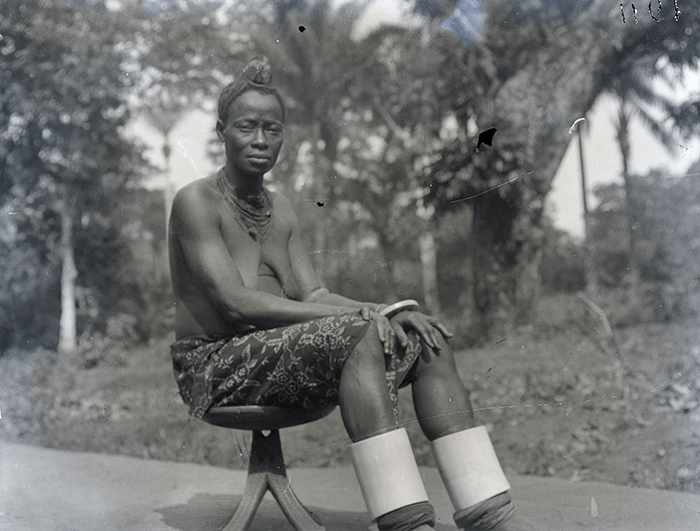
These black-and-white photographs, taken by Northcote Thomas between 1910 and 1911 as part of his anthropological survey, feature an Igbo elder from Öka (Awka). The first shows a close view of her face and head, adorned with a wooden head dress set with pearl buttons, known as “isi ojongo,” embodying Igbo identity and artistic expression. The second depicts the elder seated on an “oche mpata,” a stool reserved for titled individuals with the Ọzọ title, wearing a patterned sarong and white leg bands called “mgba ụkwụ,” signifying purity and high status. The Ọzọ title denotes success, honesty, and integrity, with women holders serving as respected leaders in social and cultural matters.
Community Notes

Onyeka Nwokike
Mar 20, 2026
In the early 20th century, Igbo women shaped their hair into crested styles like Isi Ojongo using clay, palm oil, and charcoal. Because the hardened hair looked solid, colonial observers often mistook it for a carved wooden headdress. Women added items like imported pearl buttons to show their family's wealth.
Pre-colonial Nigerian cultures: Hairdressing as a work of art (Pulse.ng)
Onyeka Nwokike
Mar 20, 2026
Mgba Ụkwụ are heavy brass leg bands. In the past, wearing them showed that a woman's household had enough wealth that she was exempt from manual farm labor. White leg bands are also tied to spiritual purity and high social standing in Igbo culture.
Pair of Large Igbo Brass Anklets (Michael Backman)
Log in to add context.
Explore Further
Discover related books and stories to deepen your understanding.

Anthropological Report On The Ibo-speaking Peoples Of Nigeria, Part 6 …
By Northcote Thomas

Anthropological Report on the Ibo-Speaking Peoples of Nigeria, Vol. 2: …
By Northcote Thomas

Anthropological Report on the Ibo-Speaking Peoples of Nigeria: Law and …
By Northcote Thomas

Second Class Citizen
By Buchi Emecheta

IGBO HISTORY AND CULTURE
By Ebeke Ugochukwu

Igbo Culture Through Art and Act: Ancient and Modern
By Kenneth Ubani

An Introduction to Nigerian Traditional Architecture: South-Eastern Nigeria: The Igbo-speaking …
By Z.R. Dmochowski

Ohaffia: A Matrilineal Ibo People
By Philip O. Nsugbe

Among the Ibos of Nigeria
By G.T. Basden

You May Also Like
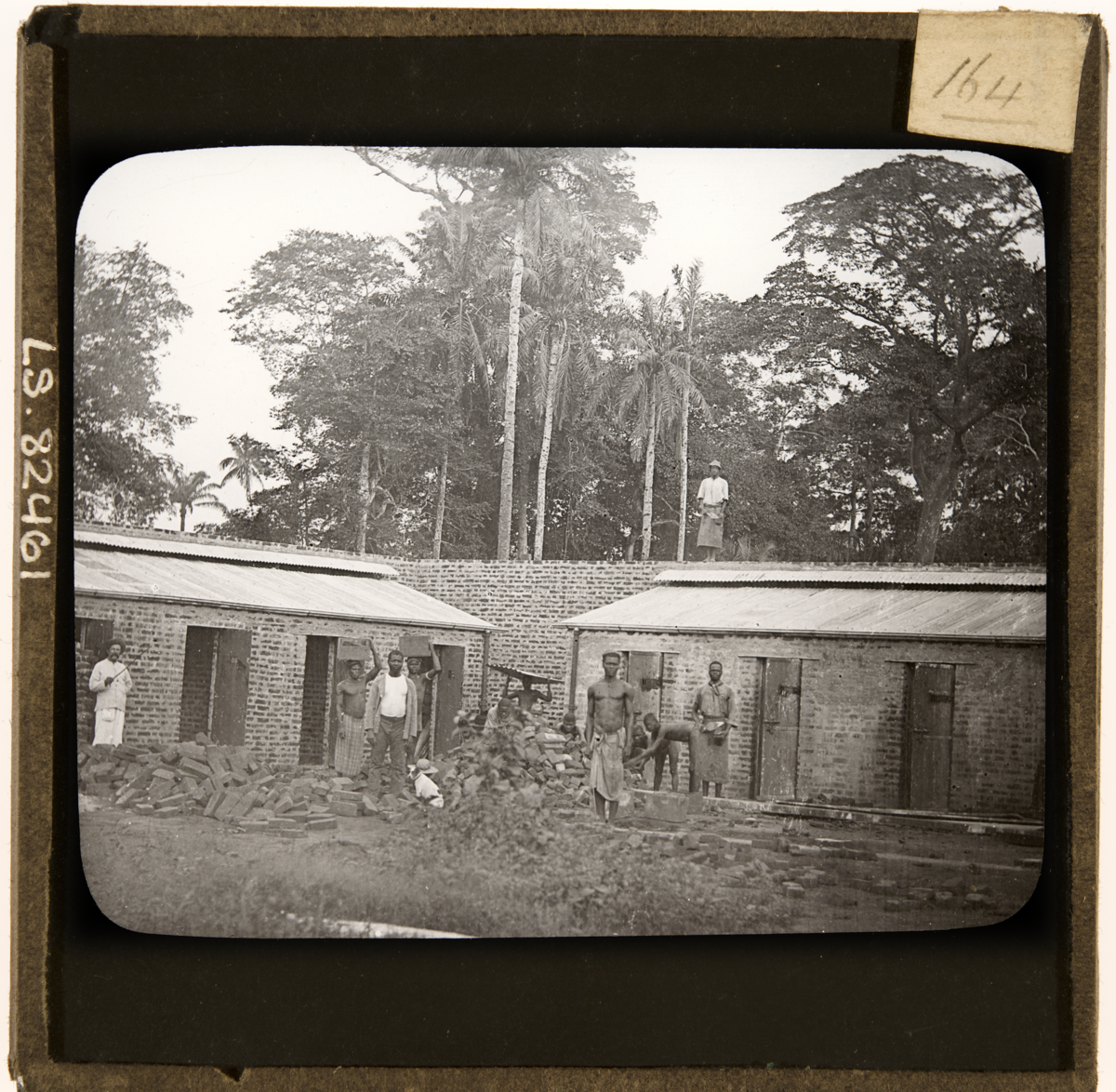
Construction of Brick Buildings by the Royal Niger Company
By William Henry Crosse
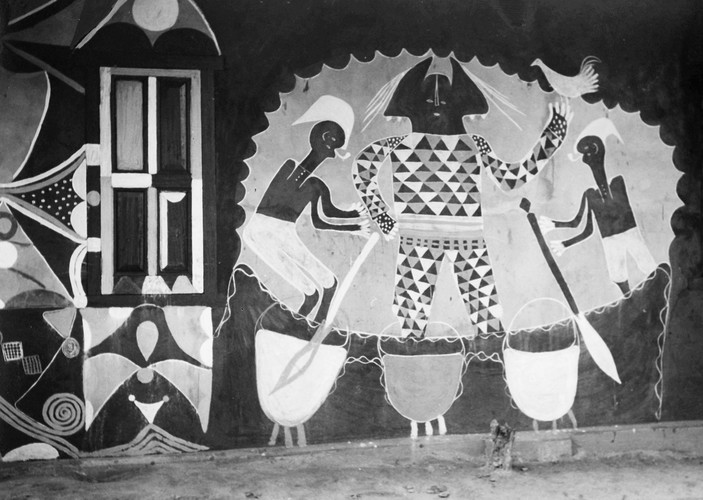
Painted Courthouse Mural at Nri
By Edward Harland Duckworth
Landscape of an Escarpment Area along the Niger River
By William Henry Crosse
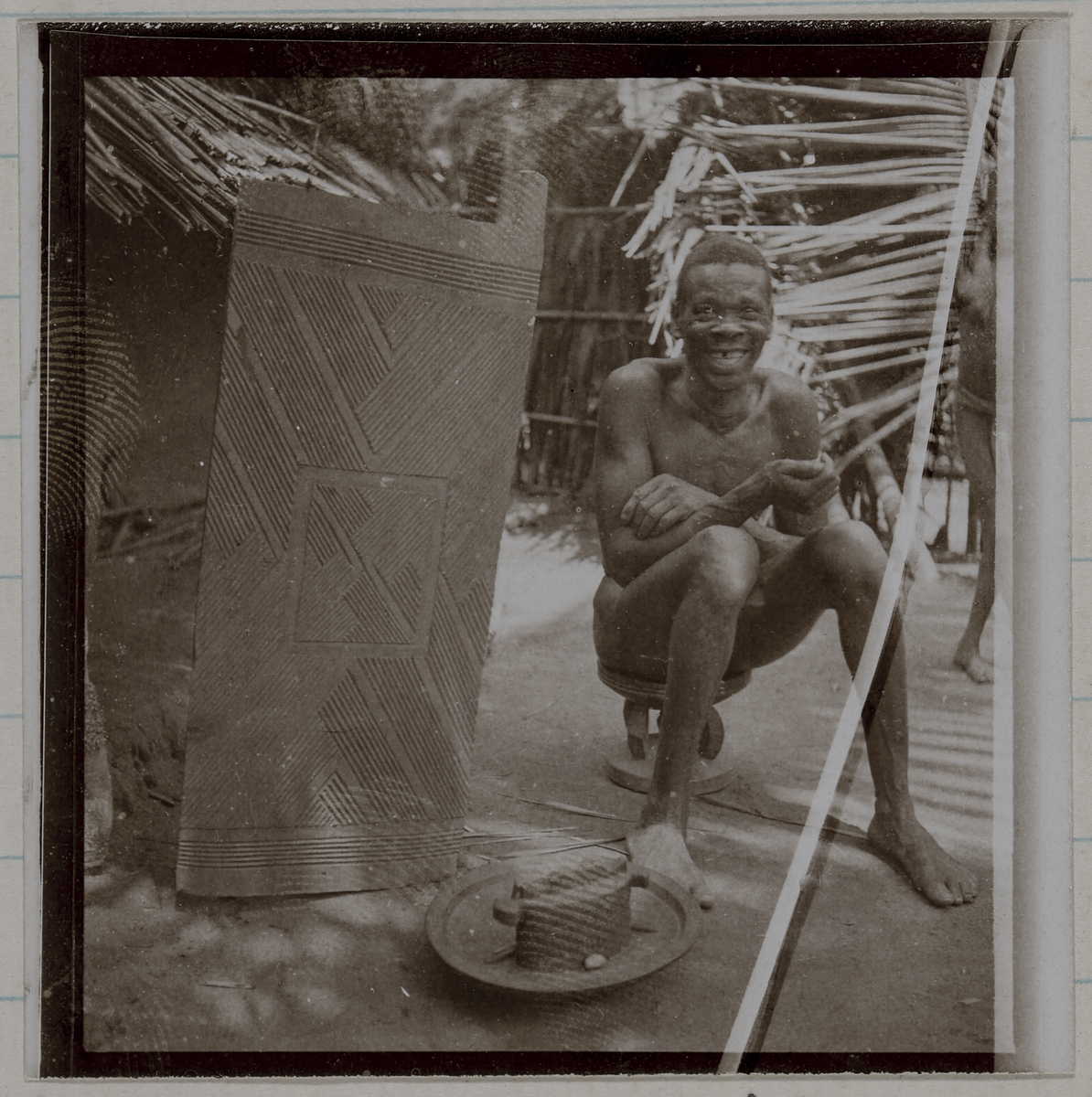
Portrait of a Man with Carved Wooden Door
By G.I. Jones
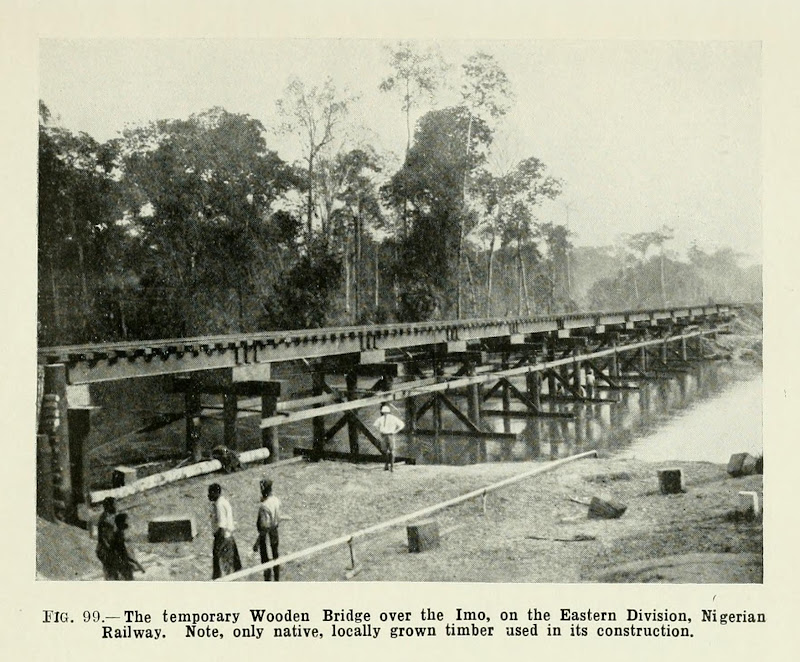
Temporary Wooden Bridge over the Imo River
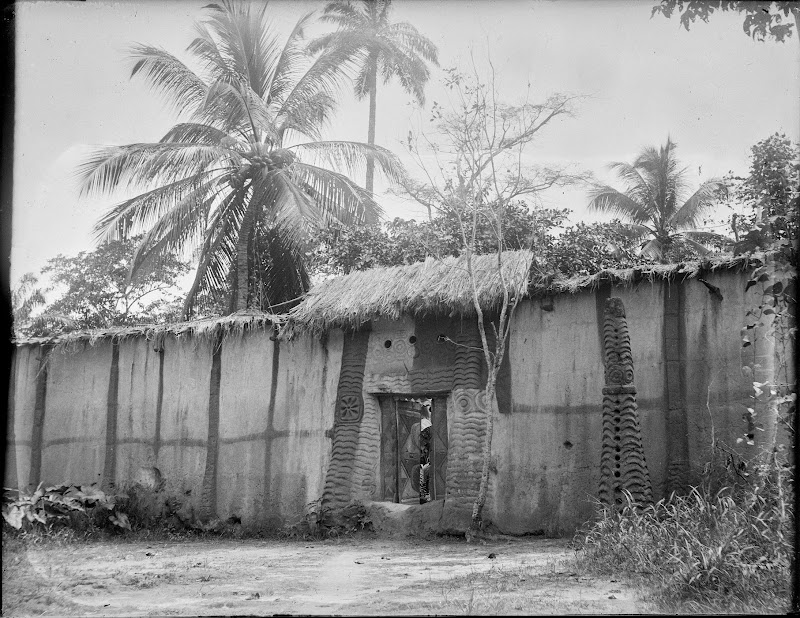
Aja Ǹgwùlù (Entrance to an Igbo Compound)
By Herbert Wimberley
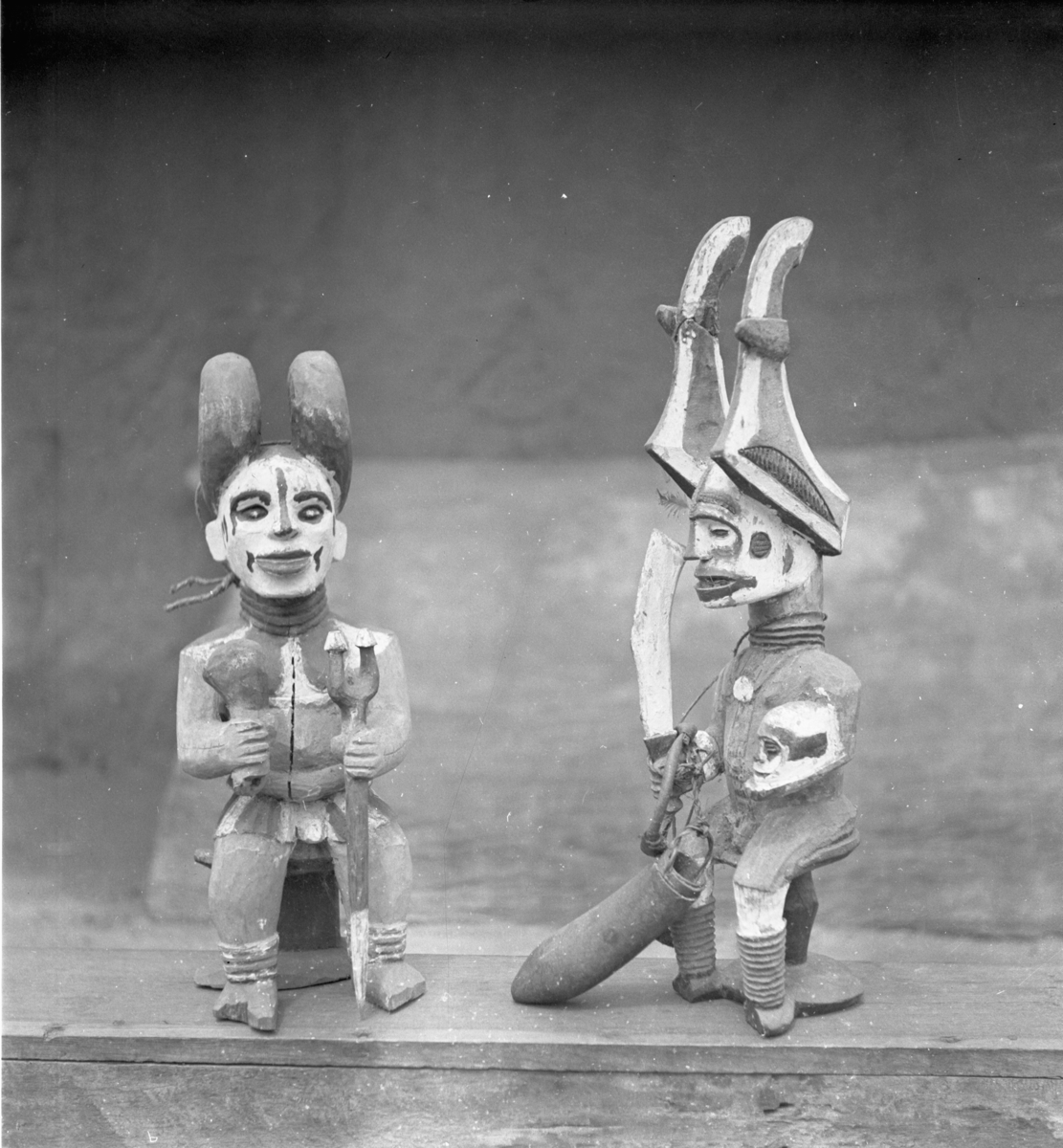
Two Ikenga Figures from Nri Awka Igbo
By G.I. Jones
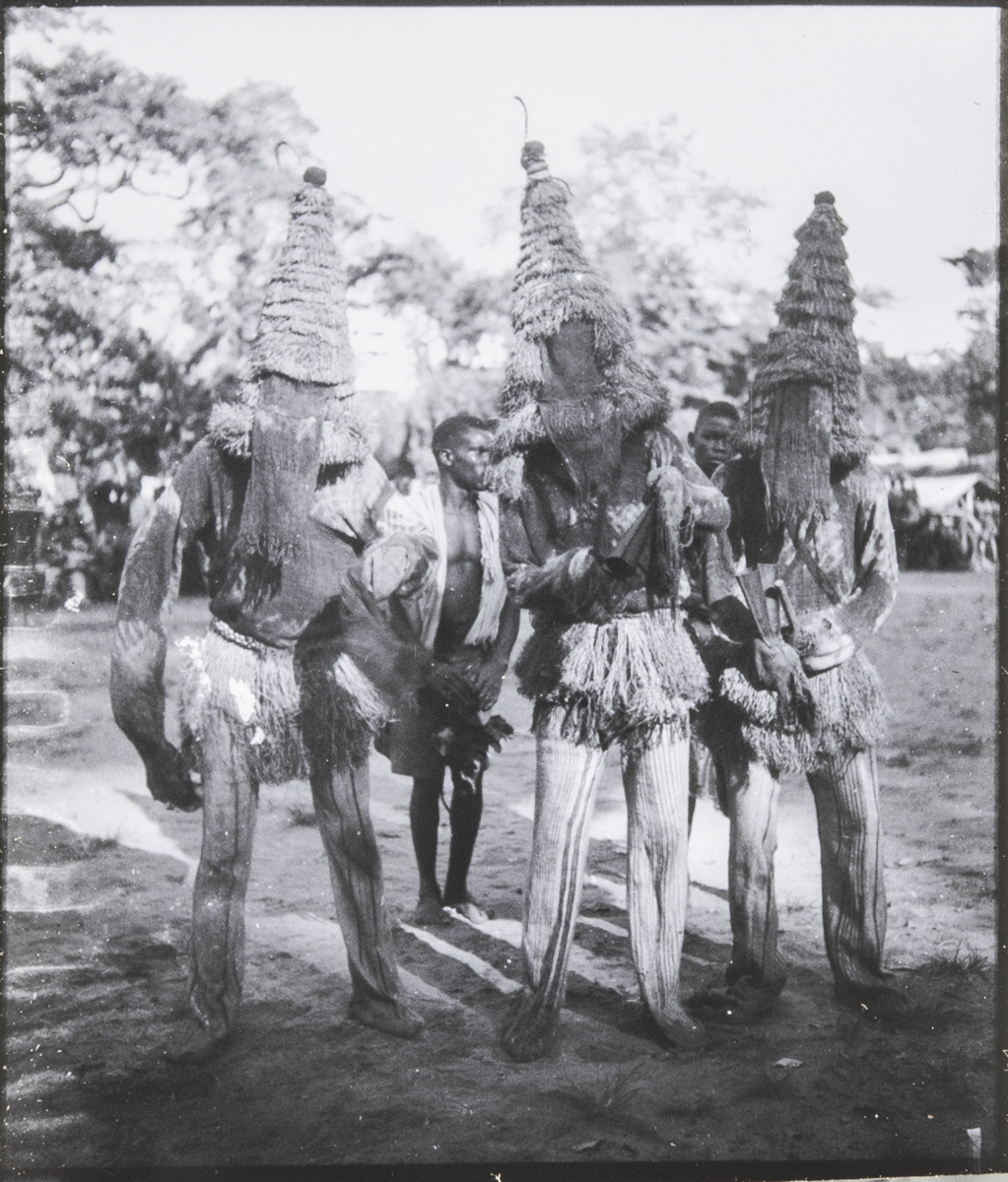
Onu Kamma Masqueraders at Nimo
By G.I. Jones
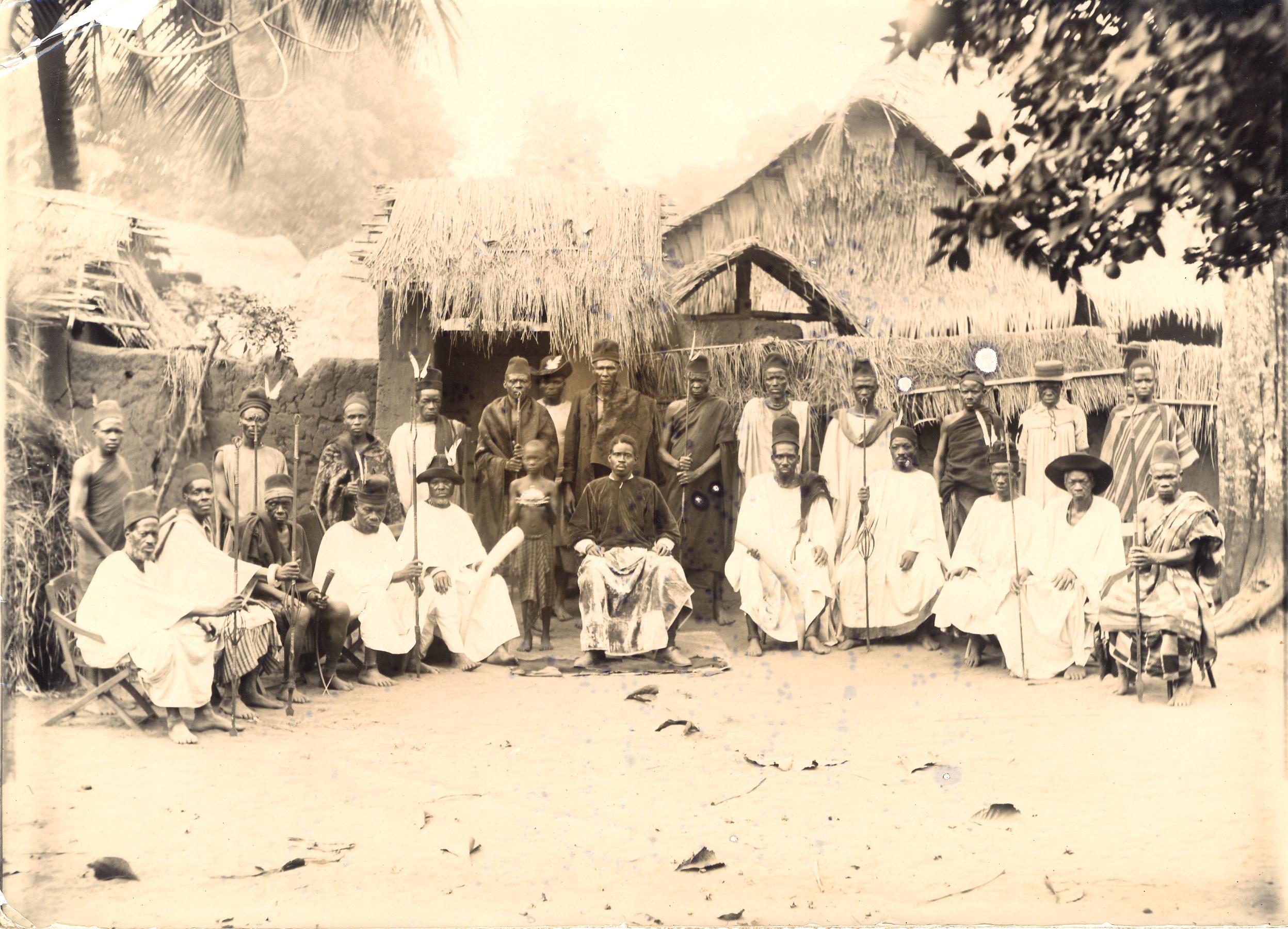
Group Portrait of Titled Igbo Men
No comments yet. Be the first to share your thoughts!