
Aro men in loincloths clearing thick forest overgrowth under direction of colonial forces
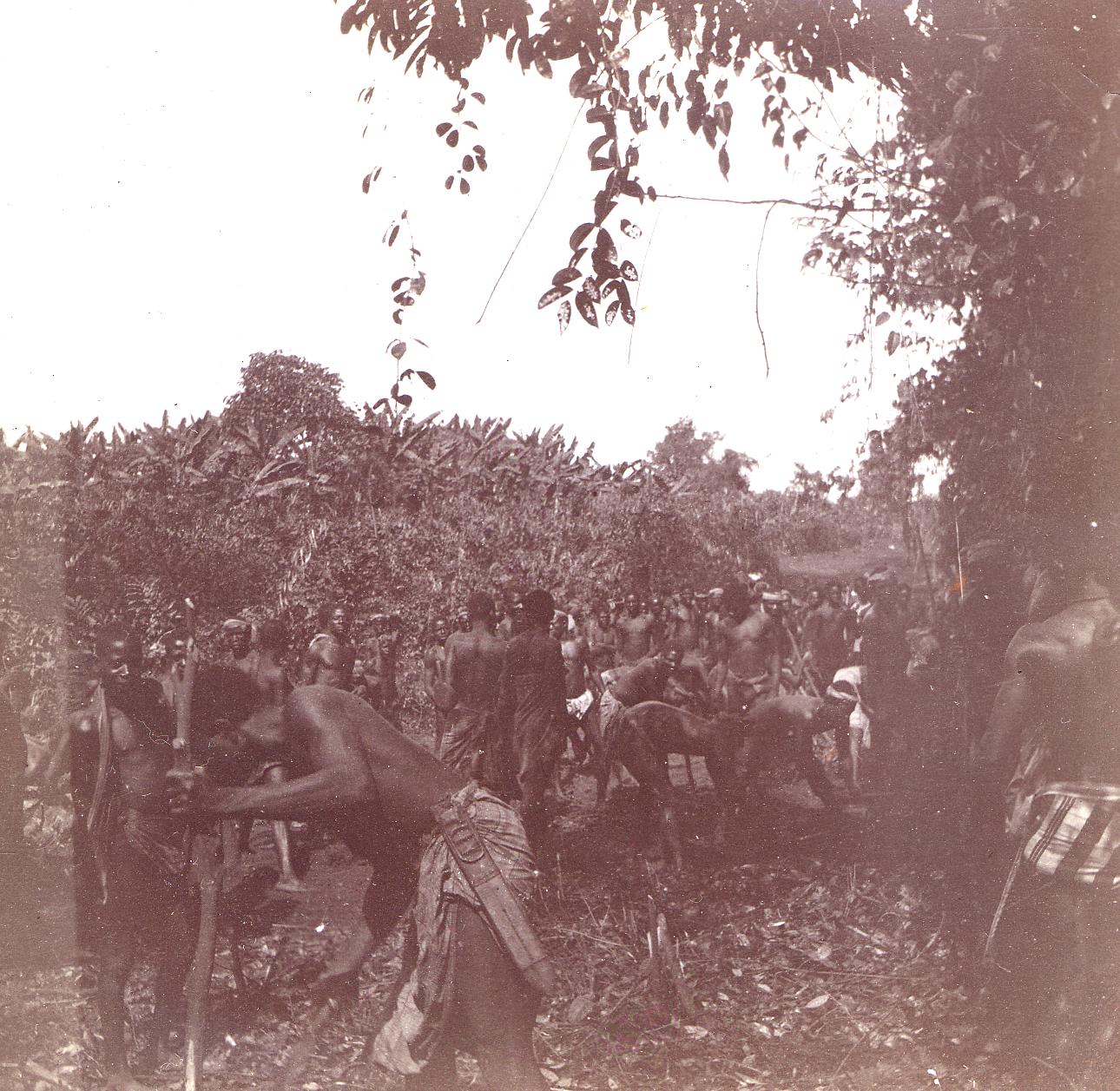
This photograph, taken by Donald A. MacAlister as part of a series from the Aro Punitive Expedition, shows a group of Aro men clearing forest vegetation with machetes to facilitate British colonial troop movement during the Anglo-Aro War of 1901. The war sought to dismantle the Aro Confederacy and the Ibini Ukpabi (Long Juju) oracle, marking a significant event in British colonial efforts against indigenous powers in eastern Nigeria.
Community Notes

Onyeka Nwokike
Apr 21, 2026
British Museum curator N F Barley categorized the forced construction of roads by indigenous populations during the expedition as a form of taxation.
Onyeka Nwokike
Apr 21, 2026
The conflict, which pitted the British against the Aro-Oke-Igbo people, involved significant indigenous resistance; Ozi Ikòrò notes that there were over 300 separate engagements of resistance during the campaign.
Onyeka Nwokike
Apr 21, 2026
The coordinated clearing of dense undergrowth with machetes depicted here was a logistical necessity for the British advance. Research from Wikipedia indicates that the expedition led by Lt. Col. Arthur Forbes Montanaro relied on 2,100 carriers to navigate the difficult terrain during the 1901 counter-insurgency campaign.
Onyeka Nwokike
Apr 21, 2026
The operations taking place near Bende were critical to the British strategy, as the region hosted the conflict's final major battle. As noted by Africa Rebirth, the decisive British victory at Bende in March 1902 marked the conclusion of the primary battles against the Aro forces.
Log in to add context.
Explore Further
Discover related books and stories to deepen your understanding.

Perspectives On Aro History & Civilization: The Splendour of a …
By Mazi Azubike Okoro and Mazi Ben Ezumah

AROCHUKWU: The Rise And Fall of Arochukwu And The Path …
By Samuel Okoro Onwukwe

Arochukwu: A Patriarch's Reflections
By George M. Onwuchekwa

Wives at War
By Flora Nwapa

The Asaba Massacre: Trauma, Memory, and the Nigerian Civil War
By S. Elizabeth Bird and Fraser M. Ottanelli
Encyclopaedia of Igbo Artefacts
By Dandy Ahaoma Ahuruonye
Toads for Supper
By Vincent Chukwuemeka Ike

Anthropological Report on the Ibo-Speaking Peoples of Nigeria: Law and …
By Northcote Thomas

Igbo (Visions of Africa Series)
By Herbert M. Cole
Aba and British Rule
By Dandy Ahuruonye

You May Also Like
Mural Decorations in Nri Akwa
By G.I. Jones
Portrait of a Man with Facial Scarring
By G.I. Jones
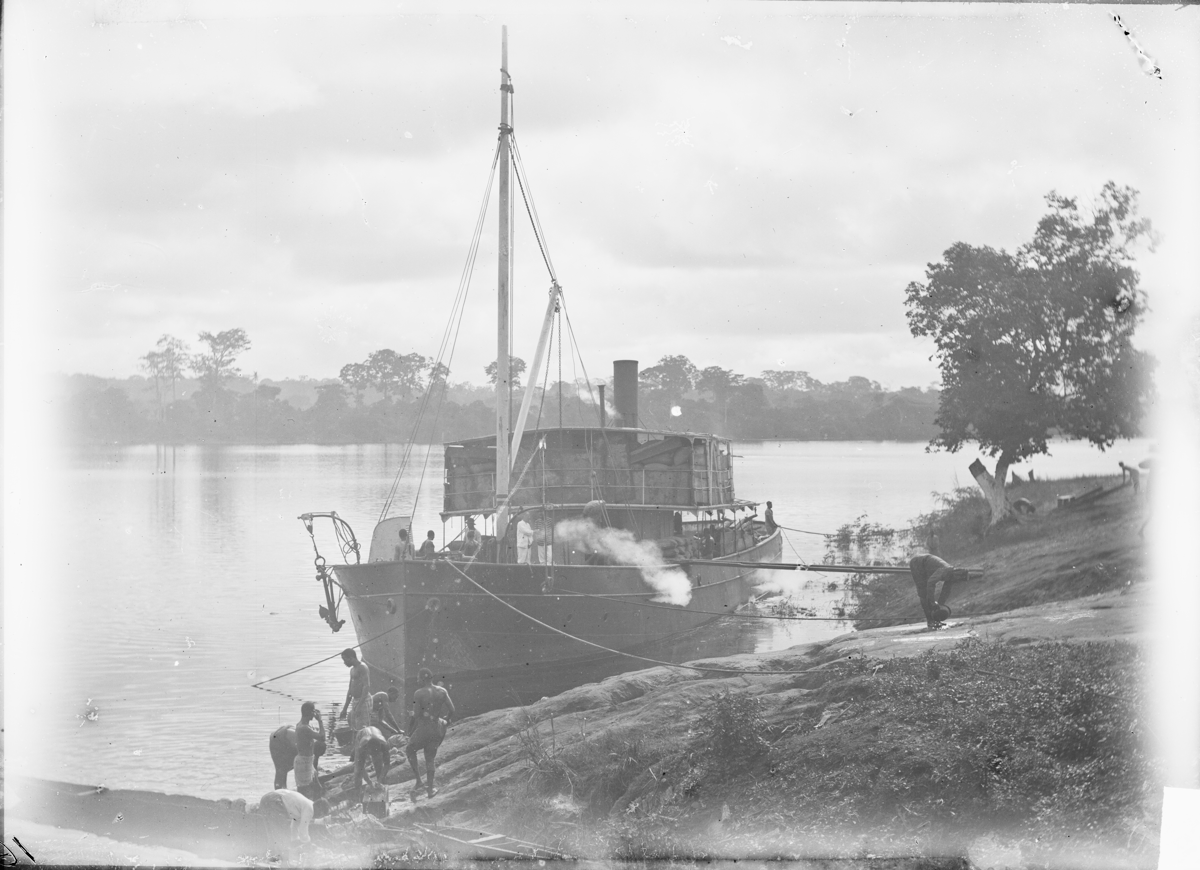
Steam Vessel Anchored on the Niger River
By William Henry Crosse
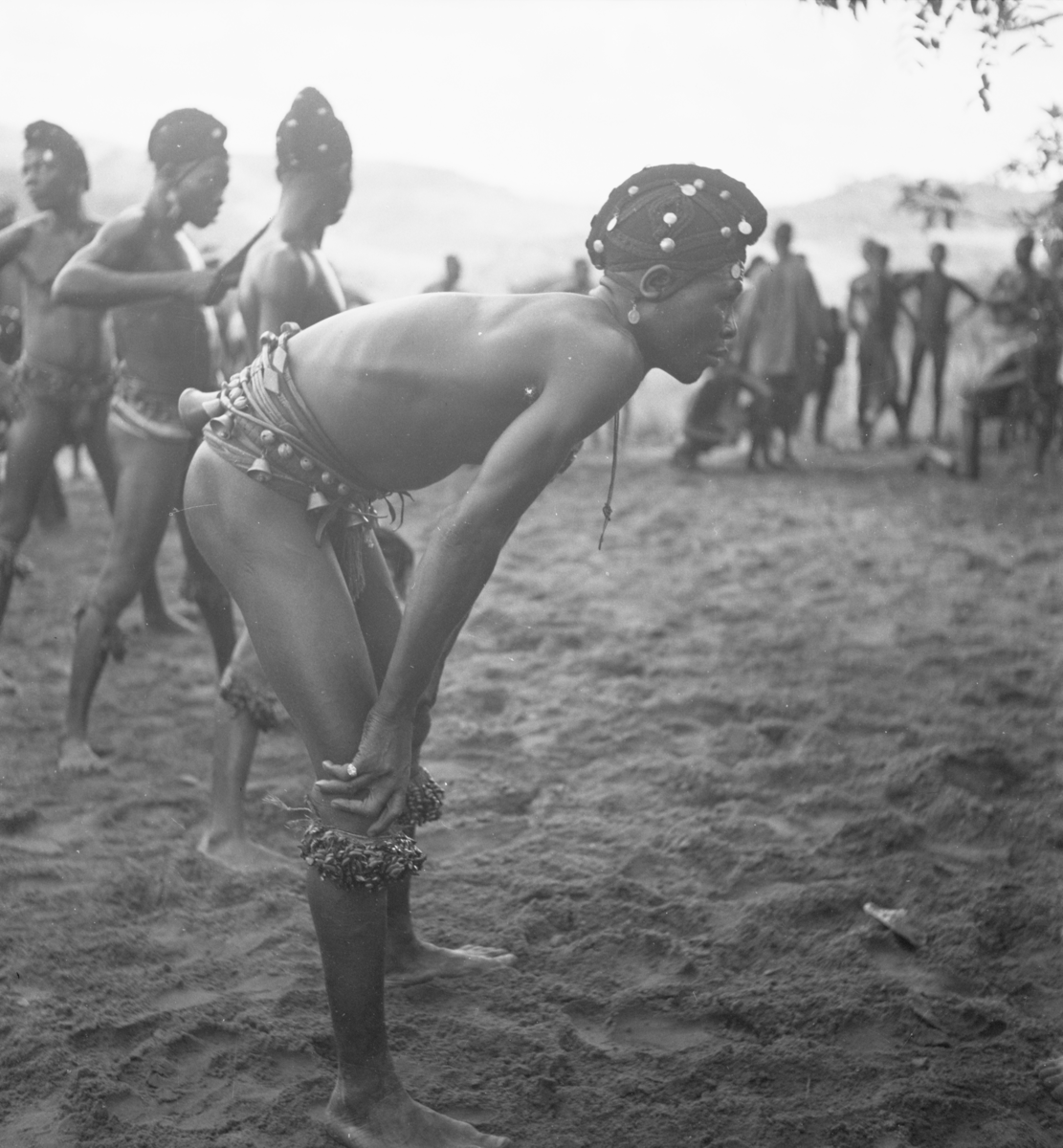
Boys' Initiation Dance in the Nri Akwa Area
By G.I. Jones
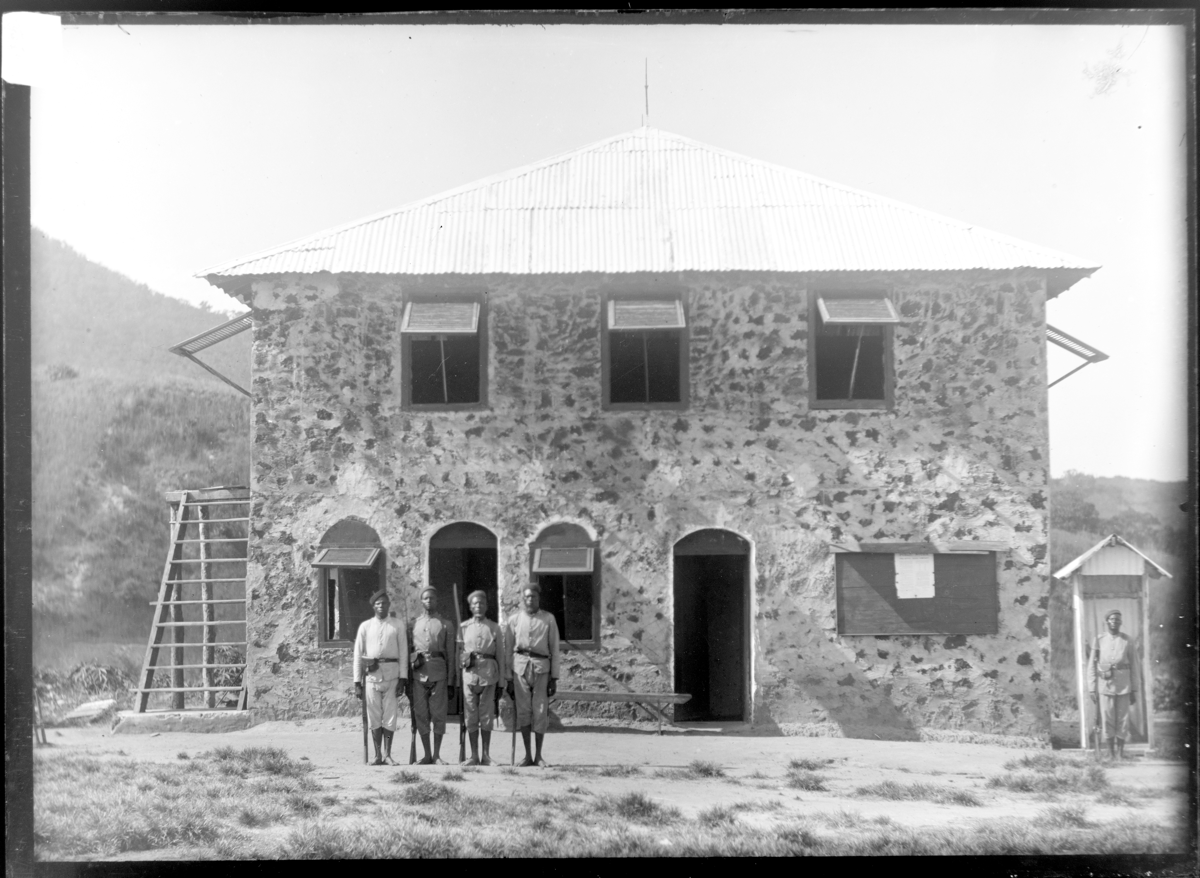
Royal Niger Company Station with Soldiery
By William Henry Crosse
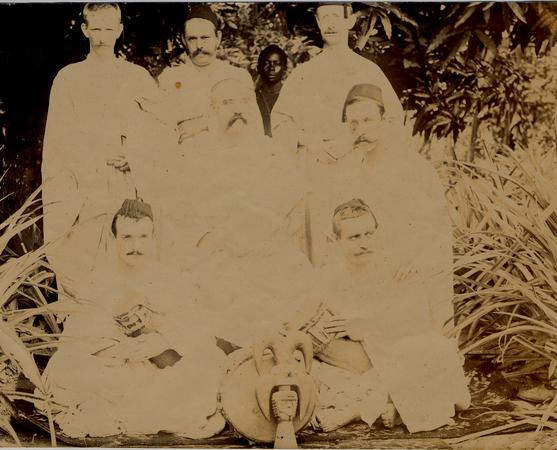
Group Portrait with Igbo Masquerade Headdress at Fort Salisbury
Burning of a Village along the Niger River
By William Henry Crosse
Oganochi Mgbedike Masquerader, Nimo
By G.I. Jones
Group Portrait from Royal Niger Company
By William Henry Crosse
No comments yet. Be the first to share your thoughts!