

Burning of a Village along the Niger River
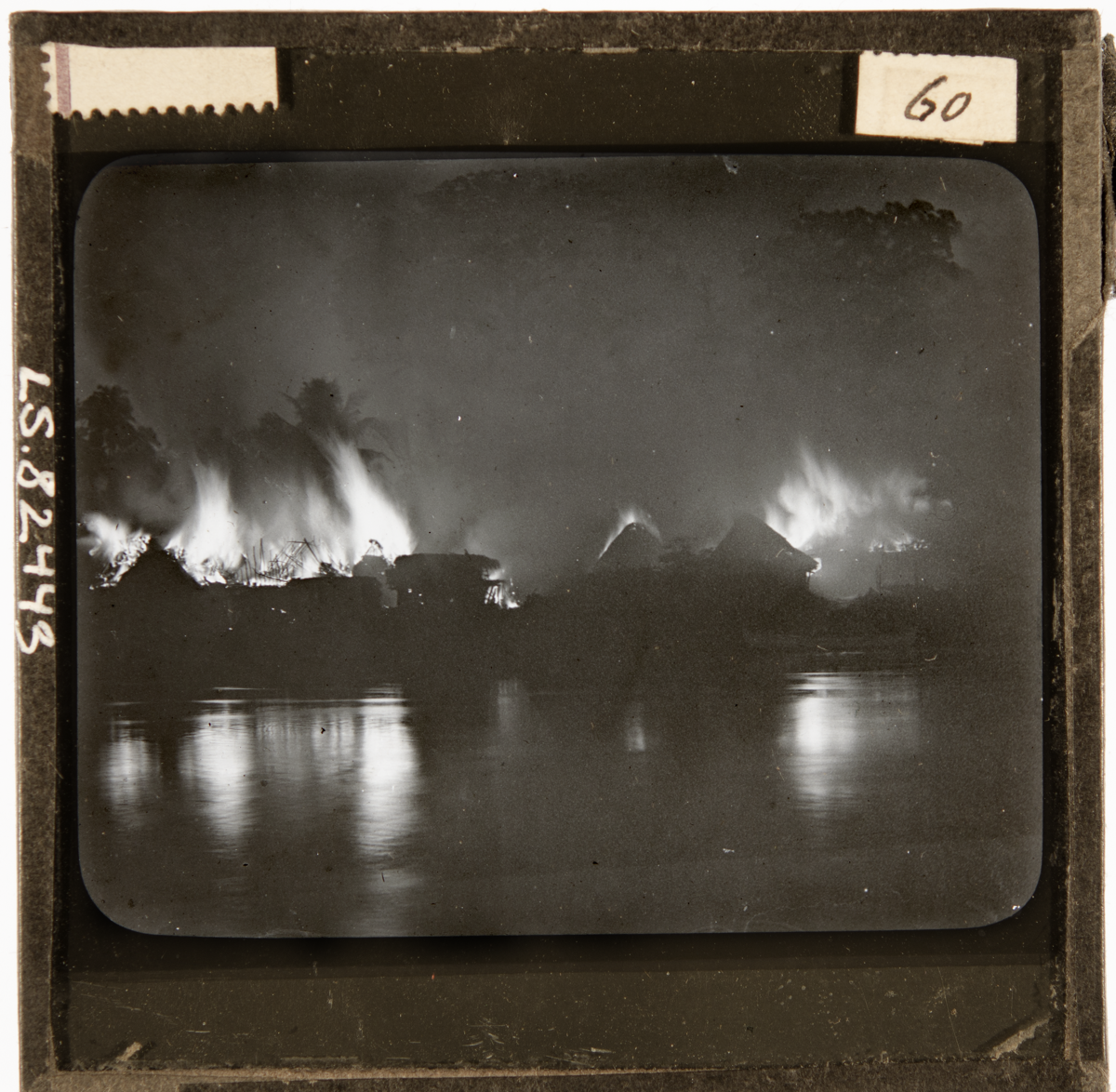
A monochrome photograph depicting the burning of a village as seen from the river, likely the result of a punitive expedition. The image shows multiple points of intense combustion among traditional architectural structures with pitched rooflines along the shoreline. Smoke and haze obscure the background sky, while vertical light streaks from the fires are reflected on the calm surface of the water. This image is part of the Crosse Collection, documented as being taken between 1886 and 1895 by William Henry Crosse, Principal Medical Officer of the Royal Niger Company.
Community Notes

Onyeka Nwokike
Sep 02, 2026
The Royal Niger Company conducted numerous punitive expeditions between 1886 and 1895 against communities that resisted its trade monopolies or attacked its stations. This image captures the aftermath of such an operation, such as the retaliatory campaign following the Akassa Raid of 1895, during which British forces burned several villages belonging to the Nembe-Brass people.
Onyeka Nwokike
Sep 02, 2026
William Henry Crosse authored works on tropical medicine, including Notes on the Malarial Fevers Met with on the River Niger, West Africa (1892) and Hints, Suggestions and Medical Notes for Those Traveling in West Africa (1903). Following his death in 1903, the snake Letheobia crossii was named in his honor.
Onyeka Nwokike
Sep 02, 2026
Crosse's photographic work was utilized in publications such as Charles Henry Robinson's 1900 book, Nigeria: Our Latest Protectorate. According to records from Share - the MAA Collections - University of Cambridge, George Goldie provided permission for several photographs taken in connection with the Royal Niger Company to be used in these works.
Log in to add context.
Explore Further
Discover related books and stories to deepen your understanding.

Trade Winds on the Niger: Saga of the Royal Niger …
By Geoffrey L. Baker

Burning Grass
By Cyprian Ekwensi

The Gospel on the Banks of the Niger: Journals and …
By Samuel Crowther and John Christopher Taylor

Chike and the River
By Chinua Achebe

The Rise of British Colonialism in Southern Nigeria, 1700-1900: A …
By Kalu E. Ume

Among the Ibos of Nigeria
By G.T. Basden
Happiness, Like Water
By Chinelo Okparanta

Igbo Art And Culture: And Other Essays
By Simon Ottenberg
Encyclopaedia of Igbo Artefacts
By Dandy Ahaoma Ahuruonye
You May Also Like
Ugie Ewere Festival Song
By Northcote Thomas
Royal Niger Company Station with Soldiery
By William Henry Crosse
Physical Type Portraits of Igbo-speaking Communities
By Northcote Thomas
Group Portrait with Igbo Masquerade Headdress at Fort Salisbury
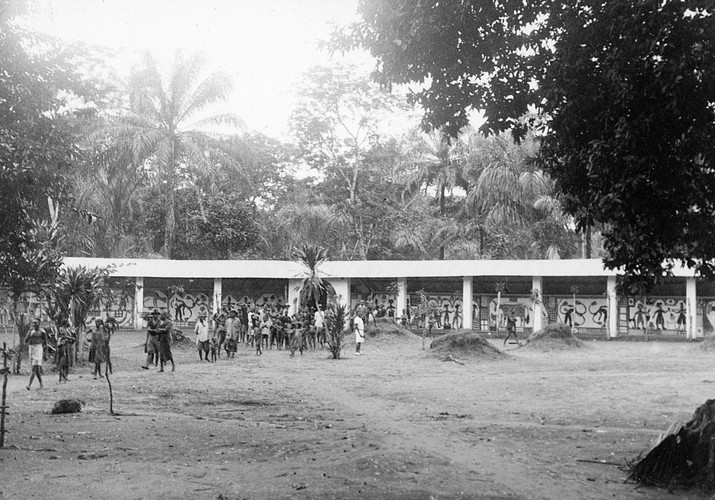
Mural Building at Okwu
By Edward Harland Duckworth
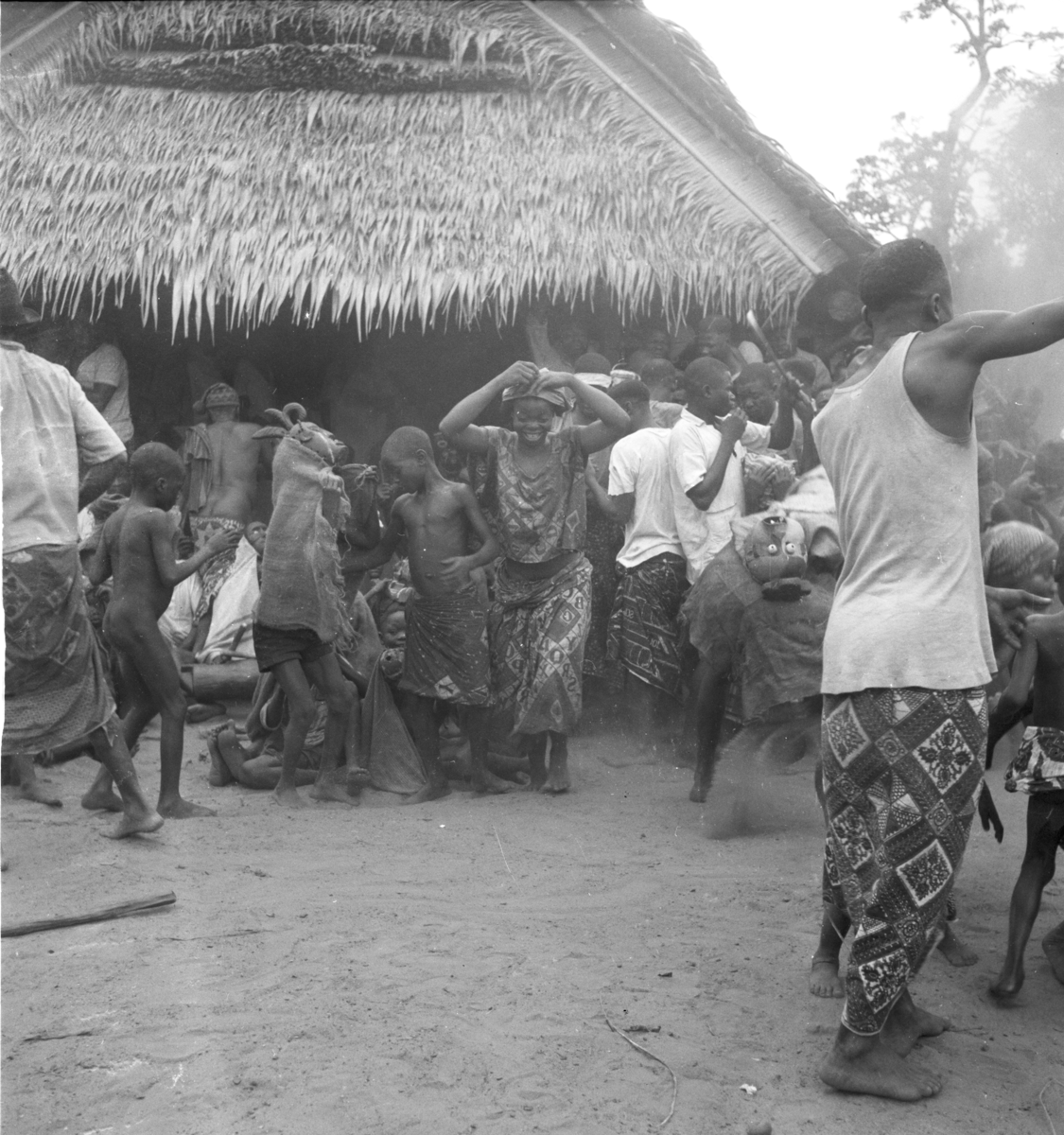
Ngbangba Ikoro Masquerade at Abiriba
By G.I. Jones
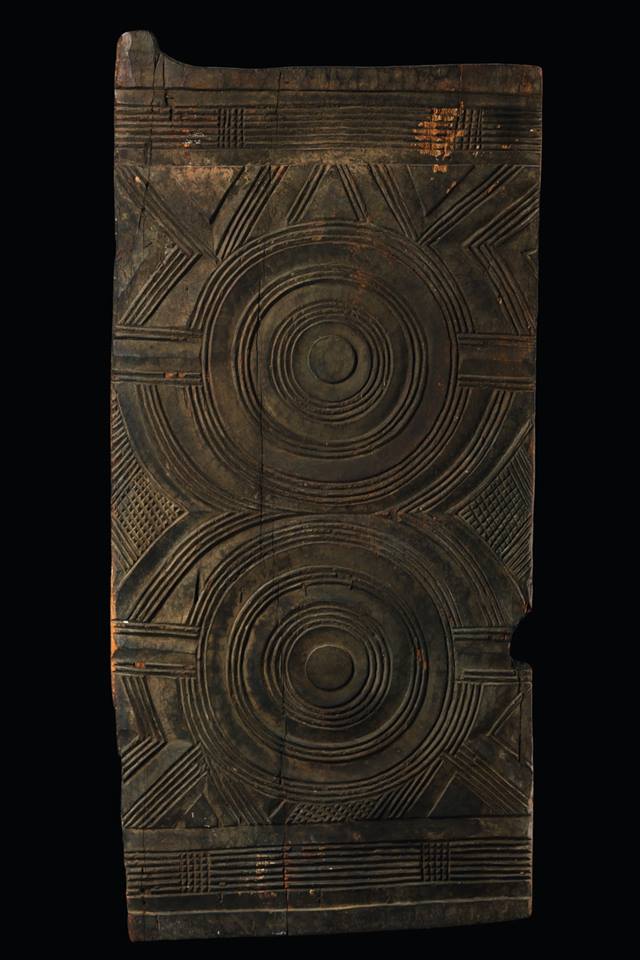
Heavy Wood Door from Nri Awka
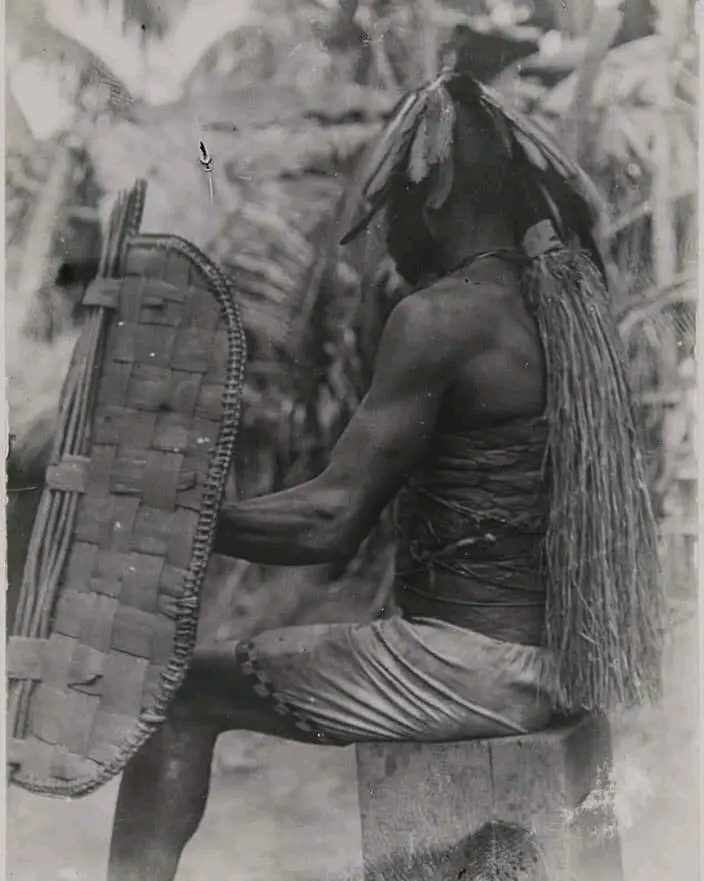
An Igbo Elder from Awka, Wearing a War Helmet and …
By Northcote Thomas
Trader from Timbuctou and Rich Trading Woman
By G. F. Packer
No comments yet. Be the first to share your thoughts!