

Stanford's Map of the British Possessions in West Africa 1895
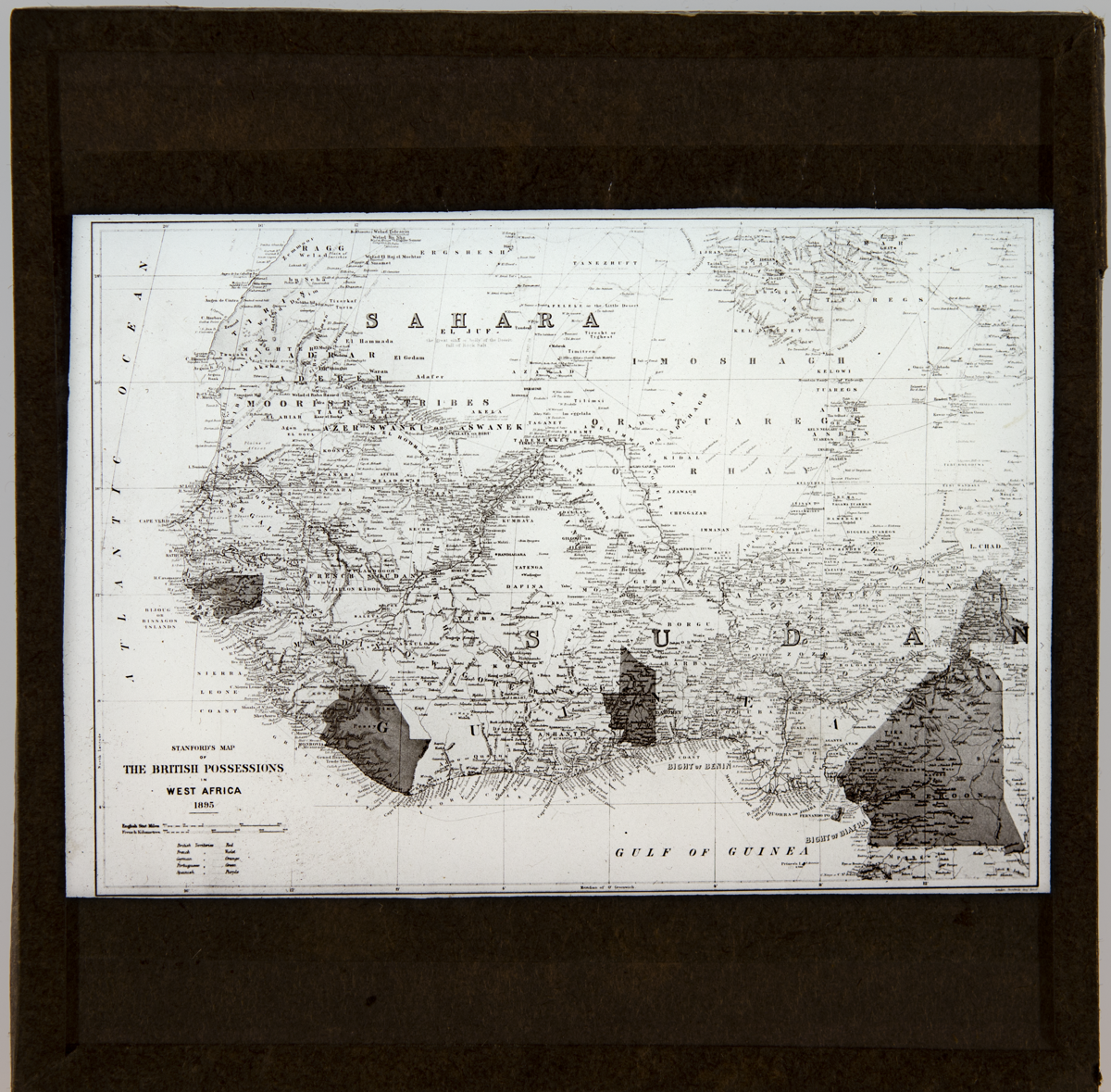
A grayscale cartographic map titled Stanford's Map of the British Possessions in West Africa 1895. The document depicts the Gulf of Guinea, Bight of Benin, Bight of Biafra, and various river systems. It includes labels for regions such as Borno, Kumbawa, and the Sahara. The map uses specific shading and hatching patterns to delineate territories associated with British, French, German, Portuguese, and Belgian colonial interests. This map was part of the Crosse Collection, documented in relation to the Royal Niger Company.
Community Notes

Onyeka Nwokike
Apr 23, 2026
The map was produced by Edward Stanford (1827-1904), a prominent British mapmaker and publisher. According to Edward Stanford Maps | RUDERMAN Maps, Stanford's firm was a leader in quality cartography during the 19th century, specializing in works that documented European exploration and colonial expansion.
Onyeka Nwokike
Apr 23, 2026
Dr. William Henry Crosse, the collector associated with this map, served as the Principal Medical Officer for the Royal Niger Company from 1886 to 1895. In addition to his medical role, Crosse was a naturalist and researcher who published Notes on the Malarial Fevers Met with on the River Niger, West Africa in 1892. His scientific contributions are further recognized in Cross's beaked snake - Wikipedia, which notes that the species Letheobia crossii was named in his honor.
Onyeka Nwokike
Apr 23, 2026
The territorial delineations on the map illustrate the sphere of influence of the Royal Niger Company, a mercantile entity chartered in 1886 under Sir George Taubman Goldie to extend British control over the lower Niger River valley. As noted by Britannica, the company functioned as a vehicle for British imperial interests in the region. The map's date of 1895 is particularly significant, as it coincides with a major uprising led by King Koko, who attacked the Royal Niger Company's headquarters in Akassa on January 29, 1895, as detailed by Africa's Country.
Log in to add context.
Explore Further
Discover related books and stories to deepen your understanding.

Trade Winds on the Niger: Saga of the Royal Niger …
By Geoffrey L. Baker

The Rise of British Colonialism in Southern Nigeria, 1700-1900: A …
By Kalu E. Ume

Anthropological Report on the Ibo-Speaking Peoples of Nigeria: Law and …
By Northcote Thomas

The Joys of Motherhood
By Buchi Emecheta

Perspectives On Aro History & Civilization: The Splendour of a …
By Mazi Azubike Okoro and Mazi Ben Ezumah

Igbo Worlds: An Anthology of Oral Histories and Historical Descriptions
By Elizabeth Allo Isichei

Things Fall Apart
By Chinua Achebe

Chike and the River
By Chinua Achebe

People of the City
By Cyprian Ekwensi
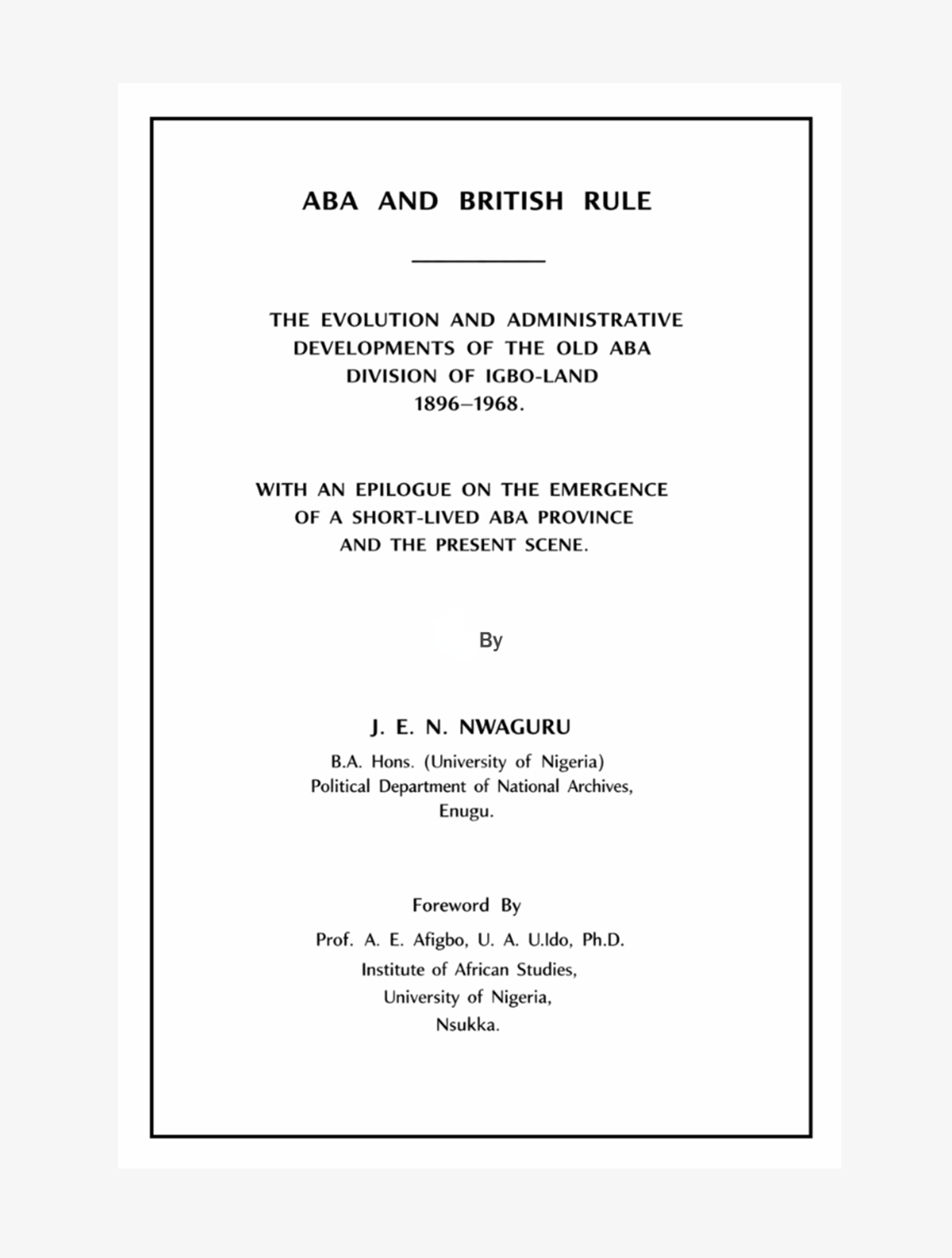
Aba and British Rule
By Dandy Ahuruonye

You May Also Like
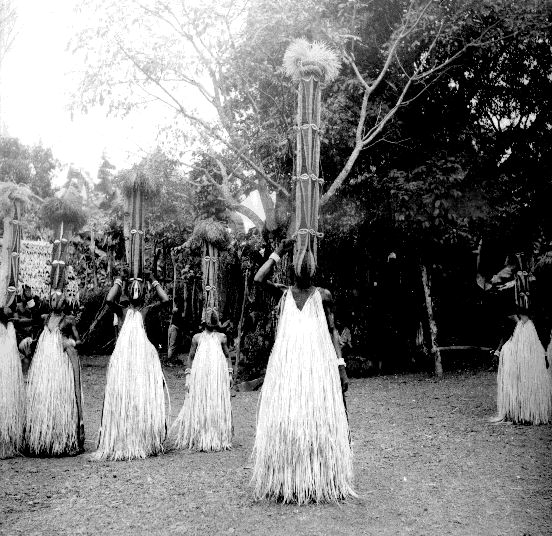
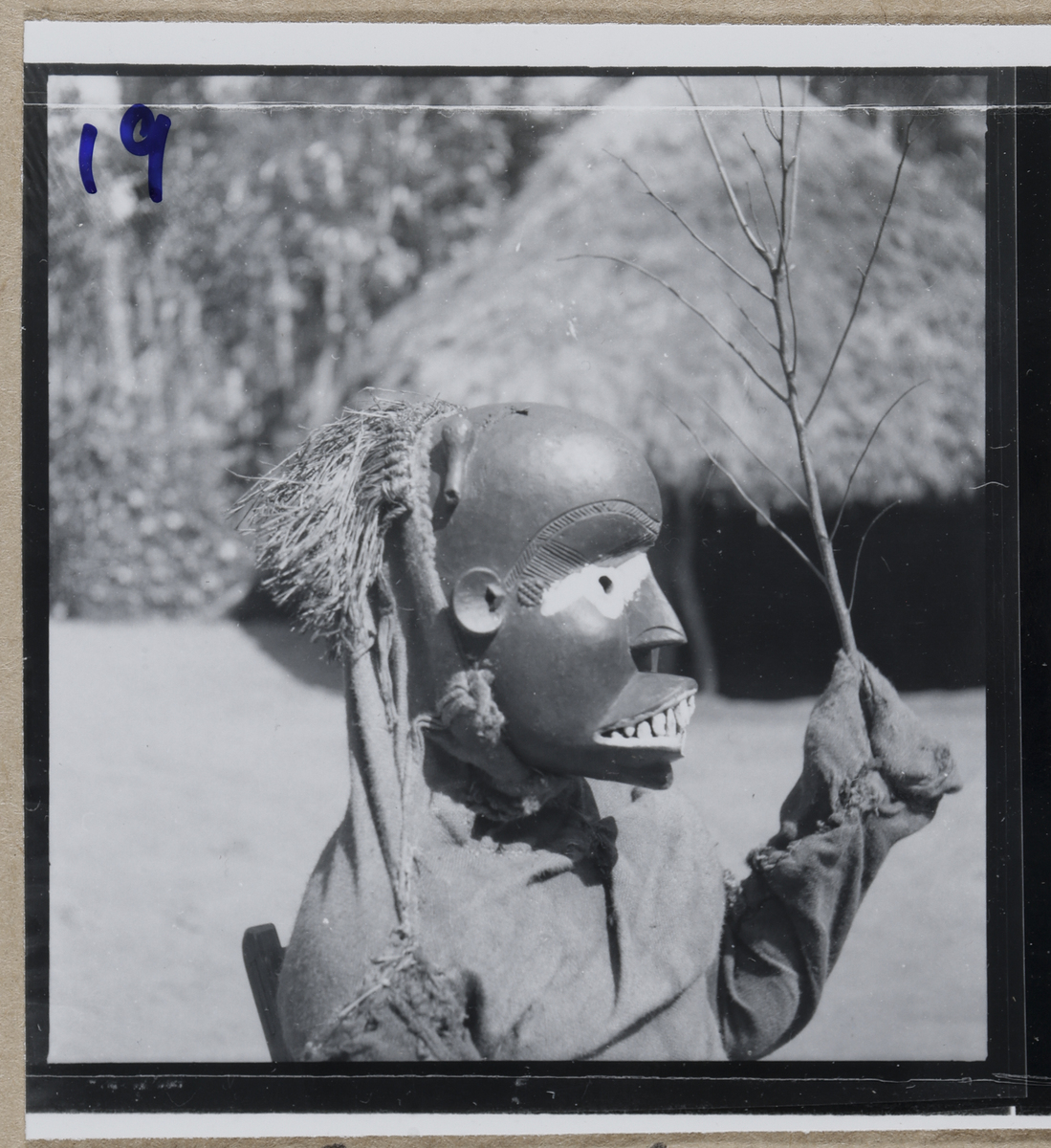
Dancing Initiation Masks, Boys Initiation
By G.I. Jones
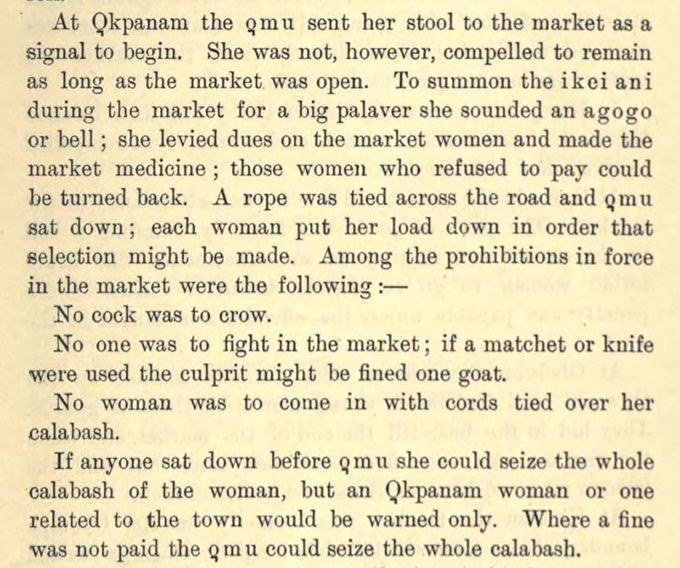
Excerpt from Northcote Thomas's Anthropological Report on Ibo-speaking Peoples of …
By Northcote Thomas
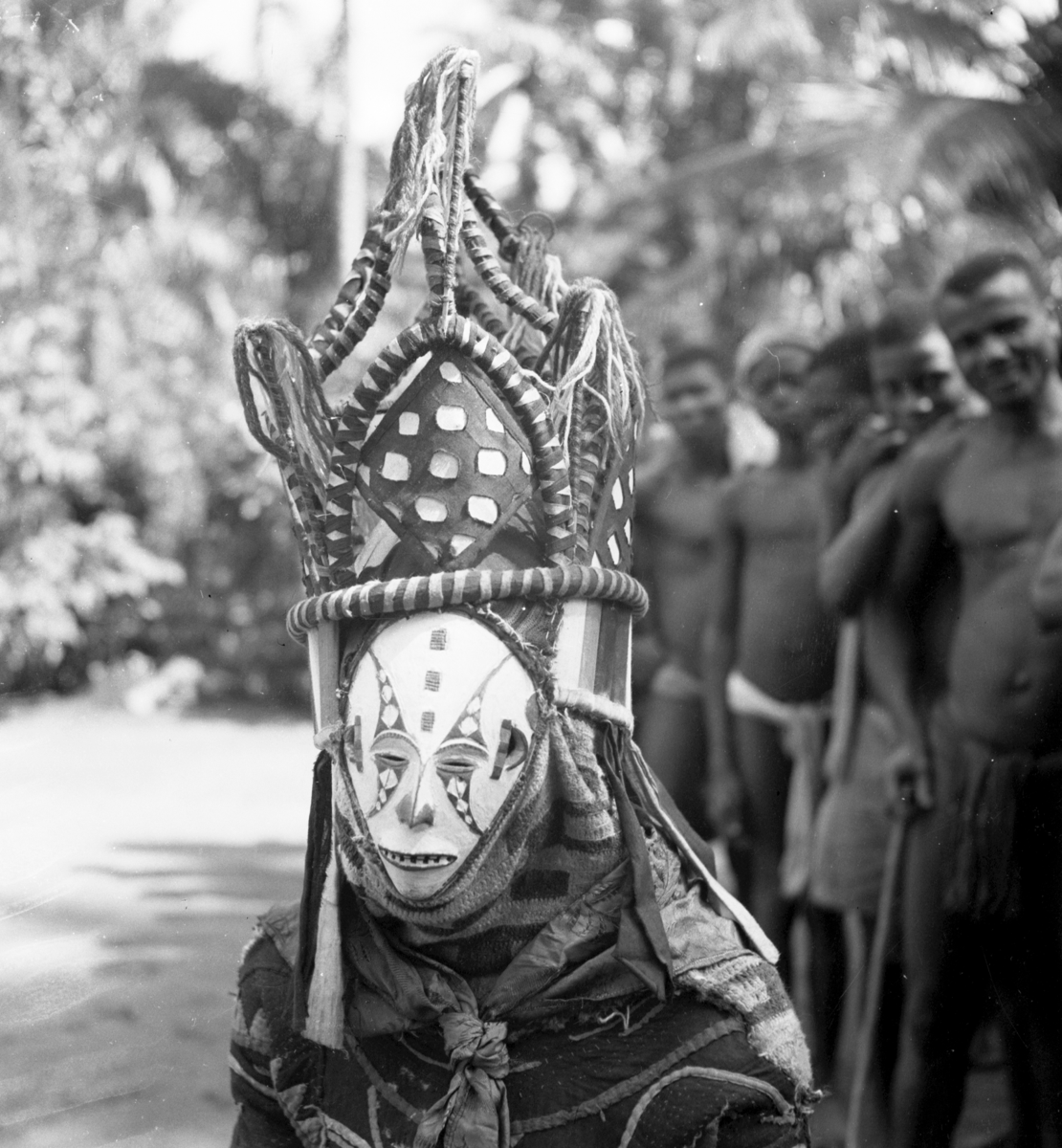
Obugulu Mau Masquerade: Egu Agu
By G.I. Jones
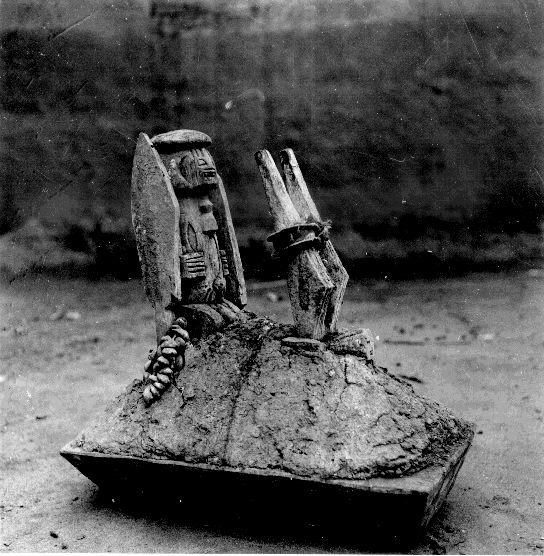
Portable Household Shrine, North Ika
By G.I. Jones
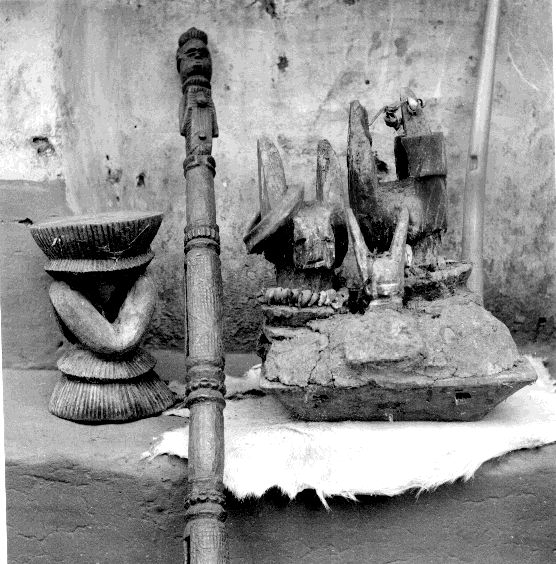
Ofo, Uxurhe, and Ikenga from North Ika
By G.I. Jones
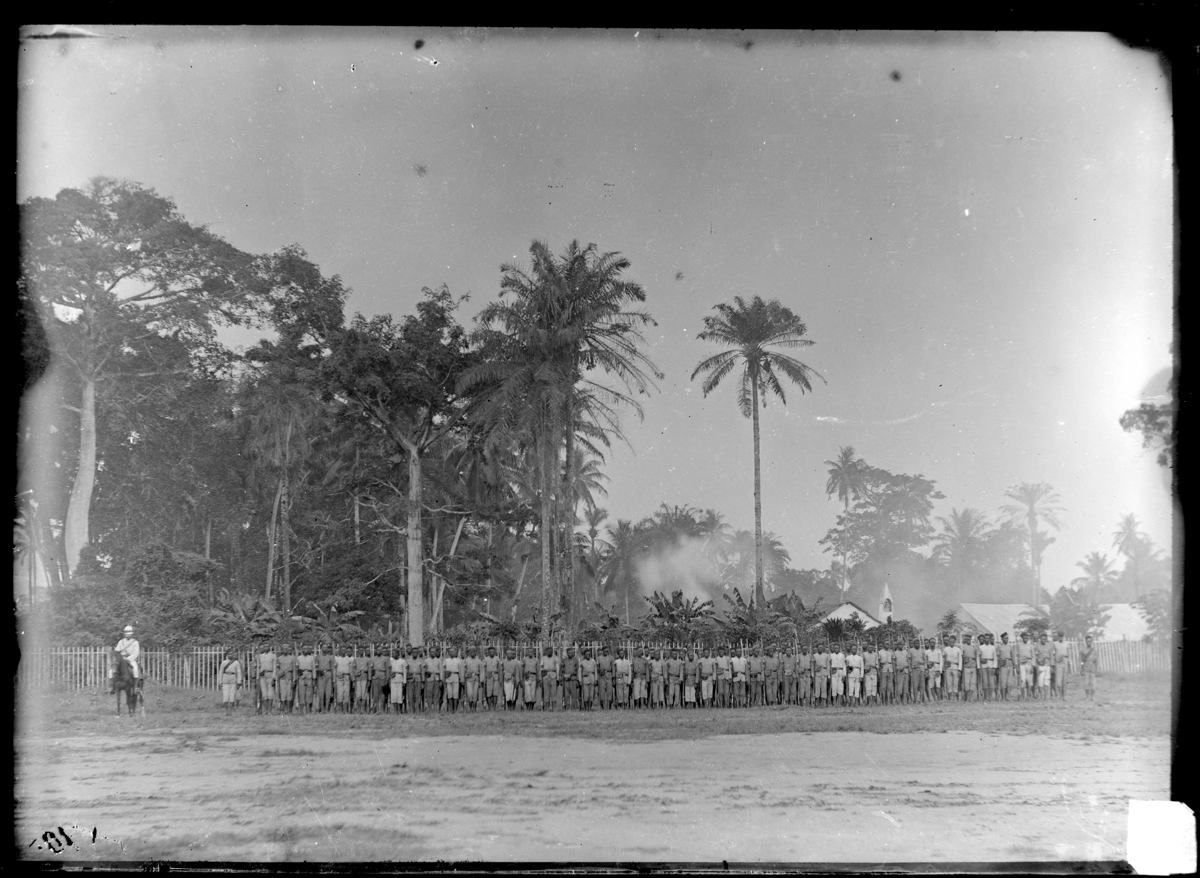
Royal Niger Company Soldiery
By William Henry Crosse
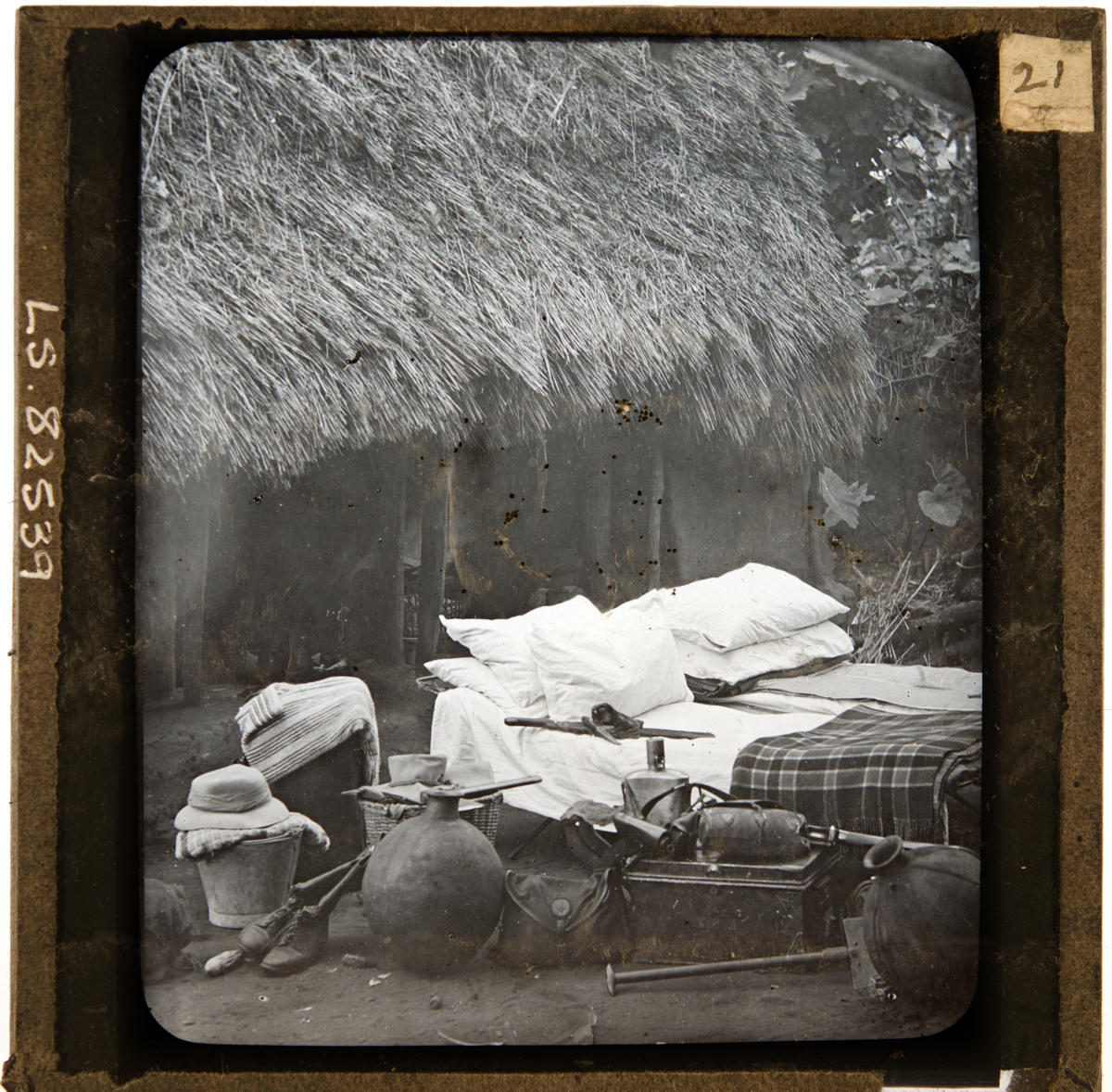
Domestic assemblage and sleeping area
By William Henry Crosse
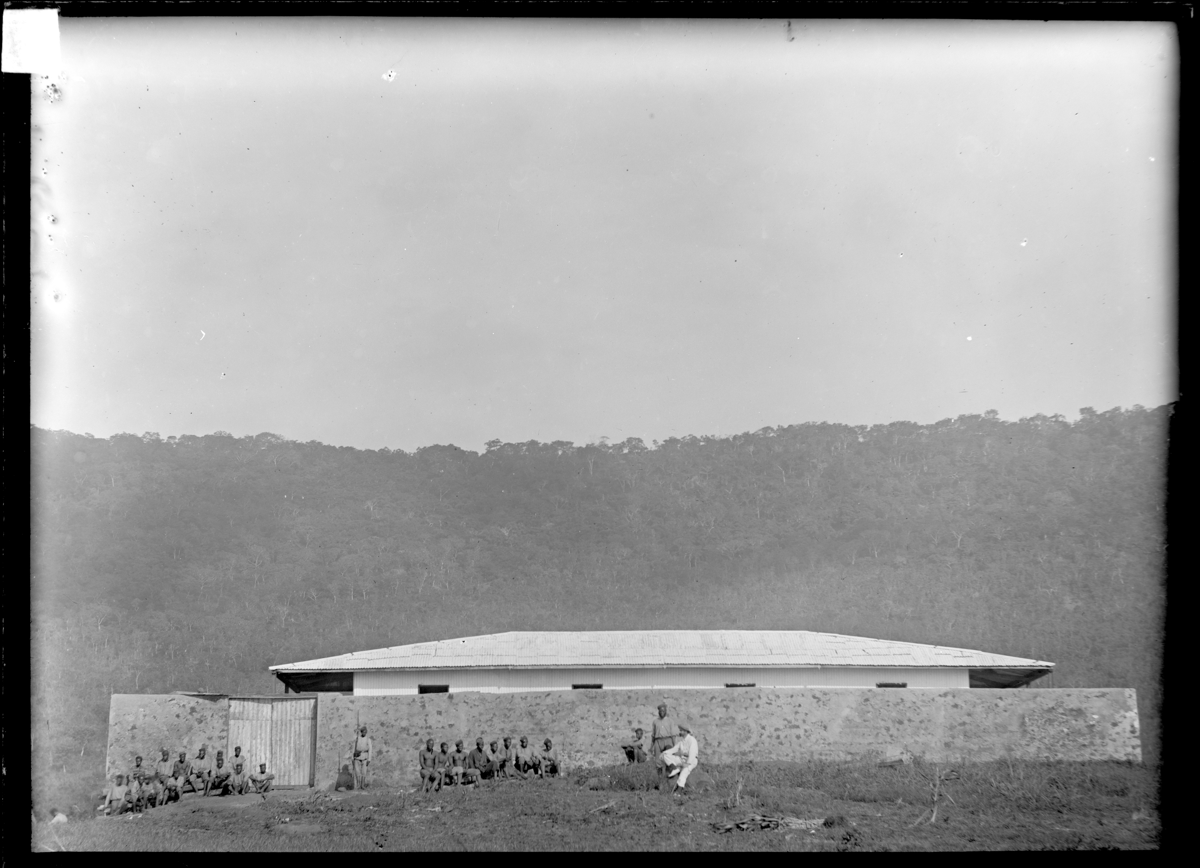
Group Portrait at a Royal Niger Company Station
By William Henry Crosse
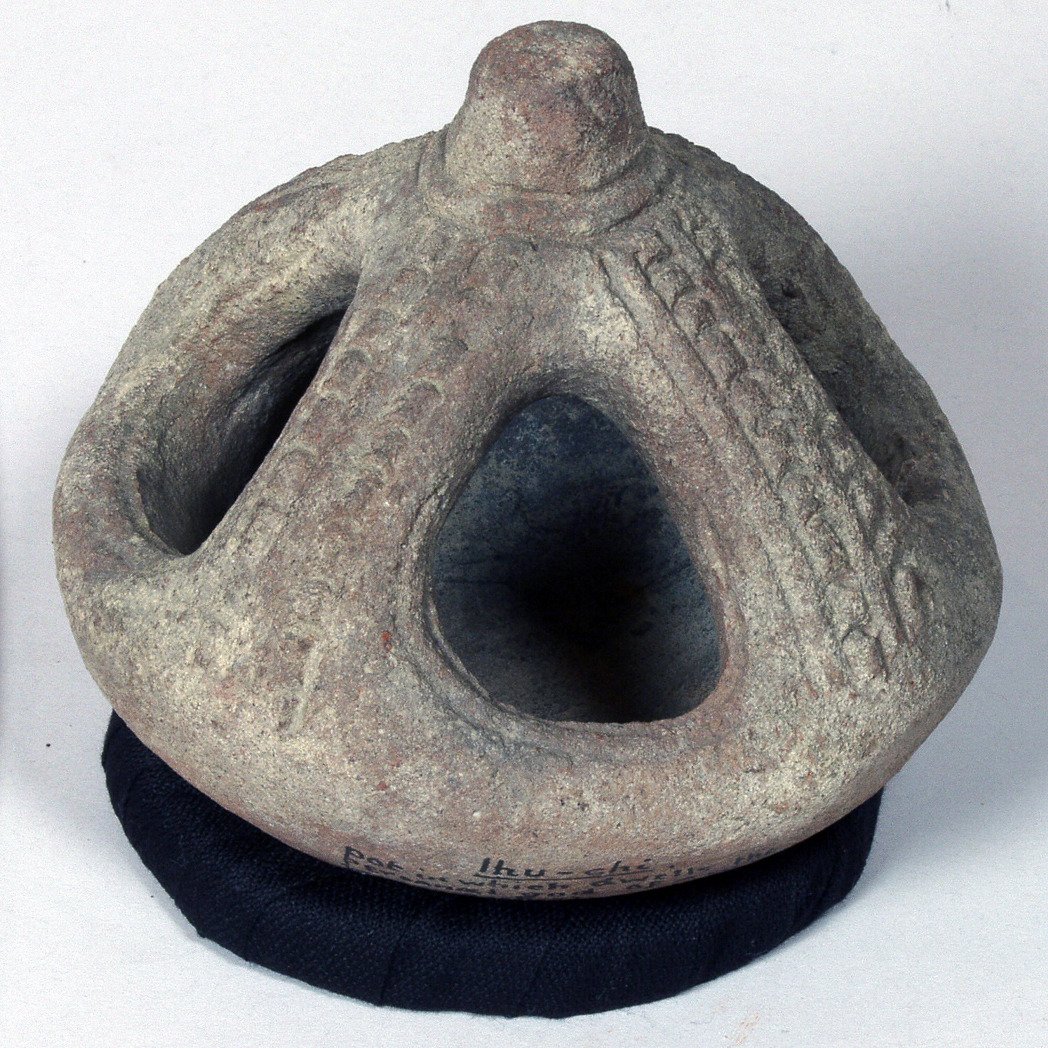
Pot believed to hold the personal spirit (chi)
By Percy Amaury Talbot
No comments yet. Be the first to share your thoughts!