
Two Igbo Women in Traditional Attire, Onitsha
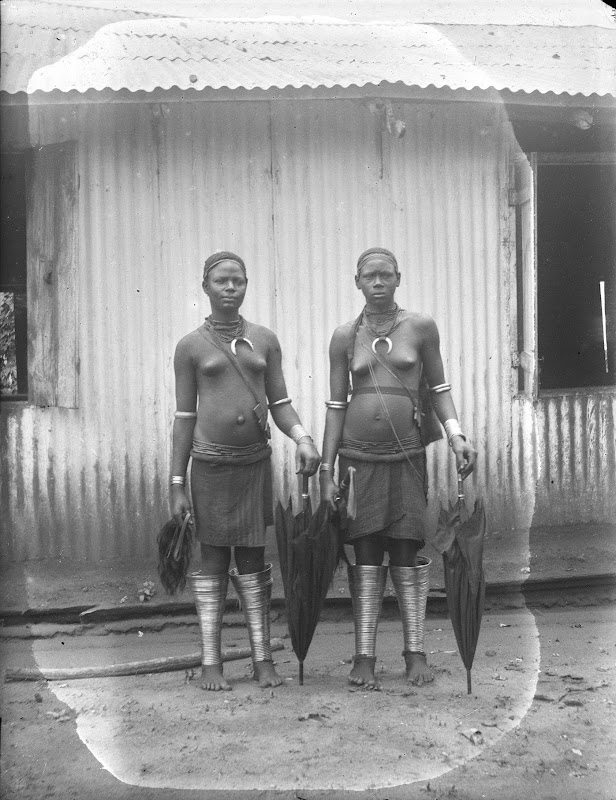
A photograph depicting two ladies from the Onitsha area. Both subjects are bare-chested and wear tight-fitting dark bands around their heads, multiple beaded necklaces with a central crescent-shaped pendant, and a diagonal sash across the torso. Their attire includes metallic bands on the upper arms and wrists, a wide multi-layered waist belt, and short wrap-around skirts. Both wear cylindrical metallic leg guards extending from the ankle to below the knee. One subject holds a fly-whisk and a closed umbrella, while the other also holds a closed umbrella. The background consists of a building made of corrugated metal sheets.
Community Notes

Onyeka Nwokike
May 11, 2026
Herbert Irvine Arabin Wimberley (1868-1945) was an Oxford-educated official who served in the Colonial Service as an Inspector of Schools in Lagos and later as Provincial Inspector of Schools in Onitsha. He was a prolific amateur photographer who documented the people and architecture of Southern Nigeria. His work is part of the Royal Commonwealth Society at the Cambridge University Library.
Onyeka Nwokike
May 11, 2026
The cylindrical metallic leg guards are called Nja (brass leg spirals), which signify wealth or status, often associated with coming-of-age ceremonies such as Iru Agbogho. The crescent-shaped pendant is a signature ornament of the Otu Odu (Ivory Society) or other high-status women, often carved from ivory or bone to symbolize the "Nkpulu Odu" (ivory nut or seed). The fly-whisk (Nza) is an emblem of authority used by members of title-holding societies like the Ozo or Otu Odu. The Otu Odu is a prestigious socio-political institution and is considered the female equivalent of the Agbalanze.
Log in to add context.
Explore Further
Discover related books and stories to deepen your understanding.

Groundwork of the History and Culture of Onitsha
By S. I. Bosah

The Thing Around Your Neck
By Chimamanda Ngozi Adichie

The King in Every Man: Evolutionary Trends in Onitsha Ibo …
By Richard N. Henderson

After God Is Dibia: Igbo Cosmology, Divination and Sacred Science …
By John Anenechukwu Umeh

Igbo Arts: Community and Cosmos
By Herbert M. Cole and Chike G. Aniakor

An African Popular Literature: A Study of Onitsha Market Pamphlets
By Emmanuel N. Obiechina

Among the Ibos of Nigeria
By G.T. Basden

Lessons From Vernacular Architecture in Nigeria
By Joyce Lodson
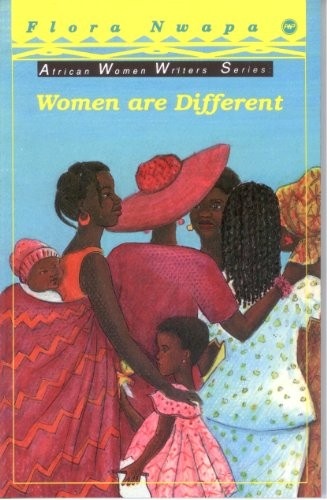
Women Are Different
By Flora Nwapa
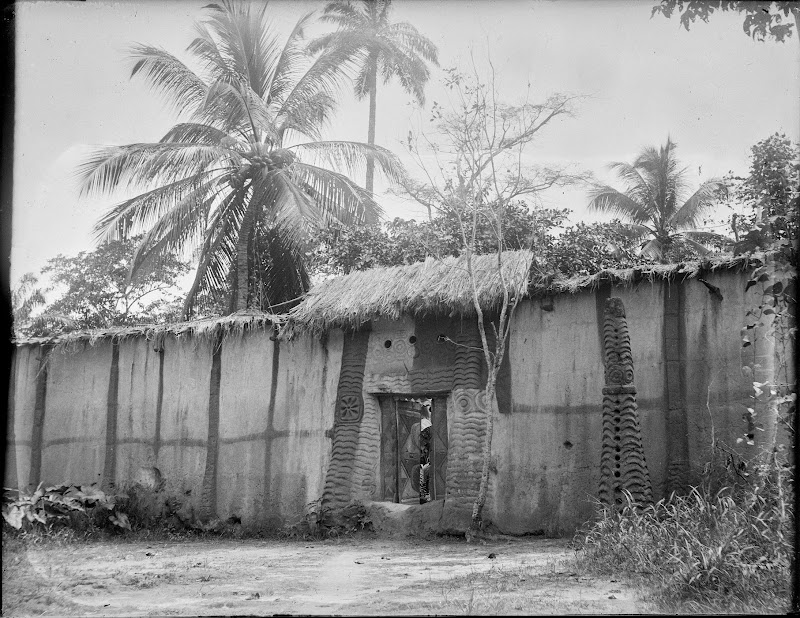
You May Also Like
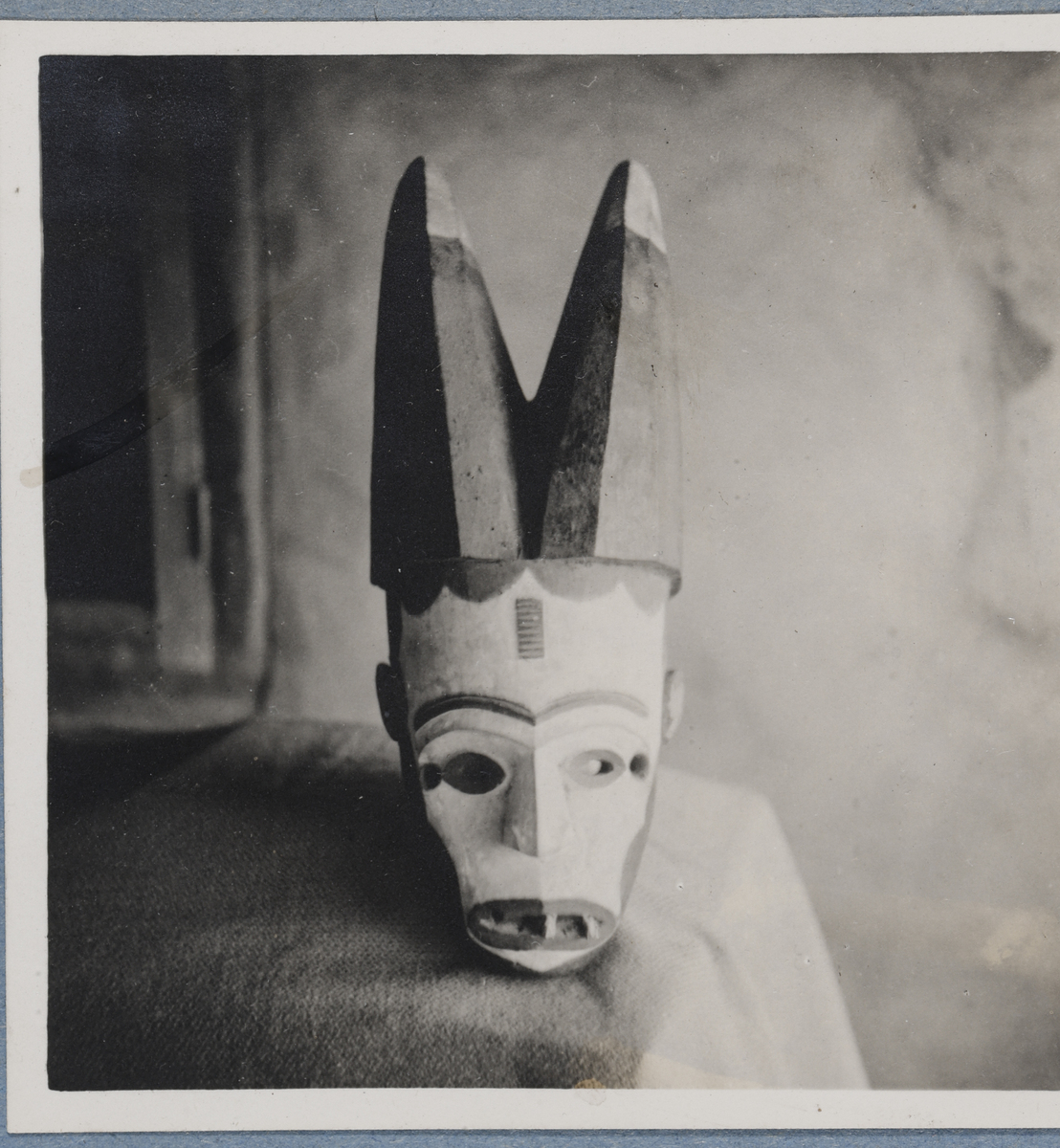
Horned Face Mask from Nri Awka
By G.I. Jones
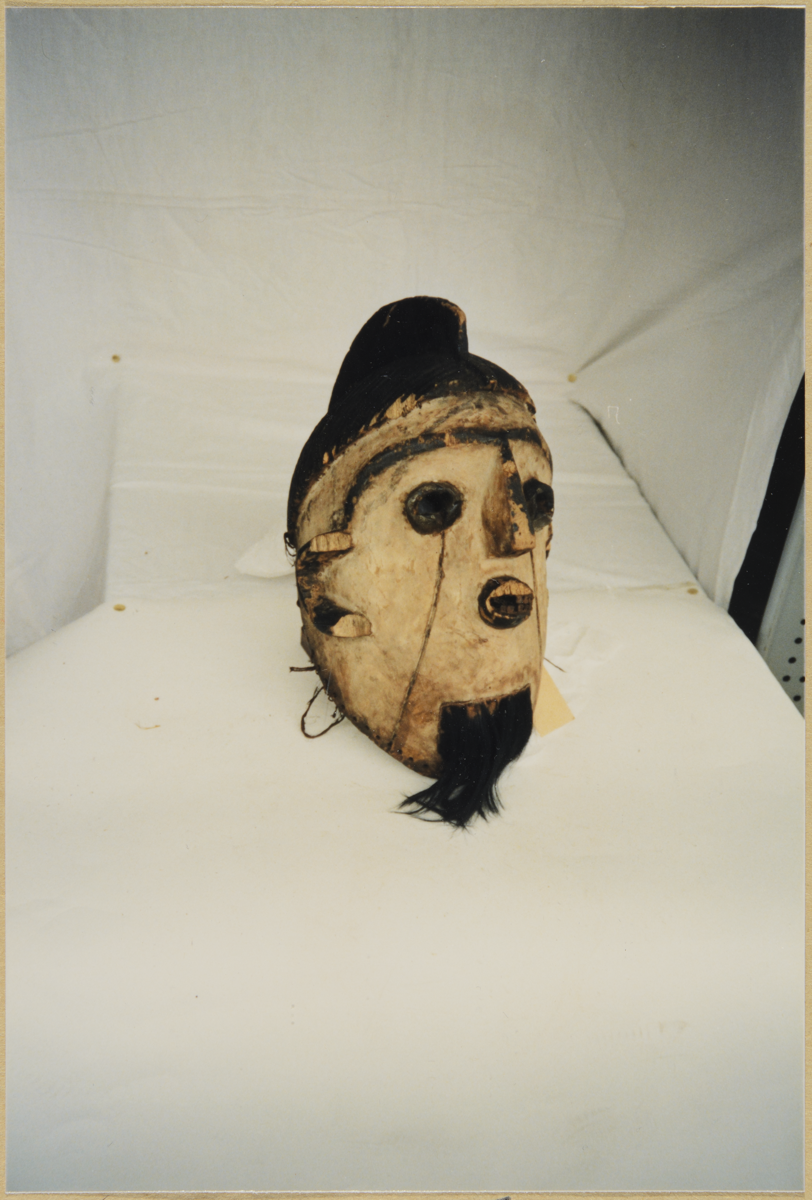
Carved Wooden Face Mask with Protruding Eyes
By G.I. Jones
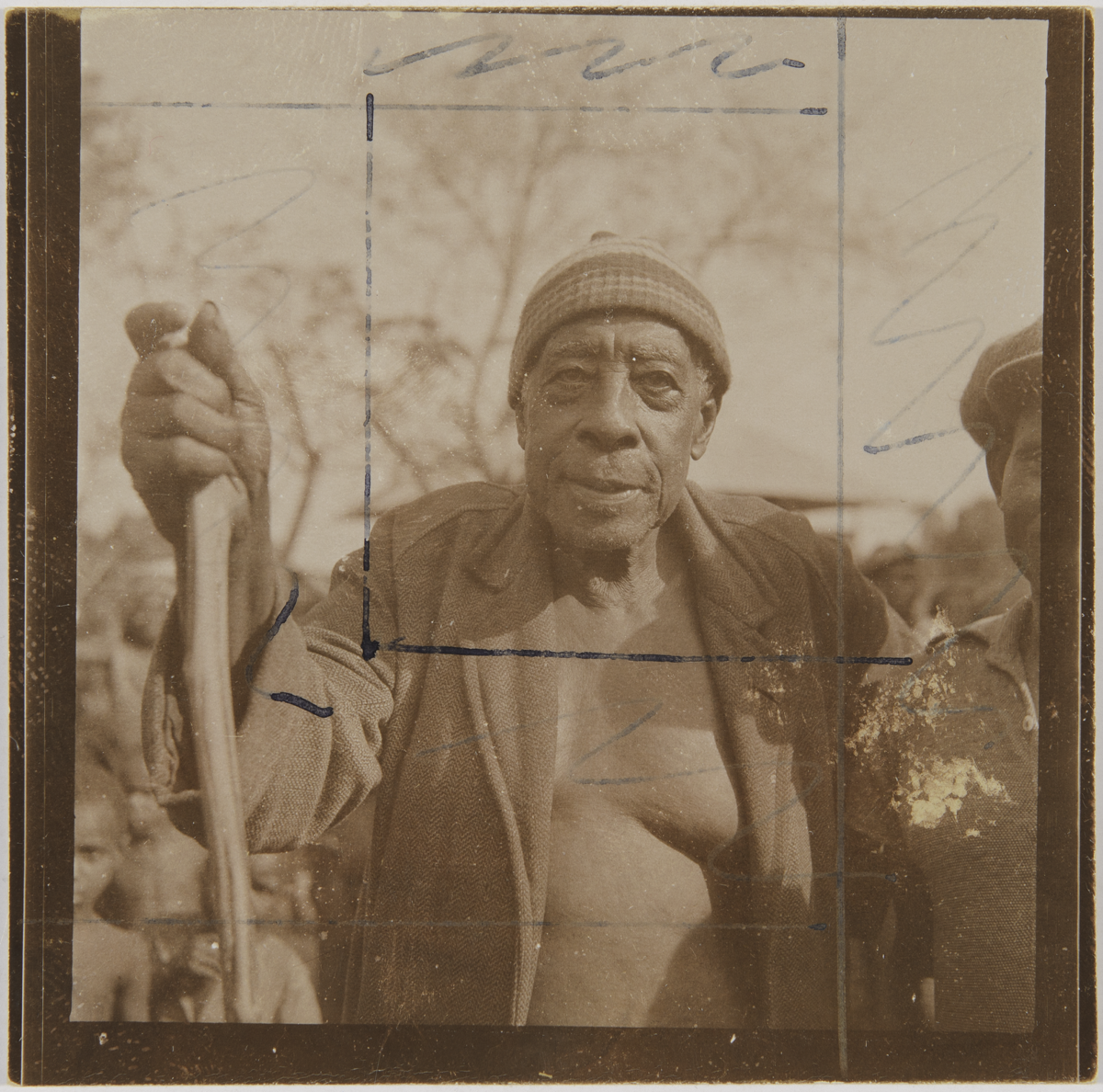
Portrait of a Male Elder with Staff
By G.I. Jones
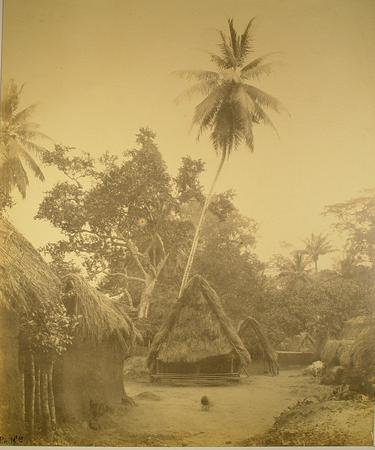
Interior View of a Chief's Compound
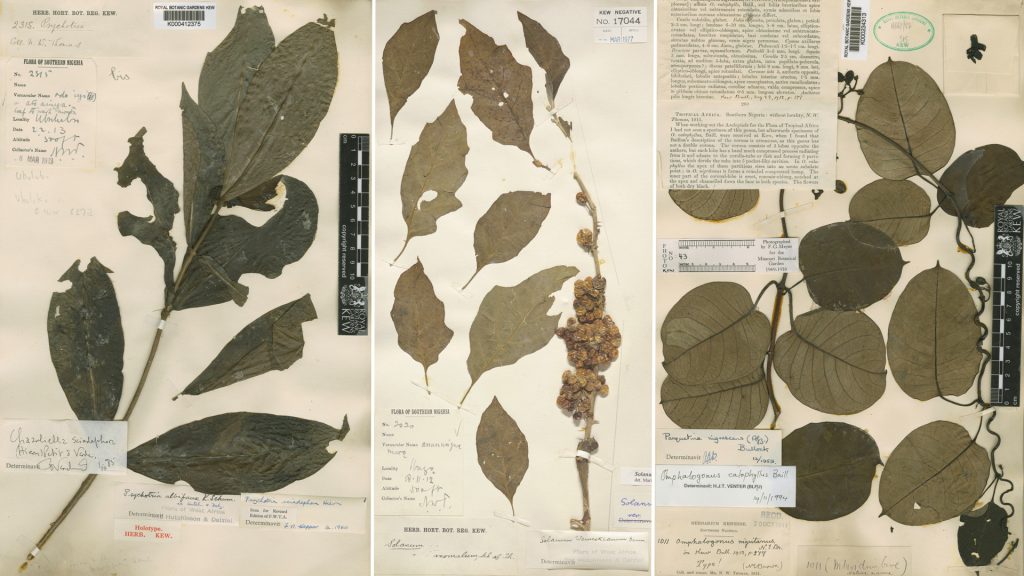
Northcote Thomas Botanical Collections
By Northcote Thomas
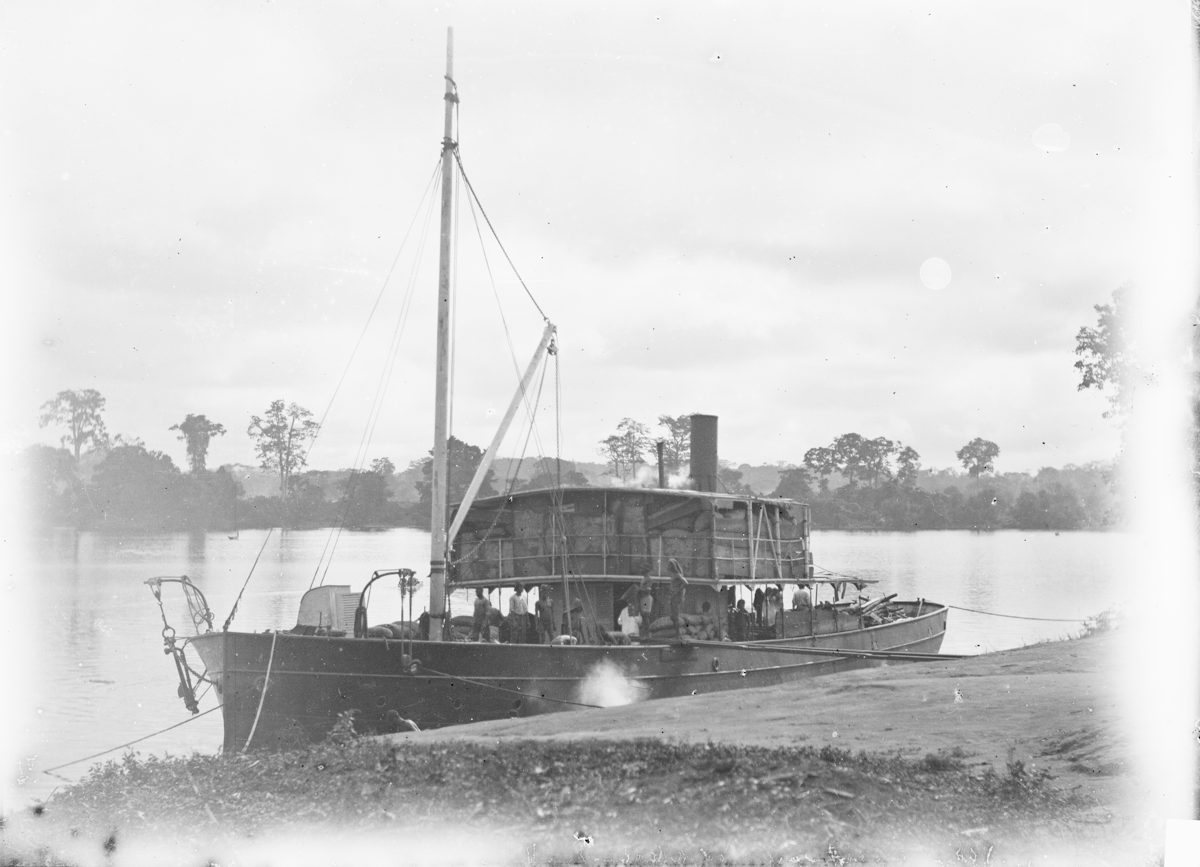
Royal Niger Company Steam Vessel on the Niger River
By William Henry Crosse
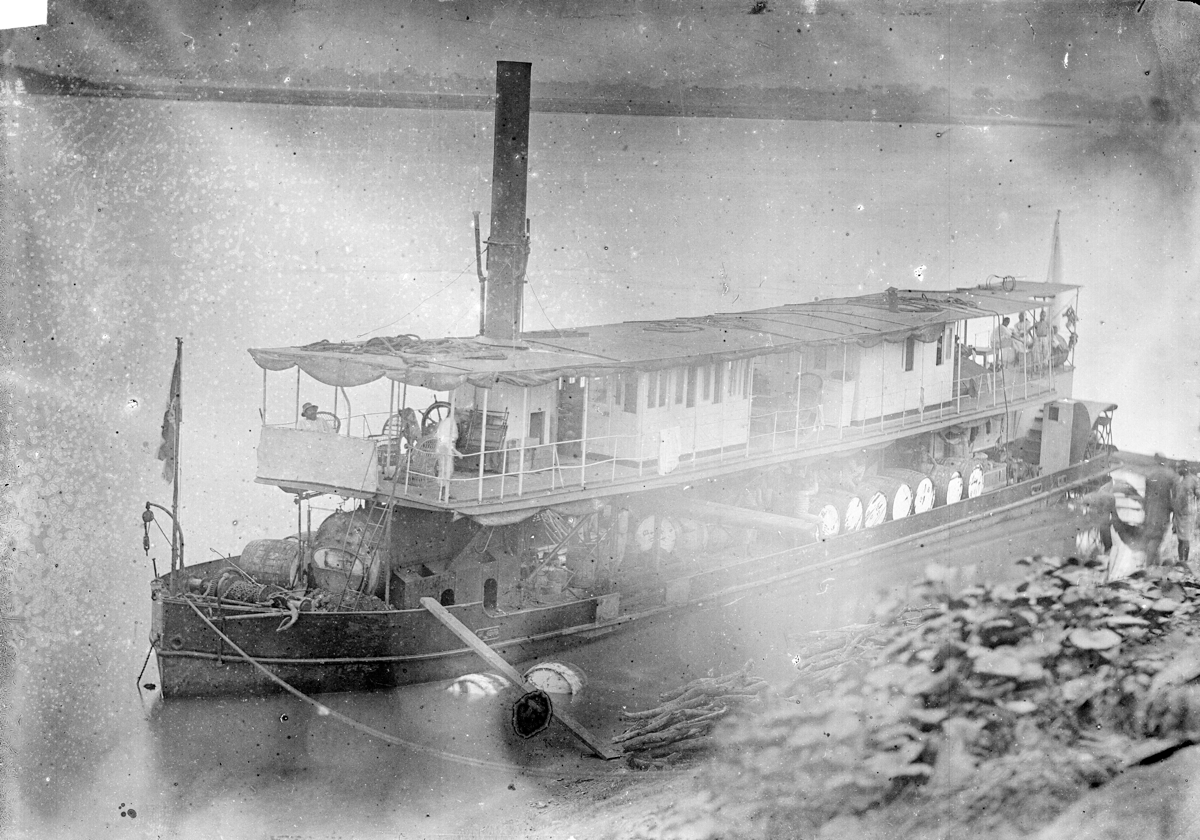
Royal Niger Company Vessel on the Niger River
By William Henry Crosse
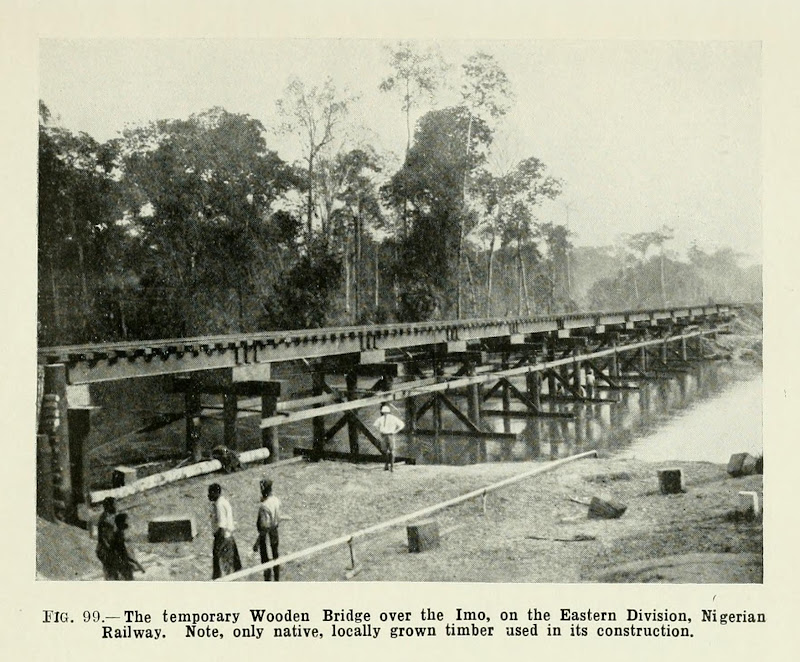
Temporary Wooden Bridge over the Imo River
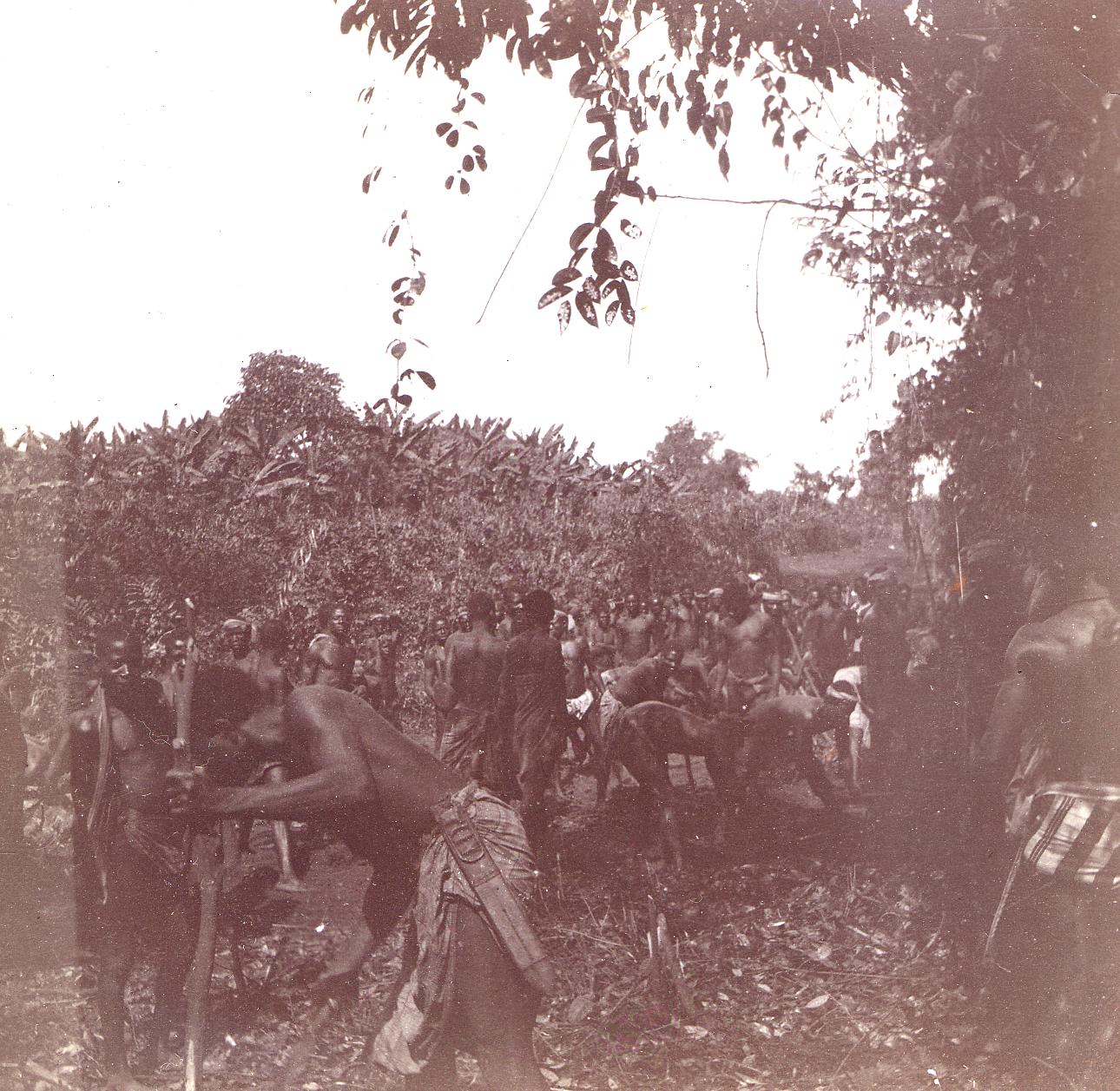
Aro men in loincloths clearing thick forest overgrowth under direction …
By Donald A. MacAlister
No comments yet. Be the first to share your thoughts!