

Group Portrait of a Family
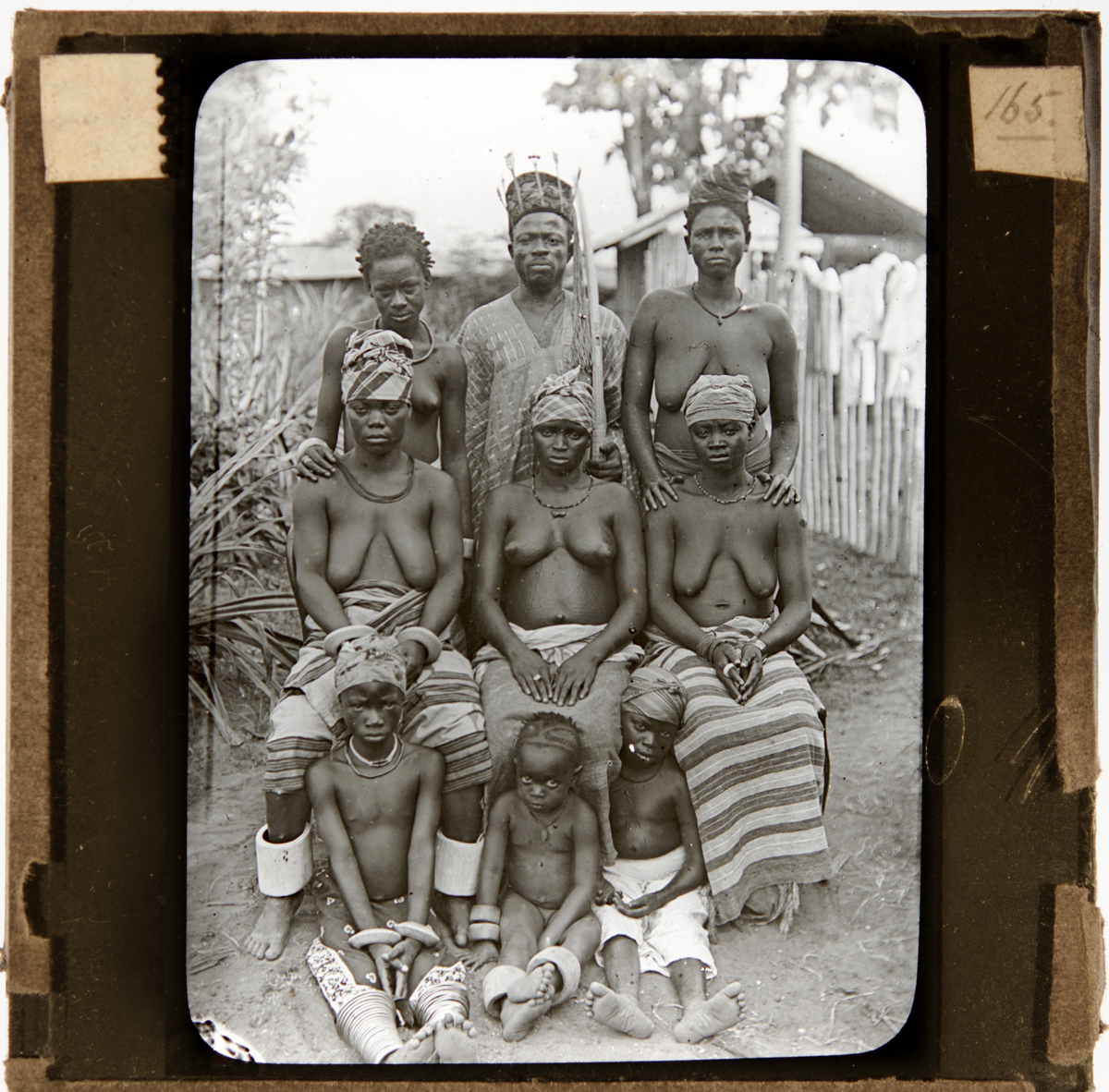
A photograph depicting a group portrait of eight individuals arranged in three tiers in an outdoor setting. The rear tier features an adult male in a patterned long-sleeved tunic and a structured headpiece, holding a slender vertical staff, flanked by two females. The middle tier consists of three seated females who are bare-chested and wear patterned textile wraps and head wraps. The front tier contains three children seated on the ground. The environment is an unpaved area with palm-like vegetation and a wooden slat fence in the background.
Community Notes

Onyeka Nwokike
Jul 27, 2026
The subjects are likely from Igbo communities along the Niger River, such as Asaba or Onitsha. The thick, white ornamental bands seen on the wrists and ankles of the females and the child are ivory ornaments called Odu, which served as prestigious markers of wealth and high social status, often associated with titled women known as Iyom. The central male's structured headpiece and vertical staff, referred to as Osisi or Ofor, signify a position of authority, likely that of an Ozo title holder.
Onyeka Nwokike
Jul 27, 2026
Dr. William Henry Crosse served as the Principal Medical Officer for the Royal Niger Company, whose aggressive expansion into the region disrupted traditional trade routes and local economies in Igbo communities. His photographic documentation was later utilized by Charles Henry Robinson in the 1900 publication Nigeria: Our Latest Protectorate.
Log in to add context.
Explore Further
Discover related books and stories to deepen your understanding.

The Igbo and their neighbours
By A. E. Afigbo

A Grammar of Contemporary Igbo: Constituents, Features and Processes
By E. Nolue Emenanjo

Igbo Worlds: An Anthology of Oral Histories and Historical Descriptions
By Elizabeth Allo Isichei
Toads for Supper
By Vincent Chukwuemeka Ike

Labyrinths
By Christopher Okigbo

Ada/Umuada in Igbo Land Nigeria: Ada Igbo
By Okeke Vivian
Women Are Different
By Flora Nwapa

An Introduction to Nigerian Traditional Architecture: South-Eastern Nigeria: The Igbo-speaking …
By Z.R. Dmochowski

The Asaba Massacre: Trauma, Memory, and the Nigerian Civil War
By S. Elizabeth Bird and Fraser M. Ottanelli
POLYGAMY: THE WAY OF A CHIEF
By Dandy Ahuruonye
You May Also Like
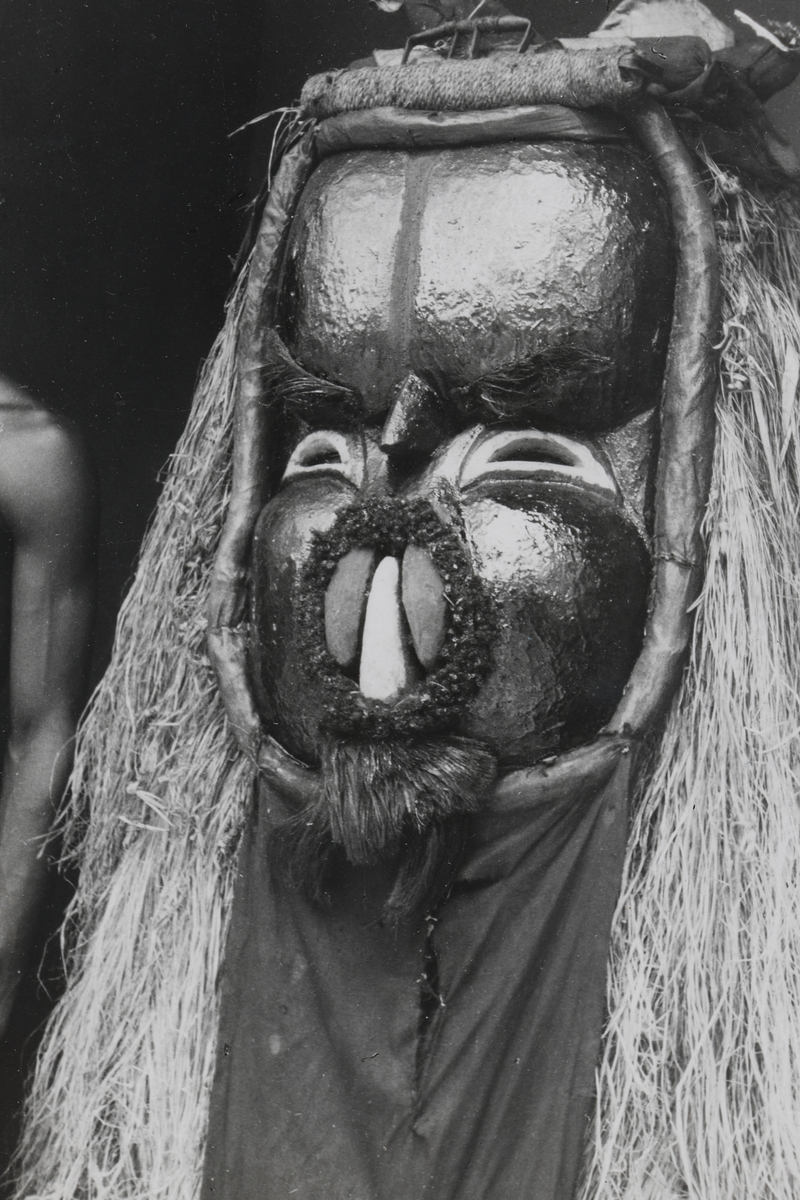
Ajofia Nnewi Masquerade Mask
By G.I. Jones
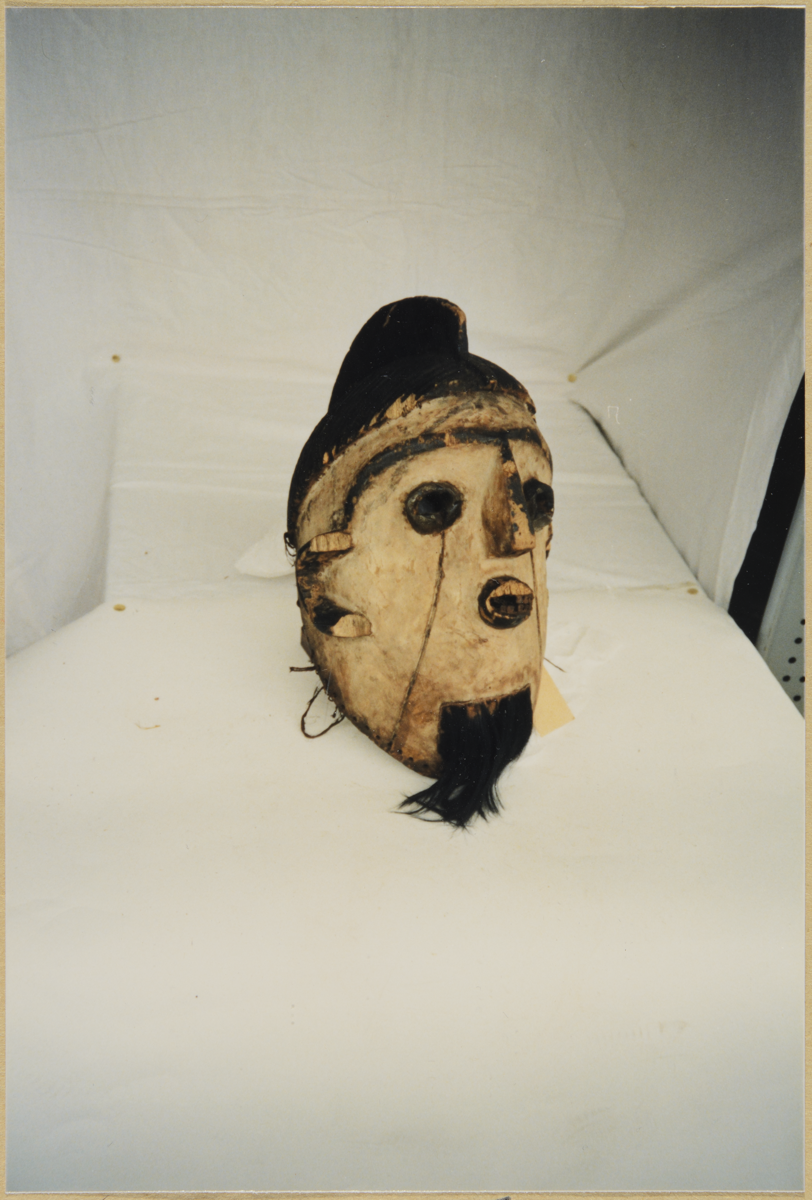
Carved Wooden Face Mask with Protruding Eyes
By G.I. Jones
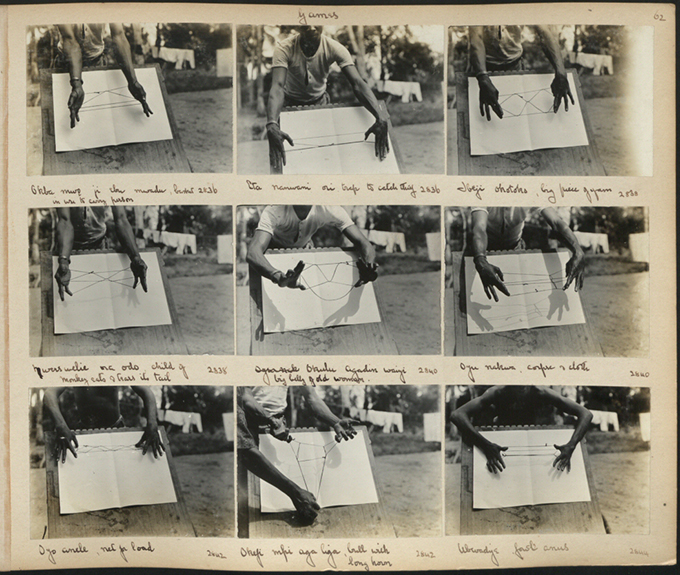
Nigerian String Games Album Page
By Northcote Thomas
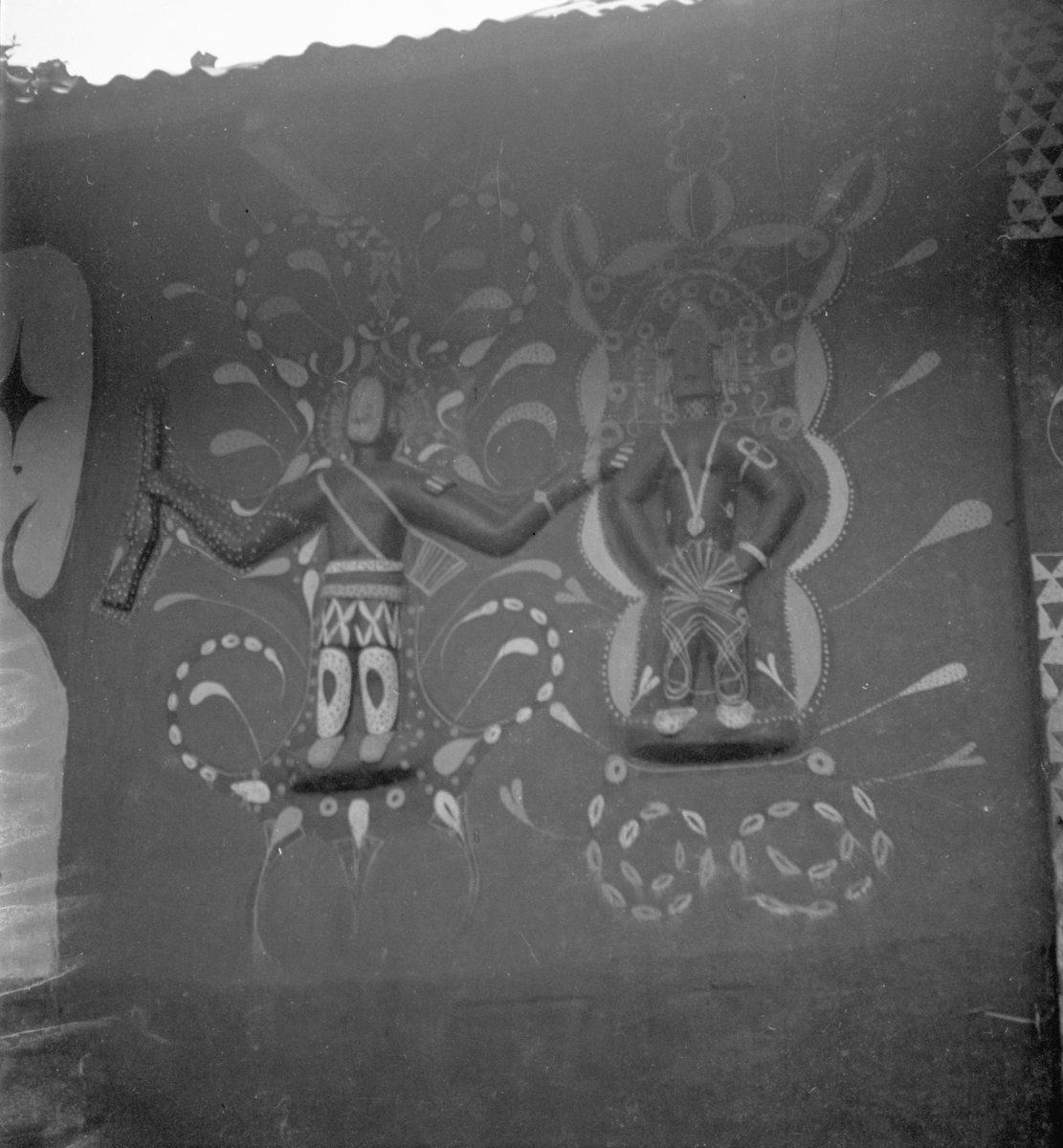
Mural Decorations in Nri Akwa
By G.I. Jones
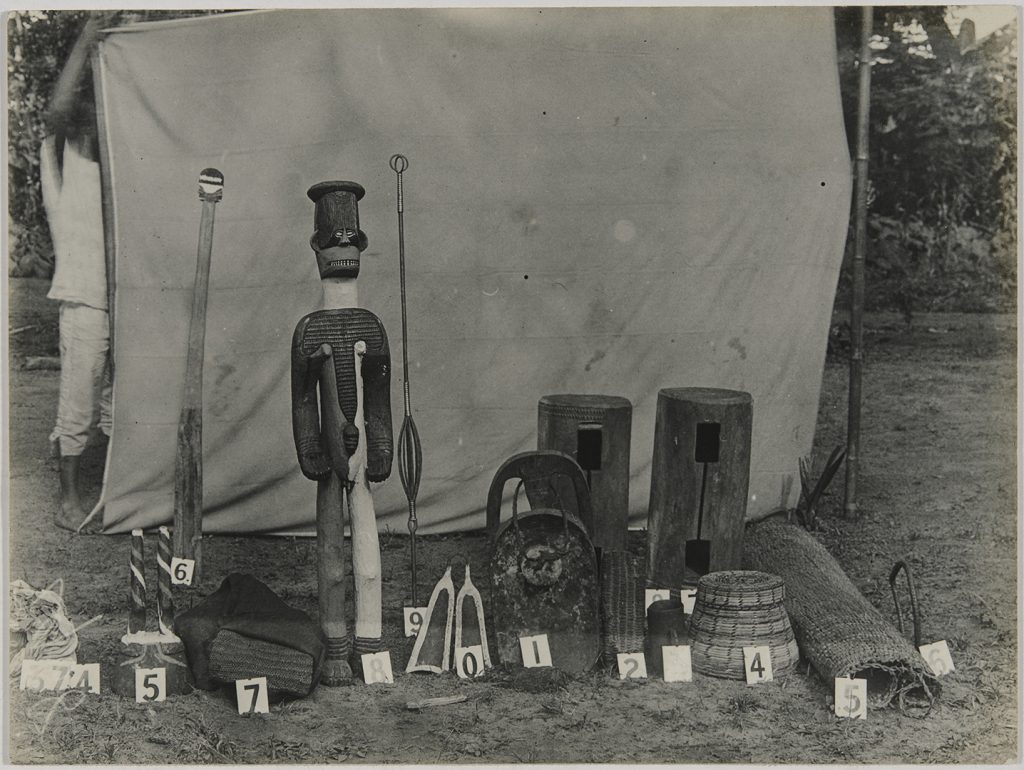
Northcote Thomas Collection: Awgbu Artifacts
By Northcote Thomas
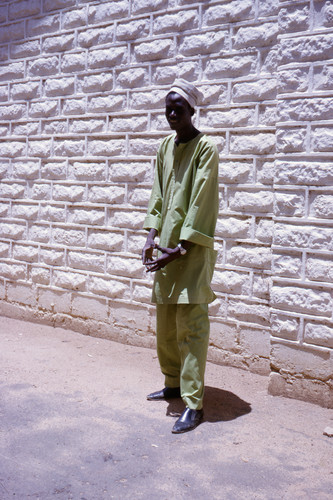
Young Igbo Christian Man in Kano
By Jenny Griffin
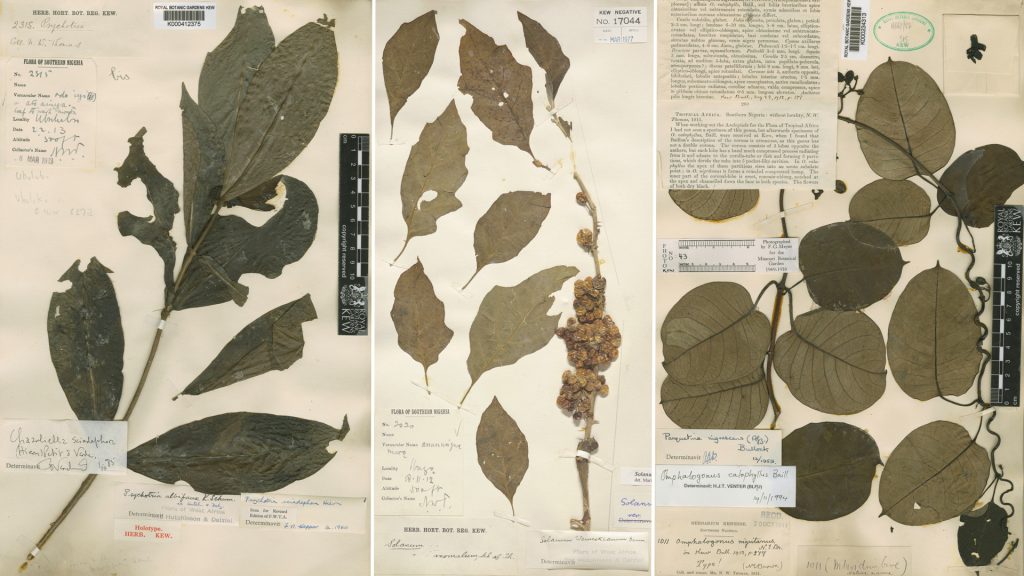
Northcote Thomas Botanical Collections
By Northcote Thomas
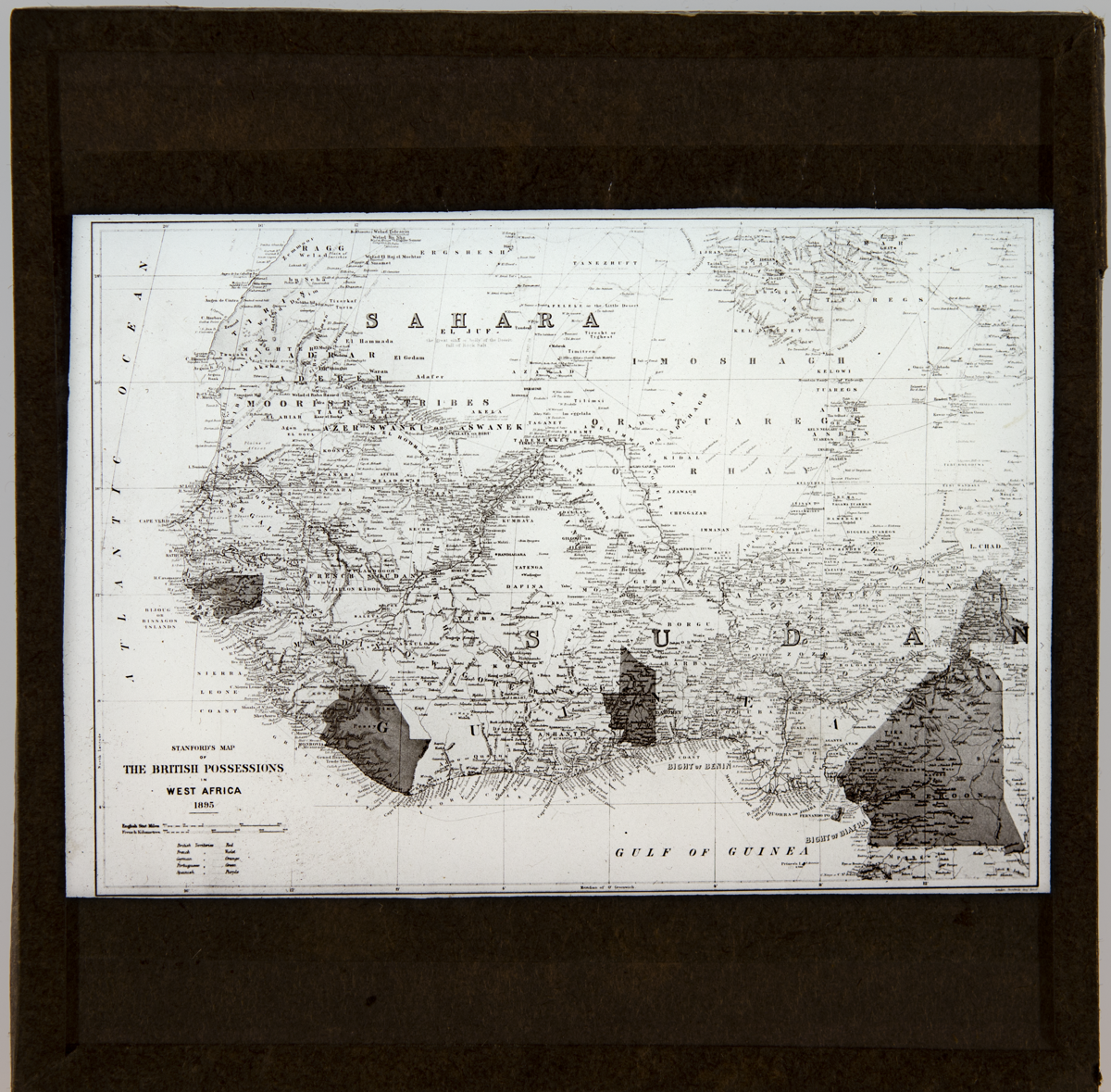
Stanford's Map of the British Possessions in West Africa 1895
By William Henry Crosse
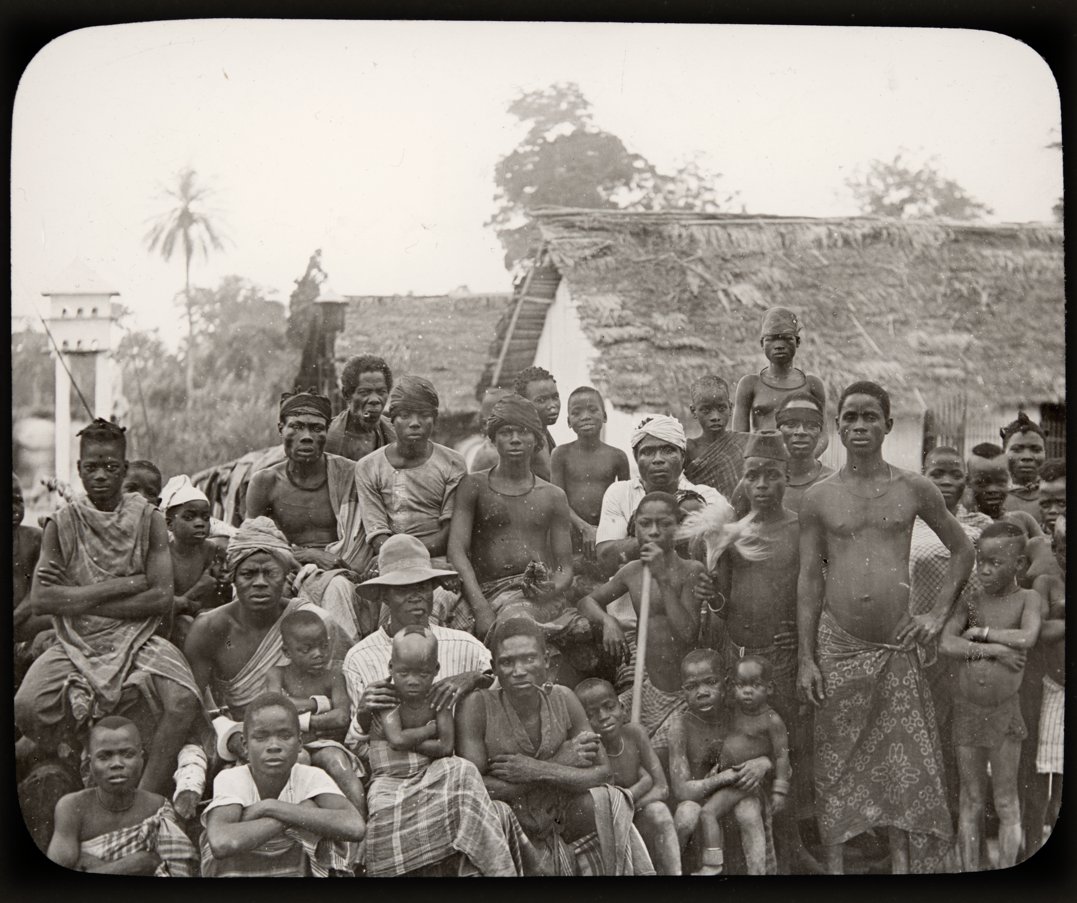
Group Portrait from Royal Niger Company
By William Henry Crosse
No comments yet. Be the first to share your thoughts!