

Obugulu Mau Masquerade: Egu Agu
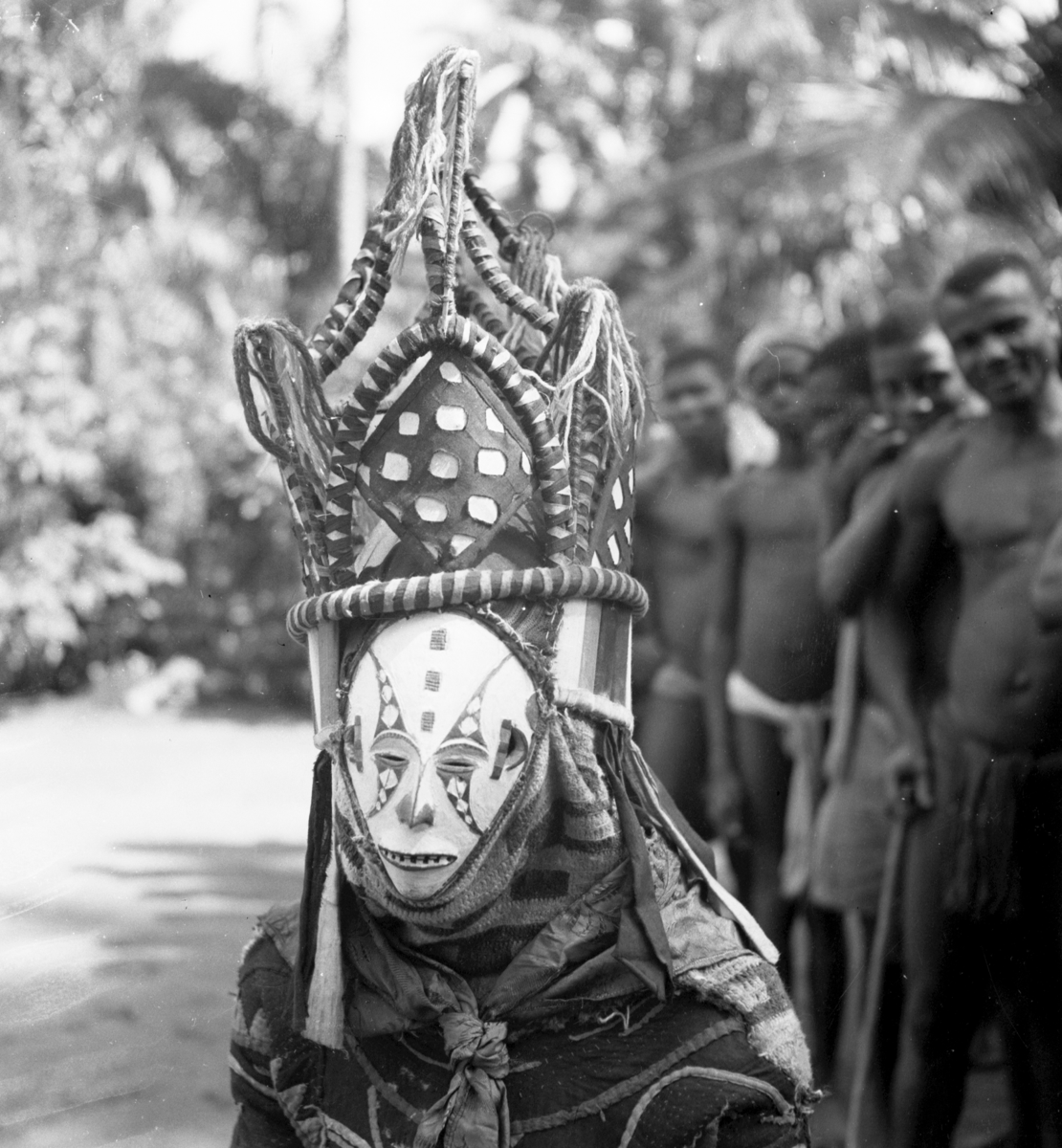
A photograph depicting a close-up portrait of a masquerader known as Egu Agu (Money Finish) during an Obugulu Mau (Ghost) masquerade. The figure wears a helmet mask with a complex superstructure decorated with cloth, tassels, and fibrous material. The mask is pale with symmetrical dark geometric patterns on the cheeks and forehead. The masquerader is dressed in a brightly coloured, harlequin-like costume featuring a cloth cloak tied around the neck over a woven or net cloth attached to the mask. In the mid-ground to the right, several minimally clothed male onlookers are visible. This masquerade type, popular in the 1930s within the Nri-Awka Igbo area, typically featured characters representing a grandmother, mother, and daughters.
Community Notes

Onyeka Nwokike
Sep 11, 2026
The masquerade is attributed to the Isuochi people (Northern Igbo) within the Nri-Awka cultural area. While documented as Amuda village in the Onitsha Province during the 1930s, this location is in present-day Isuochi, Umunneochi Local Government Area of Abia State. The original negative was stored in a film album by G.I. Jones labeled “ISU-OCHI - etc. ...” under reference C13/.
Onyeka Nwokike
Sep 11, 2026
Obugulu Mau (also spelled Ogbugulu Mau), meaning "Ghost Masquerade," was a traditional dance performed by men to escort the spirits of respected deceased elders to the spirit world. These performances typically featured a family-based troupe consisting of characters representing a grandmother, a mother, and several daughters.
Onyeka Nwokike
Sep 11, 2026
Egu Agu (also recorded as Ego Ago), translating to "Money Finish" or "Money is Exhausted," represents one of the daughter characters. The name refers to the high social status and cost involved in maintaining such costumes. Other characters in the Amuda village troupe include Iro Ekpetu (Merciless) and Nwabogho Efi (Heifer). As detailed in Ogbugulu Mau Masquerader Performing in Amuda Village, these daughter masks featured superstructures constructed from wire and cane covered in wools, streamers, and cloth tassels. This performance is further documented on page 143 of G.I. Jones's 1984 publication, The Art of Eastern Nigeria.
Log in to add context.
Explore Further
Discover related books and stories to deepen your understanding.

The Thing Around Your Neck
By Chimamanda Ngozi Adichie

Igbo Art And Culture: And Other Essays
By Simon Ottenberg

Art of Eastern Nigeria
By G.I. Jones

Igbo Arts: Community and Cosmos
By Herbert M. Cole and Chike G. Aniakor

Politics, Culture, and Origins in Nigeria: The Igbo and Their …
By Nwankwo Nwaezeigwe

DIRT ON WHITE SPECTRUM: Myths, Travails and Legacies of Eze …
By Chukwuemeka Ifeanacho Onyesoh

Beasts of No Nation
By Uzodinma Iweala

Nri Warriors of Peace
By Chikodi Añunobi
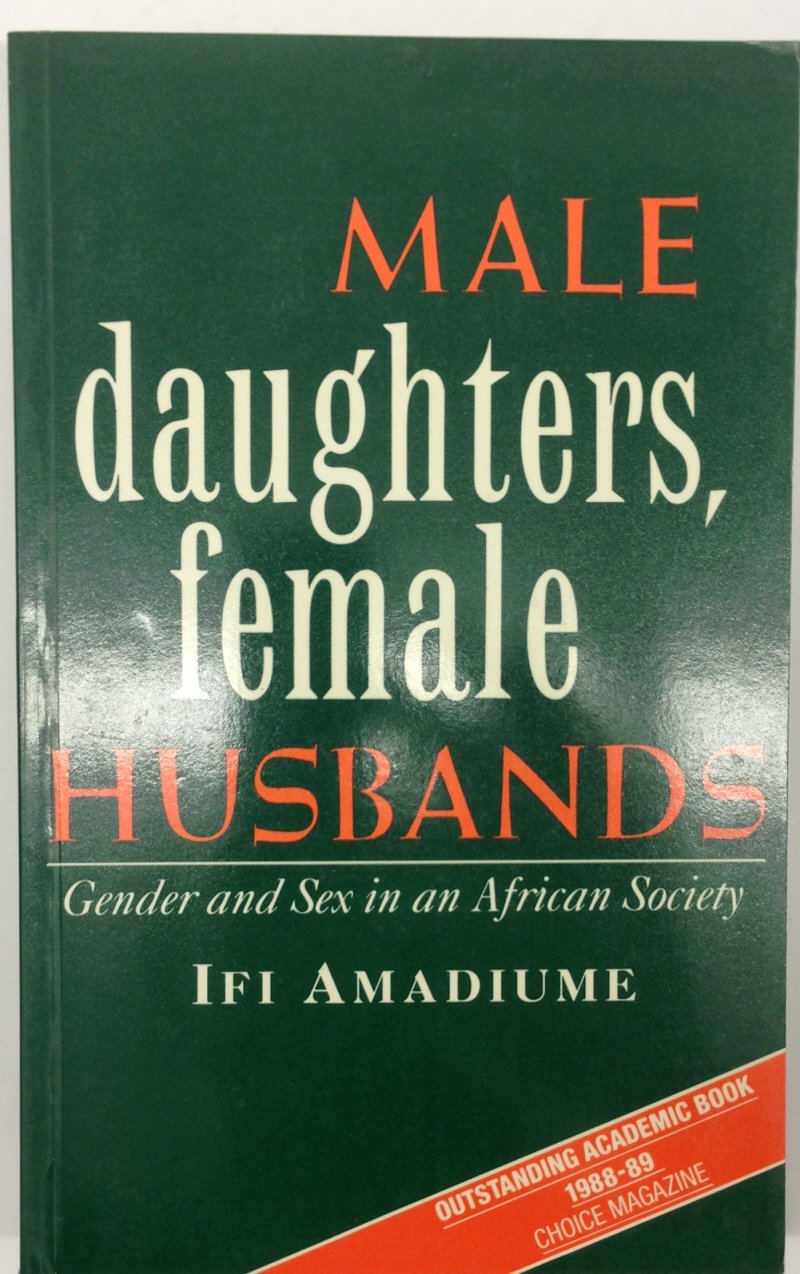
Male Daughters, Female Husbands: Gender and Sex in an African …
By Ifi Amadiume
You May Also Like
Mural Decorations in Nri Akwa
By G.I. Jones
Man in Embroidered Beadwork Canvas Costume and Mask
By Edward Harland Duckworth
Igbo bu Igbo (Great Igbo)
By Northcote Thomas
Dancer Wearing Fish Mask
By G.I. Jones
Portable Household Shrine, North Ika
By G.I. Jones
Figure in an Ancestral Shrine, North Ika
By G.I. Jones
Ika Igbo Wooden Carvings from the Western Igbo Region
By G.I. Jones
Portrait of a Woman with Neck Markings
By William Henry Crosse
Trader from Timbuctou and Rich Trading Woman
By G. F. Packer
No comments yet. Be the first to share your thoughts!