
The Roots of the Igbos: Uncovering the Origins of Nigeria's Cultural Giants
by Vivian Chibuife

Book Author / Creator
The Quest for Origins
In The Roots of the Igbos, Vivian Chibuife tackles one of the most debated topics in Nigerian history: Where did the Igbo people come from? Published as a follow-up to her general guide on Igbo culture, this book zooms in specifically on the question of ancestry and migration. Chibuife synthesizes various theories—archaeological, linguistic, and mythological—to present a coherent narrative of Igbo genesis. She addresses the tension between the 'Oriental Hypothesis' (which claims Jewish or Egyptian origins) and the 'Niger-Benue Confluence Theory' (which posits an indigenous West African origin).
Archaeology and Eri Legend
The book explores the significance of the Igbo-Ukwu archaeological discoveries, using them as evidence of a highly sophisticated civilization that existed in the region as early as the 9th century AD. Chibuife delves into the legend of Eri, the divine progenitor sent from the sky to establish the Nri Kingdom. She analyzes the cultural implications of this myth, explaining how it laid the foundation for the Nri priestly hegemony and the spread of Igbo religion and commerce across the hinterland.
Cultural Giants
The subtitle 'Nigeria's Cultural Giants' reflects the book's focus on the enduring impact of these origins. Chibuife argues that the unique republican and egalitarian nature of the Igbo—their 'roots'—is what produced their modern success. She traces how ancient values of achievement, travel, and adaptability have manifested in the contemporary world. The book also discusses the linguistic roots of the people, examining the Kwa language group connection and the diversity of Igbo dialects.
Identity in the 21st Century
Beyond ancient history, the book addresses the relevance of these roots today. Chibuife encourages the younger generation to dig deep into their genealogy. She argues that understanding one's roots is essential for psychological stability in a globalized world. The text serves as a bridge, connecting the myths of the past with the realities of the present, helping readers understand not just who the Igbo are, but why they are the way they are.


You May Also Like
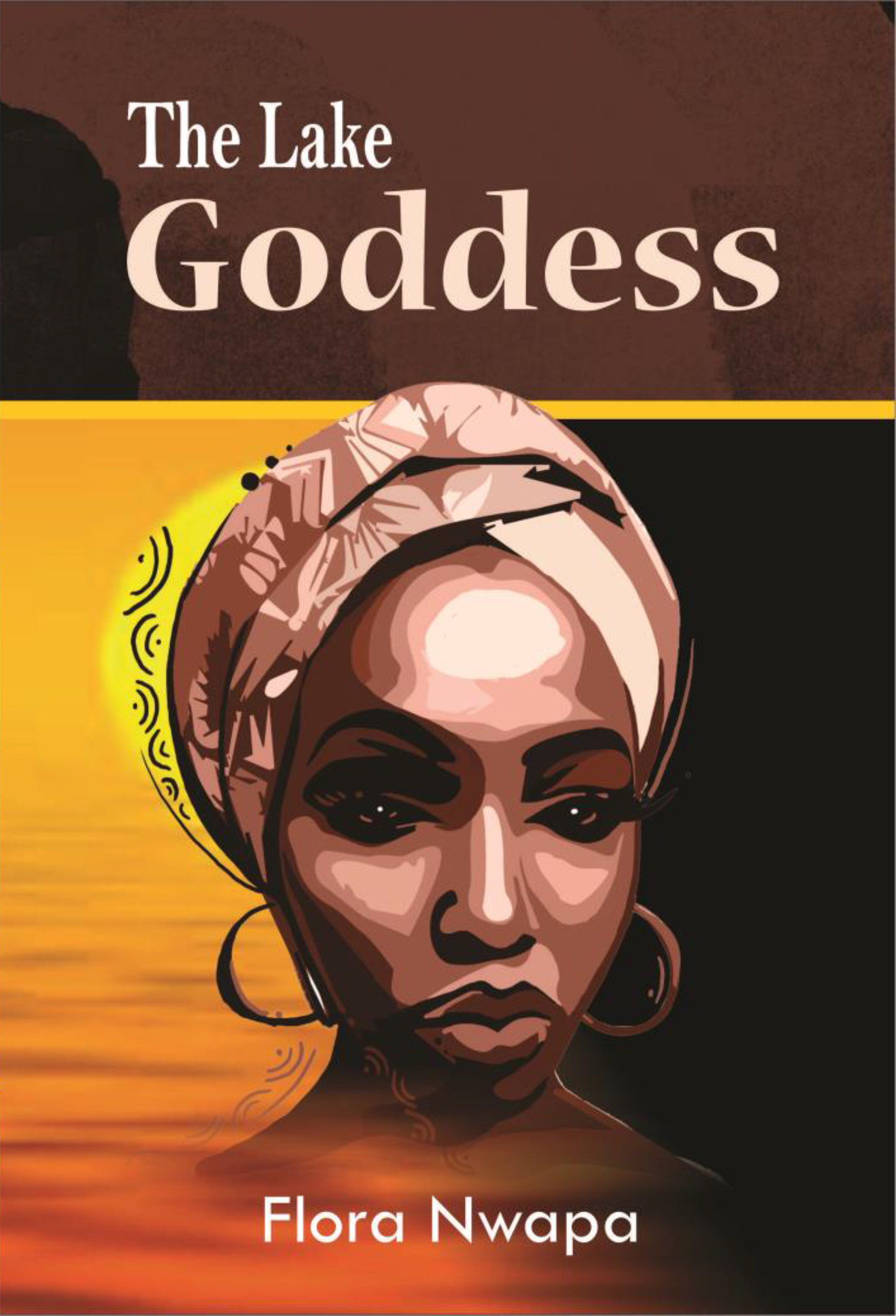
Lake Goddess
By Flora Nwapa
Dear Ijeawele, or A Feminist Manifesto in Fifteen Suggestions
By Chimamanda Ngozi Adichie
Toads for Supper
By Vincent Chukwuemeka Ike

Juo Obinna
By Tony Uchenna Ubesie
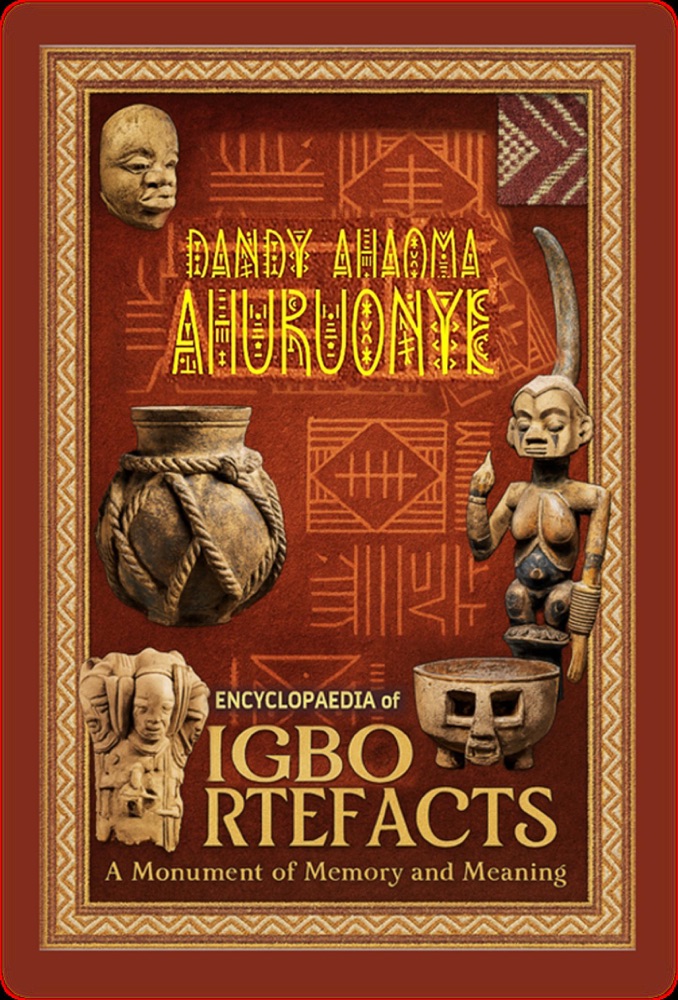
Encyclopaedia of Igbo Artefacts
By Dandy Ahaoma Ahuruonye
Binti
By Nnedi Okorafor
Sanctificum
By Christopher Abani
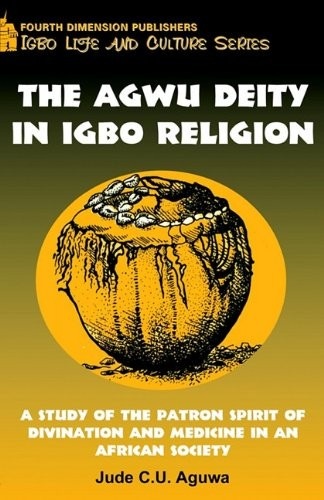
The Agwu deity in Igbo religion
By Jude C. U. Aguwa
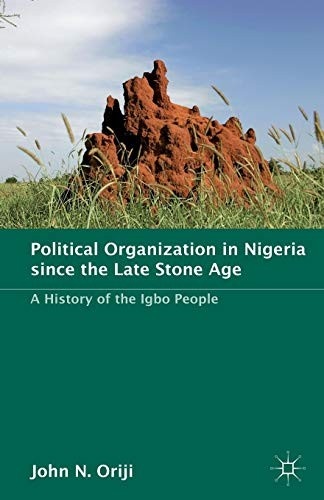
Political Organization in Nigeria Since the Late Stone Age
By John Oriji