
Notes and Queries on Anthropology: Descriptive Characters
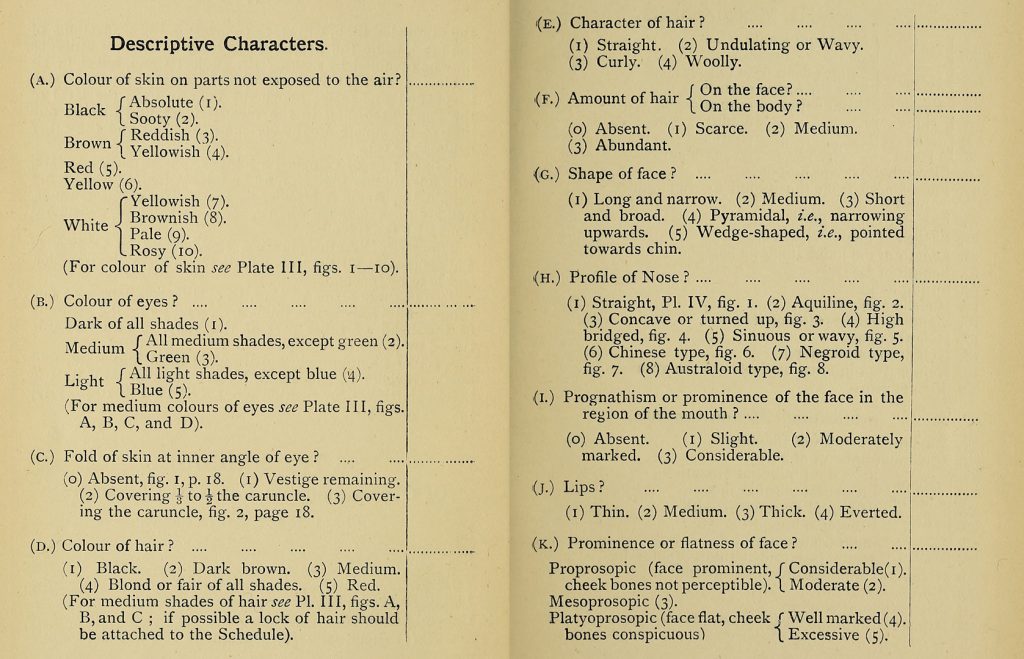
An image showing pages 12 and 13 from the 1899 edition of Notes and Queries on Anthropology. The text presents a systematic framework titled 'Descriptive Characters' for the morphological and chromatic classification of human physical traits. Categories include skin coloration, ocular coloration, hair texture, facial geometry, nasal profile, and labial morphology. The layout consists of two columns with a serif typeface, utilizing an alphanumeric system for trait classification.
Community Notes

Onyeka Nwokike
Jul 27, 2026
During the late 19th and early 20th centuries, the discipline of physical anthropology focused on recording anatomical and physiological dimensions to identify what were perceived as distinct racial and tribal types. As detailed in Physical type photographs, population groups were categorized using taxonomic conventions similar to those used for plant and animal species. These quasi-scientific practices often placed groups into evolutionary schemata ranging from primitive to civilized, which served to legitimize ideologies of white supremacy and European colonial expansion.
Onyeka Nwokike
Jul 27, 2026
The systematic recording of traits described in Notes and Queries on Anthropology was often supplemented by photography. In 1896, Maurice Vidal Portman argued that large photographs of the face, both in full face and profile, could provide satisfactory answers to the manual's descriptive questions. Additionally, A. C. Haddon contributed guidelines to the manual specifying that nude figures should be photographed from front, side, and back views with heels together and arms at the sides, ideally including a metric scale in the same plane as the subject, as noted in Physical type photographs.
Onyeka Nwokike
Jul 27, 2026
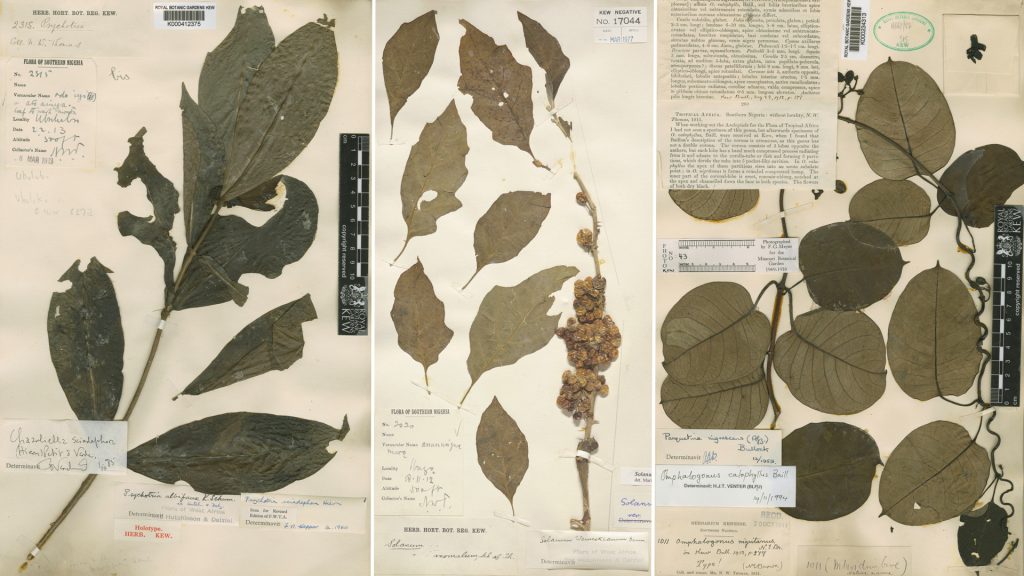
The framework provided by this manual informed the fieldwork of colonial anthropologists such as Northcote Whitridge Thomas (1868 to 1936). Between 1909 and 1915, Thomas applied these anthropometric and physical type recording practices during his tours as Government Anthropologist in Southern Nigeria and Sierra Leone. This specific archival material is now part of the [Re:]Entanglements project, which researches and rearticulates the collections assembled by Thomas to re-engage with the ethnographic archive.
Log in to add context.
Explore Further
Discover related books and stories to deepen your understanding.

The Igbo of Southeast Nigeria
By Victor C. Uchendu

Art of Eastern Nigeria
By G.I. Jones
An Igbo civilization
By M. Angulu Onwuejeogwu

Nri Warriors of Peace
By Chikodi Añunobi

The Igbo and their neighbours
By A. E. Afigbo

Ohaffia: A Matrilineal Ibo People
By Philip O. Nsugbe
Male Daughters, Female Husbands: Gender and Sex in an African …
By Ifi Amadiume

A Grammar of Contemporary Igbo: Constituents, Features and Processes
By E. Nolue Emenanjo

Americanah
By Chimamanda Ngozi Adichie
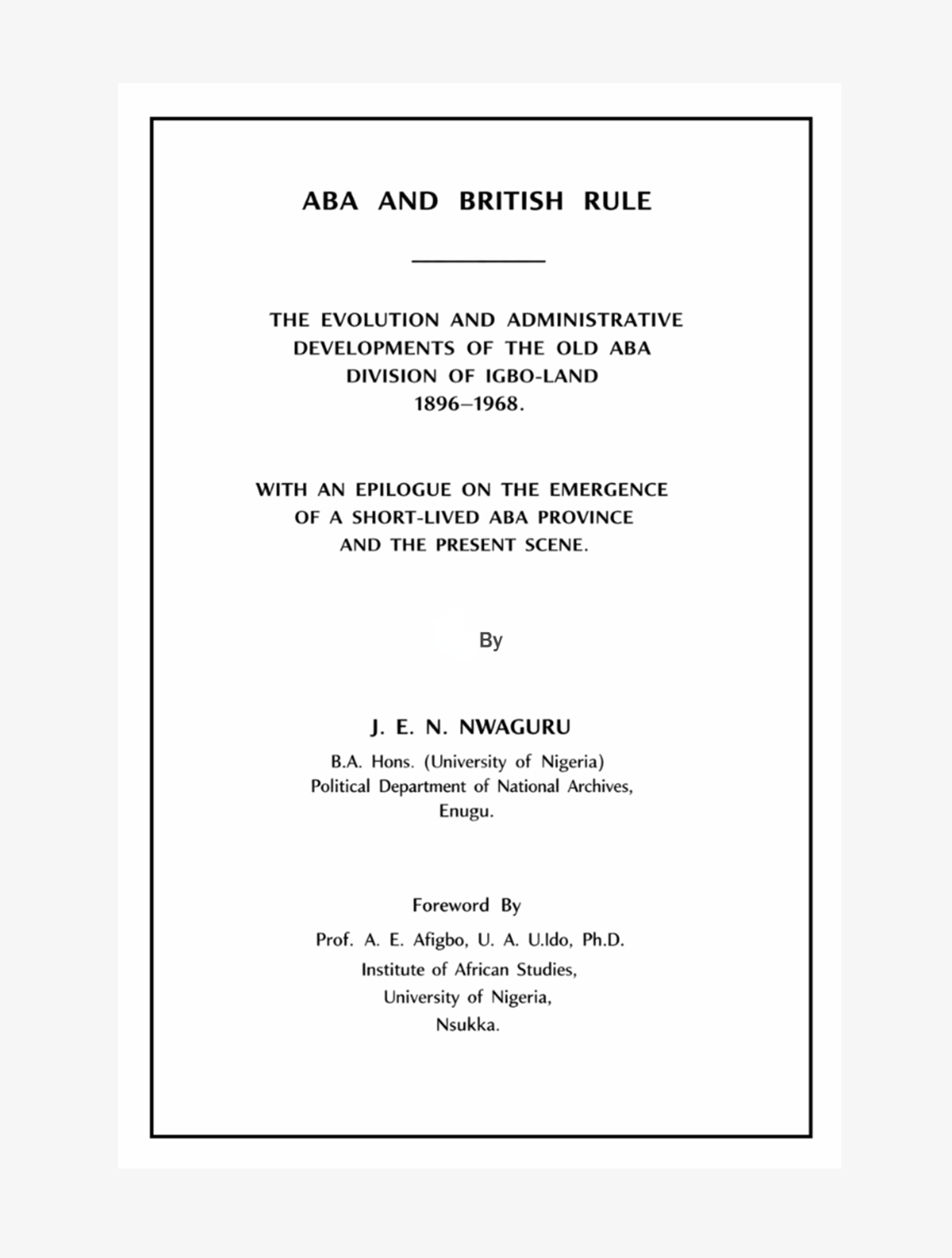
Aba and British Rule
By Dandy Ahuruonye
You May Also Like
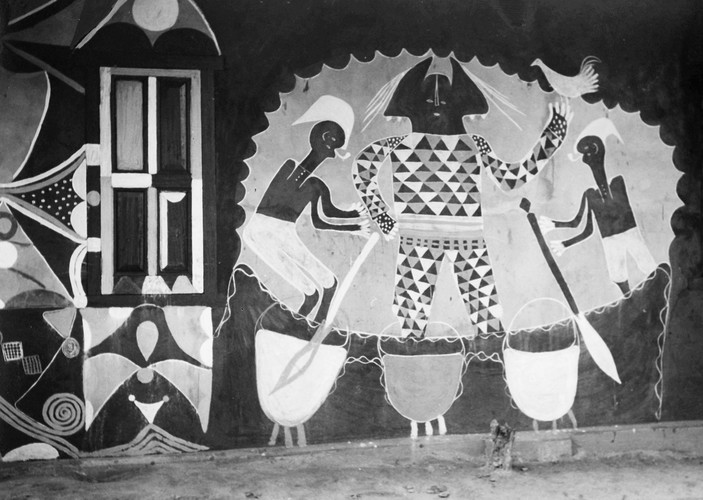
Painted Courthouse Mural at Nri
By Edward Harland Duckworth
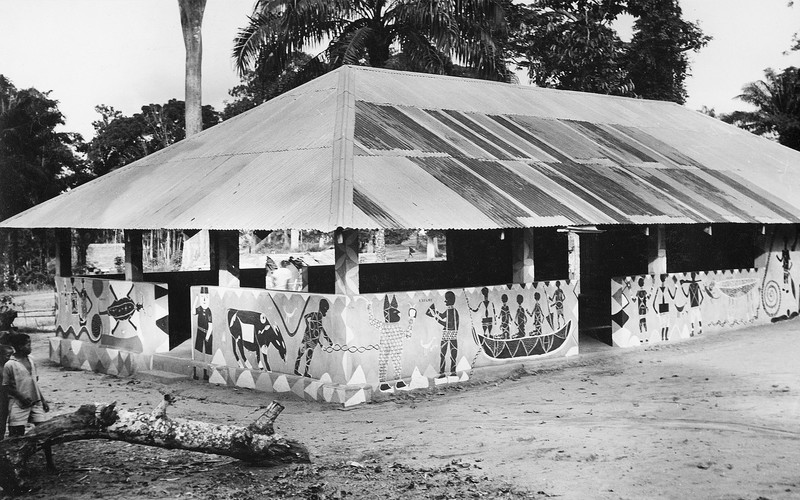
Painted Courthouse at Nri
By Edward Harland Duckworth
Northcote Thomas Botanical Collections
By Northcote Thomas
Group Portrait with Igbo Masquerade Headdress at Fort Salisbury
The Story of the Blind Man, the Cripple, the Poor …
By Northcote Thomas
Dancer Wearing Fish Mask
By G.I. Jones
Portrait of Soldiers Outside Barracks
By William Henry Crosse
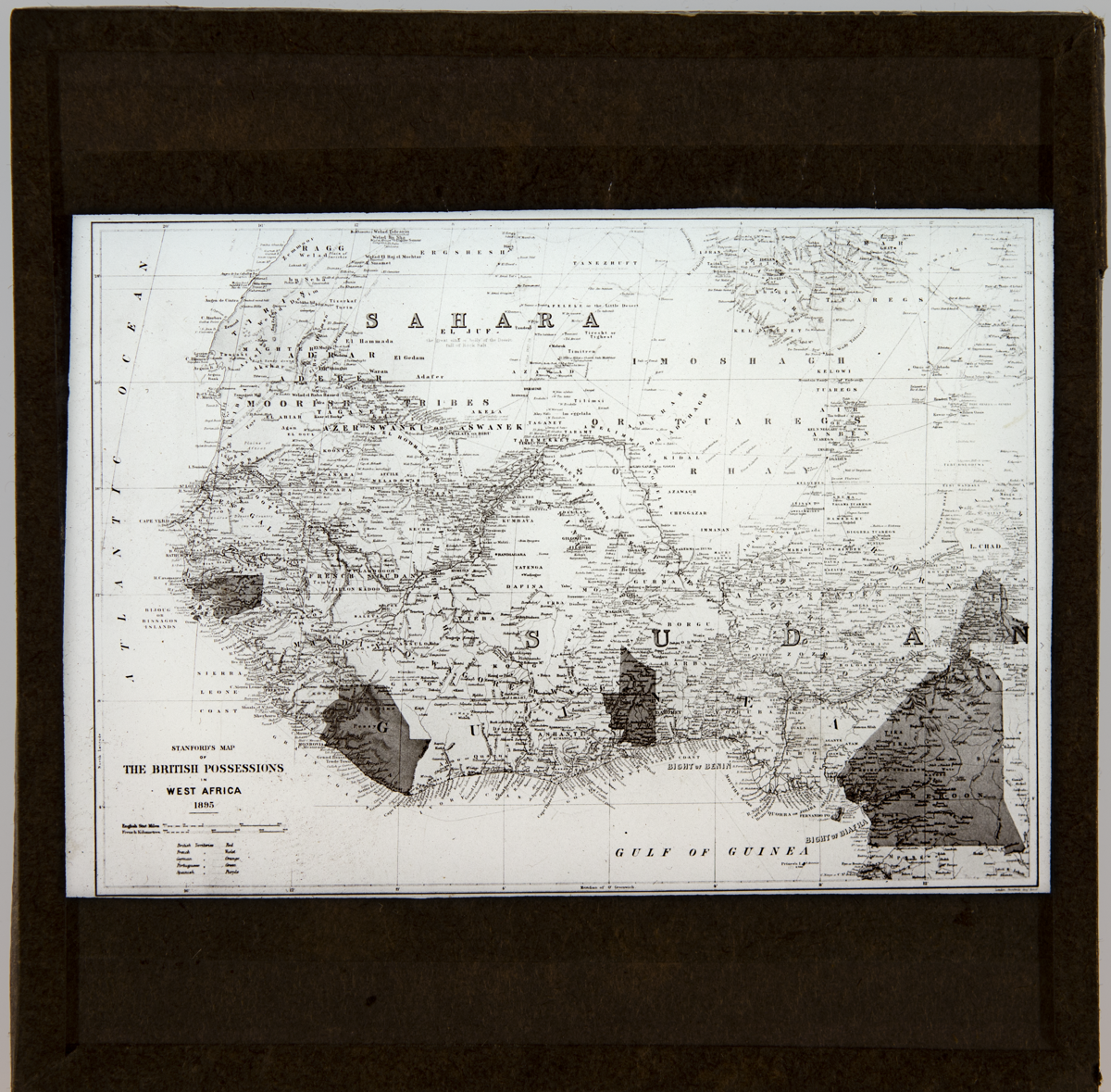
Stanford's Map of the British Possessions in West Africa 1895
By William Henry Crosse

G.I. Jones at Nsude Village Shrine Pyramid
By G.I. Jones
No comments yet. Be the first to share your thoughts!