
Eze Nri Obalike with his attendants and Chiefs at Enugwu-Ukwu
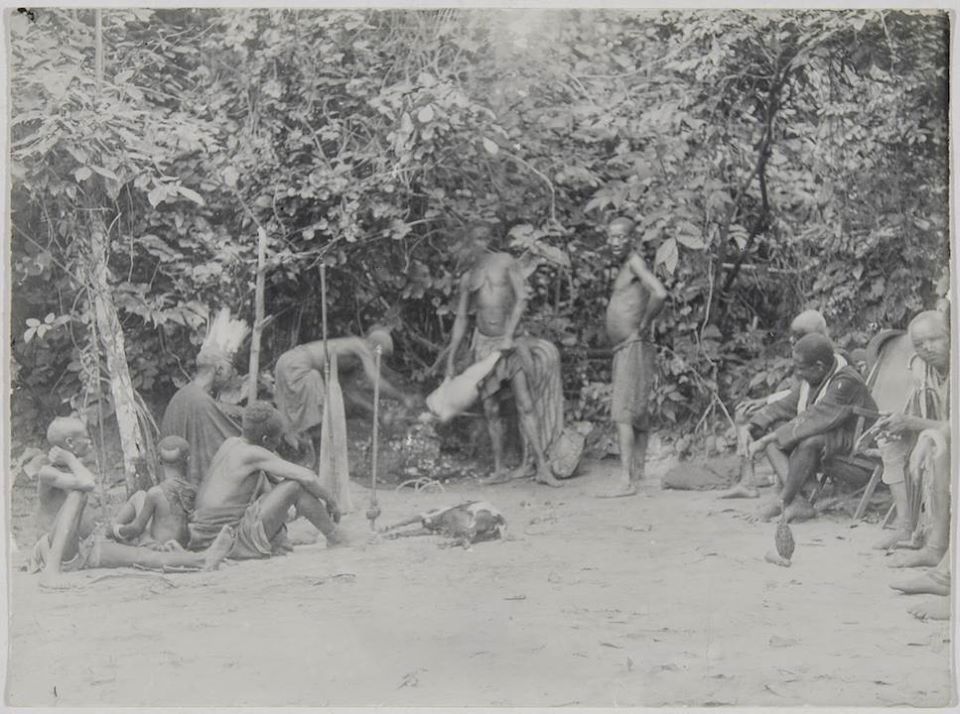
This photograph, taken by Northcote Thomas in 1911, shows Eze Nri Obalike, who ruled from around 1889 to 1926, surrounded by his attendants and chiefs at the Nkwọ Marketplace in Enugwu-Ukwu. Under the watchful eyes of British colonial officers, Obalike was forced, reportedly at gunpoint, to denounce nso and alu, traditional codes of taboo and abomination that underpinned Nri authority. This event marked the decline of the Nri hegemony and the end of its ritual control over Igbo communities.
Community Notes

Onyeka Nwokike
Apr 21, 2026
The forced annulment of nso and alu codes significantly restricted the ritual influence of the Nri kingship. According to Wikipedia - Òbalíke, this authority subsequently narrowed to a smaller group of related communities known as the Umunri, which included Enugwu-Ukwu, Nawfia, Enugwu-Agidi, Oruora, and Nri (specifically Agukwu, Akamkpisi, and Diodo). This process was driven by British colonial authorities to abolish traditional laws that conflicted with imperial administrative and economic interests, as detailed by Ozi Ikòrò.
Onyeka Nwokike
Apr 21, 2026
Northcote Thomas, the photographer, served as a government anthropologist tasked by the British colonial regime to study the Igbo people. As explained by Ụkpụrụ, his ethnographic research was commissioned specifically to facilitate the efficient implementation of indirect rule within the region.
Onyeka Nwokike
Apr 21, 2026
Northcote Thomas recorded that upon Obalike's entry into the native court of Awka, the entire assembly rose and prepared to flee in deference, because they had never seen him before and he had never left his domain before.
Log in to add context.
Explore Further
Discover related books and stories to deepen your understanding.

DIRT ON WHITE SPECTRUM: Myths, Travails and Legacies of Eze …
By Chukwuemeka Ifeanacho Onyesoh

Politics, Culture, and Origins in Nigeria: The Igbo and Their …
By Nwankwo Nwaezeigwe

Nri Warriors of Peace
By Chikodi Añunobi

Ora-eri Nnokwa & Nri dynasty
By Charles M Ezekwugo

The Warrant Chiefs: indirect rule in southeastern Nigeria, 1891-1929
By A. E. Afigbo

The Roots of the Igbos: Uncovering the Origins of Nigeria's …
By Vivian Chibuife

Anthropological Report on the Ibo-Speaking Peoples of Nigeria, Vol. 2: …
By Northcote Thomas

Anthropological Report on the Ibo-Speaking Peoples of Nigeria: Law and …
By Northcote Thomas

Anthropological Report On The Ibo-speaking Peoples Of Nigeria, Part 6 …
By Northcote Thomas
Aba and British Rule
By Dandy Ahuruonye

You May Also Like
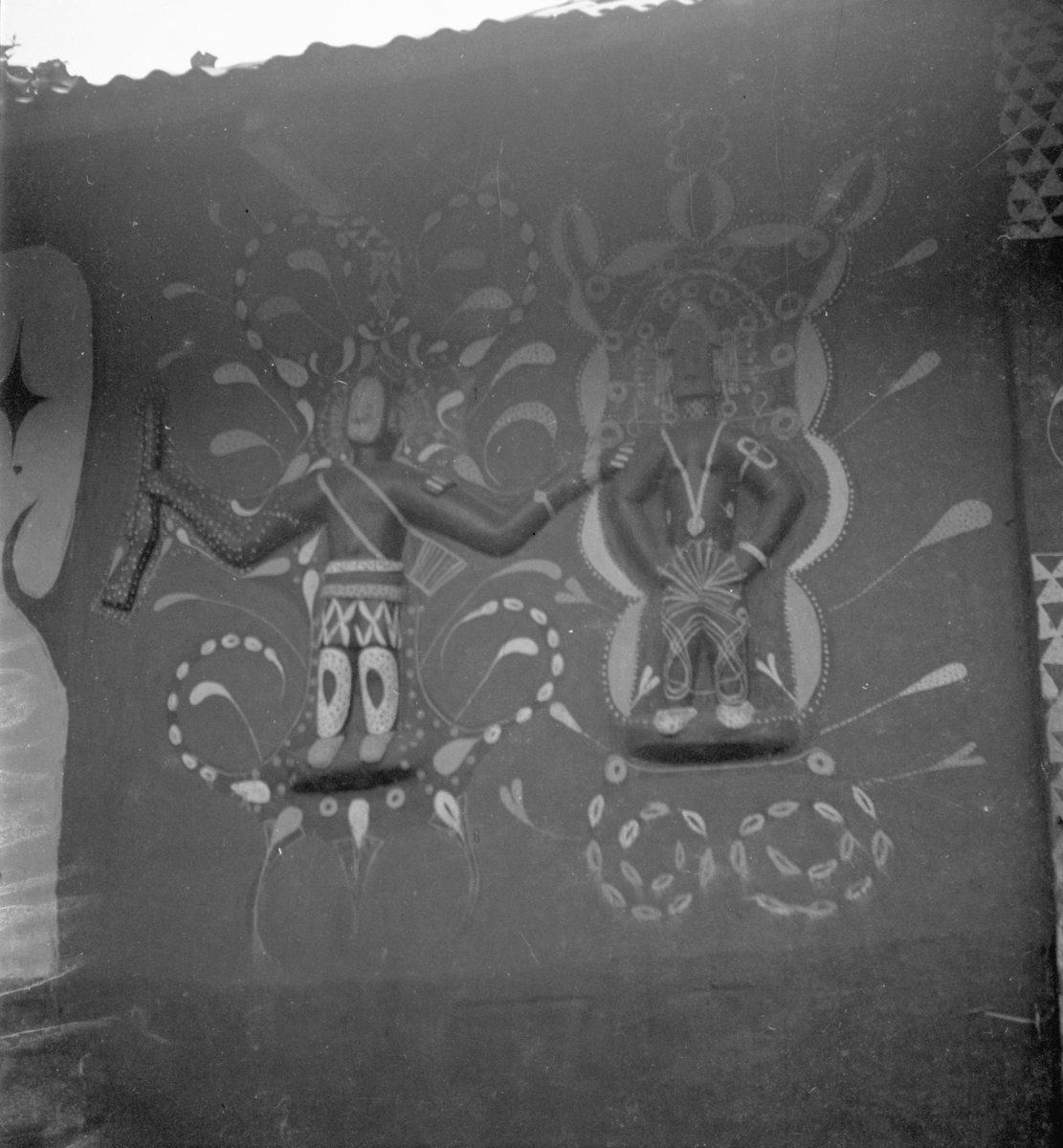
Mural Decorations in Nri Akwa
By G.I. Jones
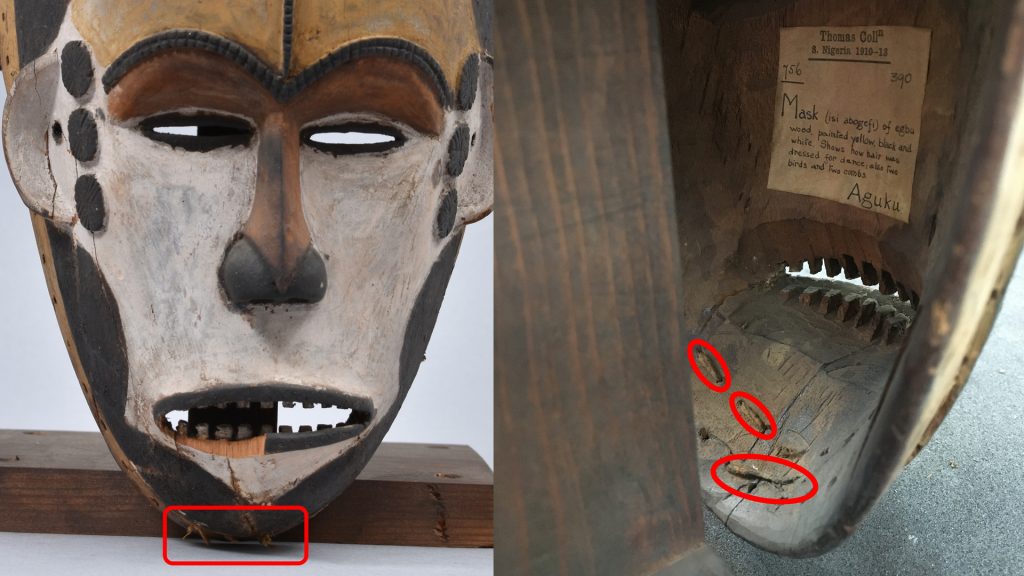
Maiden Spirit Mask (Isi abogefi)
By Northcote Thomas
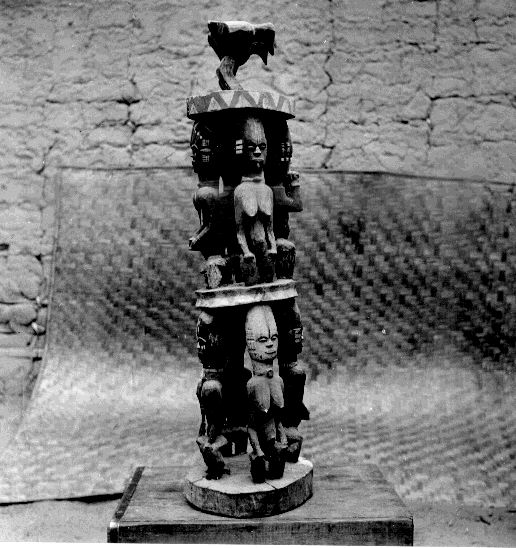
Nwamno Figure
By G.I. Jones
Ugie Ewere Festival Song
By Northcote Thomas
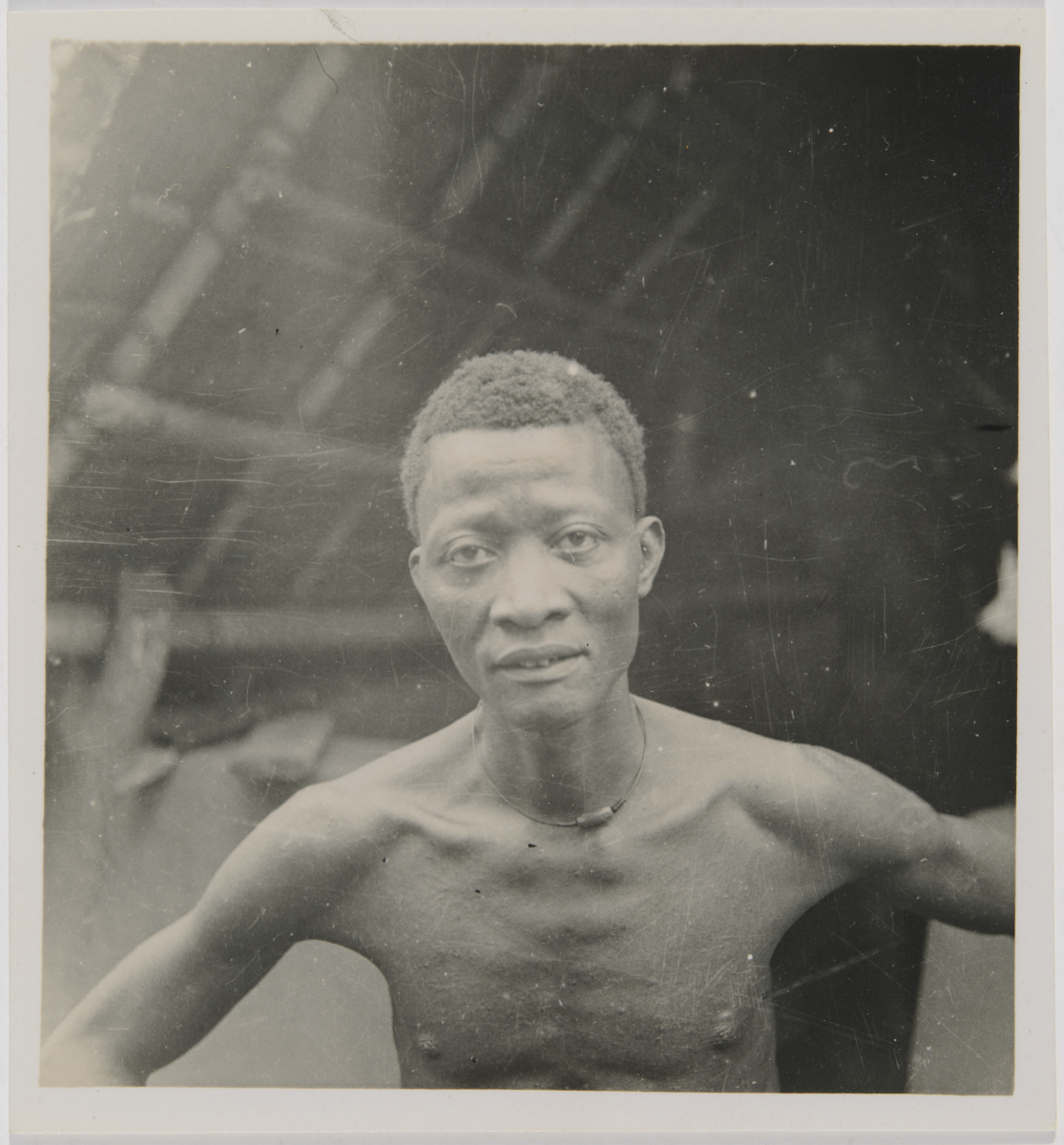
Portrait of a Man in a Roofed Building
By G.I. Jones
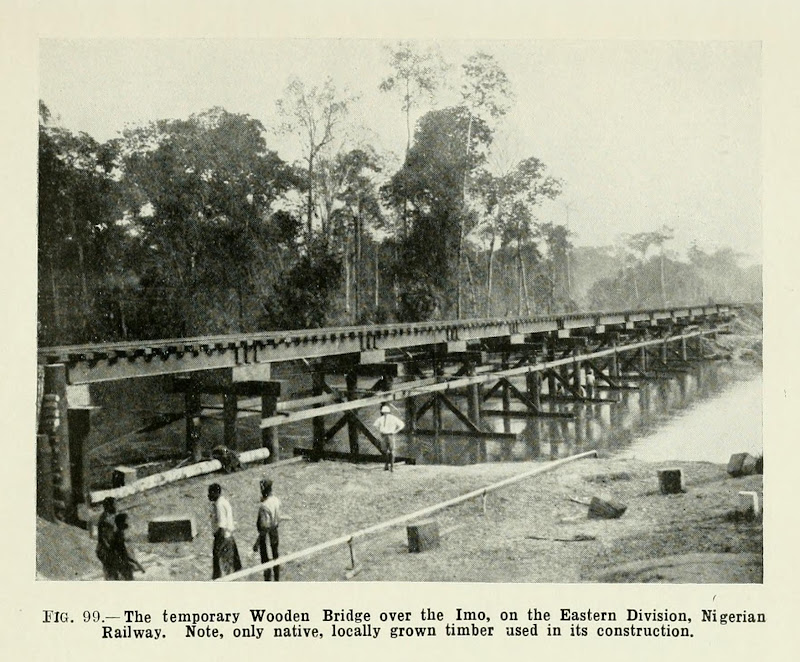
Temporary Wooden Bridge over the Imo River
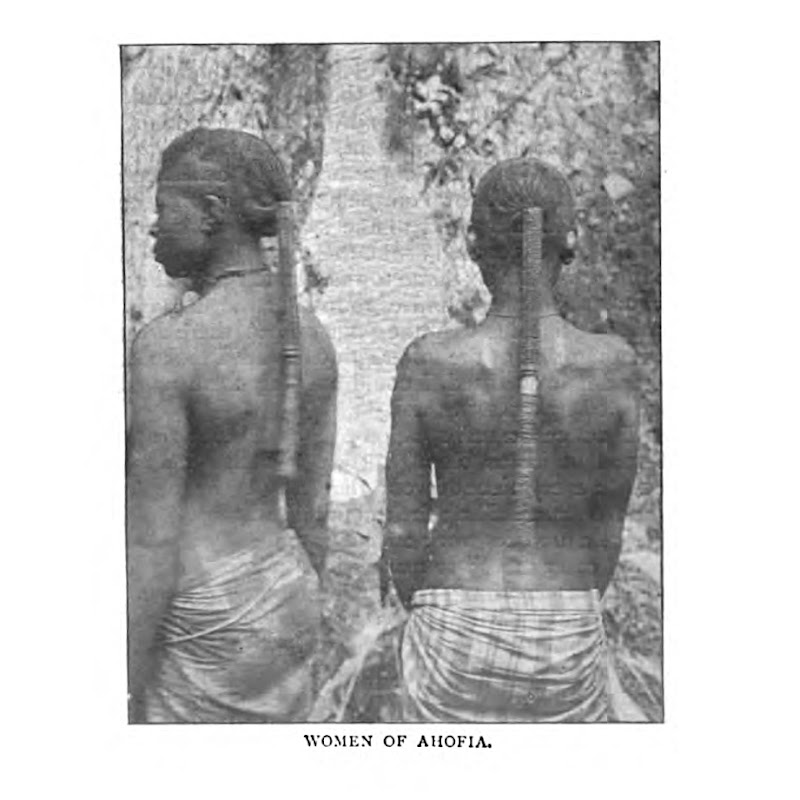
Ohafia Women with Traditional Long Braids
By Rev. William T. Weir

Earthwork Structures and Wooden Barrels along the Niger River
By William Henry Crosse
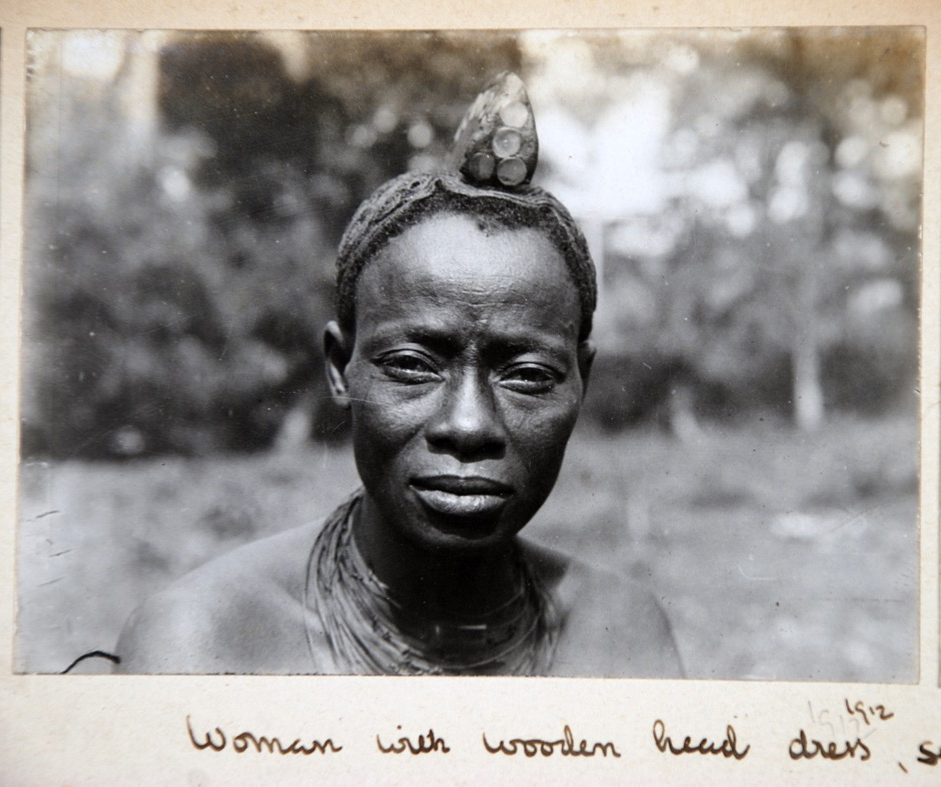
Igbo Elder from Awka on Oche Mpata
By Northcote Thomas
No comments yet. Be the first to share your thoughts!