
Northcote Thomas Botanical Collections
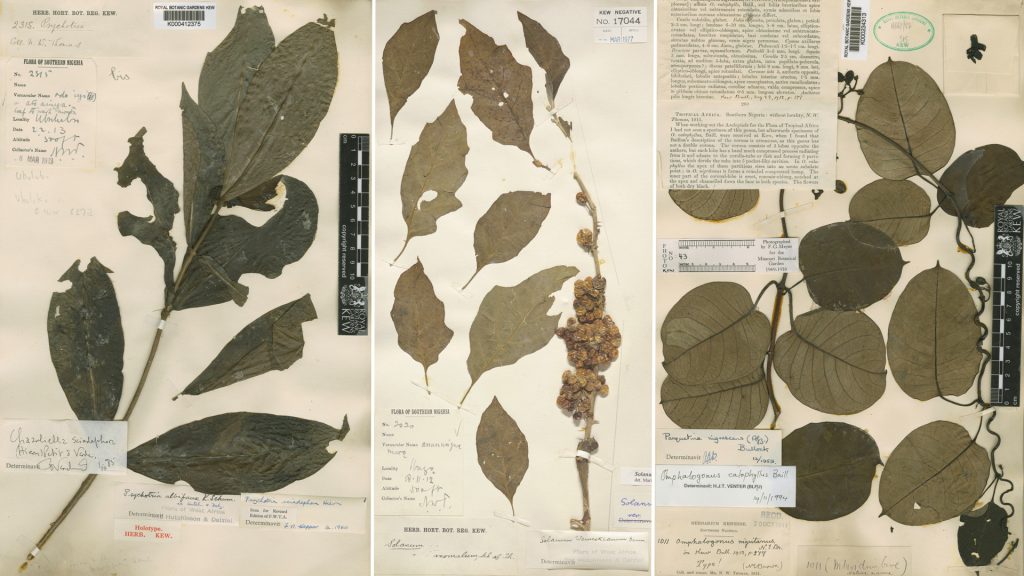
A photograph depicting a composite montage of three herbarium specimen sheets from the botanical collections of Northcote Thomas, curated at the Royal Botanic Gardens, Kew. The first panel shows a specimen of Psychotria scindaphos from Ubulu, recorded as specimen number 2315. The second panel displays a specimen of Solanum from Hugo, recorded as number 2310, dated November 8, 1912. The third panel contains specimens identified as Omphalogonus calophylla and Omphalogonus nigrescens. These collections were gathered during Thomas's anthropological surveys in Southern Nigeria, primarily focusing on the medicinal uses of plants among indigenous populations. The images show advanced desiccation and pigment oxidation typical of herbarium preservation, accompanied by manuscript labels and institutional markings from Kew.
Community Notes

Onyeka Nwokike
Sep 12, 2026
Northcote Thomas undertook the collection of botanical specimens on his own initiative, as it fell outside the official remit of his anthropological surveys. He was specifically interested in the medicinal applications of plants among the populations he studied. These collections are currently a focus of the [Re:]Entanglements research project.
Onyeka Nwokike
Sep 12, 2026
While the specimens are recorded under Thomas's name, he noted in correspondence that the collections were largely gathered by his junior interpreter. The identity of this individual remains unknown, reflecting colonial-era scientific practices where the contributions of indigenous or junior assistants were often omitted from formal records.
Onyeka Nwokike
Sep 12, 2026
The scientific identification of the specimens at the Royal Botanic Gardens, Kew, was likely performed by John Hutchinson, an assistant in the Tropical Africa section. Hutchinson observed that many specimens were difficult to identify because they lacked the flowers or fruits necessary for precise taxonomic determination. Additionally, Arthur W. Hill, the Assistant Director at Kew, offered to purchase properly labeled specimens in good condition at a rate of £2 per 100 specimens.
Onyeka Nwokike
Sep 12, 2026
In a letter dated May 11, 1911, addressed to Kew Director David Prain, Thomas apologized for the poor quality of some specimens. He attributed the degradation to severe weather conditions, including frequent tornadoes and persistent morning mist, which made it nearly impossible to keep the samples dry.
Log in to add context.
Explore Further
Discover related books and stories to deepen your understanding.

Anthropological Report On The Ibo-speaking Peoples Of Nigeria, Part 6 …
By Northcote Thomas

Anthropological Report on the Ibo-Speaking Peoples of Nigeria: Law and …
By Northcote Thomas

Anthropological Report on the Ibo-Speaking Peoples of Nigeria, Vol. 2: …
By Northcote Thomas

The Rise of British Colonialism in Southern Nigeria, 1700-1900: A …
By Kalu E. Ume

Among the Ibos of Nigeria
By G.T. Basden

Trade Winds on the Niger: Saga of the Royal Niger …
By Geoffrey L. Baker

Second Class Citizen
By Buchi Emecheta

The Spider King's Daughter
By Chibundu Onuzo
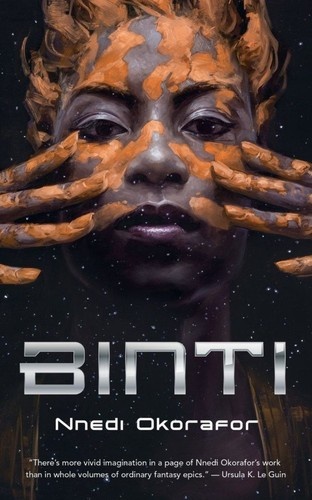
Binti
By Nnedi Okorafor
You May Also Like
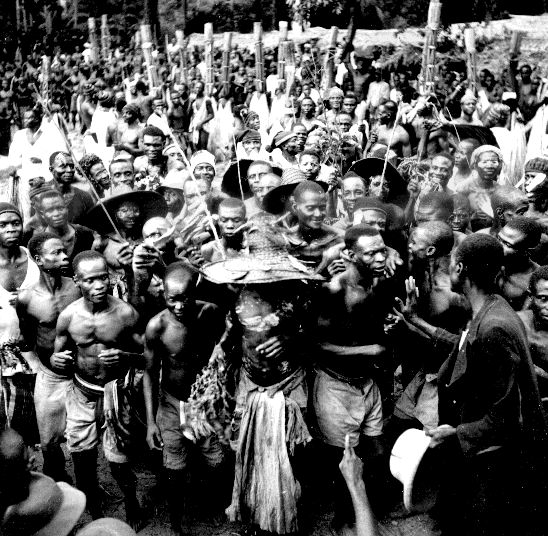
Group Leading Masks for Boys Initiation
By G.I. Jones
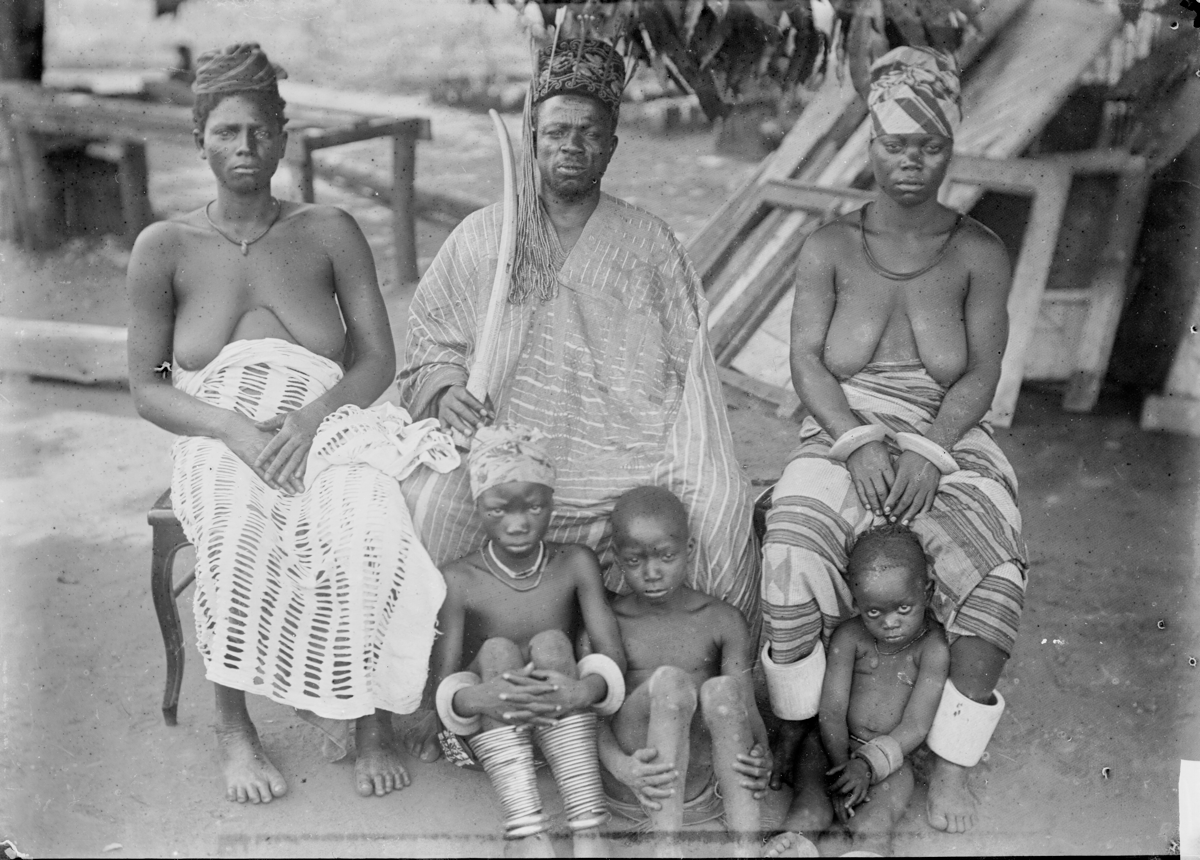
Family Group Along the Niger River
By William Henry Crosse
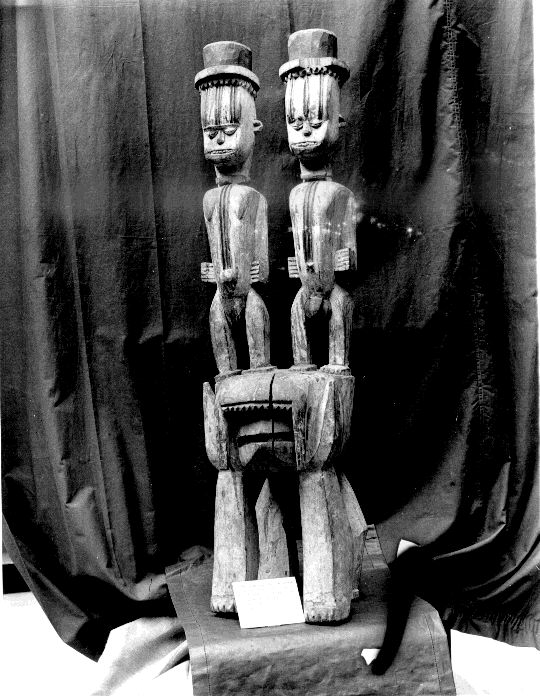
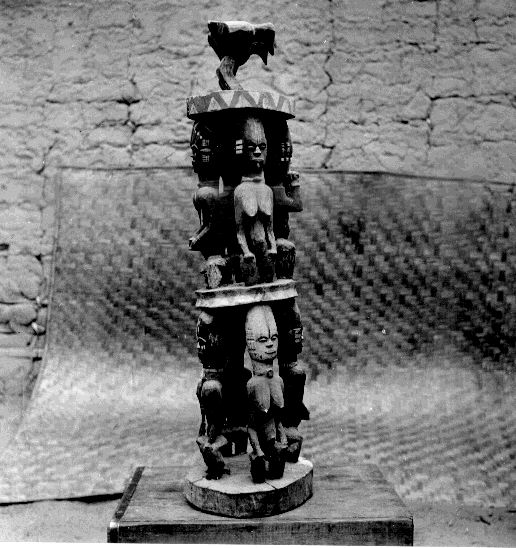
Carved Wooden Shrine Object from Aboh Town
By G.I. Jones
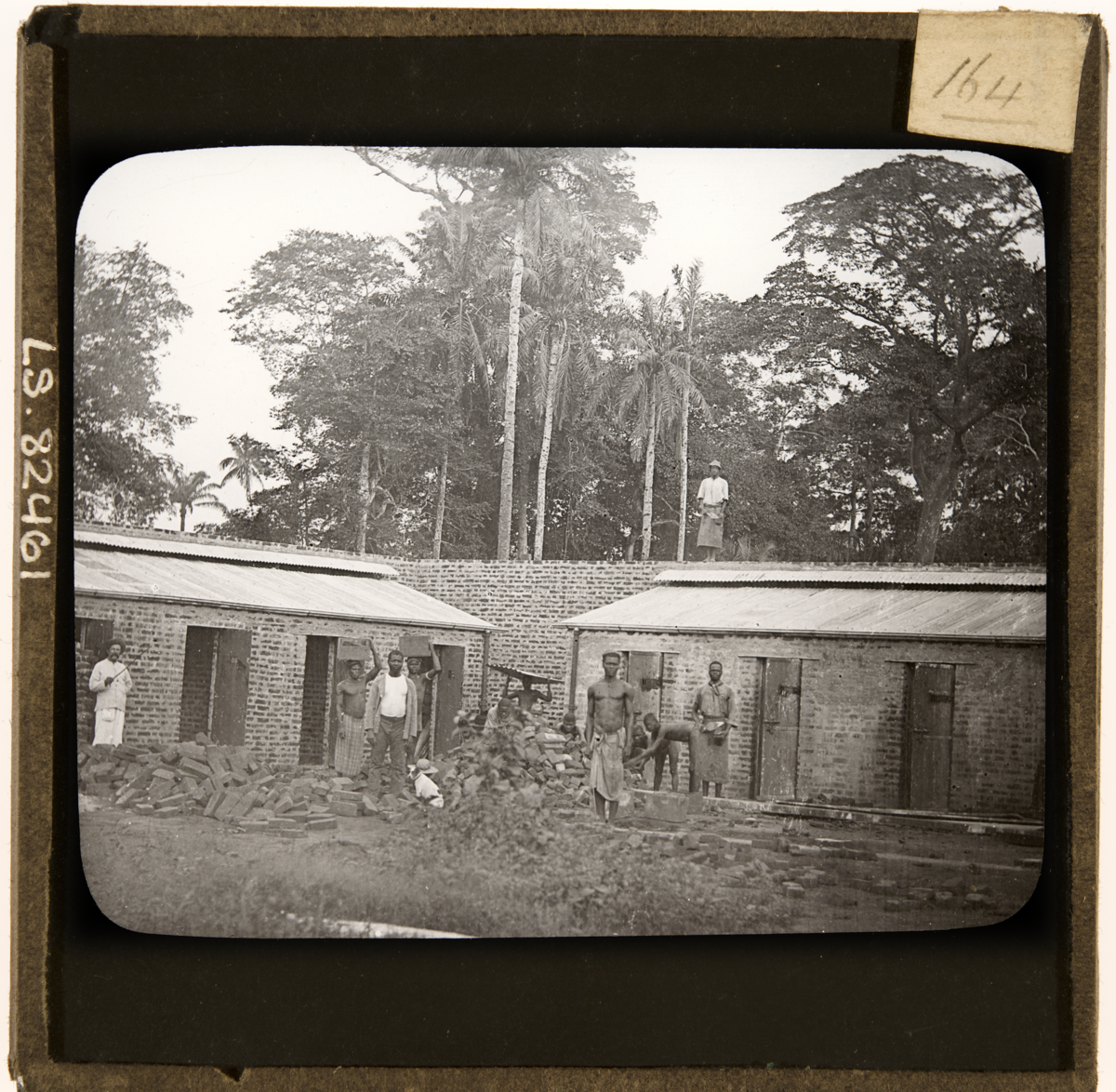
Construction of Brick Buildings by the Royal Niger Company
By William Henry Crosse
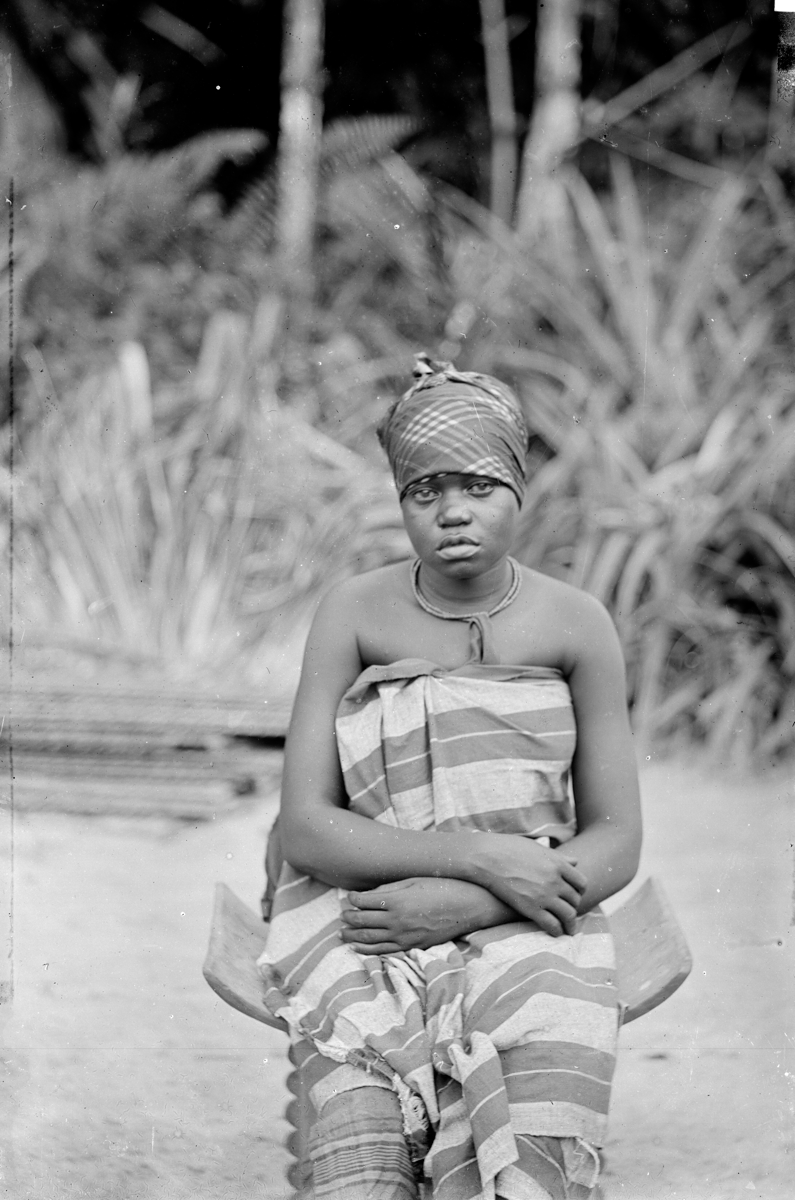
Portrait of a Woman in Striped Cloth
By William Henry Crosse
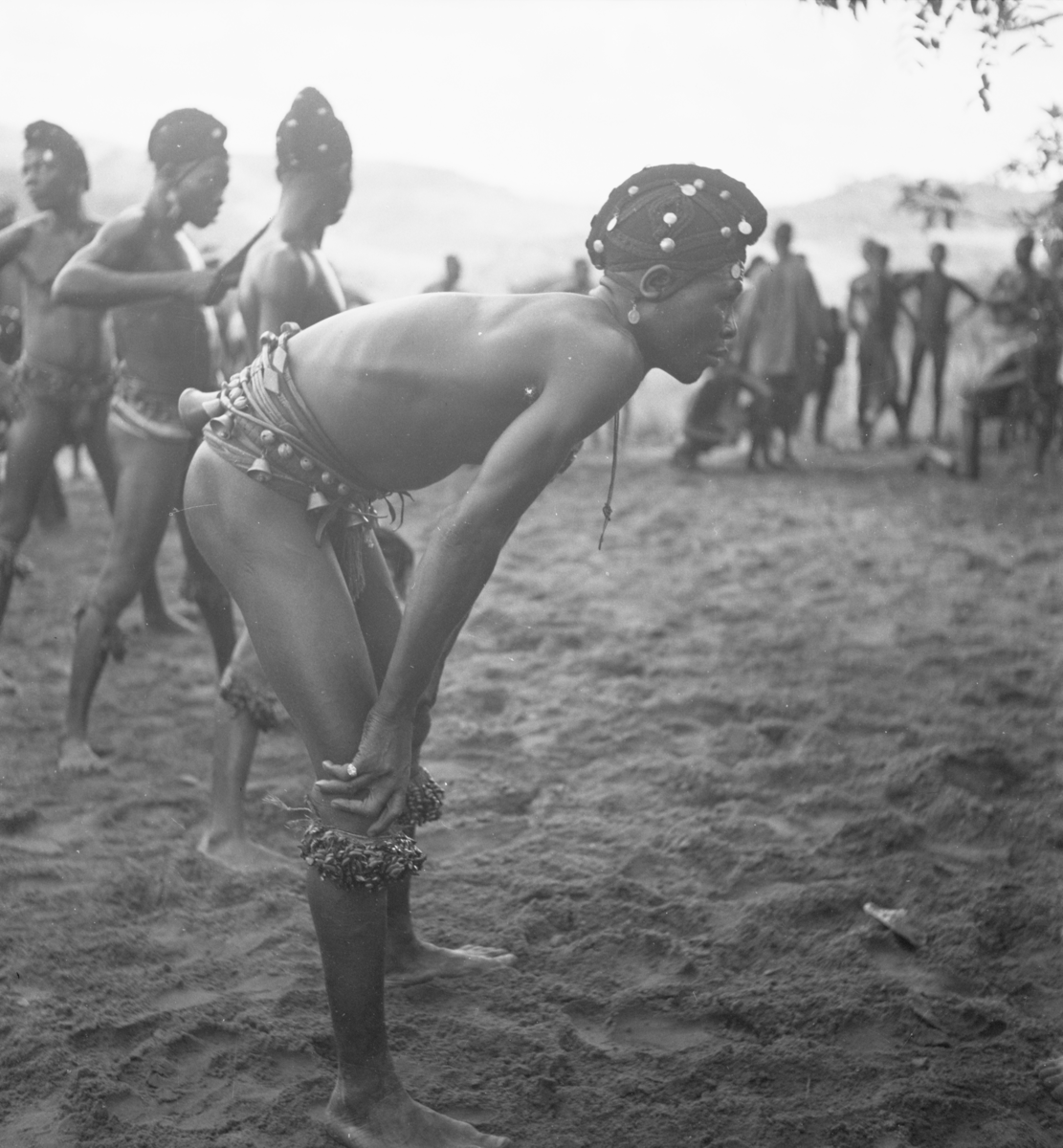
Boys' Initiation Dance in the Nri Akwa Area
By G.I. Jones
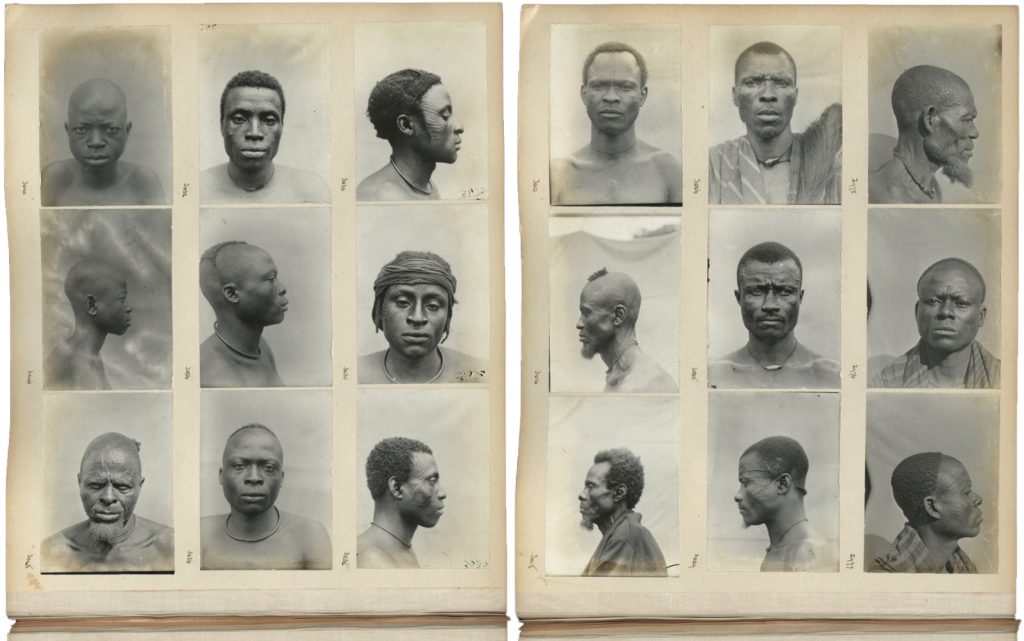
Physical Type Portraits of Igbo-speaking Communities
By Northcote Thomas
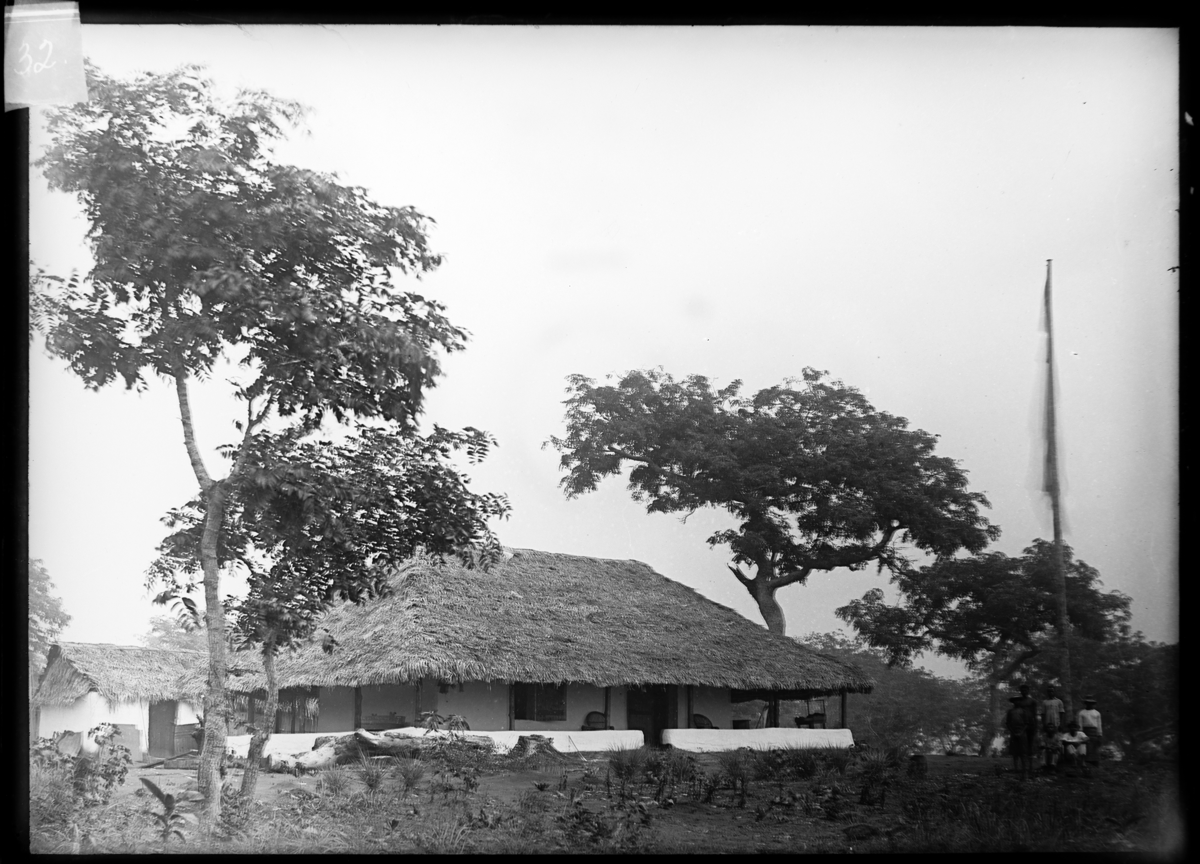
Thatched Dwelling and Group of Individuals
By William Henry Crosse

Ohaffia Masquerader in Okwanku Performance, Akanu Village
By G.I. Jones
No comments yet. Be the first to share your thoughts!