
Oganochi Mgbedike Masquerader, Nimo
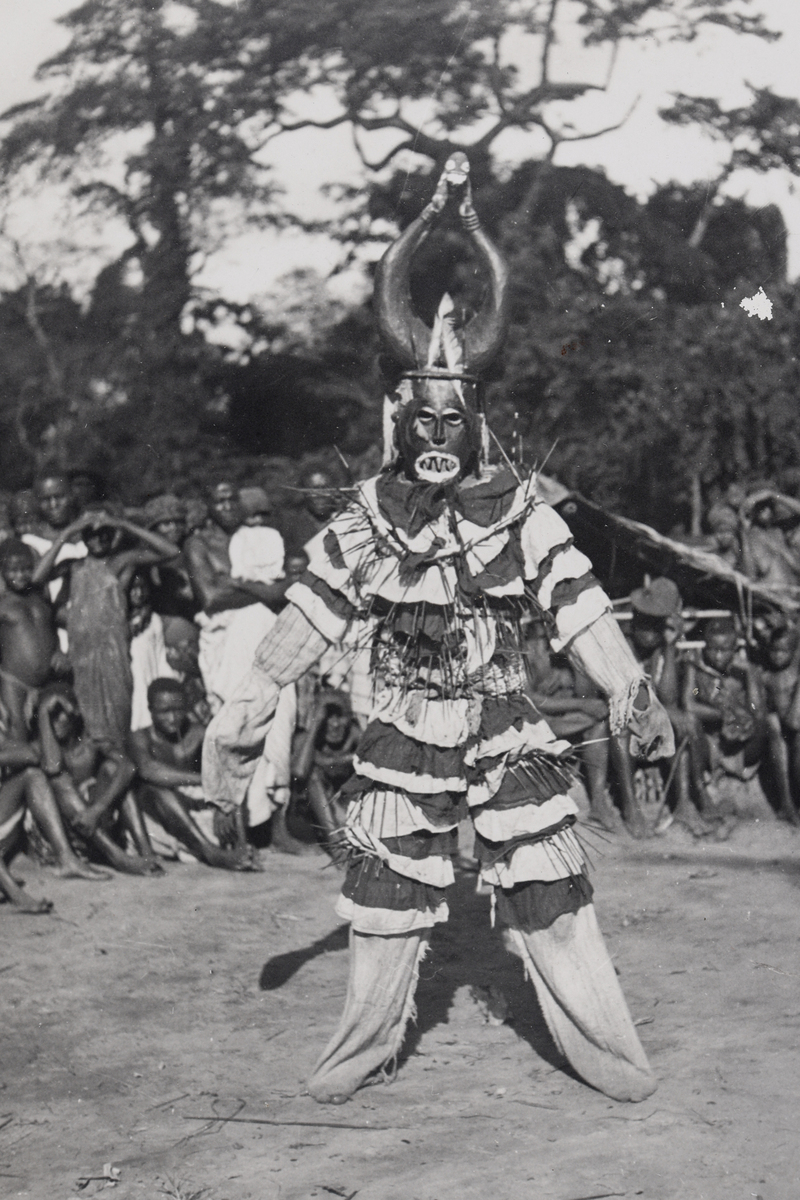
This black-and-white photograph shows an Oganochi mgbedike masquerader standing and facing the camera. The masquerader wears a full-length cloth costume with light and dark striped ruffles on the body, upper arms, and legs. Porcupine quills hang from the edges of the ruffles. The dark wooden helmet mask features white paint accentuating the mouth, teeth, and eyes. Two feathers are held in the front of the band at the bottom of the horns. Four carved horns curl inwards on top of the mask, with a carved animal finial joining the tips of the horns. The mask is similar to a lion elephant mask. In the background are seated and standing spectators, a thatched hut, and trees. The photograph was taken by G.I. Jones in Nimo, Nri Awka, Onitsha province, southeastern Nigeria.
Community Notes

Onyeka Nwokike
Apr 18, 2026
Performance of this masquerade is restricted to the strongest men of the middle-age grade, typically between thirty and fifty years old. In contrast to the gentle maiden spirit masks performed by the same cohort, the Mgbedike is characterized by a forceful, heavy gait and typically appears during the secondary burials of prominent community members.
Onyeka Nwokike
Apr 18, 2026
The Mgbedike masquerade, also known as agaba, translates to "Time of the Brave" or "Strong." It serves as a medium for ancestral spirits to communicate with the living and functions as a symbol of bravery, justice, and ancestral reverence.
Within Igbo-speaking communities, these masquerades are utilized to commune with influential spirits, enforce social order, and express community values. Performances may include interactions with the audience to bestow blessings or promise protection.
Mgbedike Masquerade: Origins, Cultural Significance, and Traditions of a Revered Igbo Heritage
Time of the Brave Mask (Mgbedike)
Understanding the Niger Delta's agaba masquerade tradition
The Resurgence of Mgbedike Masquerade: A Look into the Significance of...
Onyeka Nwokike
Apr 18, 2026
Nimo (Nimo Owelle) is located within the Njikoka Local Government Area of present-day Anambra State.
The broader Nri-Awka region was the site of the Nri Civilization, which is credited with producing the earliest documented bronze works in Sub-Saharan Africa, dating to approximately 800 AD.
Nimo, Nigeria
About Awka
Log in to add context.
Explore Further
Discover related books and stories to deepen your understanding.

DIRT ON WHITE SPECTRUM: Myths, Travails and Legacies of Eze …
By Chukwuemeka Ifeanacho Onyesoh

Politics, Culture, and Origins in Nigeria: The Igbo and Their …
By Nwankwo Nwaezeigwe

Art of Eastern Nigeria
By G.I. Jones

Igbo Arts: Community and Cosmos
By Herbert M. Cole and Chike G. Aniakor

Nri Warriors of Peace
By Chikodi Añunobi

Ora-eri Nnokwa & Nri dynasty
By Charles M Ezekwugo

Under the Udala Trees
By Chinelo Okparanta

On Black Sisters' Street
By Chika Unigwe

Groundwork of the History and Culture of Onitsha
By S. I. Bosah
You May Also Like
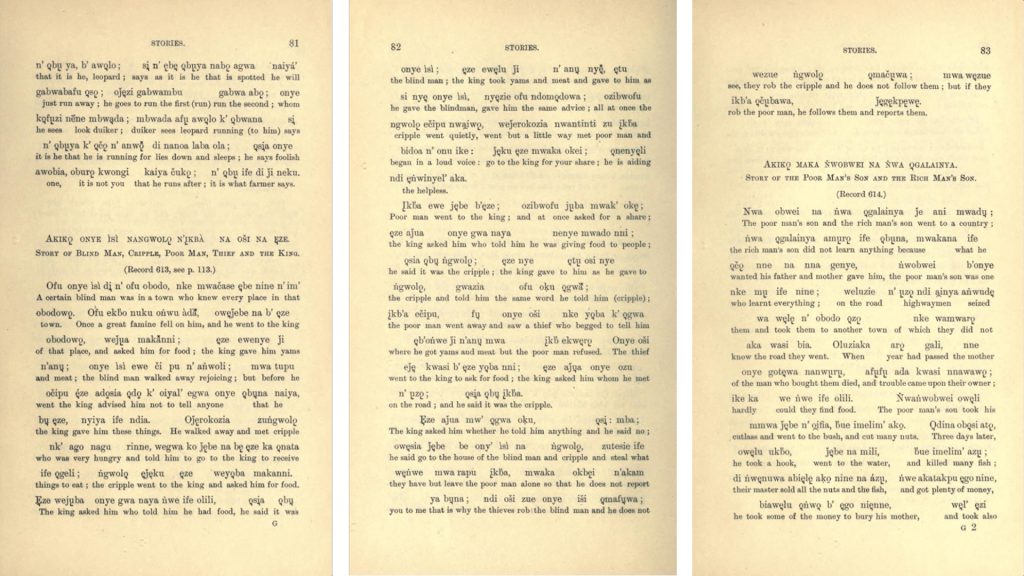
Excerpt from Anthropological Report on the Ibo-speaking Peoples of Nigeria
By Northcote Thomas
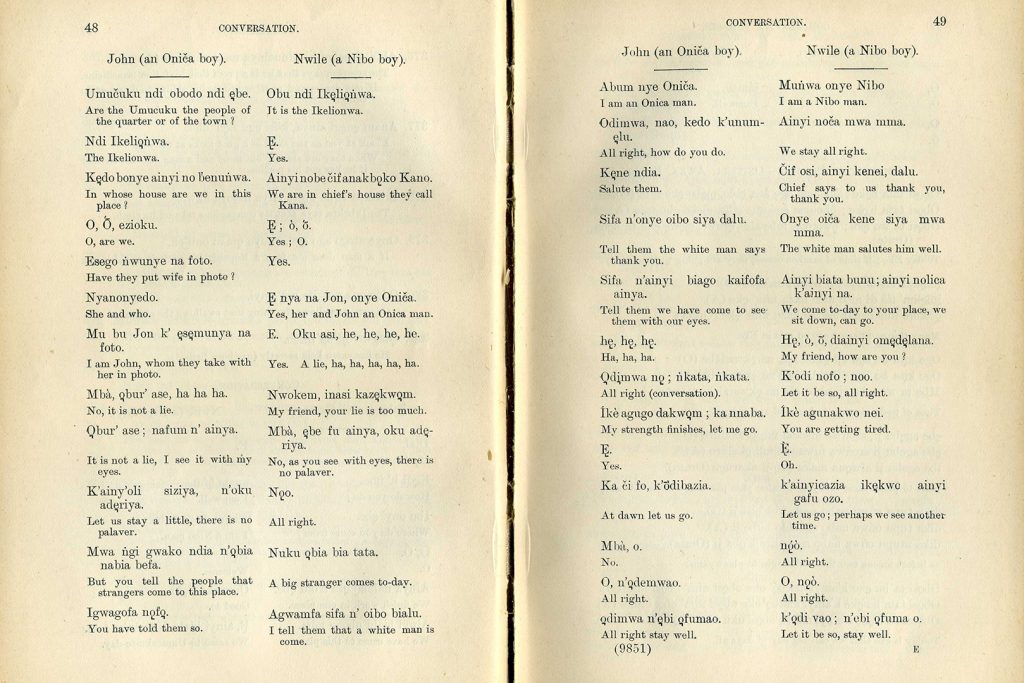
Conversation between John and Nwile
By Northcote Thomas
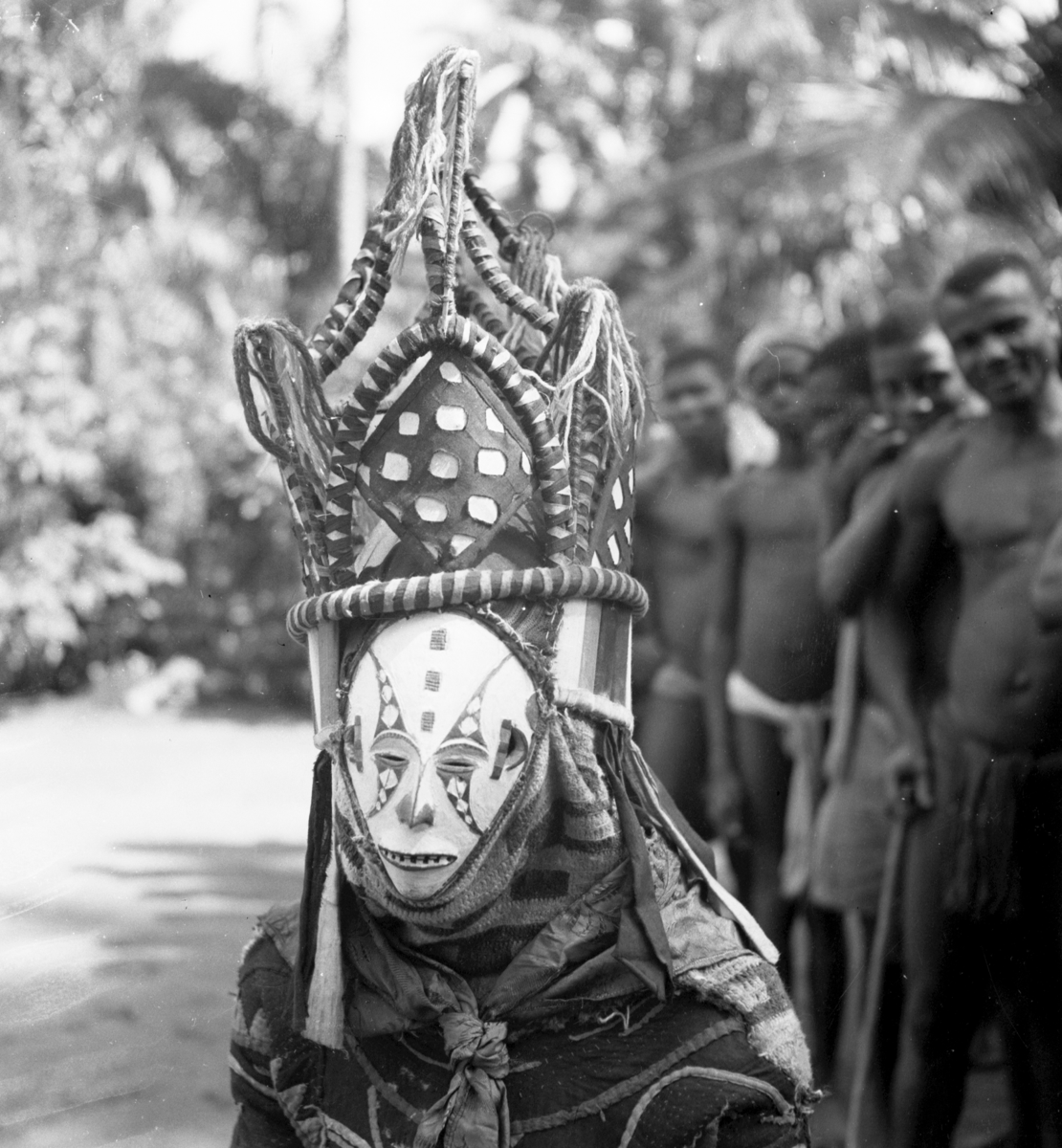
Obugulu Mau Masquerade: Egu Agu
By G.I. Jones
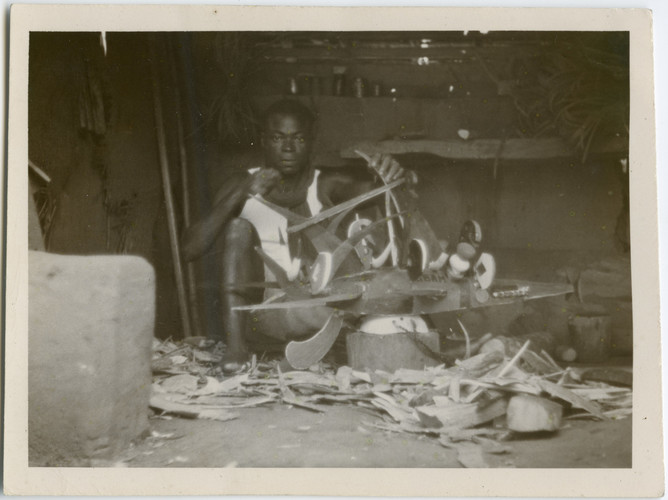
Mask Maker in Workshop with Fish Mask
By Edward R. Chadwick
Conversation in Igbo between John and Nwile
By Northcote Thomas
European Men and African Man at a Royal Niger Company …
By William Henry Crosse
Igbo Man at Masquerade Event
By G.I. Jones
Group Portrait of Titled Igbo Men
Group Portrait from Royal Niger Company
By William Henry Crosse
No comments yet. Be the first to share your thoughts!