

An Ekpe Masquerader in Uzuakoli
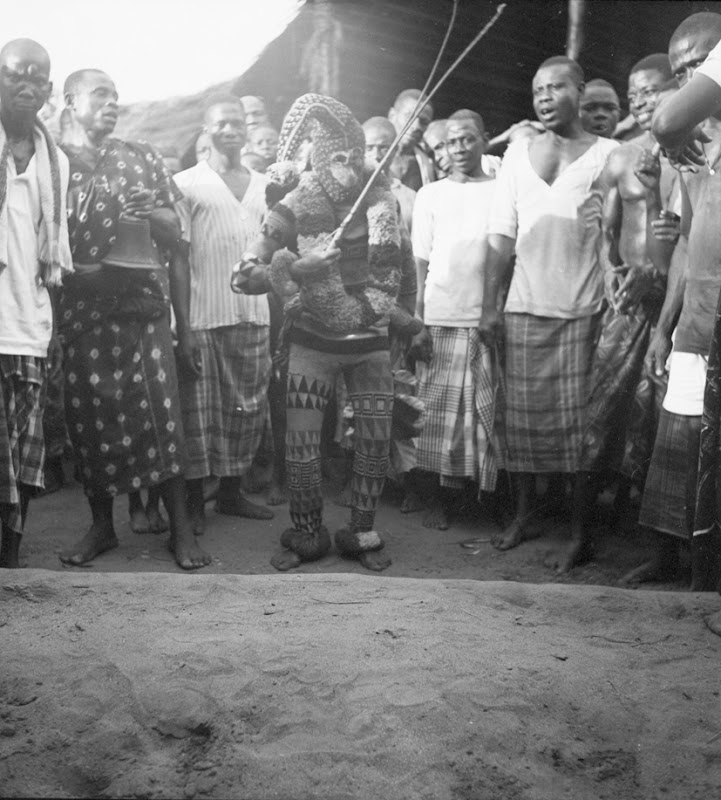
A black-and-white photograph from the 1930s by G.I. Jones depicting an Ekpe masquerader in Uzuakoli, present-day Abia State. The figure is centered in a medium-wide shot, wearing a large, volumetric mask with textured patterns and dark ocular regions. The costume consists of a thick, fibrous garment on the torso and form-fitting leggings featuring repeating geometric patterns, including triangles and zig-zags. The masquerader holds a long, thin, flexible rod diagonally across the body. The figure is surrounded by a semi-circle of observers of African descent, some wearing Western-influenced short-sleeved shirts and others wearing traditional wrapped cloths. One observer on the left holds a metallic, conical-shaped bell.
Community Notes

Onyeka Nwokike
Oct 15, 2026
In many southern Igbo areas, the Ekpe society is manifested as the Okonko society, which is believed to have originated from Arochukwu, as noted by Umu Udo Odinana Igbo.Integration.
Onyeka Nwokike
Oct 15, 2026
The Okonko masquerade serves as a central pillar of communal life and cultural ceremonies, particularly during the burial rites of prominent elders to signify honor and respect, according to Ozikoro.
Onyeka Nwokike
Oct 15, 2026
Historically, Okonko (or conko) members operated "conko-houses" that functioned as toll bars along key roads in eastern Igbo areas. According to Major Arthur Glyn Leonard in Ụkpụrụ̄, members demanded tolls from traders and travelers, often plundering goods or seizing individuals who refused to pay, a practice that directly conflicted with British imperial interests.
Log in to add context.
Explore Further
Discover related books and stories to deepen your understanding.

Art of Eastern Nigeria
By G.I. Jones

Igbo Arts: Community and Cosmos
By Herbert M. Cole and Chike G. Aniakor

Igbo Art And Culture: And Other Essays
By Simon Ottenberg

After God Is Dibia: Igbo Cosmology, Divination and Sacred Science …
By John Anenechukwu Umeh

On Black Sisters' Street
By Chika Unigwe

Christianity and Igbo culture
By Edmund Ilogu

The Death of Vivek Oji
By Akwaeke Emezi

The Roots of the Igbos: Uncovering the Origins of Nigeria's …
By Vivian Chibuife

Jagua Nana
By Cyprian Ekwensi
Aba and British Rule
By Dandy Ahuruonye
You May Also Like
Dancing Initiation Masks, Boys Initiation
By G.I. Jones
Obugulu Mau Masquerade: Egu Agu
By G.I. Jones
Portable Household Shrine, North Ika
By G.I. Jones
Group Portrait with Igbo Masquerade Headdress at Fort Salisbury
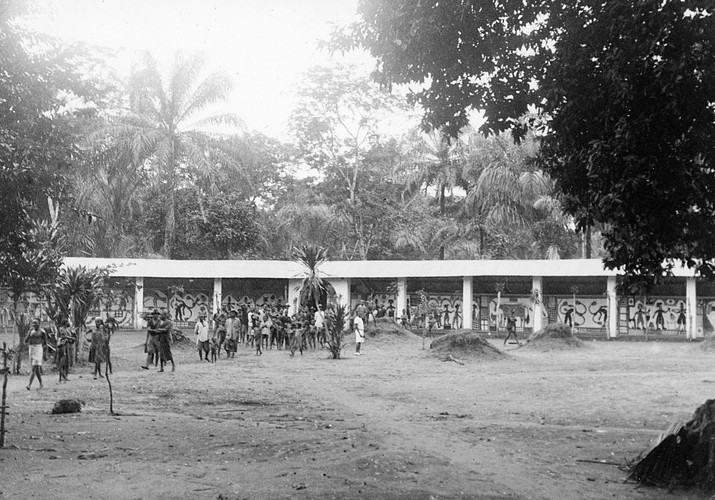
Mural Building at Okwu
By Edward Harland Duckworth
Igbo War Shouting Recording
By Northcote Thomas
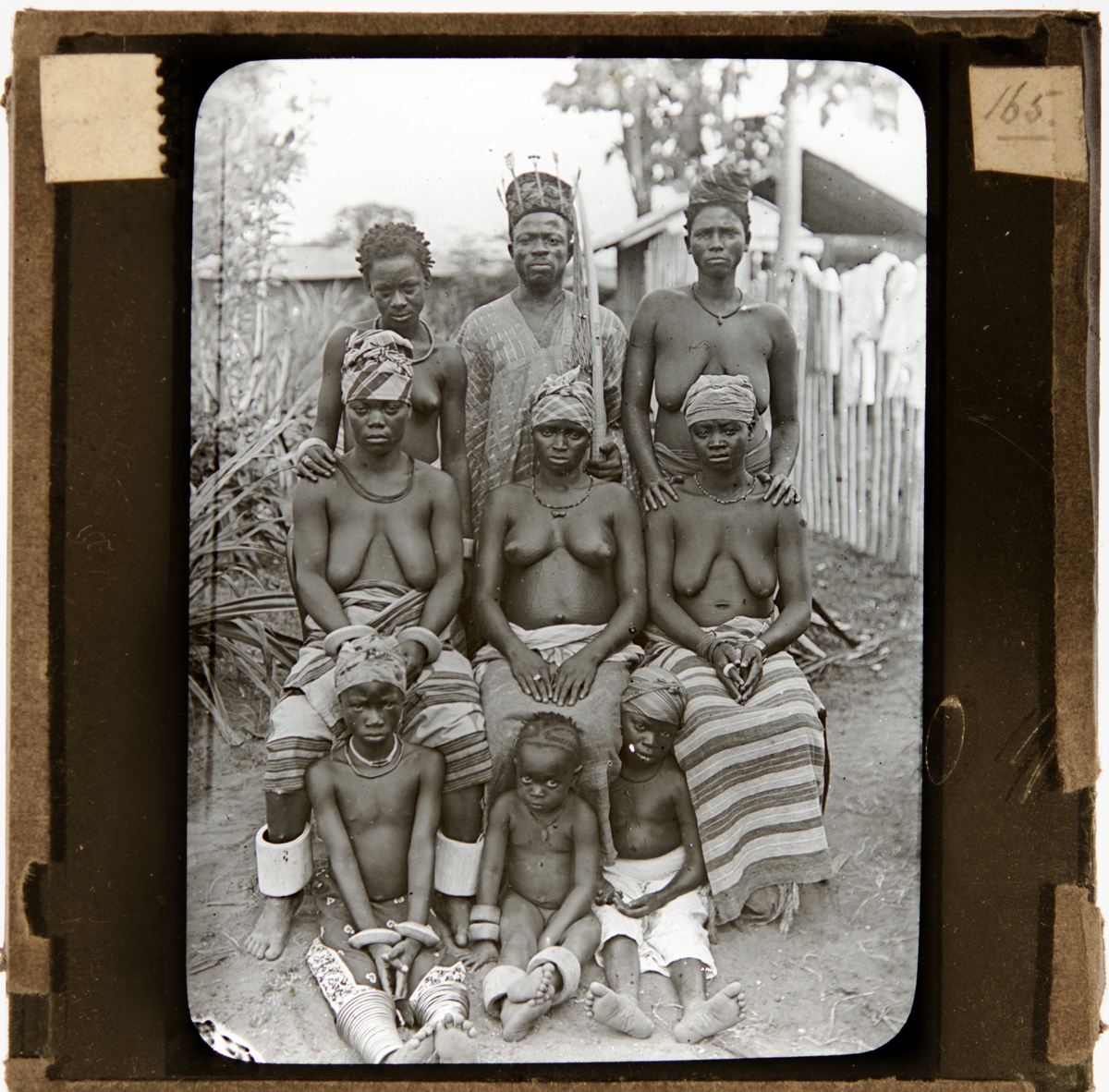
Group Portrait of a Family
By William Henry Crosse
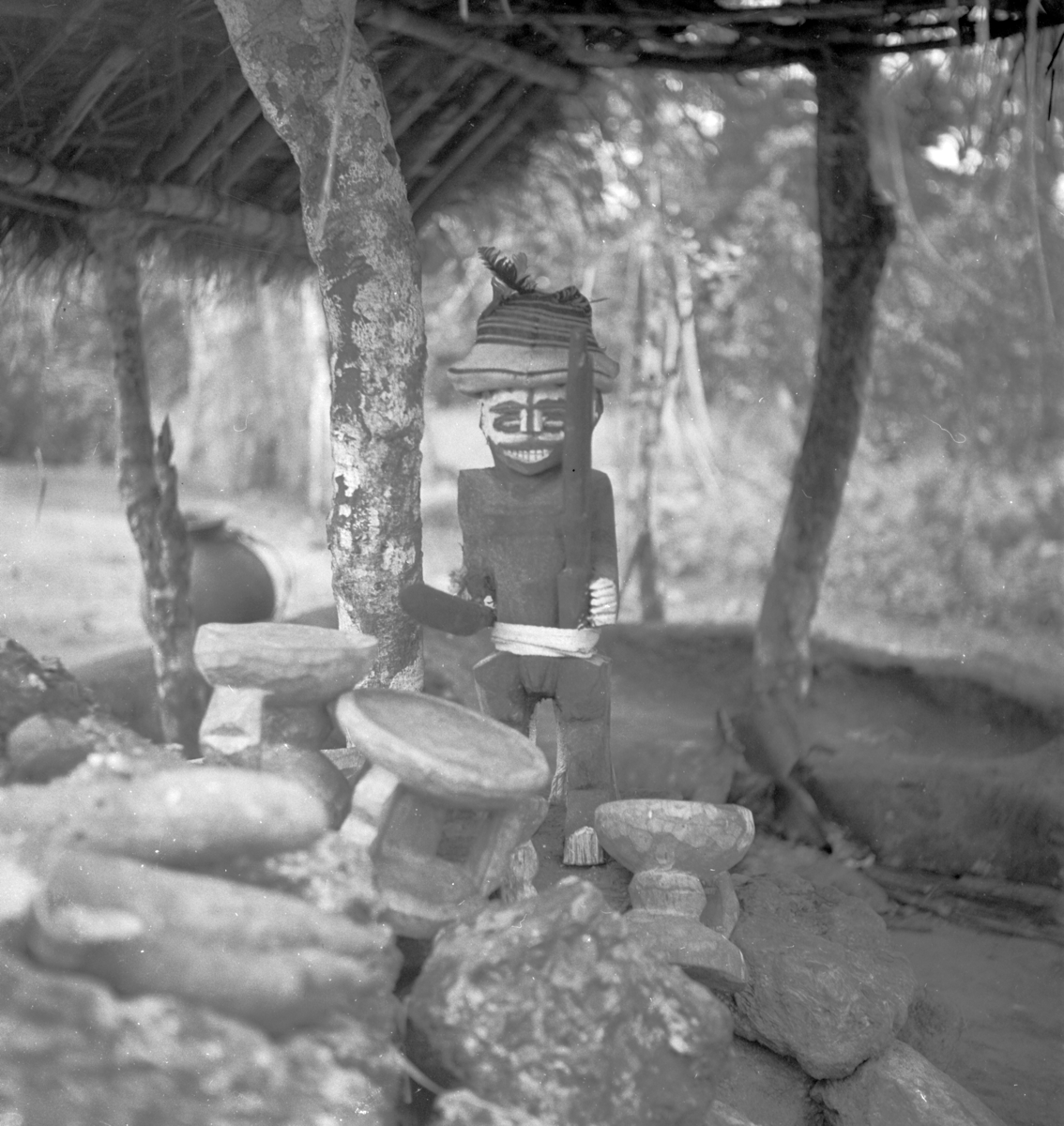
Alose Shrine Figure
By G.I. Jones
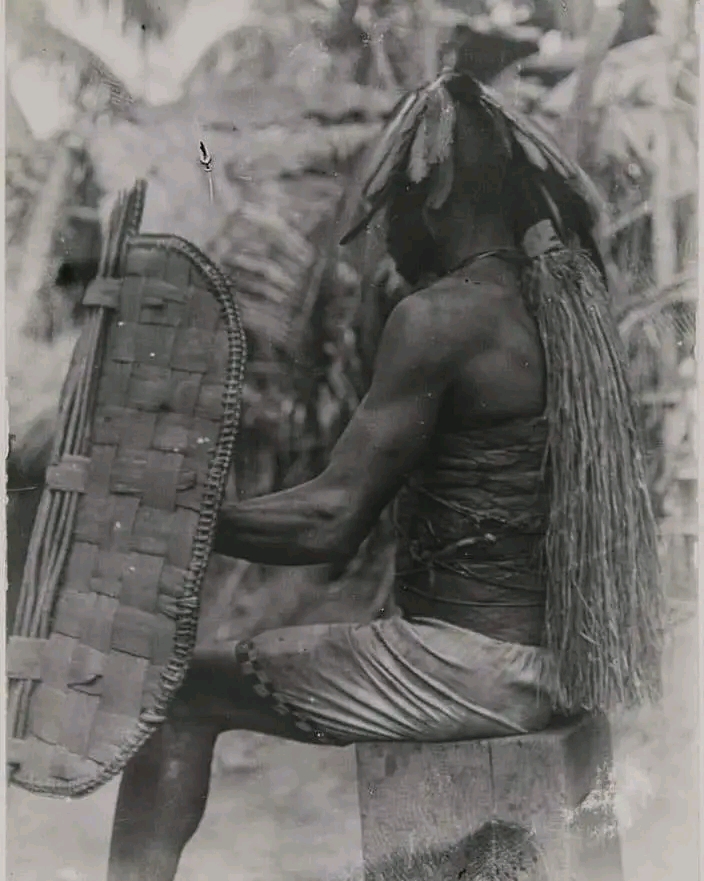
An Igbo Elder from Awka, Wearing a War Helmet and …
By Northcote Thomas
No comments yet. Be the first to share your thoughts!