

Purple Hibiscus
by Chimamanda Ngozi Adichie

Book Author / Creator
Set in the city of Enugu, Nigeria, Purple Hibiscus follows fifteen year-old Kambili and her older brother Jaja. While their father is a wealthy businessman who provides a beautiful home and private schooling, the family atmosphere is oppressive. As described in the Open Library overview, their father is a fanatically religious man who imposes impossible expectations and becomes physically abusive when his demands are not met. The children's perspective shifts when they visit their loving aunt, an experience that allows Kambili's world to blossom. As a military coup threatens the country, the domestic tension escalates, forcing Kambili to seek the strength to protect her family.
The novel is situated in post-colonial Nigeria, likely during the 1980s under a military regime inspired by the dictatorship of Ibrahim Babangida. LitCharts notes that this period was marked by corruption and human rights abuses following the 1985 military coup. The narrative examines the cultural friction between Christianity and Igbo traditions, as detailed on Wikipedia, exploring how individuals navigate the balance between old and new ways. Furthermore, an analysis of Religion, coloniality and "passing" in Adichie's Purple Hibiscus discusses ideological passing, where adherence to Western values reflects and perpetuates colonial power structures.
Chimamanda Ngozi Adichie is a Nigerian writer born in Enugu in 1977. According to her official biography, she grew up on the campus of the University of Nigeria, Nsukka, where her father served as a professor and her mother was the first female Registrar. Adichie is widely recognized on Wikipedia as a central figure in postcolonial feminist literature, with her work frequently exploring the intersections of identity, feminism, and colonialism.


You May Also Like
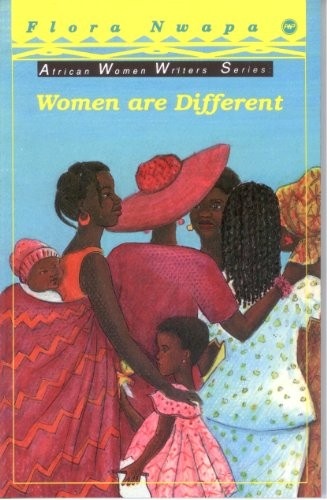
Women Are Different
By Flora Nwapa
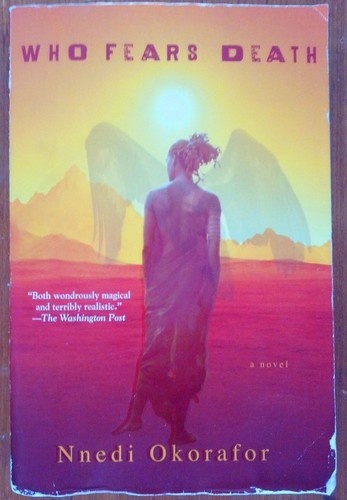
Who Fears Death
By Nnedi Okorafor
An Igbo civilization
By M. Angulu Onwuejeogwu
The water goddess in Igbo cosmology
By Sabine Jell-Bahlsen
Sacrifice in Igbo traditional religion
By Francis A. Arinze
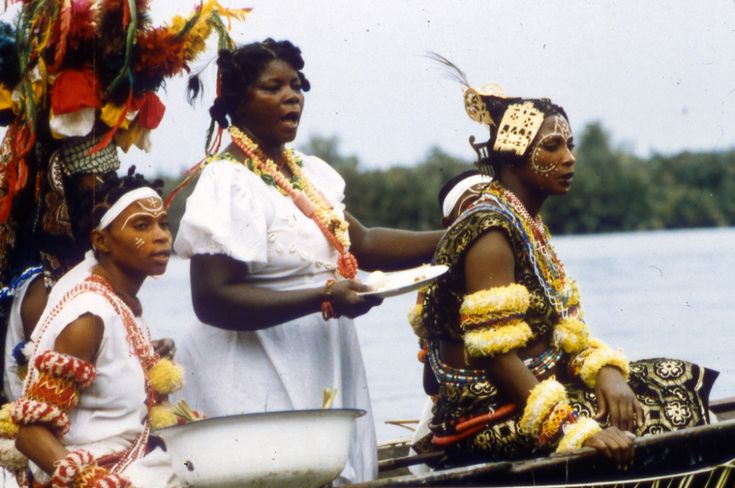
Mammy Water in Igbo culture
By Sabine Jell-Bahlsen
Who Fears Death
By Nnedi Okorafor
Lake Goddess
By Flora Nwapa
Dear Ijeawele, or A Feminist Manifesto in Fifteen Suggestions
By Chimamanda Ngozi Adichie