

Arrow of God
by Chinua Achebe

Book Author / Creator
Set in 1920s Nigeria during the transition from direct to indirect British colonial governance, Arrow of God follows Ezeulu, the chief priest of the god Ulu. Ezeulu serves the six villages of Umuaro, where his authority is challenged by internal rivals and the British colonial administration. A primary conflict involves Captain Winterbottom, who orders Ezeulu to report to a town six miles away, a distance the priest is forbidden from traveling under traditional custom. The novel examines how Ezeulu's desire for personal control and his spiritual obligations clash with the needs of his community.
As the second novel in The African Trilogy, the narrative utilizes Igbo proverbs and traditions to examine the tensions between modernity and tradition, as noted by this analysis. The plot focuses on the disintegration of traditional socio-political foundations under colonial rule. Ezeulu's inability to reconcile individual ambition with communal responsibility leads to a loss of faith and the ultimate downfall of his people.
Chinua Achebe (1930 to 2013) was a Nigerian author widely regarded as the father of modern African literature. He is best known for The African Trilogy, which depicts a Nigerian community across three generations from first colonial contact to urban migration. Over his career, he served as a professor of Africana Studies at Brown University and as a professor of languages and literature at Bard College. His achievements were recognized with the Nigerian National Merit Award and the 2007 Man Booker International Prize for lifetime achievement.


You May Also Like
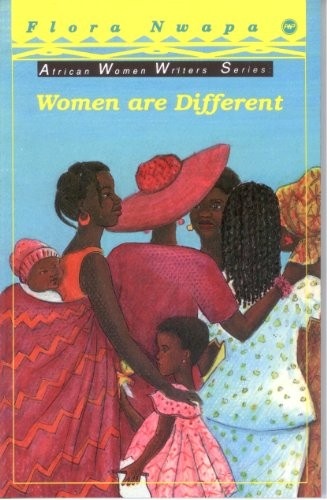
Women Are Different
By Flora Nwapa
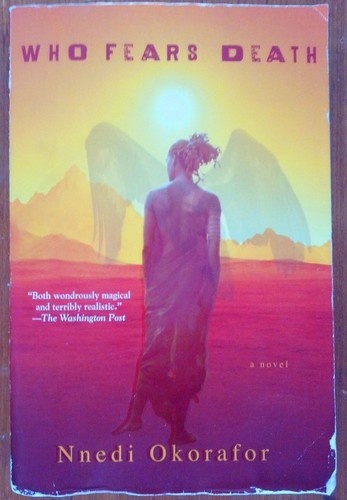
Who Fears Death
By Nnedi Okorafor
An Igbo civilization
By M. Angulu Onwuejeogwu
The water goddess in Igbo cosmology
By Sabine Jell-Bahlsen
Sacrifice in Igbo traditional religion
By Francis A. Arinze

Mammy Water in Igbo culture
By Sabine Jell-Bahlsen
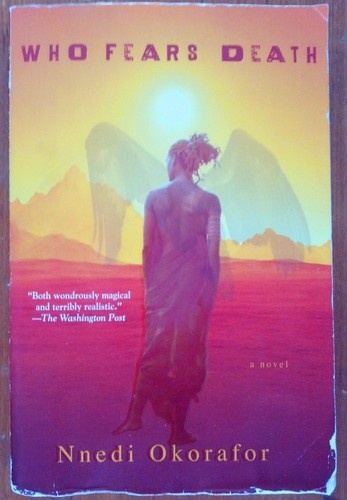
Who Fears Death
By Nnedi Okorafor
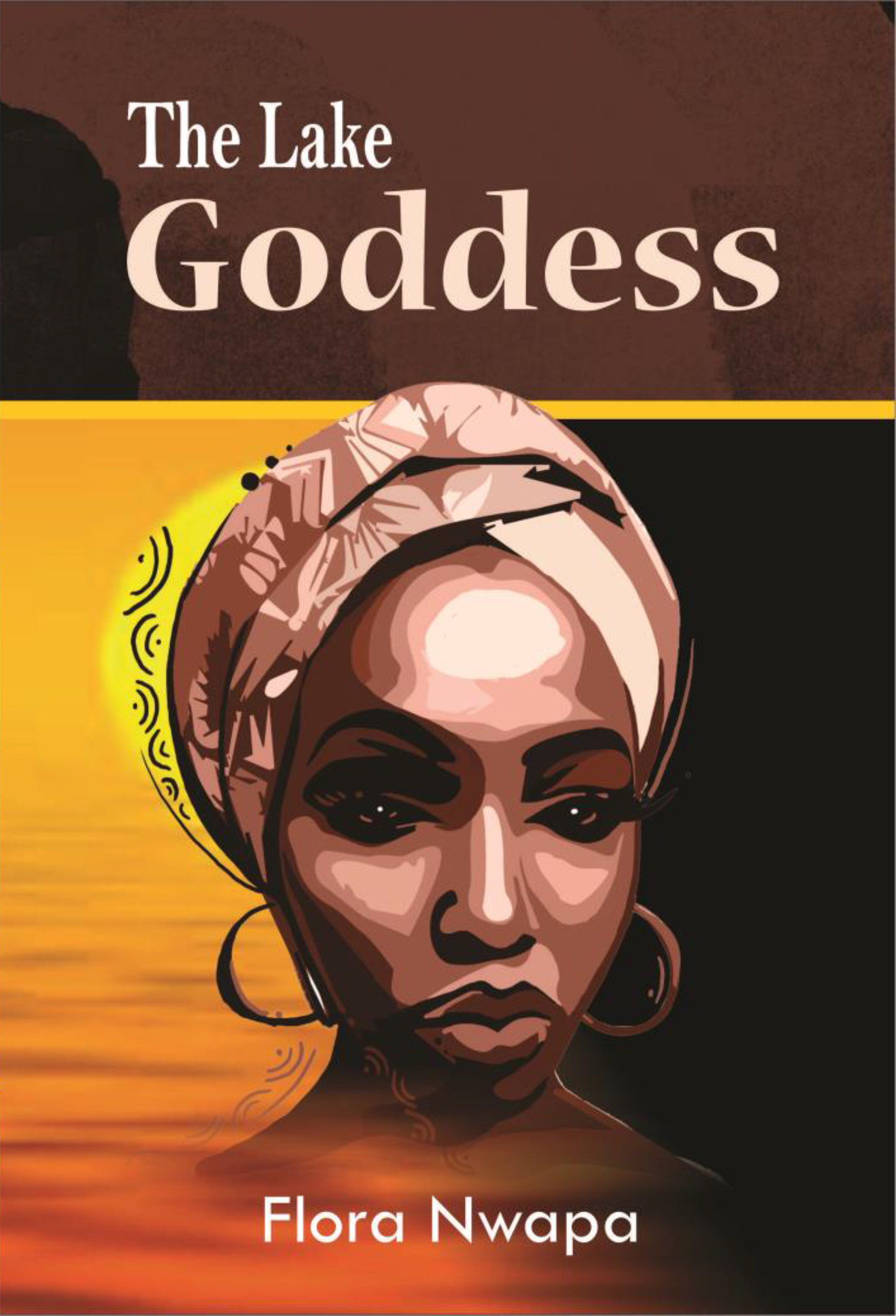
Lake Goddess
By Flora Nwapa

Dear Ijeawele, or A Feminist Manifesto in Fifteen Suggestions
By Chimamanda Ngozi Adichie